Three layers, and only one of them is optional
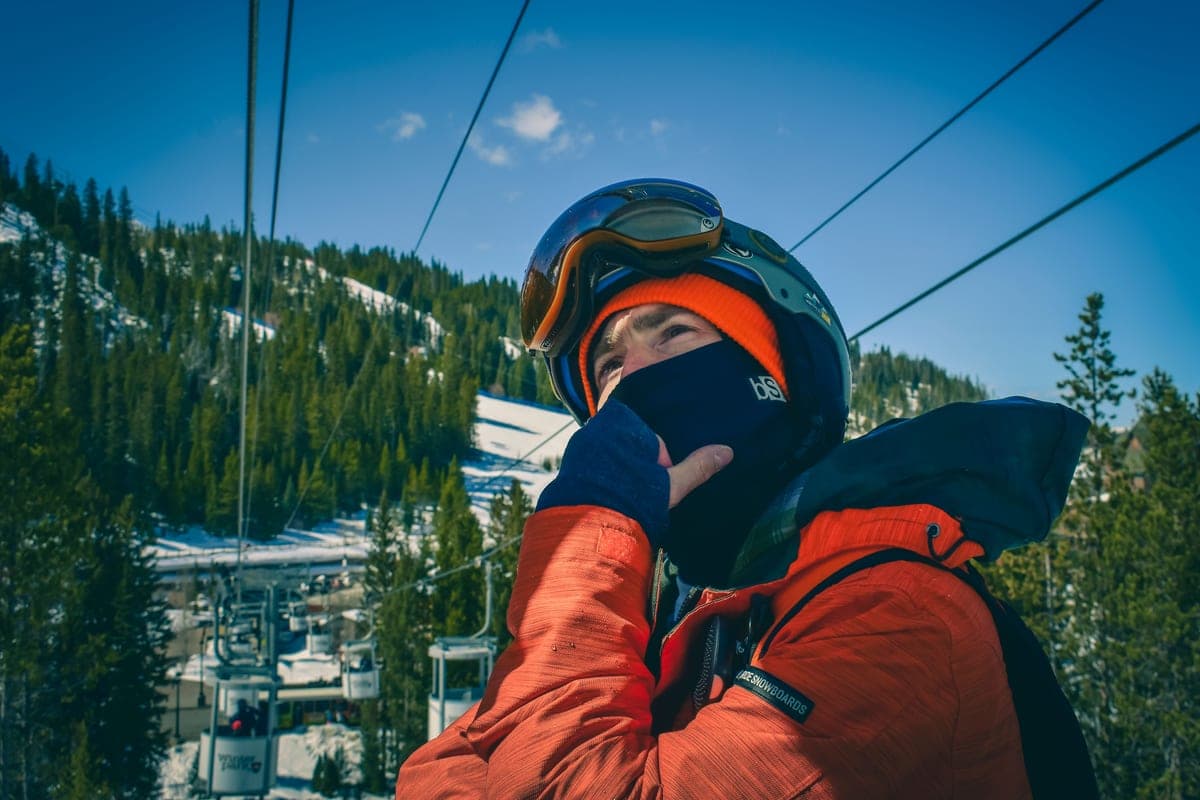
Ski clothing is a system of three layers, each doing one job. Getting the system right matters far more than what any single item costs.
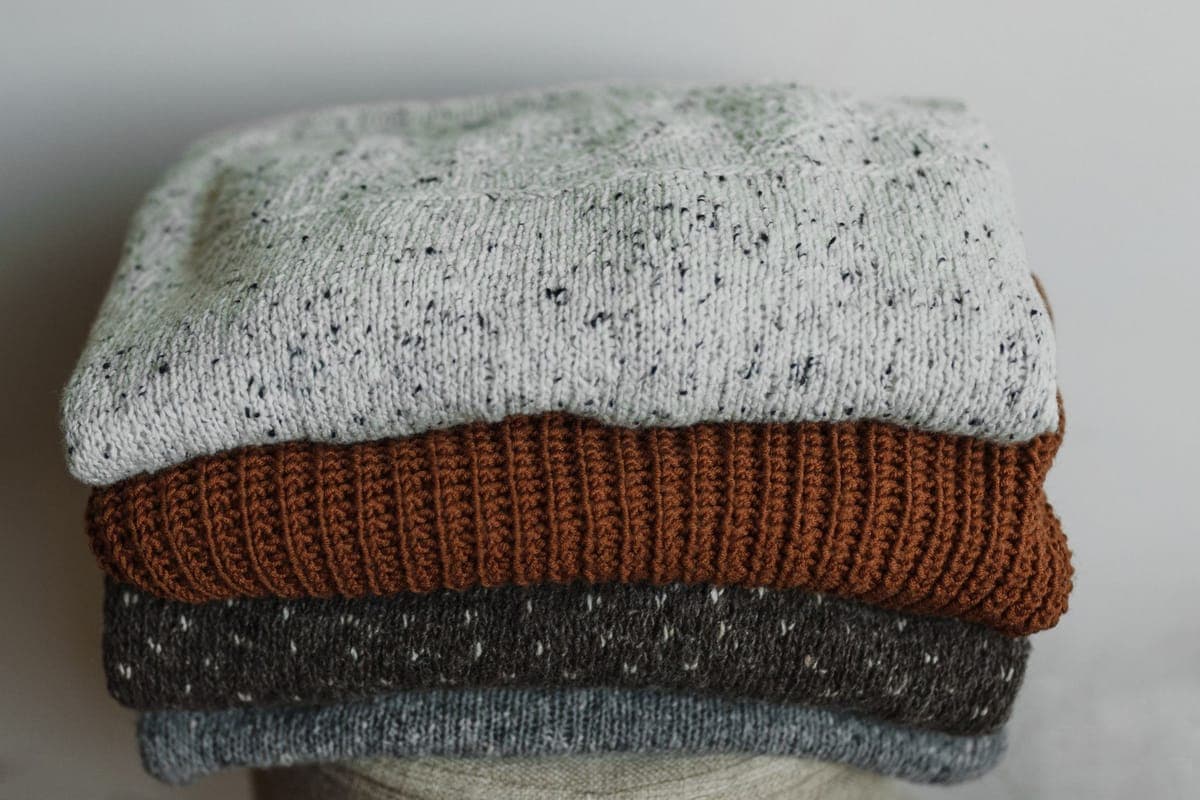
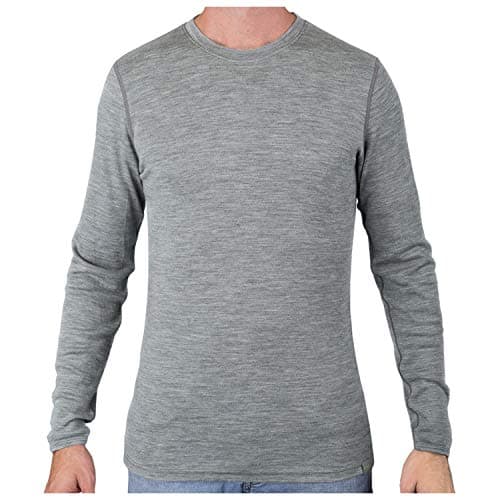
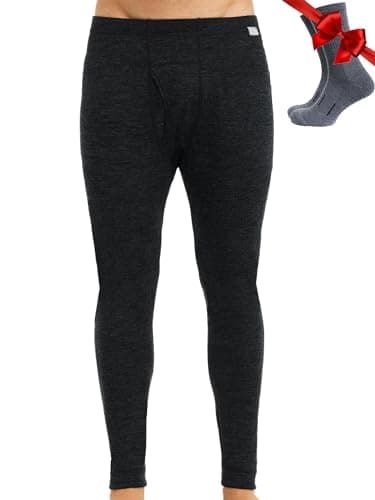
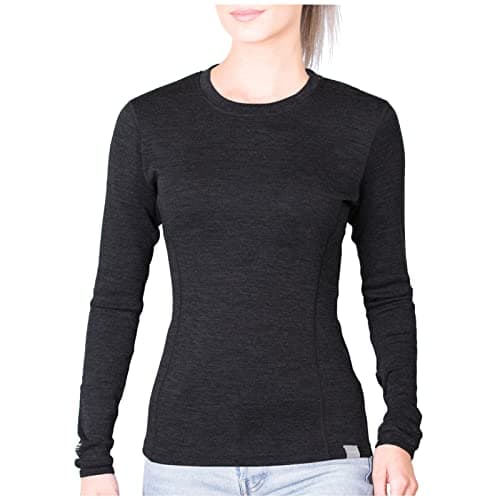
- The base layer sits against your skin and moves sweat away from it. Merino wool or a synthetic. Never cotton. The base layer guide is here.
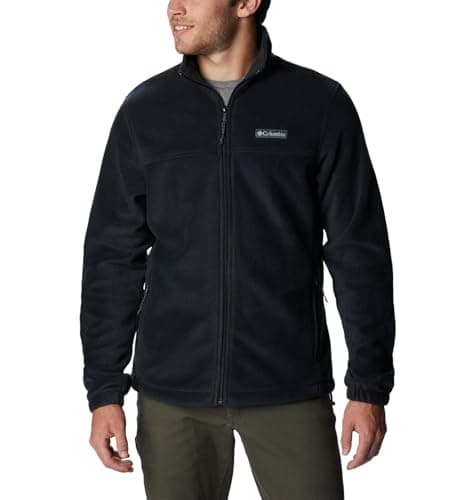
- The mid layer traps warm air. A fleece or a light puffy jacket. This is the optional one: on a mild day you skip it, which is why an insulated jacket you cannot open up is a worse buy than it looks.
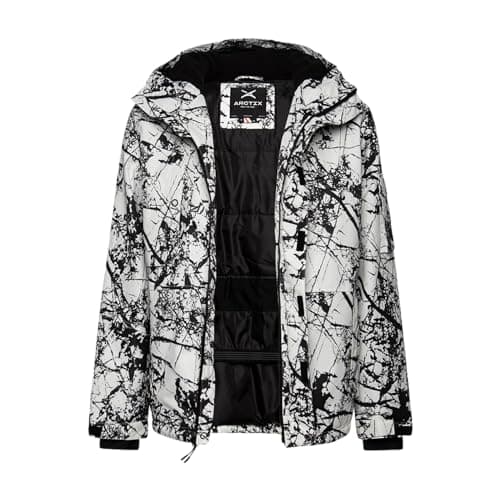
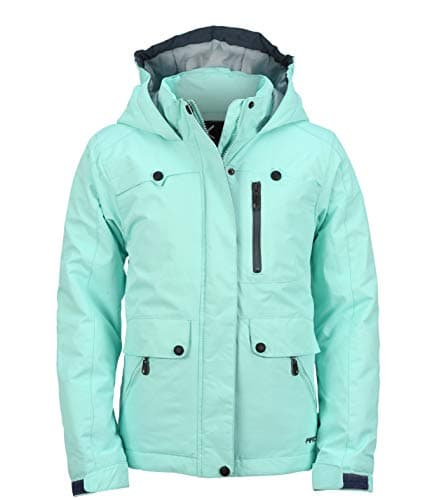
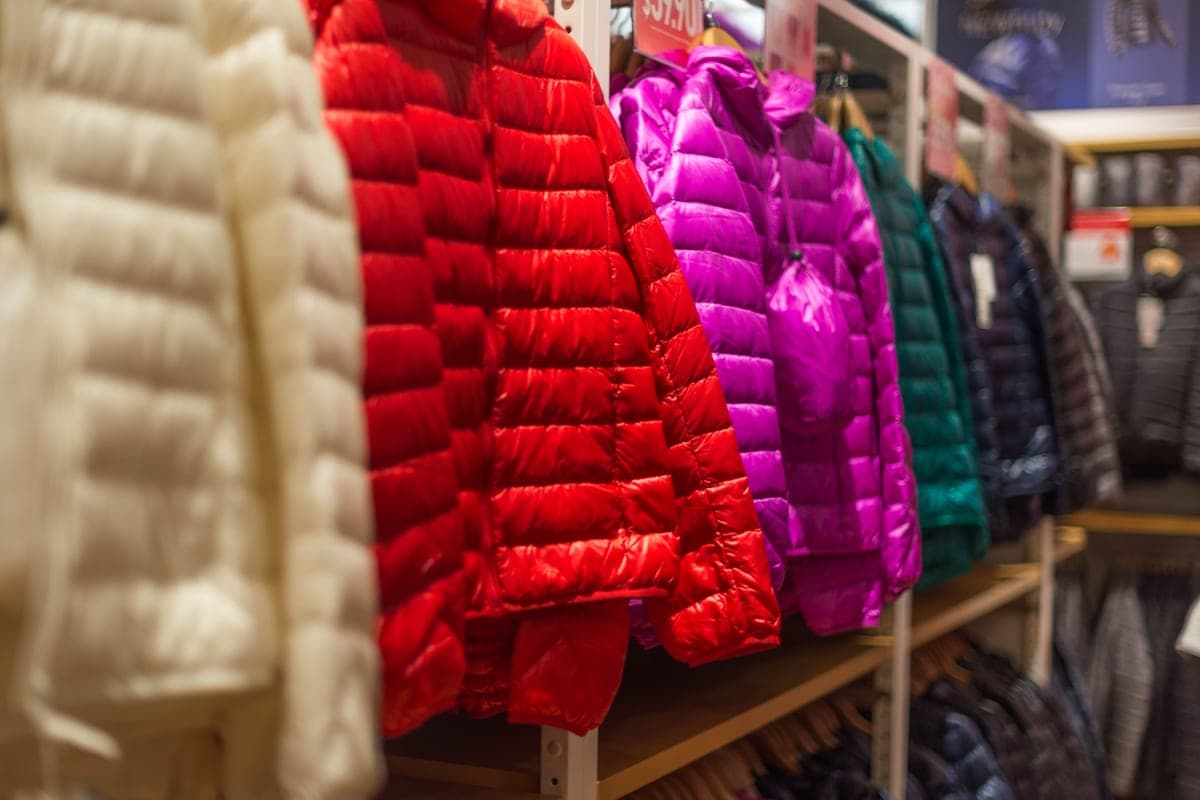
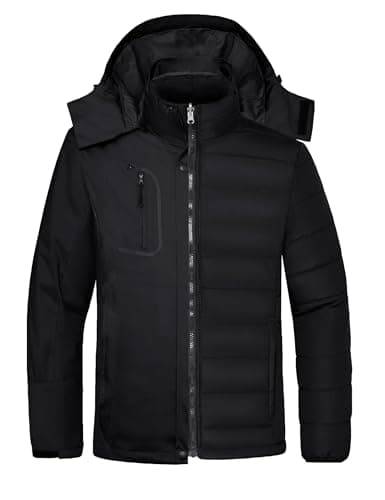
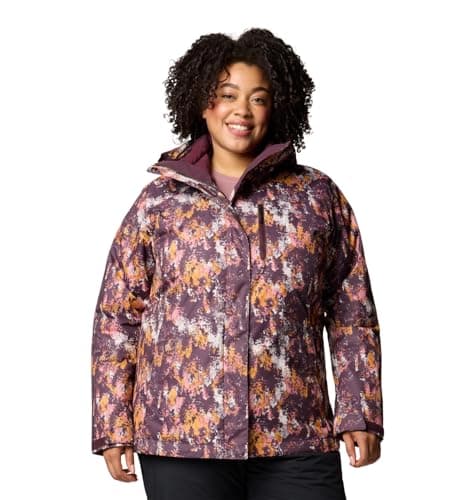
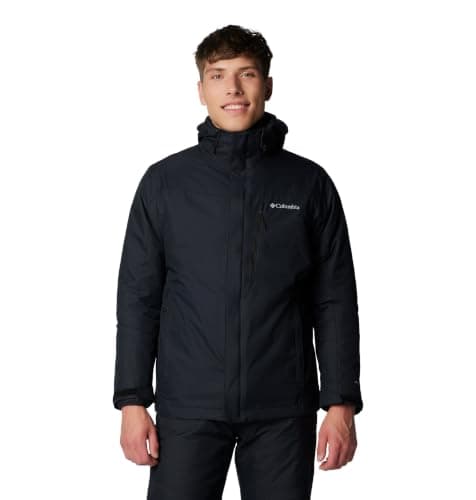
- The shell keeps wind and water out. This is the jacket and the pants, and it is the layer with the numbers on it.
The waterproof number, and who publishes it
Waterproofing is measured in millimeters of hydrostatic head: how tall a column of water the fabric holds back before it leaks. Roughly, 3,000 mm handles light dry snow and short exposure, 10,000 mm handles a normal wet resort day, and 20,000 mm is more than a family skier will ever need.
Here is the thing nobody in this category admits: most major brands do not publish the number at all. They publish a proprietary fabric name instead. That is not necessarily worse fabric, but it does mean you cannot compare it numerically against anything, and any site that presents a table of ratings for those jackets got the numbers from somewhere other than the maker. Where a rating exists in our picks we print it; where it does not, the row says “Not published” and the score is computed without that axis.
Seams leak before fabric does
A jacket is only as waterproof as its stitching, and stitching is thousands of holes. Sealing the seams with tape fixes that. Makers describe it three ways, and the difference is real:
- Fully sealed or fully taped means every seam. This is what you want for genuinely wet snow.
- Critically sealed or critically taped means the shoulders, hood and other high-exposure seams only. This is what most family-price outerwear publishes, including everything in our picks, and it is fine for most conditions.
- No mention of seams usually means untaped.
Pants matter more than the jacket for a beginner
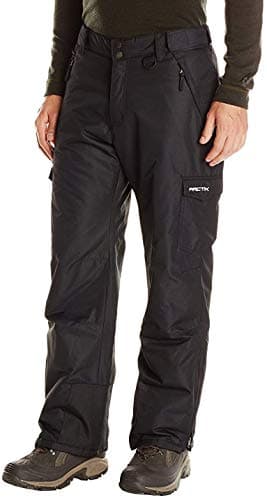
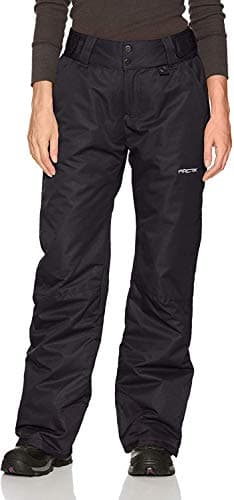
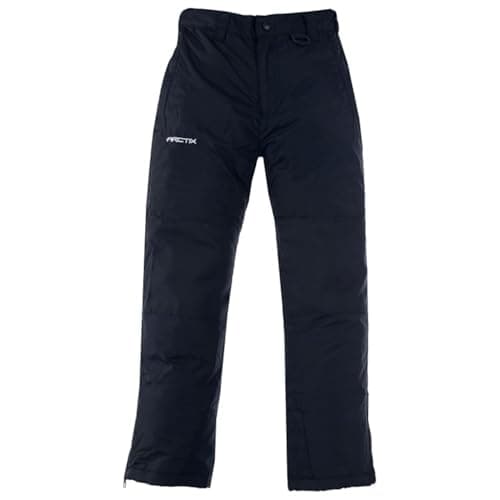
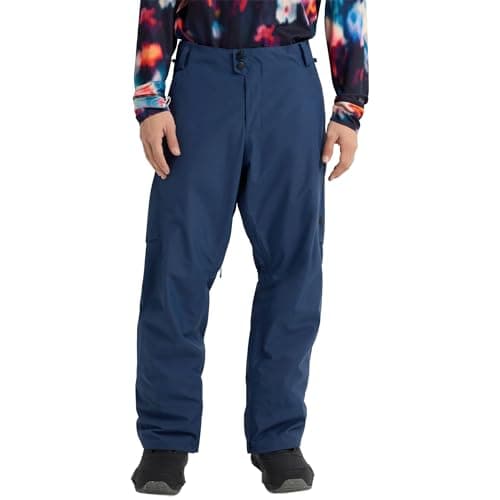
This is the most useful thing in this section. A beginner spends a significant part of the first two days sitting in snow, and their jacket spends that time nowhere near the ground. If the budget only stretches to one properly waterproof garment, buy the pants.
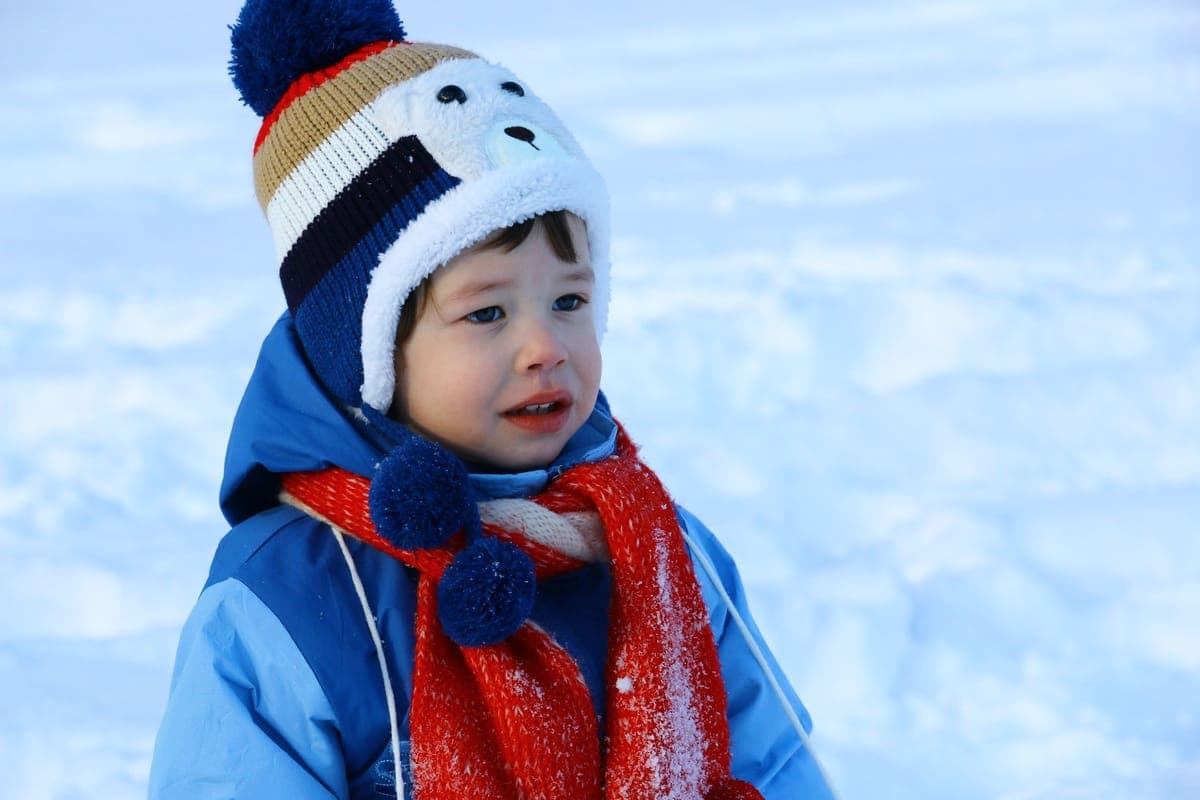
For children the same logic goes further: look for reinforcement at the seat, knees, ankles and the inside edge where a ski boot scuffs, because that is where a learning child destroys a pair. One of our picks publishes 600-denier reinforcement at exactly those four points. The ski pants picks are here.
Gloves, mittens and the cheapest upgrade on this site
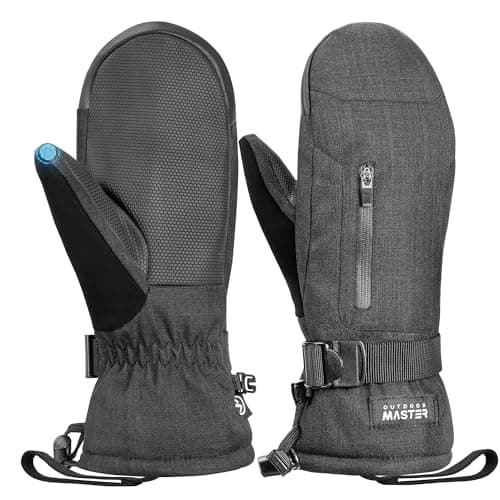
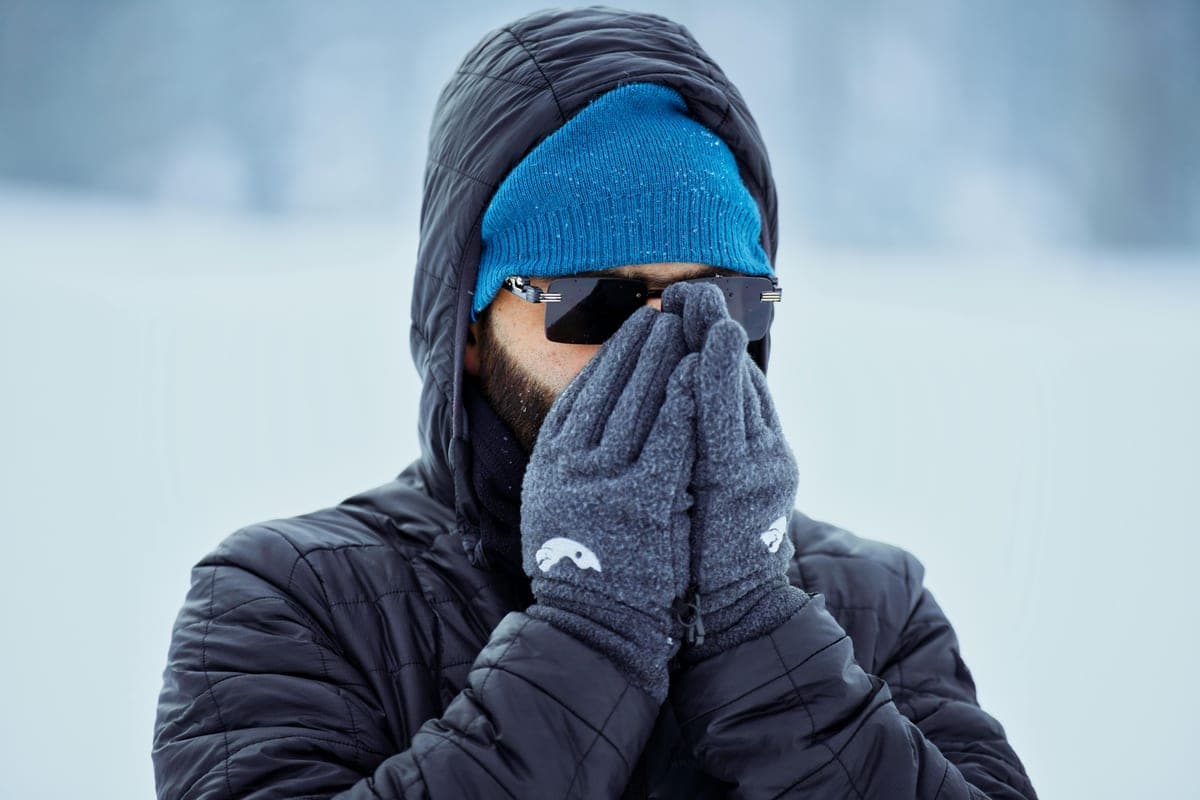
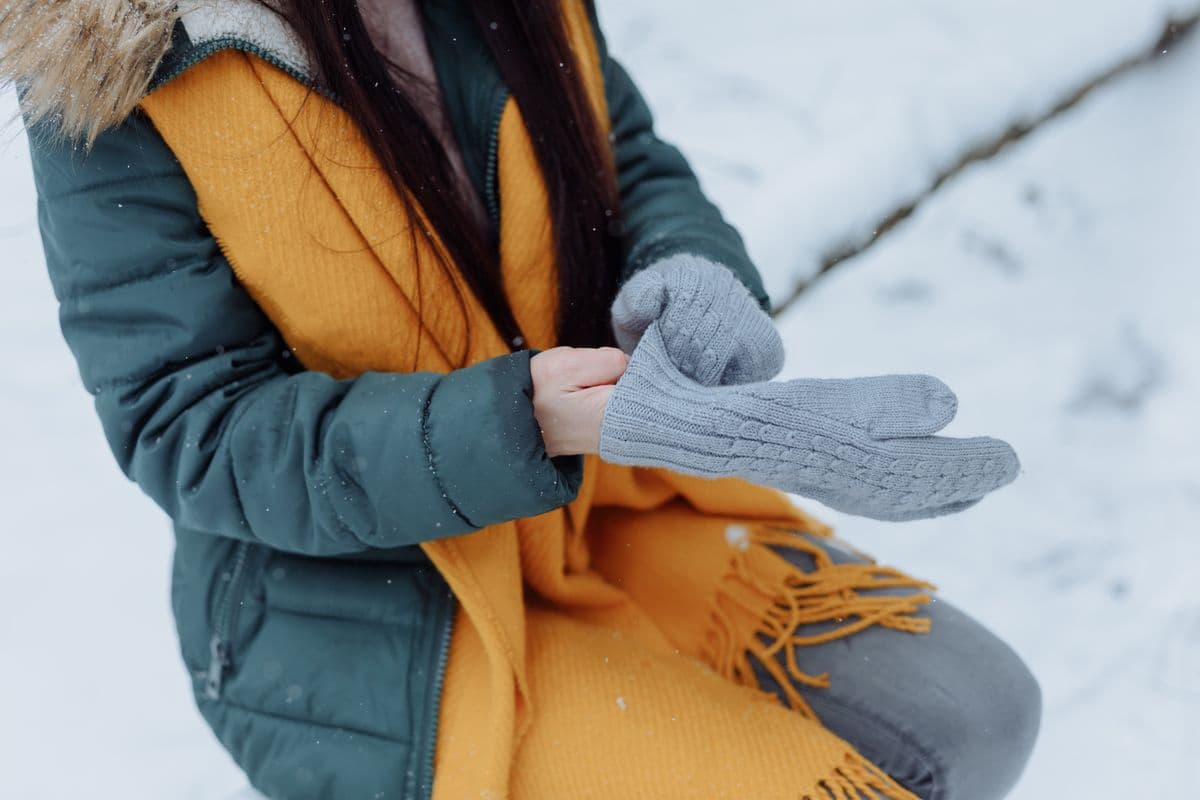
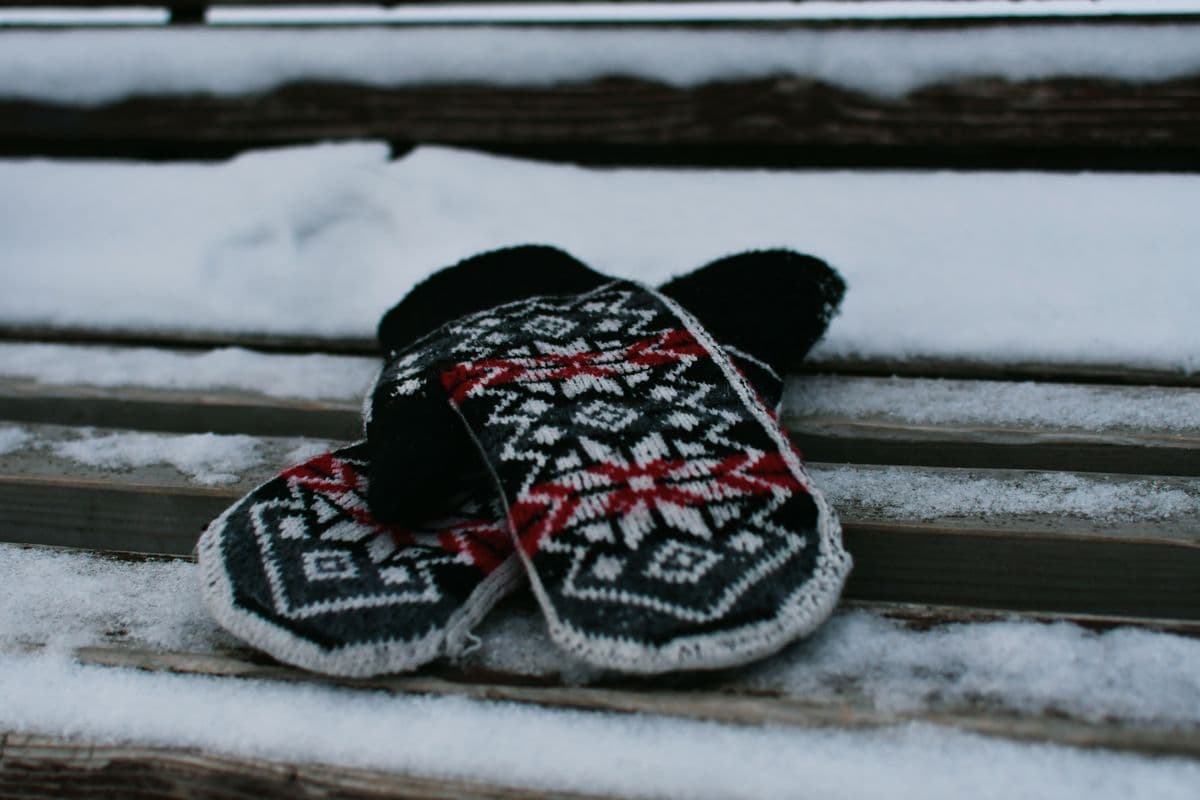
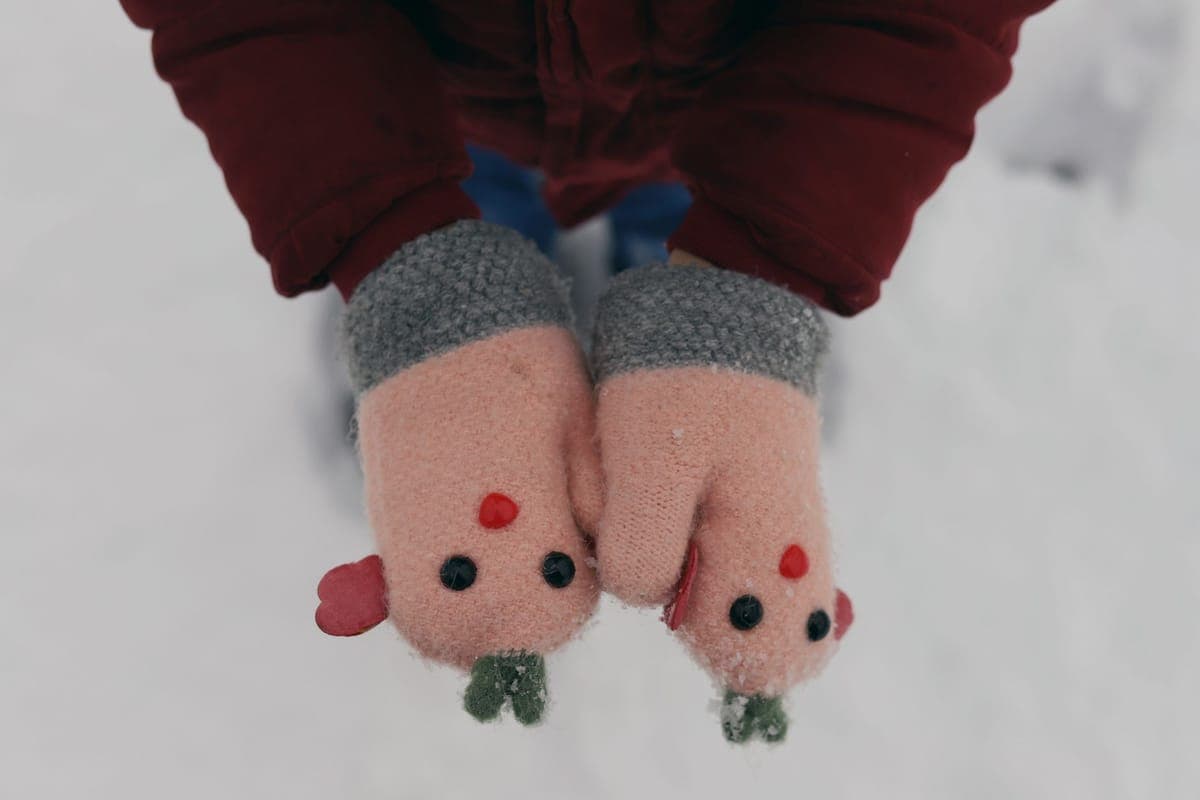
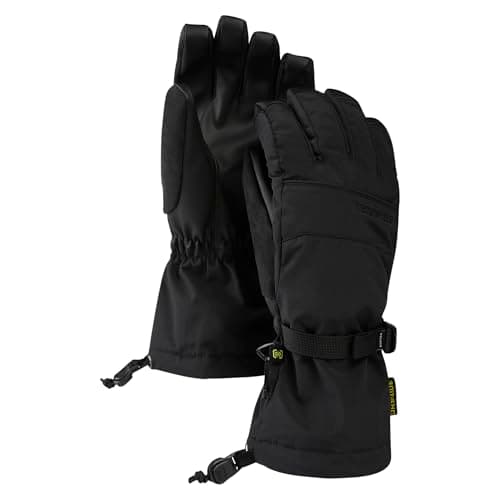
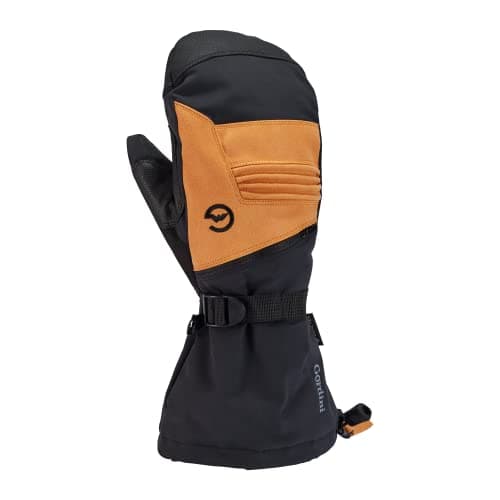
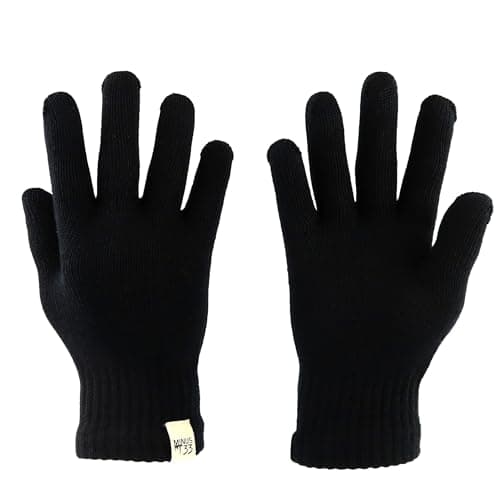
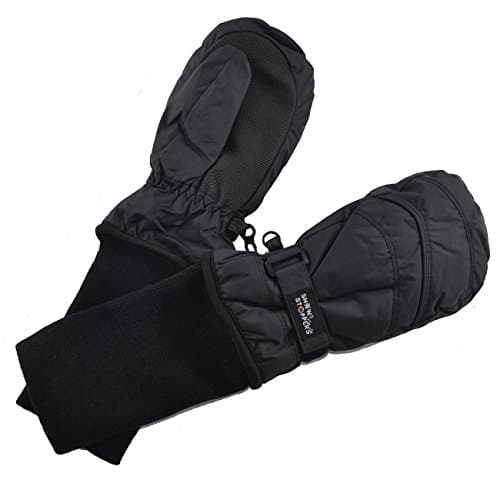
Cold hands end more family ski days than cold anything else, and children have a worse ratio of surface area to volume than adults, so they get cold first. Mittens are warmer than gloves for the same insulation because fingers share heat. The comparison is here, and the practical answer for a young child is usually mittens plus a second pair in the bag.
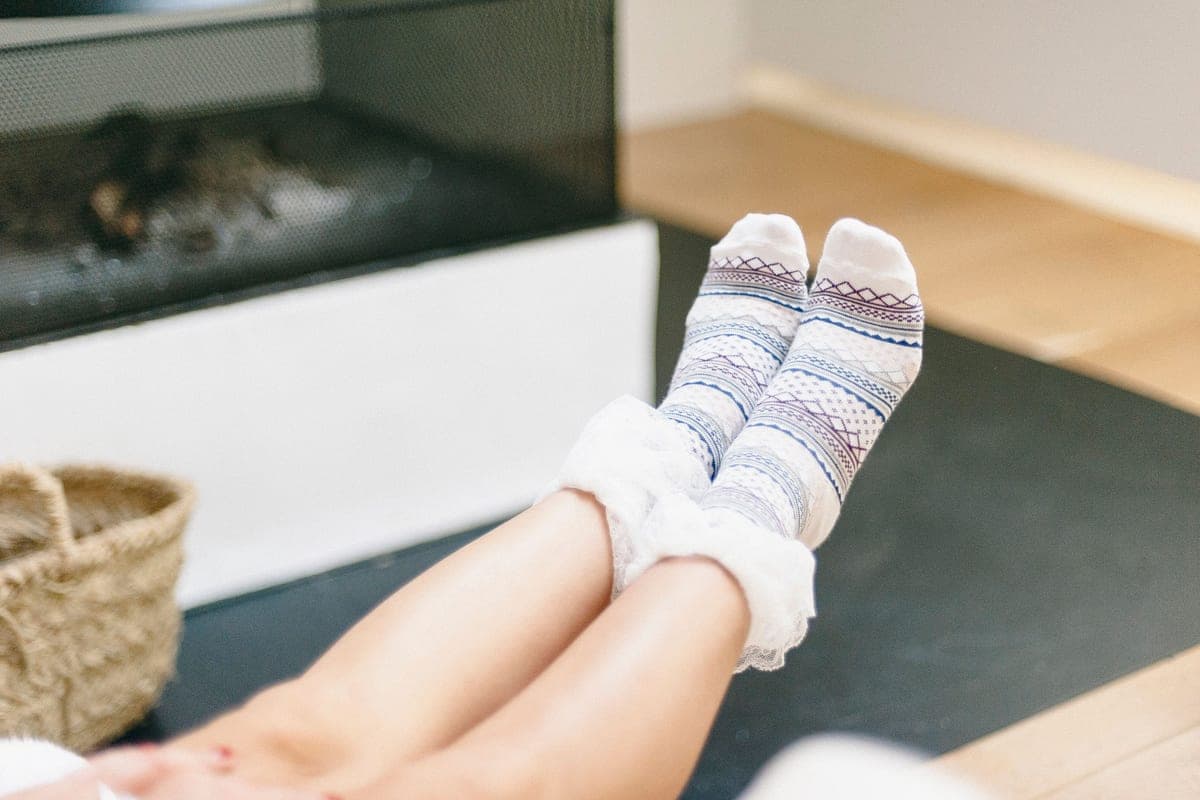
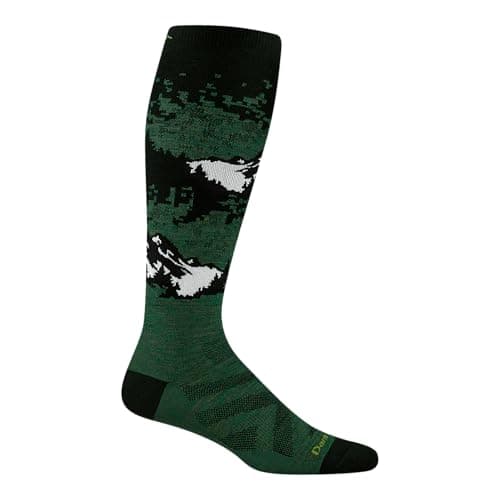
Ski socks deserve a paragraph of their own because the intuition is exactly backwards. A thick sock does not make a ski boot warmer. It fills space the boot needs, cuts circulation and makes your foot colder. One thin, tall merino sock is correct. Here is why, along with the pair on this site that carries an unconditional lifetime guarantee.
Rent or buy?
Clothing is the category where renting is least available and buying is most often justified, because it gets worn off the mountain too. The clothing-specific arithmetic is here, and it reaches different conclusions for adults and for a child who will have grown out of everything by March.
Sized for the person actually wearing it
A jacket that fits badly is a jacket that vents badly, and most fit complaints come down to a garment cut for somebody else. Four pages cover the fits the main roundups do not:
- Women’s jackets and women’s snow pants - compared on published waterproof ratings, insulation weight and, in the pants case, the inseam ranges that decide whether anything else matters.
- Kids’ gloves and kids’ base layers - the two items a child notices first, and the two most often bought a size too big on purpose.
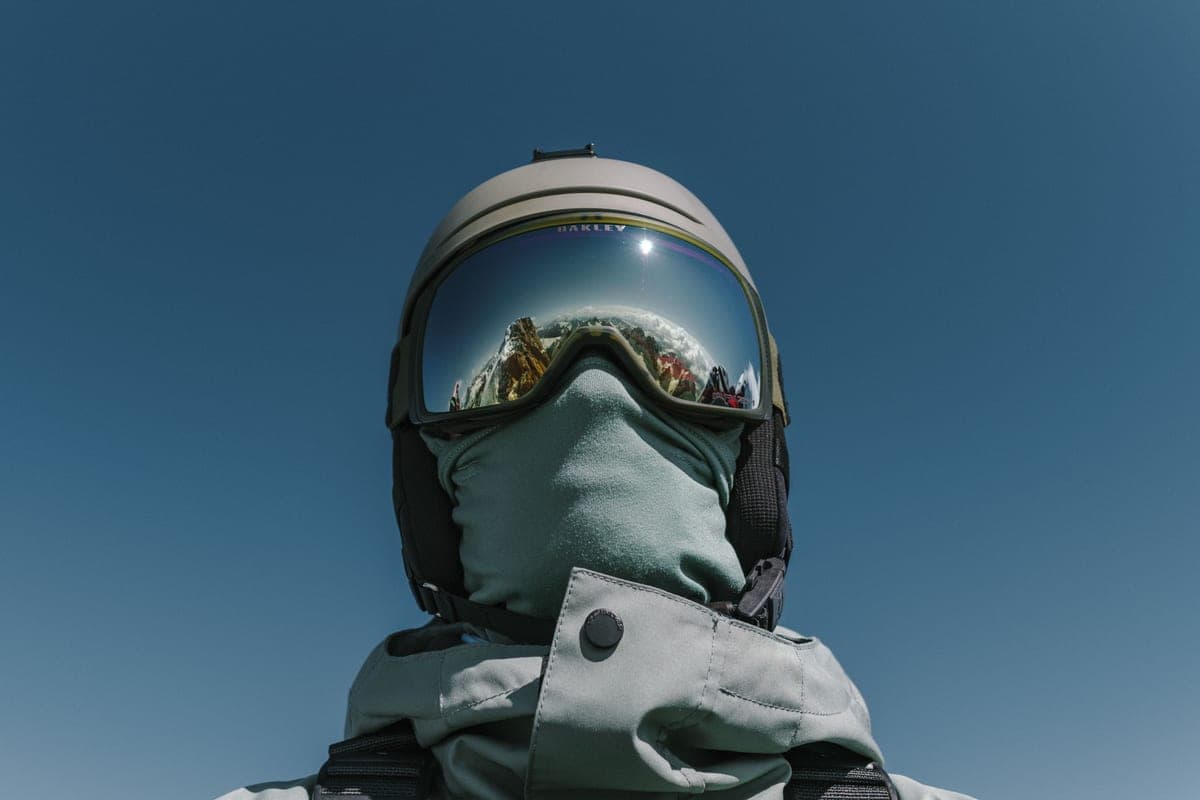
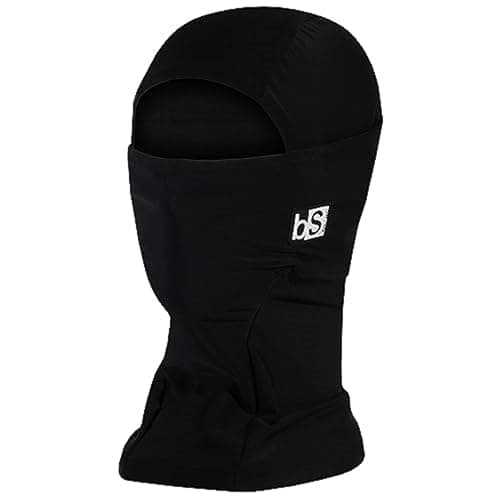
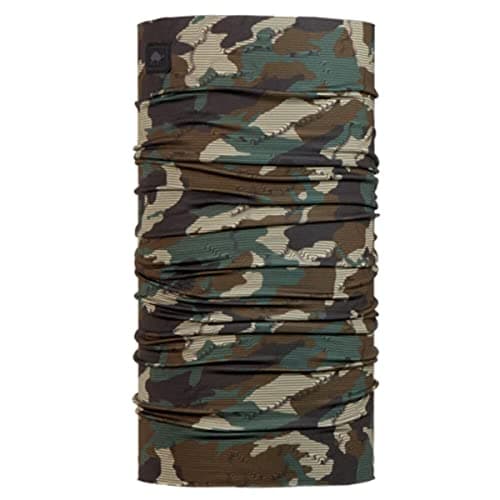
Two more fill in the layers nobody plans for: what goes under ski pants answers the question almost every first-timer asks in a parking lot, and the neck gaiter roundup covers the cheapest item here and the easiest one to wear wrong. For the severe days and the windy ones, the ski balaclava roundup compares the five on published fabric, sizing and - on the two makers that state it - where your breath is supposed to go, which is the specification that decides whether your goggles stay clear.
The layer in the middle, and who made it
Three pages fill in what the jacket and pants roundups leave out. Mid layers is ranked on the published gram weights that almost nothing in that category states, and snowboard jackets covers the two features - a longer cut and a powder skirt - that genuinely differ once you are sitting in the snow on every run. And the brands page explains the pattern behind all of it: brands differ less in quality than in how much they publish, and the cheapest jackets here state the most comparable numbers.
Bibs, and the garment children wear out fastest
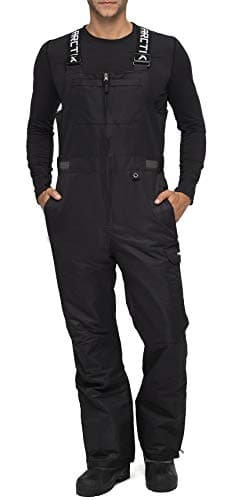
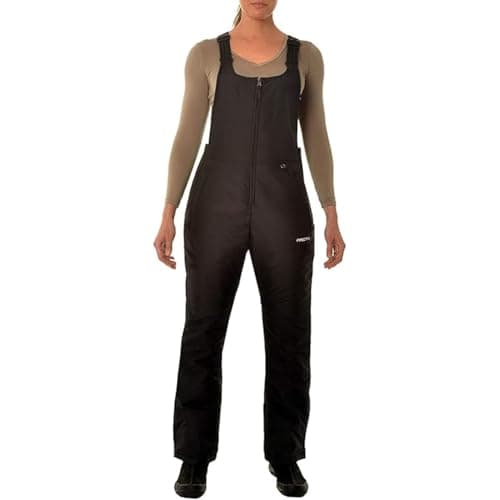
A bib is snow pants with the waistband replaced by a chest panel and straps, and that single change is why it suits beginners, snowboarders and children better than pants do: there is no gap at the lower back to fill with snow when you sit down.
- Ski bibs - compared on published waterproof rating, insulation weight, seam construction and inseam length, which is the specification most makers decline to print.
- Kids’ ski pants and bibs - chosen on ankle reinforcement, because a child’s snow pants almost never wear out in the seat.
The comparison page covers which suits whom, and it is more sympathetic to ordinary pants than this paragraph is.
Budgets, wet days and the parts that get cold
Six pages fill in what the main roundups assume you already know. Ski jackets under $100 compares the budget end on what it publishes rather than what it promises, and winter coat versus ski jacket answers the question most first-timers actually have, which is whether they can wear what they own. Skiing in the rain covers the one condition that finds every shortcut in a kit at once.
For the extremities: the ski sock picks explain why the thin pair is the warm one, cold feet fixes works through the causes in the order they actually happen, and women’s ski gloves covers what a women’s cut changes and when a well-sized unisex glove is the better buy.
One jacket or two layers, and what real cold needs
3-in-1 jackets versus separate layers is the decision most first buyers face, and the answer turns on how often you will actually split the system rather than on warmth.
For the coldest weeks, ski jackets for extreme cold makes the case that the jacket is about a third of the answer, and that wind sealing and the extremities decide the rest.
The layer against the skin
Base layers compared ranks four on the one specification that means the same thing at every brand - published fabric weight in grams per square meter. It explains what the 150, 190 and 250 bands are actually for, why micron rather than weight decides whether wool itches, and how many tops a week really needs depending on the fiber.
The explainer alongside it covers the layering system and the merino-against-synthetic argument in full, and the leg half is the purchase almost everyone forgets.