Guide
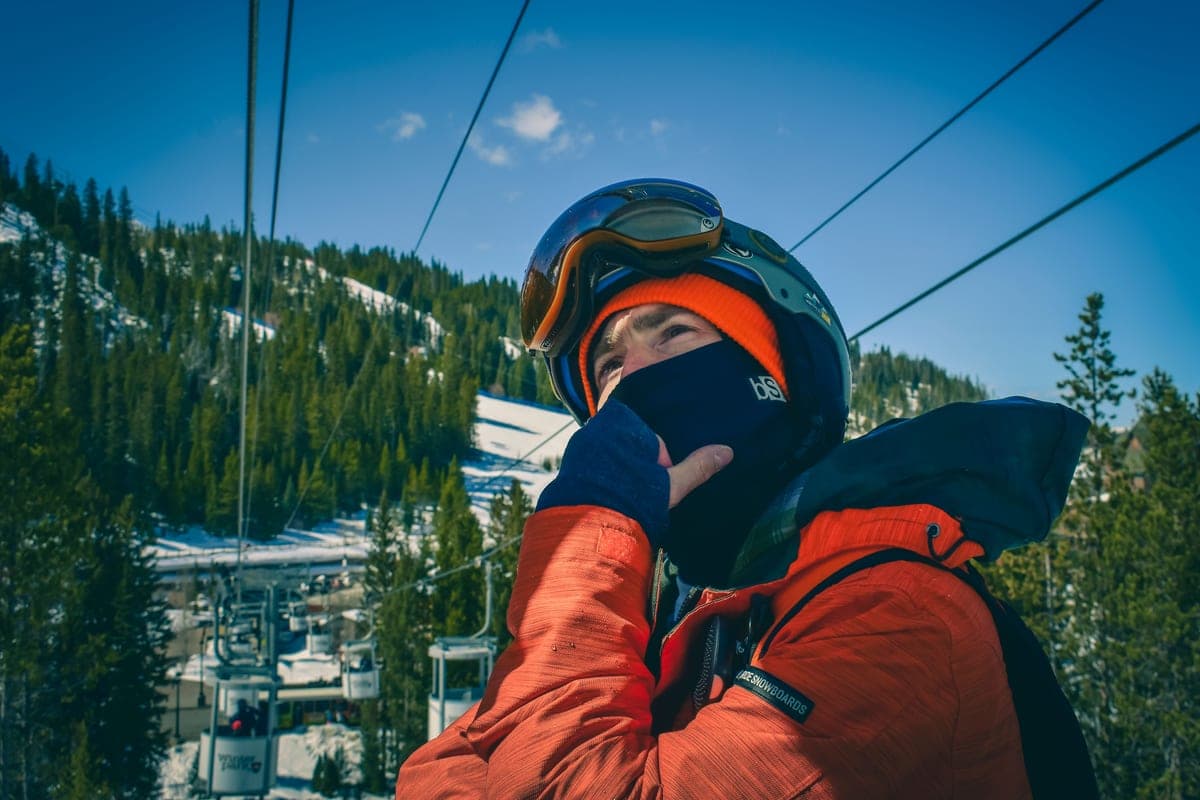
What to wear skiing, from the skin outward
Every layer explained from the skin out, a temperature table from 20F to 50F, and what to do if you own none of it.
What to wear, what to bring, and what the whole thing actually costs, written for a family that has never done this before.
Nothing here has been tested by us. How we pick · Who writes this · How we earn
In this section
Sizing charts and cost arithmetic are free to read and always will be. The ranked picks carry affiliate links.
Guide
Every layer explained from the skin out, a temperature table from 20F to 50F, and what to do if you own none of it.
Guide
A printable checklist grouped by worn, carried and rented, with a separate children's column.
Guide
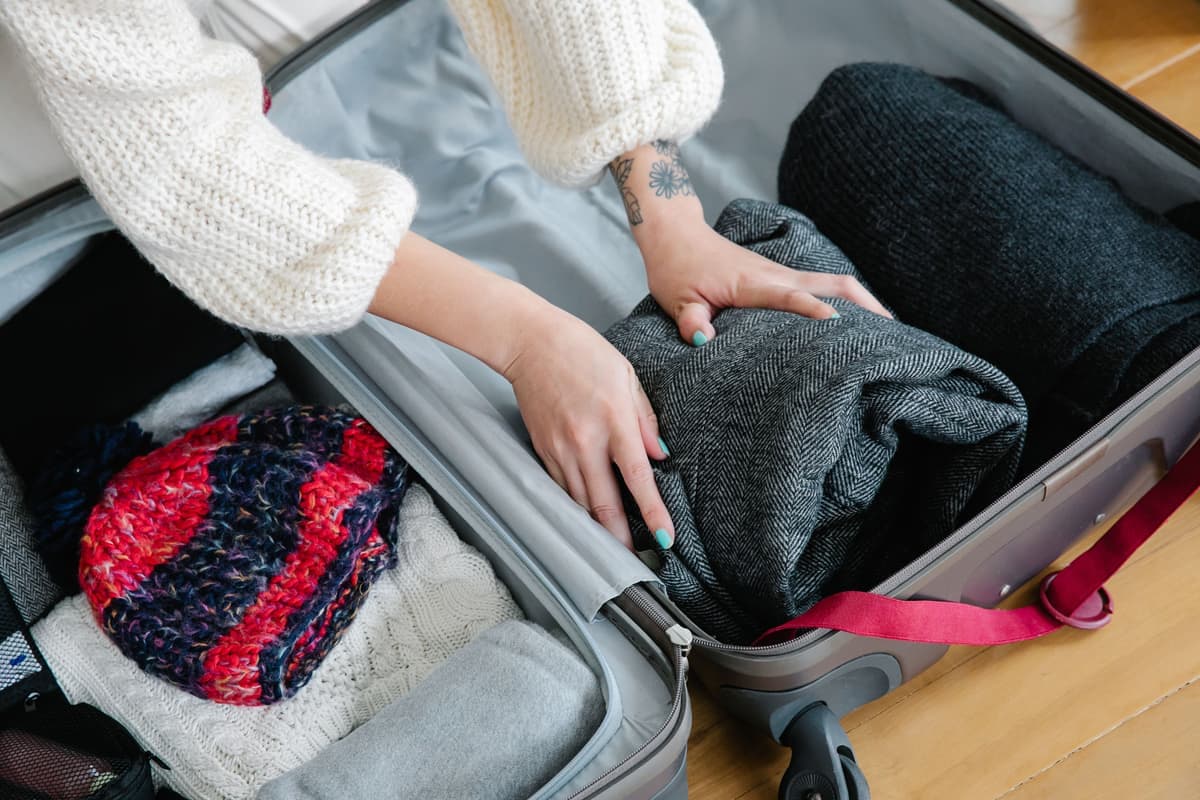
A printable list grouped by mountain bag, room bag and car bag, plus the items families most often forget.
Guide
Jeans, cotton, doubled socks, a scarf and five more: why each fails and the cheap fix for each.
Guide
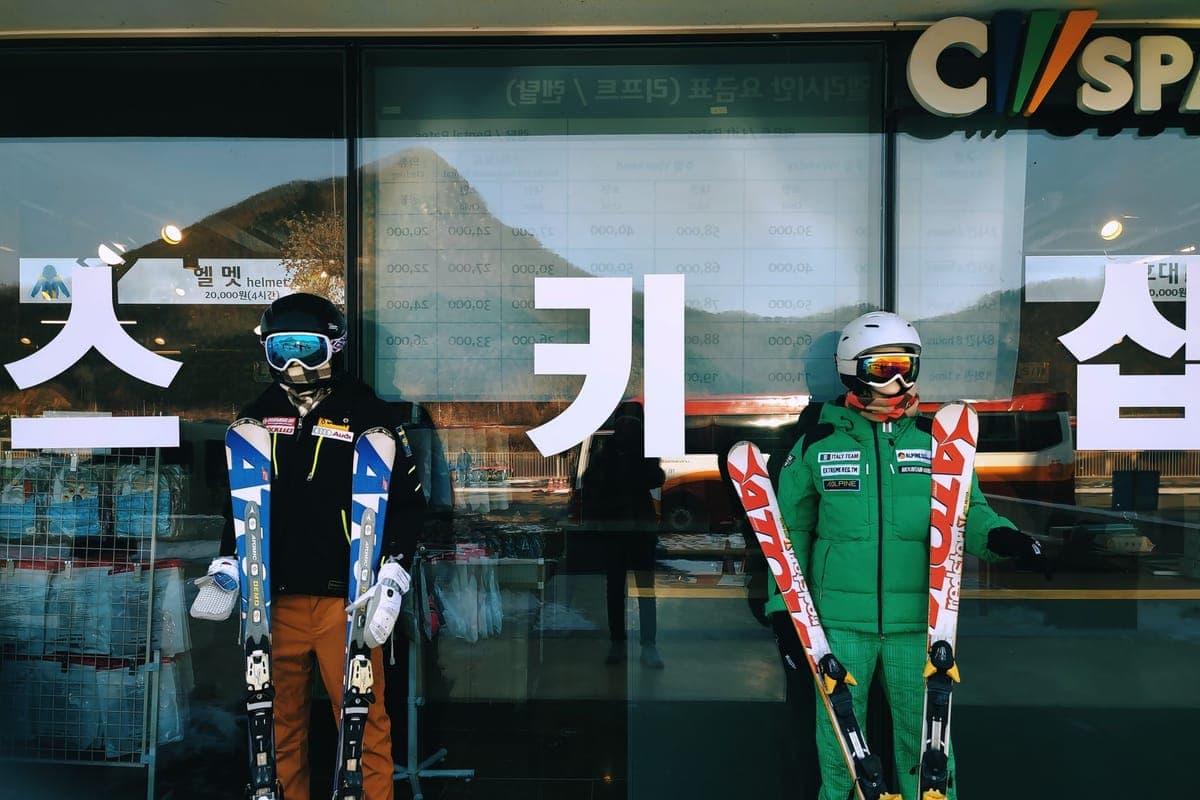
The rental counter walkthrough: the questions they ask, the numbers they set, and the four things you have to own before you arrive.
Guide
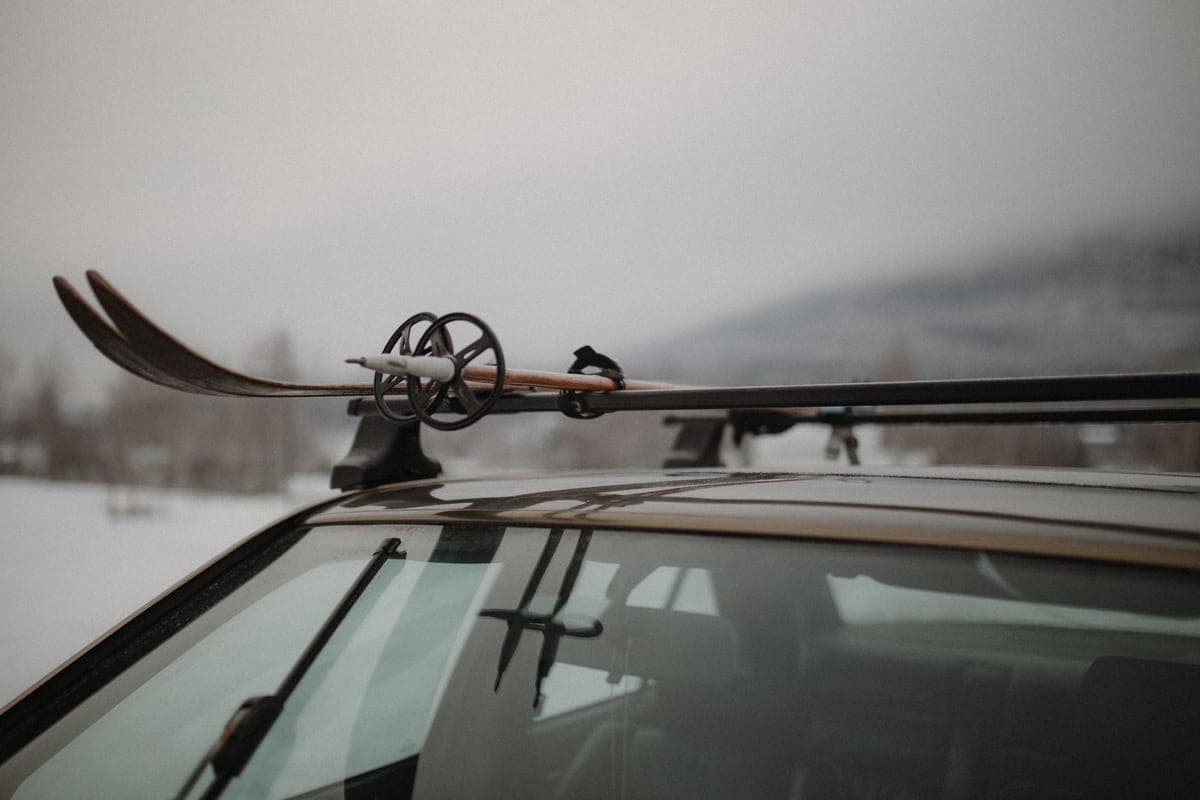
Car racks, roof boxes and airline baggage rules for skis and boots, plus the short list of things that should never leave your hand luggage.
Guide
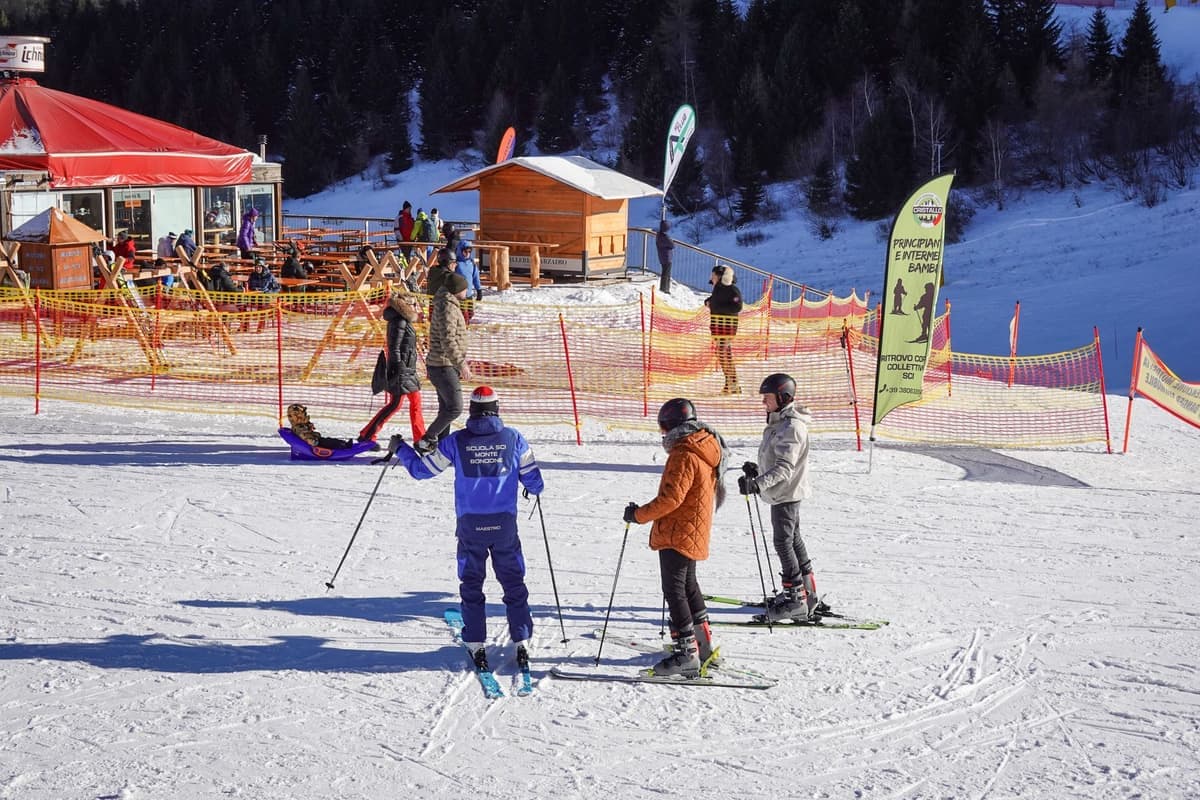
Group against private lessons, how many days to book, what gear the school expects you to own, and why a friend teaching you rarely works.
Guide
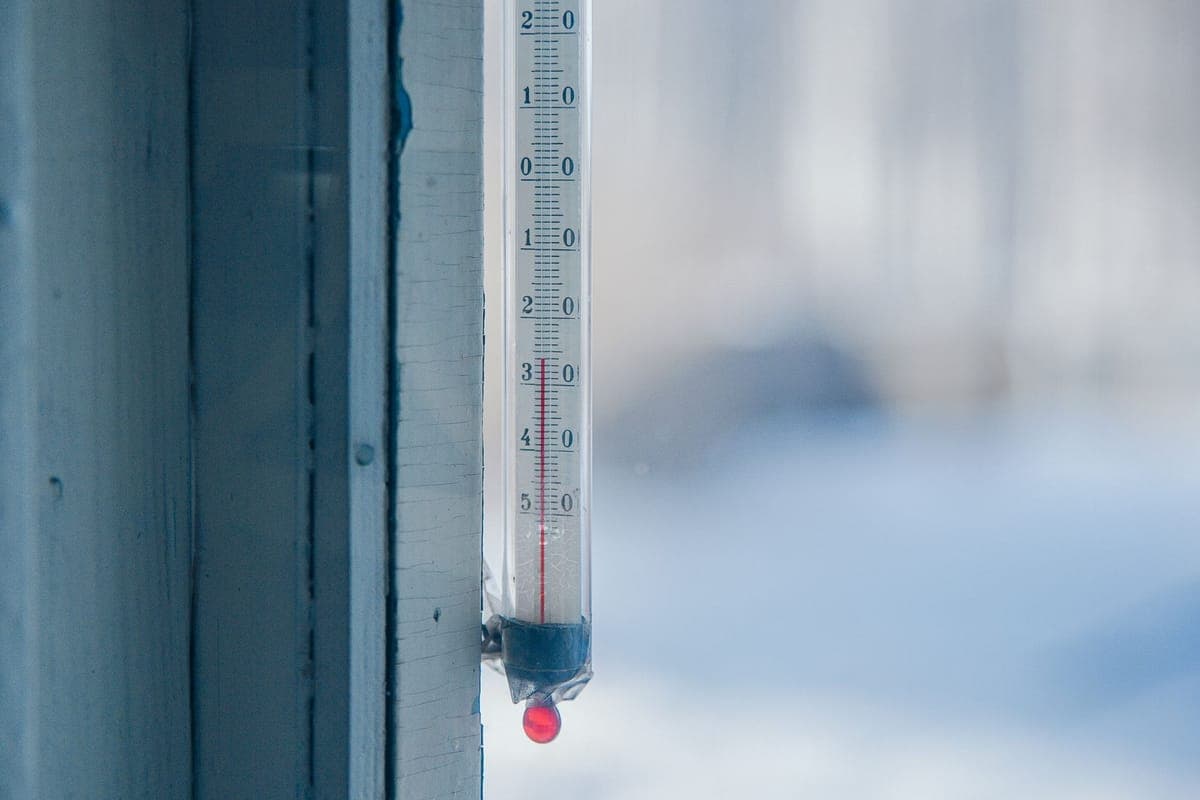
Temperature bands with what to wear at each, why wind chill changes the answer, and the point at which the right call is to stay in.
Guide
What altitude does in the first two days, why snow doubles your sun exposure, and the hydration habit that prevents most afternoon problems.
Best gifts for skiers
Ski and snowboard gifts sorted by price, with the four items that must be fitted in person and should never be bought for someone else.
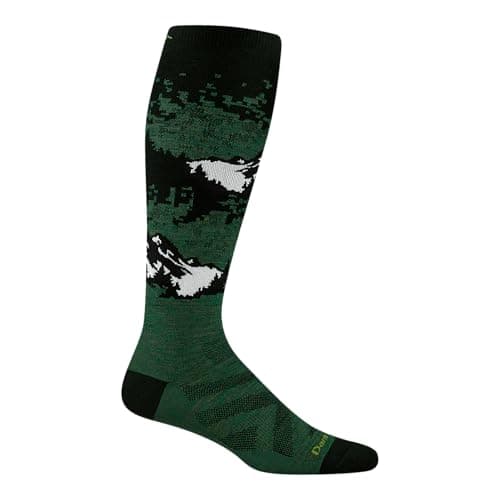
Top pick: Darn Tough Alpine Over-the-Calf Lightweight Ski Socks
Guide
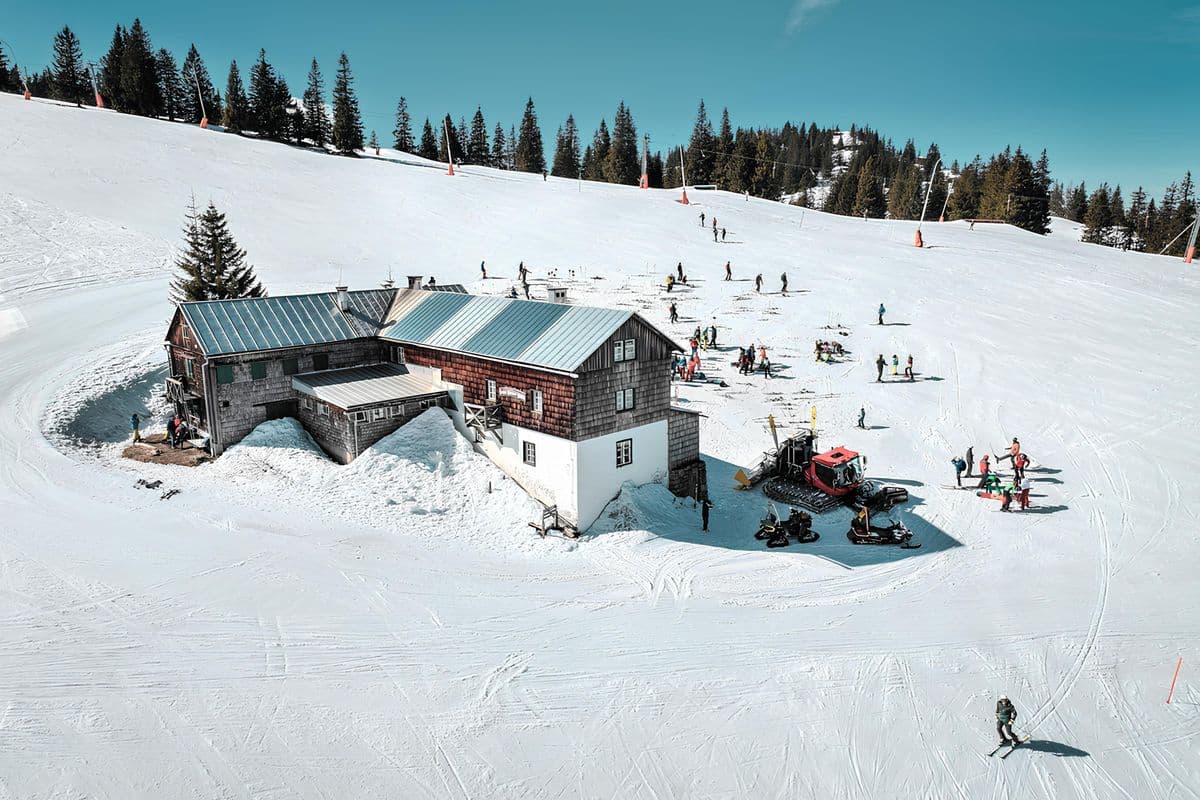
What a first-time skier gets sold and does not need, why each one waits, and the short list that is genuinely worth buying.
Guide
The layering system for a first snowboard day, what differs from skiing, and the protection worth owning on day one.
Guide
A car kit for driving to snow: the safety basics, the parking-lot gear, and the items families forget until they need them.
Guide
A layer-by-layer table for 40F down to below zero, the wind chill adjustment, and what to change for a child.
Best ski-trip car kit
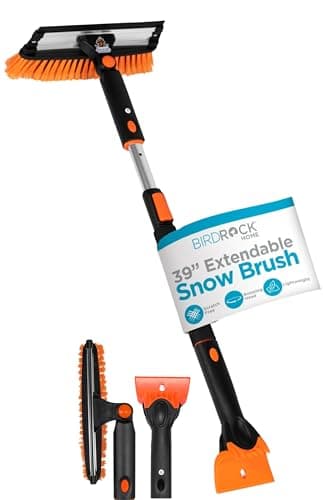
A brush, a shovel and a traction device compared on published length and materials, and the order to buy them in.
Top pick: Snow MOOver 39 in Extendable Snow Brush with Squeegee and Ice Scraper
Guide
Published purchase prices for a full kit, plus a break-even table you run against your own resort's rate.
Best budget kit
Three kits at three price ceilings, built from published prices, with the constraint enforced rather than fudged.
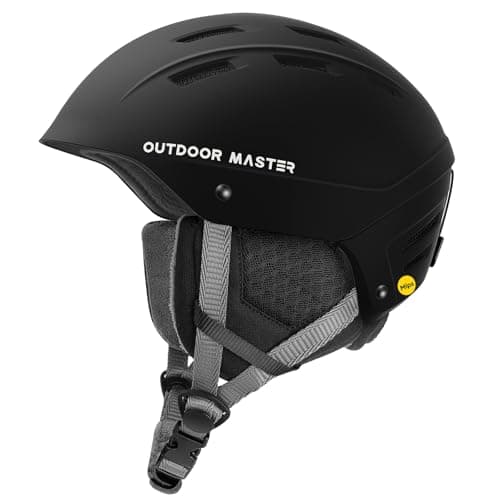
Top pick: OutdoorMaster Kelvin 2 Mips
Prices last verified October 19, 2026. Prices move constantly; the figure on Amazon at the moment you click is the real one.
Ski shops are staffed by people who ski a hundred days a year, and the questions a first-timer needs answered are questions those people stopped asking two decades ago. So you get answers pitched at the wrong level: “you want a shell, not a puffy”, said kindly, by someone who has forgotten that you do not know what a shell is. A shell is a waterproof outer layer with no insulation of its own. Nobody told you, and you did not want to ask twice.
This section exists to answer the questions in the order a family actually hits them, with the jargon explained on first use every single time. There is no assumed knowledge anywhere in it.
For a first trip the list is shorter than the internet suggests. Broken into the three things that decide whether you have a good day:
The honest headline number for a family of four on a first trip is that gear is not the expensive part. Lift tickets and lodging are. But gear is the part people panic-buy in the two weeks beforehand, and panic-buying is how a family spends $1,200 on clothing that gets worn five days.
The cost page lays out every line item with the buying range and the rental range side by side, and the decision page works out the break-even day count for each category. The short version, which we will keep saying throughout this site: rent the skis, buy the helmet, buy the socks, and think hard about everything in between.
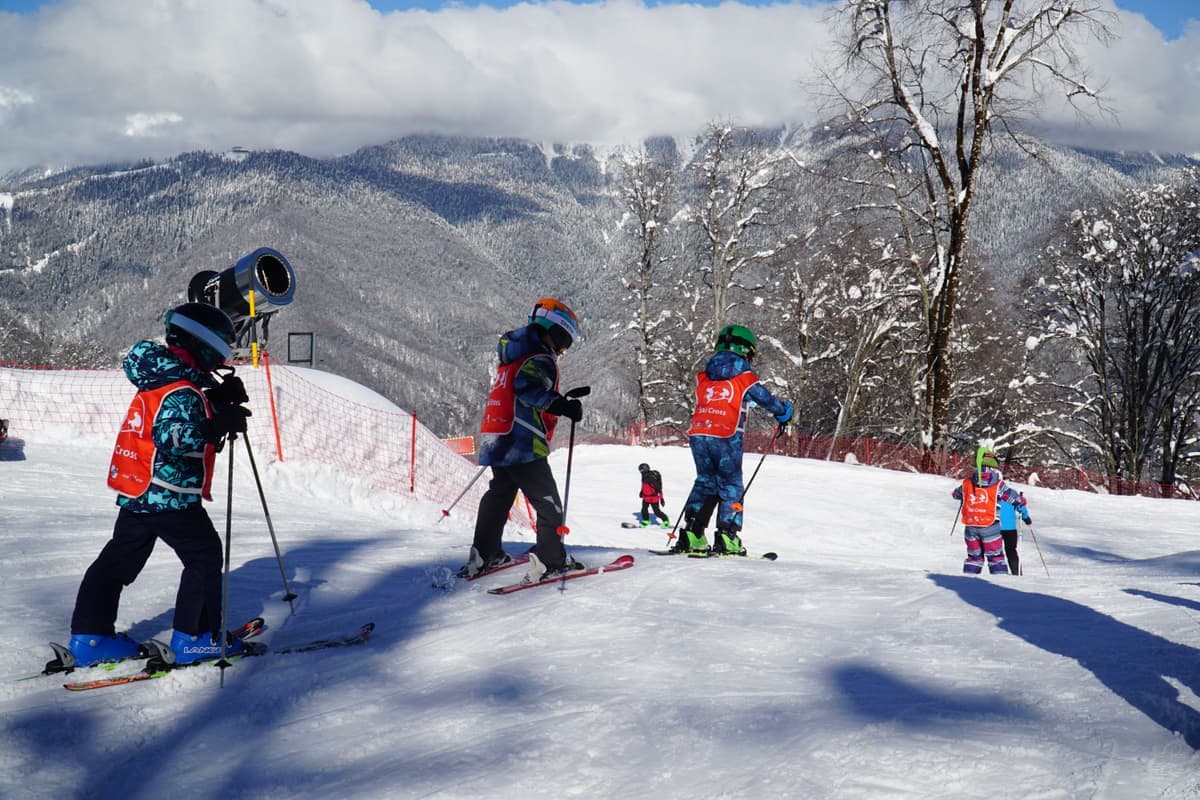
Children change the arithmetic more than anything else, in two directions at once. They outgrow gear on a one-to-two-season clock, which pushes hard toward renting. But children’s rental clothing is often not available at all, and children’s helmets in rental fleets tend to be the most worn items in the building.
The other problem is sizing. You cannot size a child’s helmet by their age, and every brand’s chart is slightly different. That is why this site publishes a helmet size chart you can measure a head against rather than a table of ages, plus the same treatment for ski length and boot size.
If you have a trip booked and four weeks to sort this out, do it in this order. It puts the decisions that take time first and the ones you can make in ten minutes last.
Everyone in this category says they tested twenty helmets. We have not tested any, and we say so. What we do instead is compile the published specifications, read the safety standards the certifications actually refer to, and work out what each item costs your family per day on snow. The whole method is published, including the arithmetic, so you can re-run it with your own numbers.
Ski gear splits into things that have to fit a specific body and things that do not, and the second group makes excellent gifts while the first group makes expensive mistakes. The gift guide sorts them by price and is explicit about the four items - boots, helmets, goggles and skis - that should never be bought as a surprise.
The gear you do not need is the page to read before spending anything. It lists what a first-time skier gets sold and can skip - skis, poles, a roof box, a second goggle lens, heated everything - and the short list that is genuinely worth owning, which is the handful of items that touch your body and cannot be rented well.
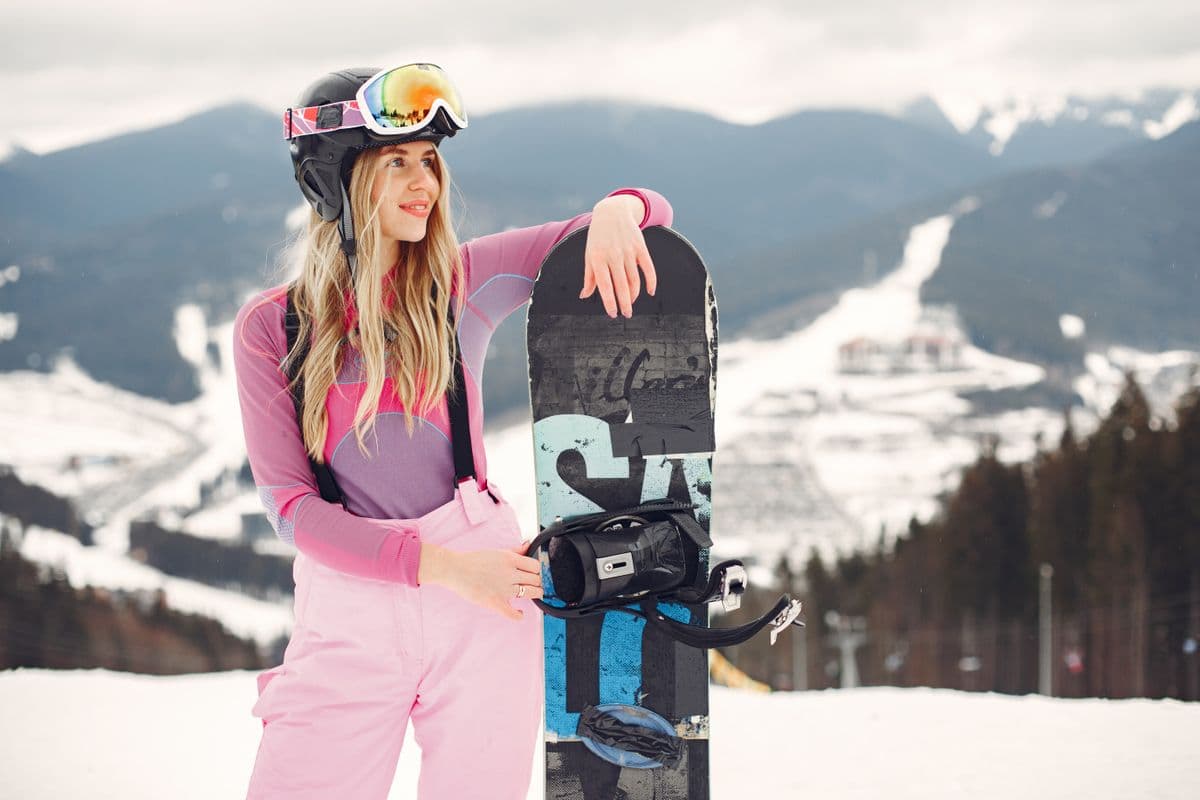
What to wear snowboarding is separate from the skiing version for one reason: you spend day one sitting on snow, which changes what matters about pants, gloves and wrists.
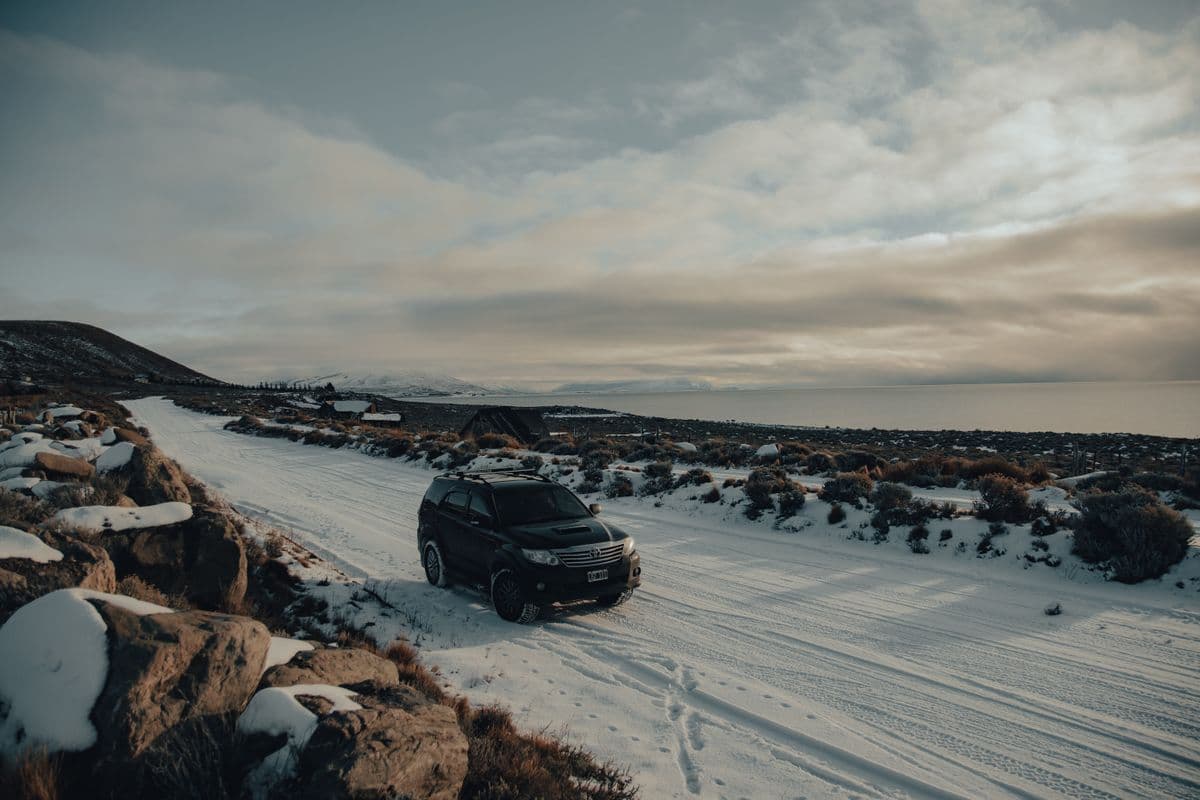
The winter car kit covers the drive and the parking lot - the two parts of a ski trip most likely to go wrong, and the ones nobody packs for on a first season.
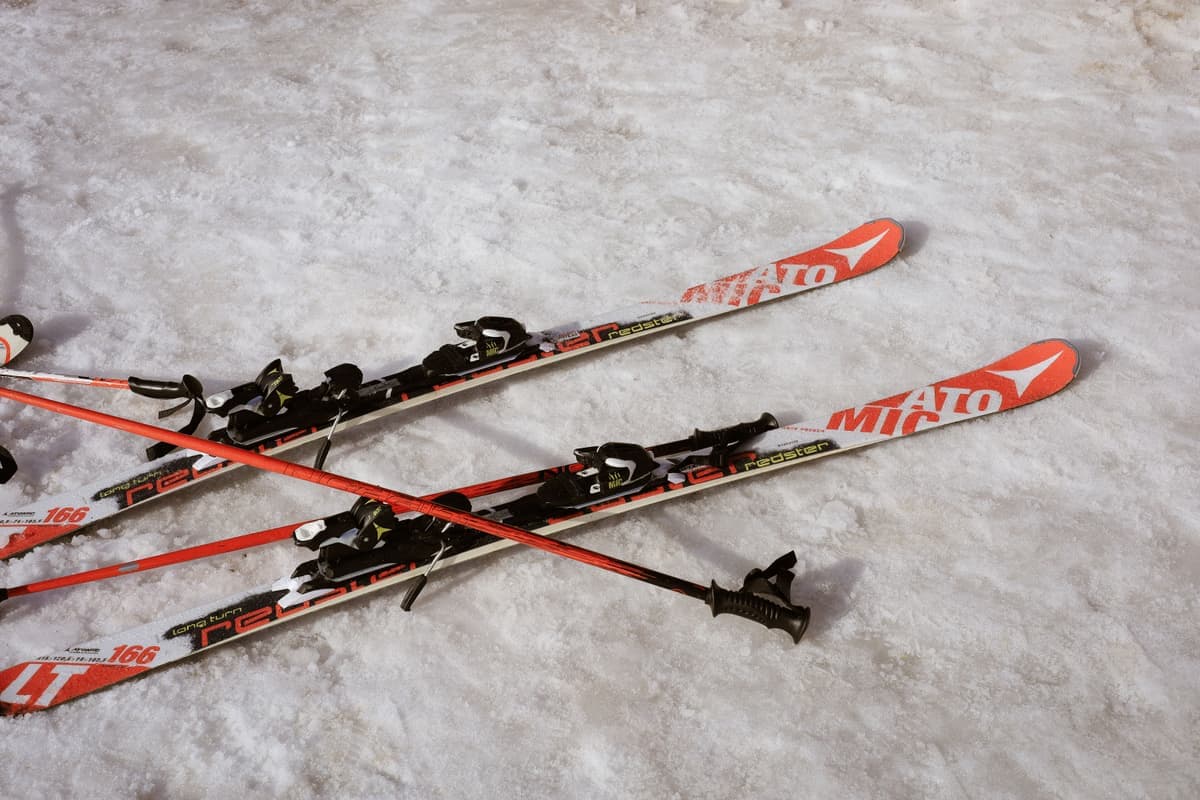
You can rent skis, boots, poles and a helmet at almost every resort. The things you should buy are the ones rentals do not cover well: a non-cotton base layer, ski socks that come above the boot cuff, gloves, and goggles. That is roughly a hundred dollars a person and it is the difference between a good day and a cold, wet one.
A winter coat that is genuinely waterproof will do for a first day. Jeans will not: they soak through in minutes once you sit in snow, and a beginner sits in snow constantly. If you buy one thing for the bottom half, buy waterproof pants.
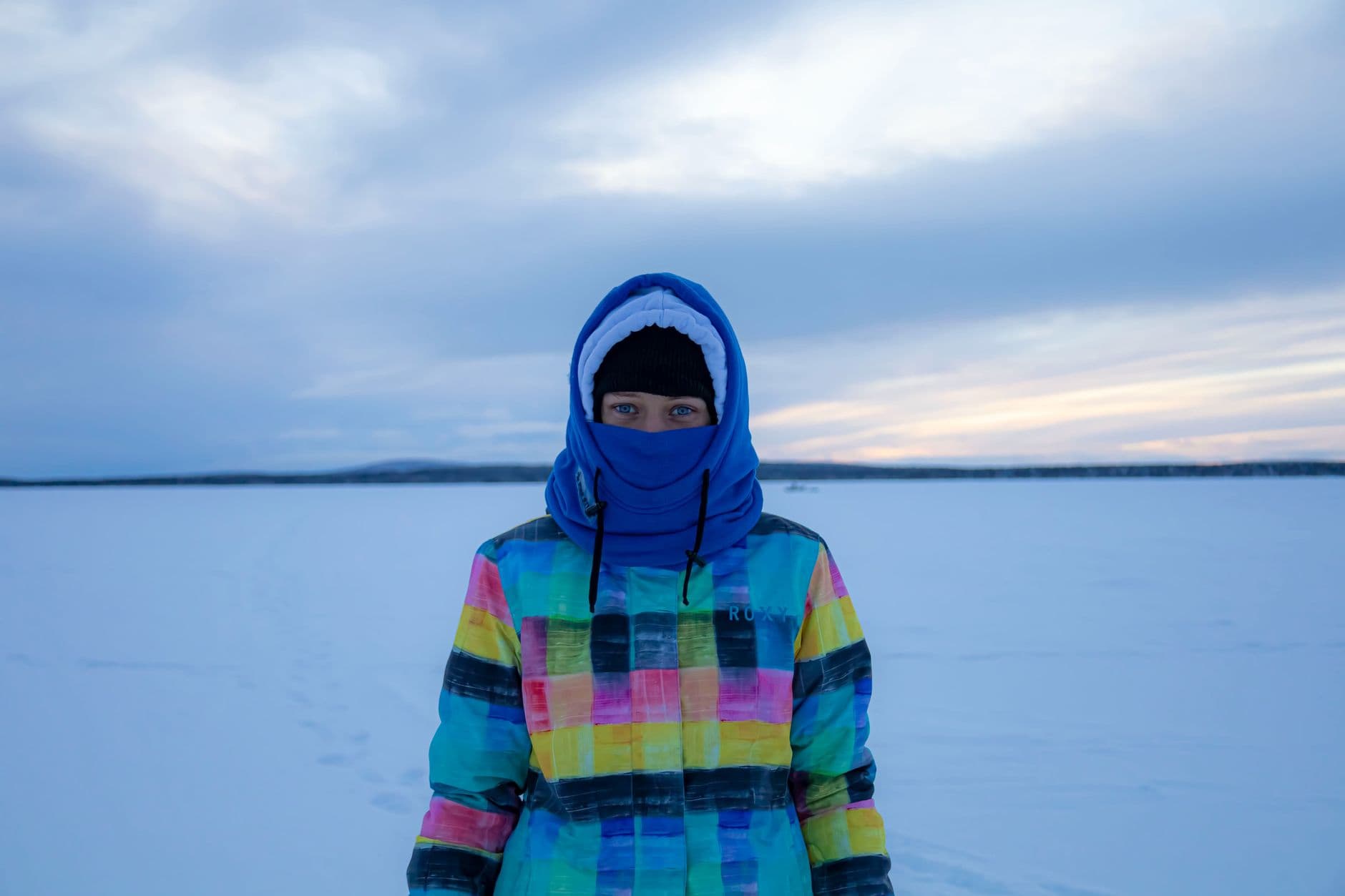
Most family ski days in the US happen between about 20F and 35F, which is far milder than people expect. The temperature-by-temperature layering table is on what to wear skiing. Being too hot is a more common beginner mistake than being too cold, because a first lesson involves more standing still than skiing.
We do not sell lessons and earn nothing either way, so: take the lesson. A beginner who spends the first morning being taught how to stop tends to enjoy the afternoon. A beginner who is taught by a family member tends to spend the afternoon in the lodge.