The best 3-in-1 ski jackets, and when the format is worth it
A zip-out liner turns one purchase into three garments. It is the best value in outerwear for a family, and it has two real drawbacks nobody mentions.
By Sawyer V. · Published
We have not tested this gear. Everything below is compiled from published specifications and published safety standards, and the arithmetic is public so you can check it. This page carries affiliate links: if you buy through one we earn a commission at no extra cost to you, and it does not change the order of the picks. Full disclosure.
The short answer
A 3-in-1 or interchange jacket is a waterproof shell with an insulated inner jacket that zips out, so you get a ski jacket, a rain shell and a warm coat from one purchase. For a family that will wear the pieces at home as well as on the mountain, it is the best value in outerwear. The two catches: the combined jacket is bulkier than a dedicated one, and the inner layer is usually the weakest part of the system.
| # | Pick | Best for | Score | Price |
|---|---|---|---|---|
| 1 | Wantdo Men's 3-in-1 Ski Jacket A wet-snow resort at a price that does not assume a season pass | Not publishedon snow | 3.8/10 | $59.97 - View on Amazon |
| 2 | Columbia Whirlibird V Interchange Jacket One jacket that has to work on the mountain and at home | $10 a dayon snow | 3.2/10 | $250.00 - View on Amazon |
| 3 | Columbia Boys' Whirlibird III Interchange Jacket A child who will wear the shell to school for two more winters | $15.50 a dayon snow | 1.9/10 | $155.00 - View on Amazon |
Prices last verified October 19, 2026. Prices move constantly; the figure on Amazon at the moment you click is the real one.
What the format actually is
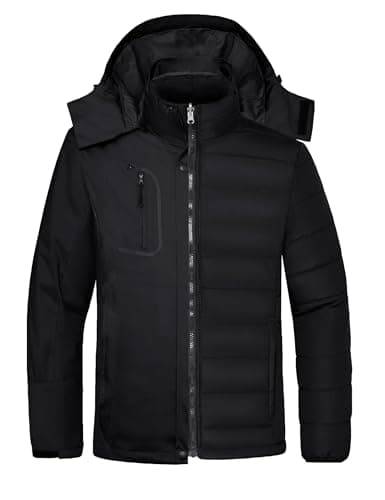
Three garments in one purchase. An outer waterproof shell, an insulated inner jacket, and the two zipped together for the coldest days. Brands call it interchange, 3-in-1, or a system jacket, and the mechanism is a zip and usually a few snap tabs at the cuffs and collar.
The reason it is good value for a family is nothing to do with skiing. It is that the inner jacket is a normal warm coat that a child will wear to school for two more winters, and the shell is a rain jacket for the rest of the year. A dedicated insulated ski jacket is worn five days a year and then hangs in a cupboard.
Who this format suits
| Situation | Better choice | Why |
|---|---|---|
| Family who will wear the pieces at home | 3-in-1 | Three garments for one price |
| A growing child | 3-in-1 | The shell fits longer than the liner; layers extend the life |
| Very cold, dry resorts | 3-in-1 | Full system for January, shell alone in spring |
| One trip a year, never worn otherwise | Dedicated insulated | You pay for versatility you will not use |
| Warm and wet spring skiing | Dedicated shell | You will never zip the liner in |
| High-output touring | Dedicated shell | The system is heavier and bulkier than a shell |
The two drawbacks, stated properly
Every page about this format on the internet lists the advantages. Here are the parts that get left out:
- Bulk. Two separate garments zipped together are always bulkier and heavier than one purpose-built insulated jacket with the same warmth, because you are carrying two collars, two hems, two sets of cuffs and two zips. On the mountain that reads as restricted arm movement, which children notice more than adults.
- The liner is the compromise. The inner jacket in most systems is a basic fleece or a lightly filled shell. It is rarely as warm or as well-finished as a standalone mid layer at the same price, and it is the part that decides whether the “three garments” claim is honest for your household. Look at the liner first; if you would not wear it on its own, you are buying a two-in-one.
What to check on a 3-in-1 before you buy
- Does the liner have its own hood, cuffs and pockets? That is the difference between a garment and a lining.
- Does the shell work alone? Some shells look unfinished with the liner out. If the shell has no pockets of its own, it is not a rain jacket.
- How does it zip together? A full-length two-way zip plus snap tabs holds properly. A short zip at the collar only means the liner rides up.
- Seam sealing on the shell. Fully sealed, critically sealed or untaped, and makers publish which. Why that matters more than a millimeter rating is on its own page.
- Vents. Because you will be too warm with both layers on more often than you expect.
- Powder skirt and adjustable hood. Both live on the shell in a proper system, not the liner.
For children, this format is close to unbeatable
Two reasons, and they compound. First, a child grows out of a jacket long before they wear it out, so getting a school coat and a rain shell out of the same purchase changes the arithmetic on the whole thing. Second, a shell fits for longer than an insulated jacket does, because there is room to add a layer under it in the second season instead of buying a bigger coat.
The buying rule for a growing child is the same one we give everywhere: size up the shell one size, not two, and do not size up the liner at all if you can avoid it. What you can and cannot buy big goes through it item by item, and our kids jacket picks include both interchange and dedicated options with the published figures for each.
The hand-me-down bonus
An interchange system splits, which means it hands down as two garments to two different children in two different years. That is a genuine and rarely mentioned advantage over a single insulated jacket, and for a household with more than one child it is worth real money.
Using it properly once you own one
The point of a system is that you actually change it. Most people zip it together in December and never take it apart, which wastes the entire feature.
- Below about 20F: both layers, plus a proper base layer underneath.
- 20F to 35F: usually shell plus base layer plus a mid layer, with the liner left at the hotel. Skiing generates a lot of heat.
- Above 35F, or spring sun: shell alone.
- Evenings and travel days: the liner alone, as a normal coat.
What actually keeps you warm is the layer against your skin doing its job, not the outer shell. The base layer page is the one that matters most here, and the full what-to-wear page puts the whole outfit together by temperature.
Lastly: wash the two parts separately. Washing them zipped together is how the liner never gets properly rinsed, and detergent residue in a liner is what makes it smell by February.
Every pick, with the working
Each entry shows the published inputs, the axis scores they produce, and what you give up. The order is the computed order, not a commercial one, and the arithmetic is open underneath each score.
1 · A wet-snow resort at a price that does not assume a season pass
Wantdo Men's 3-in-1 Ski Jacket
Publishes a 10,000 mm waterproof rating, which is a genuine resort-day figure and more than three times what the budget snow pants on this site publish. It is also the only jacket here that names a membrane rather than a coating.
- Published price
- Not published
- Cost per day on snow
- Not published
- Amortized over
- 5 seasons (25 days)
- Certified to
- Not published
- Waterproof rating
- 10,000 mm
- Published sizes
- S through XXL
- Warranty
- No term published on the product page
Wantdo lists this jacket across a price range that varies by colorway and size rather than publishing a single MSRP, so the cost-per-day axis is not scored.
What it gets right
- Publishes 10,000 mm, a number most brands at any price decline to state
- Names a microporous TPU membrane rather than a surface coating
- Three-in-one construction with a zip-out fleece liner
What you give up
- No single published price, so cost per day cannot be computed in advance
- Seam construction is not published, and seams leak before fabric does
The working behind the 3.8
- Cost per day on snow: not scored
- No manufacturer-published price, so this axis is not scored.
- Published protection: 4.5
- 10,000mm waterproof rating (2.5 of 6); seam sealing not published (+0); insulation or shell construction published (+2)
- Size availability: 6.8
- 5 published sizes (6.8 of 8.5); no continuous adjuster published (+0); range: S through XXL
- Warranty and support: 0.0
- no published term (0 of 6); no published crash replacement (+0); no published repair route (+0)
Axes with unpublished inputs are dropped and the remaining weights re-normalized, so a product is not punished for a manufacturer’s silence. Specifications compiled September 3, 2026 from Wantdo published specifications.
2 · One jacket that has to work on the mountain and at home
Columbia Whirlibird V Interchange Jacket
Skip this one. Not a skip on quality, and it is the pick we would own. The skip is for one buyer: if this is a one-trip-a-year jacket that will never be worn at home, $250 for a system whose inner layer stays in the bag is the wrong shape and a cheaper insulated jacket wins.
Two jackets in one: a waterproof shell and a zip-out insulated liner that each work alone. For a family that skis one week a year and spends the other fifty-one weeks in a cold parking lot, that is genuinely two purchases avoided.
- Published price
- $250
- Cost per day on snow
- $10 a day
- Amortized over
- 5 seasons (25 days)
- Certified to
- Not published
- Waterproof rating
- Not published
- Published sizes
- S through XXL
- Warranty
- No term published on the product page
What it gets right
- Three-in-one construction, so the shell and the liner are each usable on their own
- Omni-Tech waterproof-breathable fabric with critical seams sealed
- Sold in five sizes with regular, big and tall variants
What you give up
- Columbia publishes no hydrostatic-head figure, so its waterproofing cannot be compared numerically against a rated jacket
- Critical seams are sealed rather than every seam
- $250 is the most expensive item in this ledger apart from the skis
The working behind the 3.2
- Cost per day on snow: 3.7
- $250 over 5 seasons at 5 days each = 25 days = $10 a day
- Published protection: 2.0
- no published waterproof rating (0 of 6); critically taped or untaped seams (+0); insulation or shell construction published (+2)
- Size availability: 6.8
- 5 published sizes (6.8 of 8.5); no continuous adjuster published (+0); range: S through XXL
- Warranty and support: 0.0
- no published term (0 of 6); no published crash replacement (+0); no published repair route (+0)
Axes with unpublished inputs are dropped and the remaining weights re-normalized, so a product is not punished for a manufacturer’s silence. Specifications compiled September 3, 2026 from Columbia published specifications.
3 · A child who will wear the shell to school for two more winters
Columbia Boys' Whirlibird III Interchange Jacket
The children's three-in-one. It costs $65 more than the single-layer Alpine Action II and its real argument is that the shell alone still fits after the liner stops being warm enough, which buys a season.
- Published price
- $155
- Cost per day on snow
- $15.50 a day
- Amortized over
- 2 seasons (10 days)
- Certified to
- Not published
- Waterproof rating
- Not published
- Published sizes
- XXS through XL youth
- Warranty
- No term published on the product page
What it gets right
- Shell and thermal-reflective liner each wearable alone
- Omni-Tech waterproof-breathable fabric
- Five youth sizes
What you give up
- $155 for a garment on a two-season growth clock is $15.50 a day on snow
- No hydrostatic-head figure published
The working behind the 1.9
- Cost per day on snow: 0.0
- $155 over 2 seasons at 5 days each = 10 days = $15.50 a day
- Published protection: 2.0
- no published waterproof rating (0 of 6); critically taped or untaped seams (+0); insulation or shell construction published (+2)
- Size availability: 6.8
- 5 published sizes (6.8 of 8.5); no continuous adjuster published (+0); range: XXS through XL youth
- Warranty and support: 0.0
- no published term (0 of 6); no published crash replacement (+0); no published repair route (+0)
Axes with unpublished inputs are dropped and the remaining weights re-normalized, so a product is not punished for a manufacturer’s silence. Specifications compiled September 3, 2026 from Columbia published specifications.
Prices last verified October 19, 2026. Prices move constantly; the figure on Amazon at the moment you click is the real one.
Questions people actually ask
Are 3-in-1 ski jackets worth it?
For a family who will wear the pieces off the mountain, yes: you get a ski jacket, a rain shell and a warm coat from one purchase. If the jacket will only ever be worn on one ski trip a year, you are paying for versatility you will not use and a dedicated insulated jacket is better value.
What does 3-in-1 or interchange actually mean?
A waterproof outer shell and an insulated inner jacket that zip together. That gives you three configurations: shell alone for wet mild days, liner alone as a normal coat, and both together for cold days on the mountain.
Are 3-in-1 jackets warm enough for skiing?
With both layers and a proper base layer underneath, yes, for normal resort conditions. The variable is the liner: some systems ship a genuinely warm inner jacket and some ship a thin fleece. Judge the liner on its own before you judge the system.
Is a 3-in-1 jacket good for a growing child?
It is close to the ideal format. The shell fits for longer because you can add a layer under it next season, the liner works as a school coat, and the two halves can hand down separately to different children in different years.
Can you wear just the shell of a 3-in-1 jacket?
That is the point of the format, but check before buying: some shells have no pockets or finished cuffs of their own and look unfinished without the liner. A well-designed shell works as a standalone rain jacket.