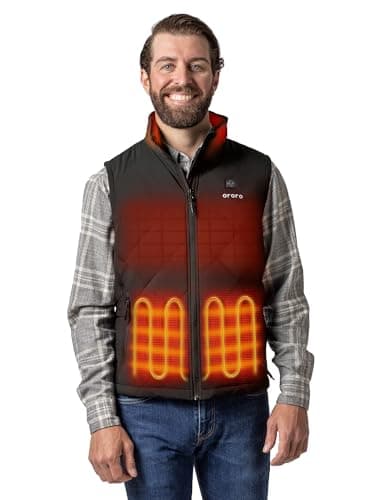
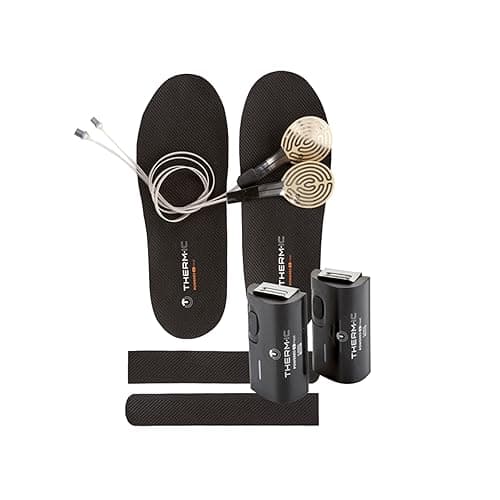
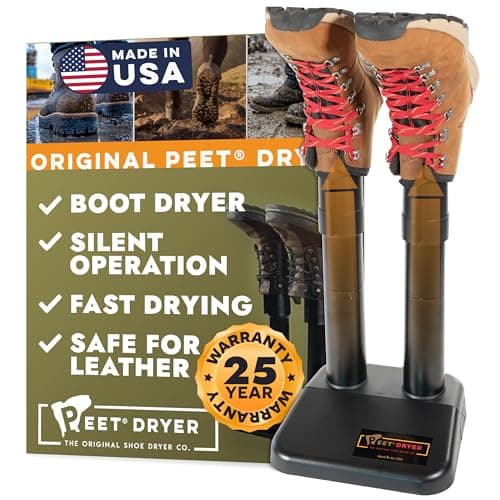
Three heated vests compared on published heating zones, run time by setting, battery capacity and weight, with the layering rule that decides which fits.
Why hands go cold, the free fixes that work first, and when a mitten or a liner is the right purchase.
Prices last verified October 22, 2026. Prices move constantly; the figure on Amazon at the moment you click is the real one.
Almost none of this is necessary
That sentence is the reason this section exists. Accessories are where a ski shop makes its margin and where a first-time family spends money it did not need to spend, because everything on the wall by the till looks like a solved problem you did not know you had. So the job of this hub is to sort a long catalog into three short lists: the things that genuinely improve a day, the things that solve a problem you may not have, and the things you should walk past.
The first list is short. A bag that keeps wet boots away from dry clothes. A way to carry skis that does not involve dropping them in a parking lot. Water you can actually drink at the top of a lift. Something to warm hands on the one day a season that is genuinely brutal. That is more or less it, and none of it is expensive.
Carrying is the problem accessories mostly solve
Ski equipment is awkward in a way that is hard to appreciate until you are in a parking lot with two children, four boots, two pairs of skis, four poles and a bag. Almost every accessory in this section is a different answer to that one problem, at a different point in the journey.
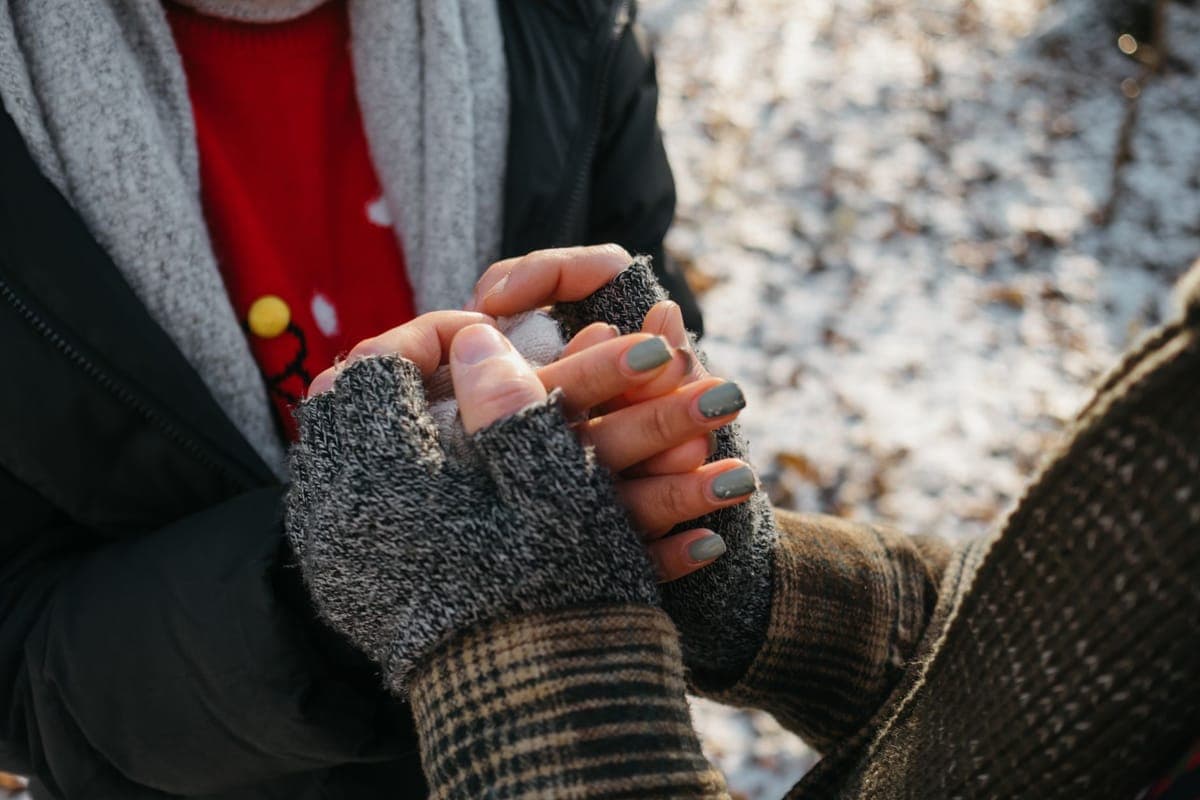
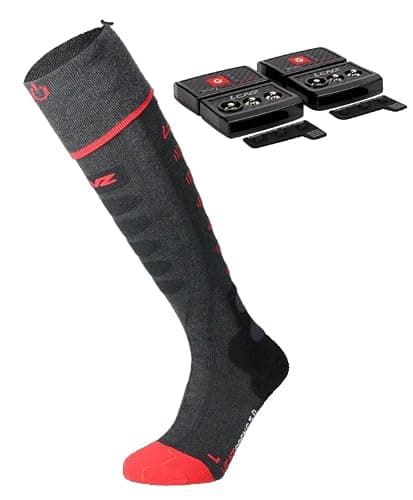
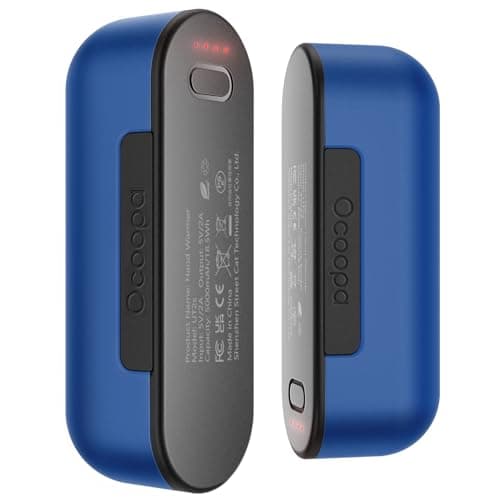
Hand warmers, heated socks, heated gloves and battery insoles are the fastest growing part of this category and the one where we are most likely to tell you to buy nothing. The reason is that almost every cold-hands problem has a cause upstream of the warmth: a glove that is too big, a boot buckled too tight, a base layer that is soaked, or a body that is simply losing heat faster than it is making it.
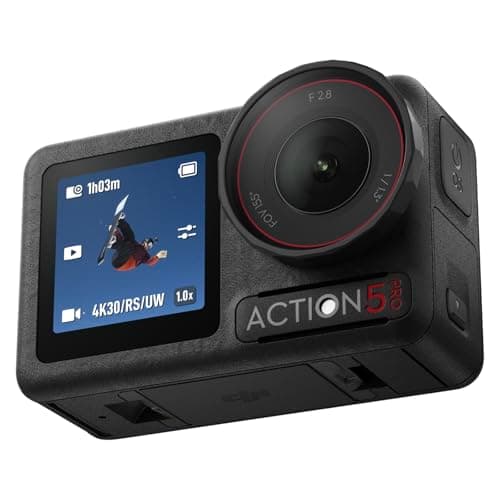
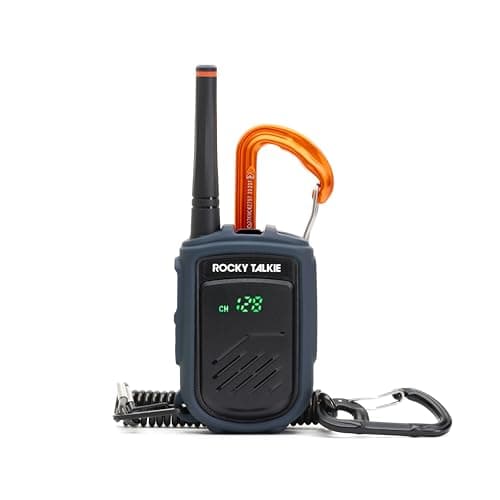
Every family discovers the same thing on the same day: a phone that reads as fully charged shuts down under load below freezing, and it does it at the exact moment somebody is trying to find everybody else. That is a battery chemistry problem rather than a fault, and it has practical answers involving where you carry it rather than what you buy. The page on that is here, along with what actually happens to action cameras and gloves and touchscreens.
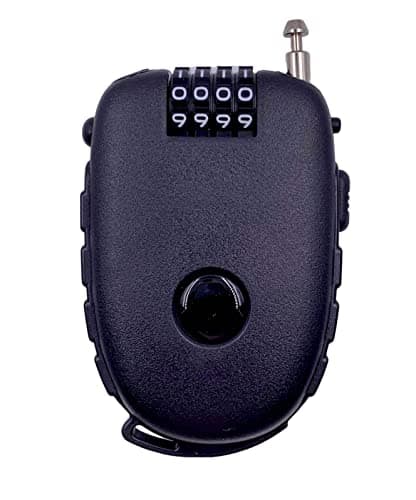
Skis left in a rack outside a mountain restaurant are the single most stolen item in the sport, and a cable lock costs less than a lift ticket and takes ten seconds. The page on locks and gear theft covers the habits that matter more than the lock itself, including the free one that experienced skiers do without thinking about it.
What to skip
Anything sold as a solution to a problem you have not had yet. Go once, find out what actually annoyed you, then buy that one thing.
A hydration bladder for a resort day. The tube freezes. An insulated bottle in the pack does not.
A second full jacket for the mountain. The waterproof winter coat you already own is the mountain coat.
Everything in this section sits below the real costs of skiing, which are lift tickets, lessons and getting there. The cost page puts the whole thing in proportion before you spend anything here.
And where it all lives between trips
The last accessory problem is not carrying gear, it is putting it down. A garage is the default and it is the worst place for two of the four things you own. The home storage page covers the rack types, where each item should actually live, and the two storage mistakes that quietly cost real money over a summer.
Warmth that works, and getting there
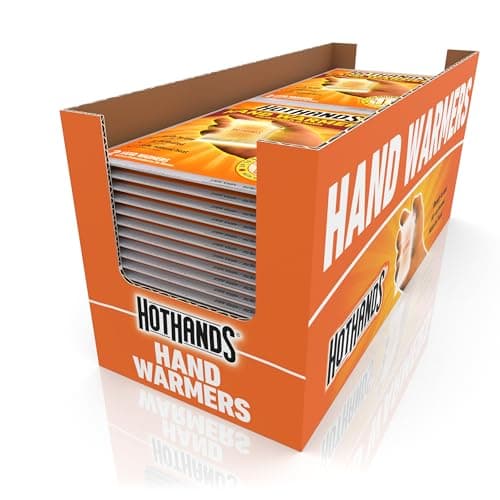
Three pages here, and two of them argue you should probably buy less. Hand warmers is the clearest specification on the site - every variant publishes a duration - and heated socks compares published runtime at the setting you would actually use, after listing the four causes of cold feet that no battery fixes. Then car ski racks, where the purchase decision is really about whether your car has usable crossbars at all.
Warm hands and a way to carry it all
Two more purchases at opposite ends of the price range, added because the questions kept arriving on pages that were not about them.
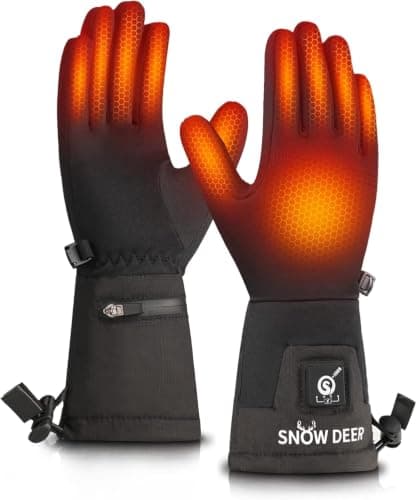
Heated ski gloves and mittens - compared on published run time on the low setting, which is the only figure that matters, plus the free fixes worth trying first.
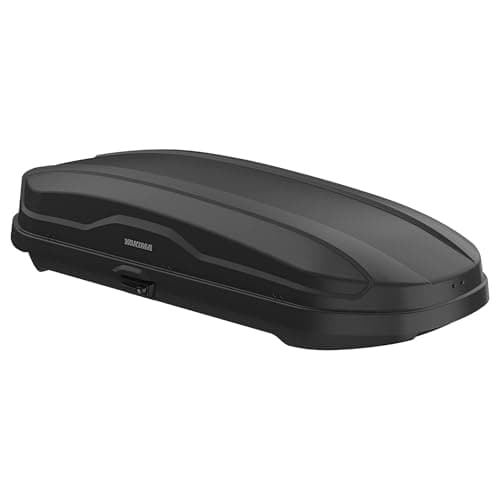
Roof boxes - and the published maximum ski length that rules one of them out for adult skis regardless of how many liters it holds.
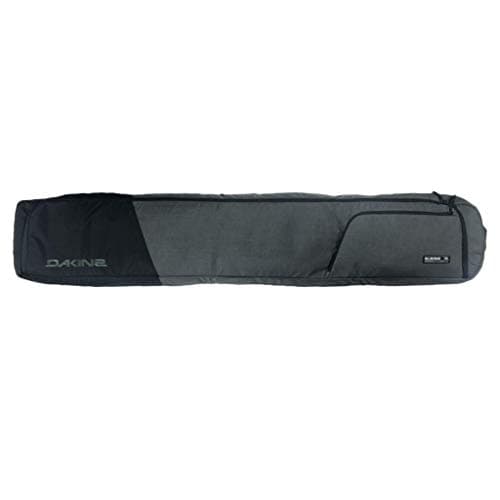
Ski bags compared ranks four travel bags on the two published numbers that decide the purchase: the length options, which settle whether your skis fit at all, and the empty weight, which settles how much gear you can pack before an airline charges you. The hard case on that page weighs more than fifteen pounds before anything goes in.
The bags guide alongside it is the explainer version - which of the four bag types a family actually needs, and why the boot bag is usually the first one to buy.
The cheapest thing on this page
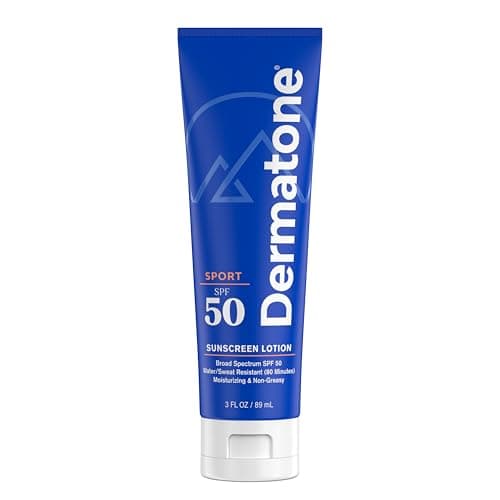
Sunscreen for skiing compares four on published SPF, active ingredients and the 40- or 80-minute water-resistance claim that is the only one a maker is allowed to print. It also covers the five places reflected light actually burns - the underside of the nose, the lips, the ears, the goggle gap and the neck under the jaw - and why a four-dollar lip balm is the highest-value sun purchase a skier makes.
Questions people actually ask
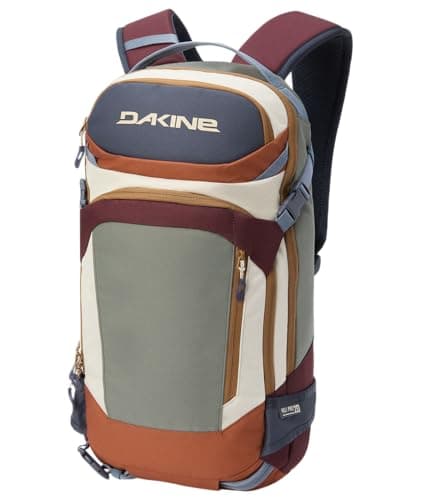
Do I need a backpack for a day of skiing?
Not for a lift-served day at a resort with a lodge you return to. A pack earns its place when you are carrying layers for children, water for a group, or when your day involves walking. It is also the thing most likely to be uncomfortable on a chairlift, so it is a genuine trade rather than an upgrade.
Are heated gloves and socks worth it?
Only after the upstream causes are fixed. A loose glove, a boot buckled too tight and a soaked base layer all cause cold extremities and none of them is solved by adding heat. If those are genuinely sorted and the hands are still cold, heated gear works. Disposable warmers publishing up to 10 hours are the cheap version and are enough for most families.
What should I put in a ski day pack?
Water, food, one spare layer, sunscreen, a spare pair of gloves for any child in the group, and a phone kept warm against your body rather than in an outer pocket. Everything else is optional. The most common mistake is carrying a full change of clothes that never comes out of the bag.
Do ski bags count as extra baggage on a plane?
Several major US carriers now count a ski or snowboard bag plus a boot bag as one checked item under the standard allowance rather than as surcharged sporting goods. Policies differ by carrier and route, so check the airline you are actually flying rather than assuming.
How do I stop my skis being stolen?
A cable lock through the bindings takes ten seconds and costs less than a lift ticket. The free habit that works nearly as well is splitting a pair between two racks, so nobody can walk off with a usable set, and never leaving skis unattended where you cannot see them from a table.