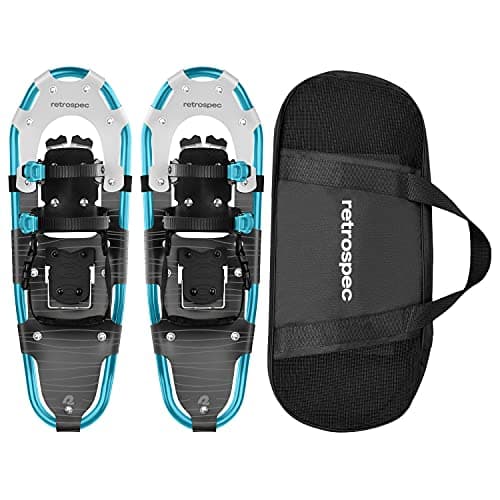
Best snowshoes
The best snowshoes, sized on published load rather than guesswork
Three pairs from $149 to $204.95, sized against published load bands, plus what a family needs to start.
Top pick: Retrospec Drifter Snowshoes
Snowshoes, sleds and skates: the winter gear that costs a fraction of skiing and gets used a lot more often.
Nothing here has been tested by us. How we pick · Who writes this · How we earn
In this section
Sizing charts and cost arithmetic are free to read and always will be. The ranked picks carry affiliate links.
Best snowshoes
Three pairs from $149 to $204.95, sized against published load bands, plus what a family needs to start.
Top pick: Retrospec Drifter Snowshoes
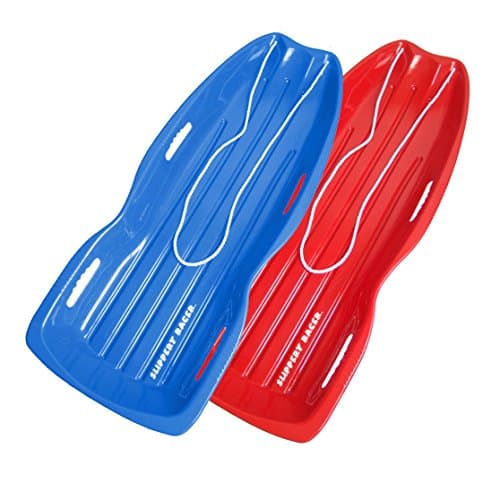
Best family sled
Three sleds compared on published capacity and steering, plus the hill-choosing rules that matter more than the sled.
Top pick: Slippery Racer Downhill Xtreme Toboggan
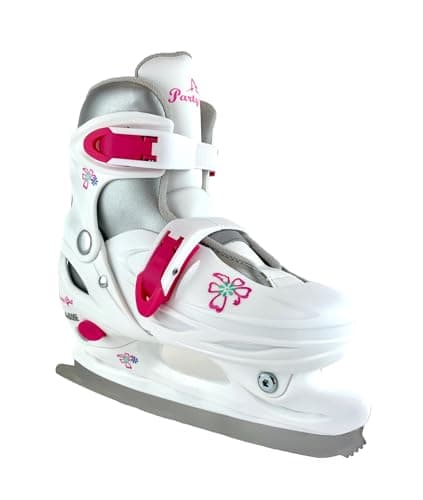
Best kids' skates
Three adjustable skates with published size bands, figure against hockey blades, and how to size one properly.
Top pick: American Athletic Party Girl Adjustable Figure Skates
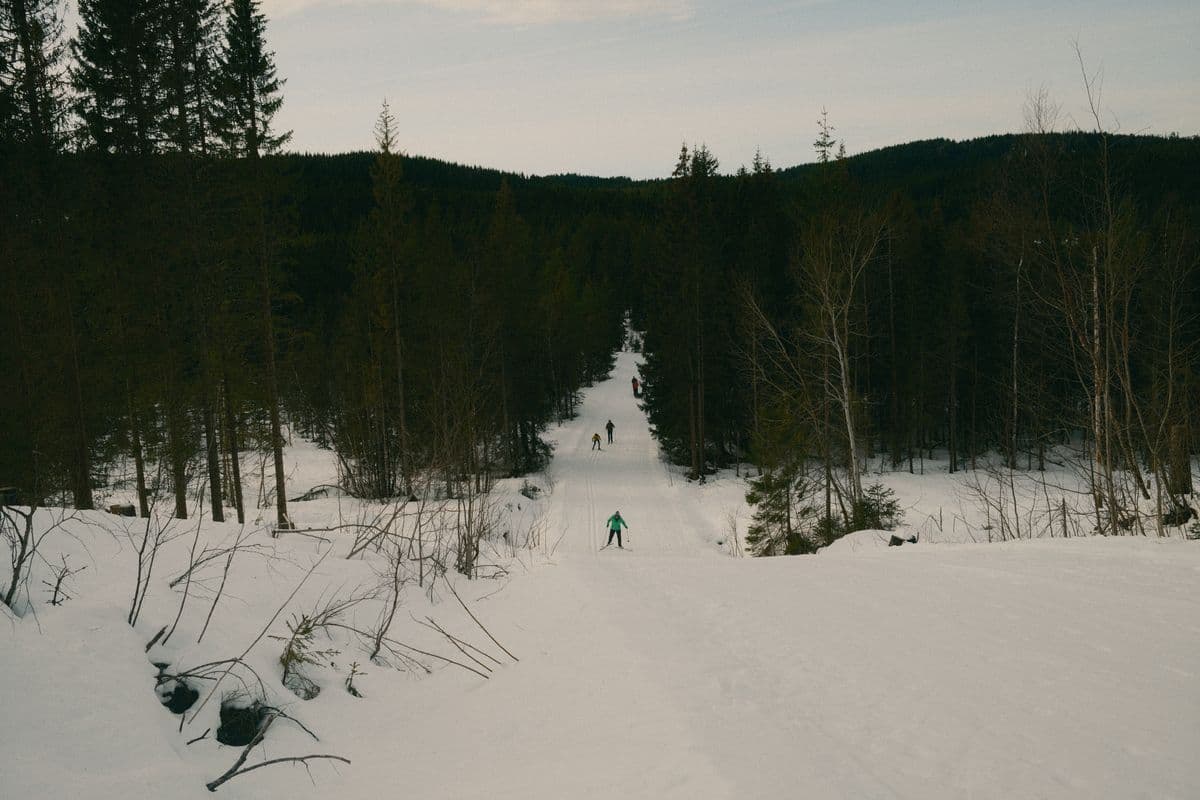
Guide
Classic against skate, what a family setup involves, trail fees against lift tickets, and how it compares with snowshoeing.
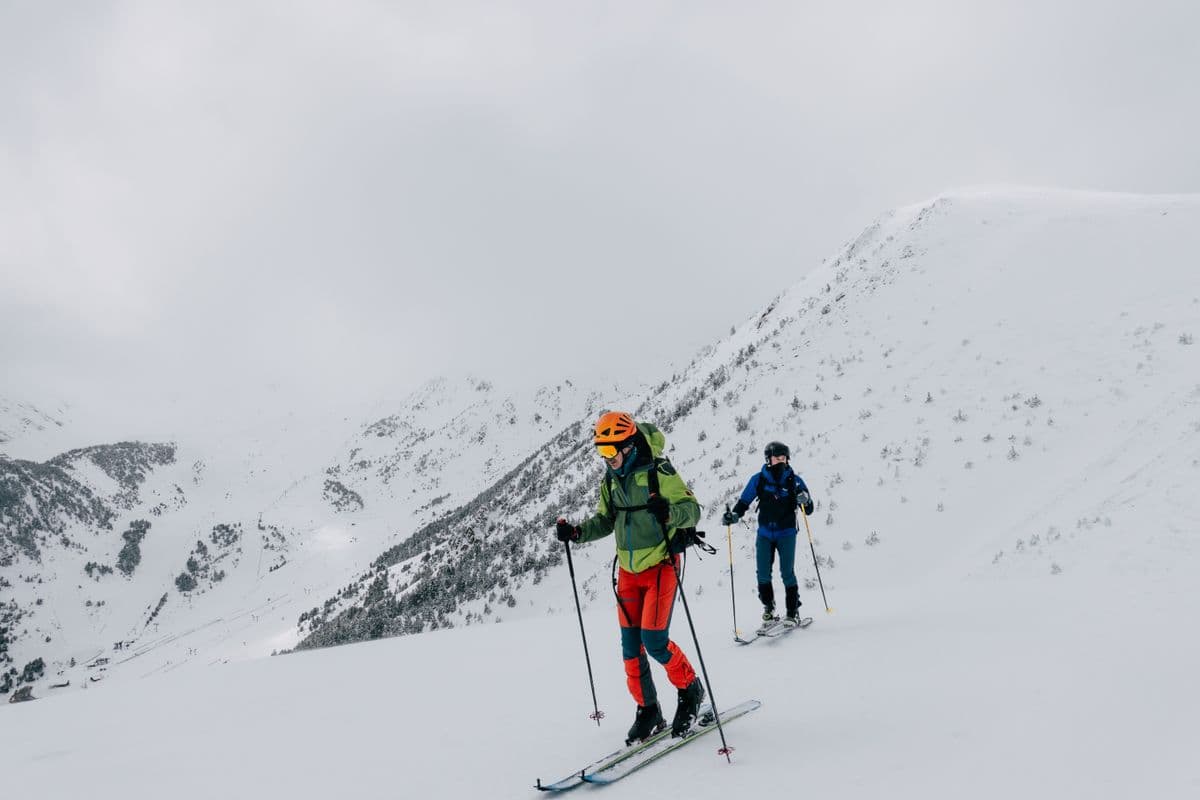
Guide
What backcountry skiing involves, why we carry no buy links for avalanche equipment, and where to get formal training.
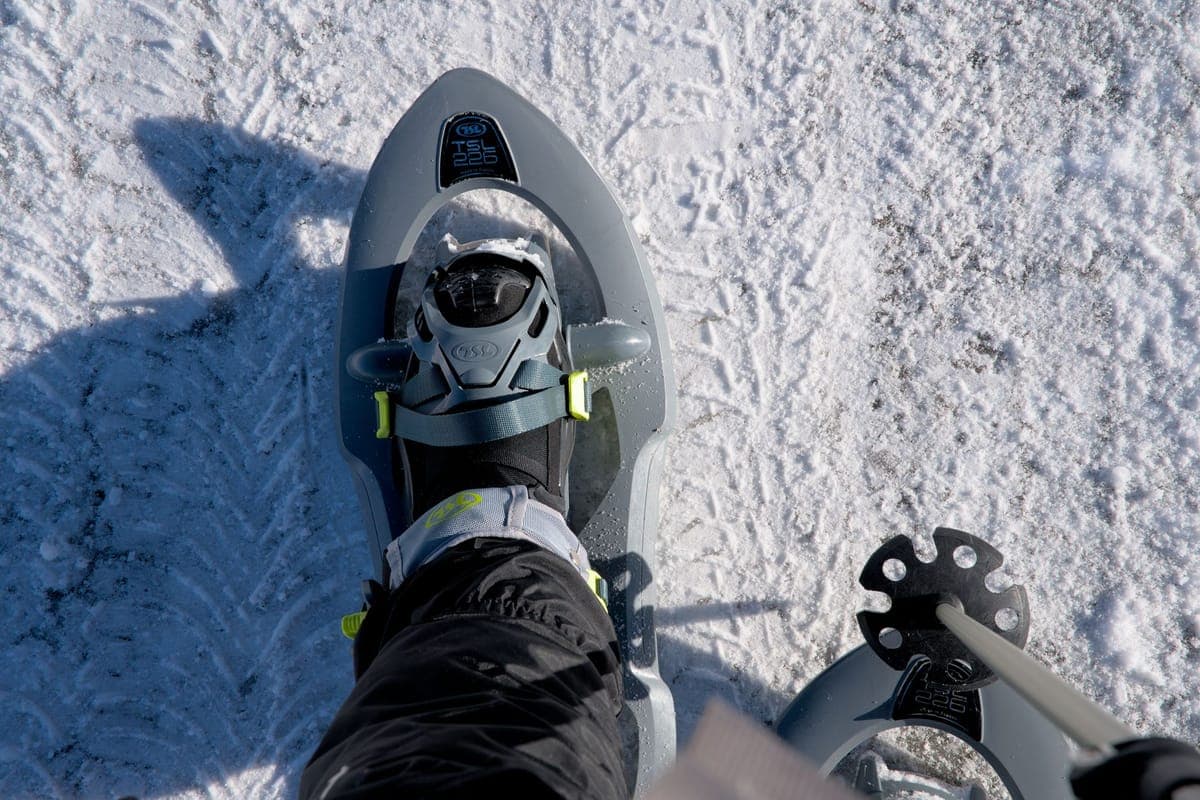
Sizing chart
How to calculate your total load, what published weight bands mean, and how to size one pair that works for two adults or a mixed-age family.
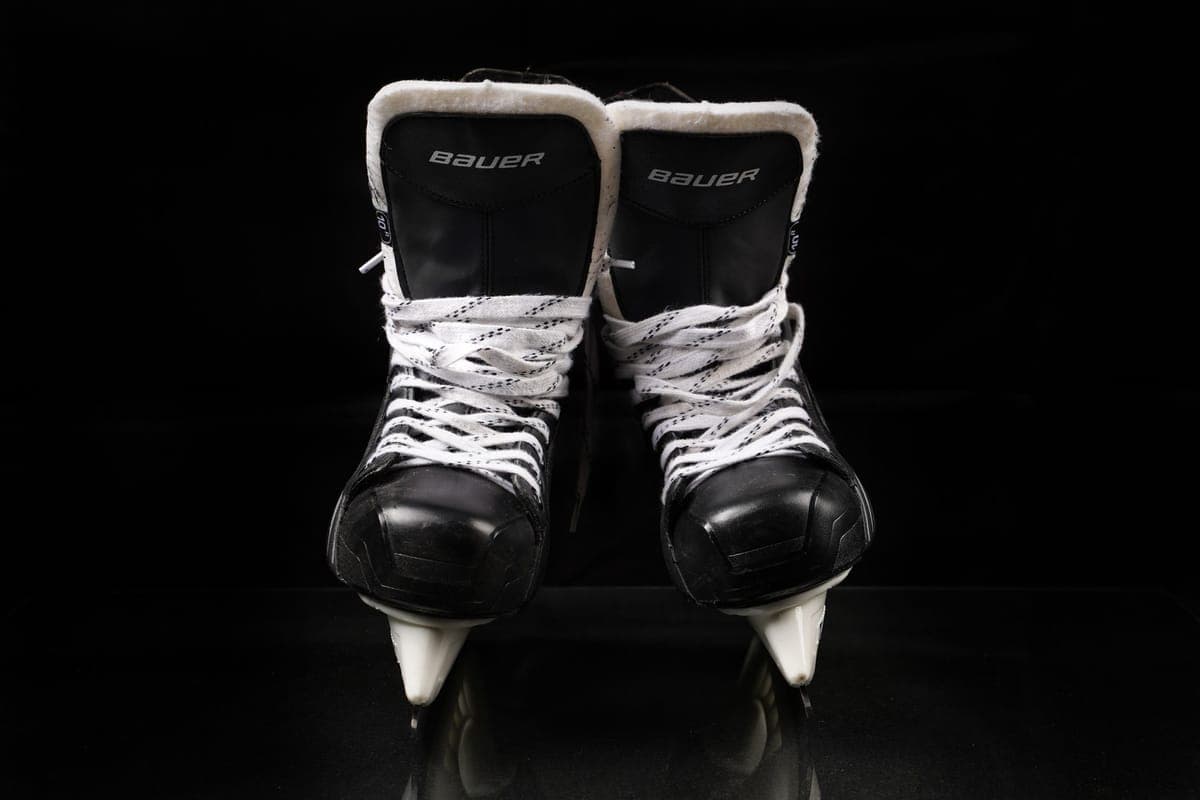
Sizing chart
Skate sizing against shoe size, the three-zone lacing method, and how adjustable shells cover four sizes for a growing child.
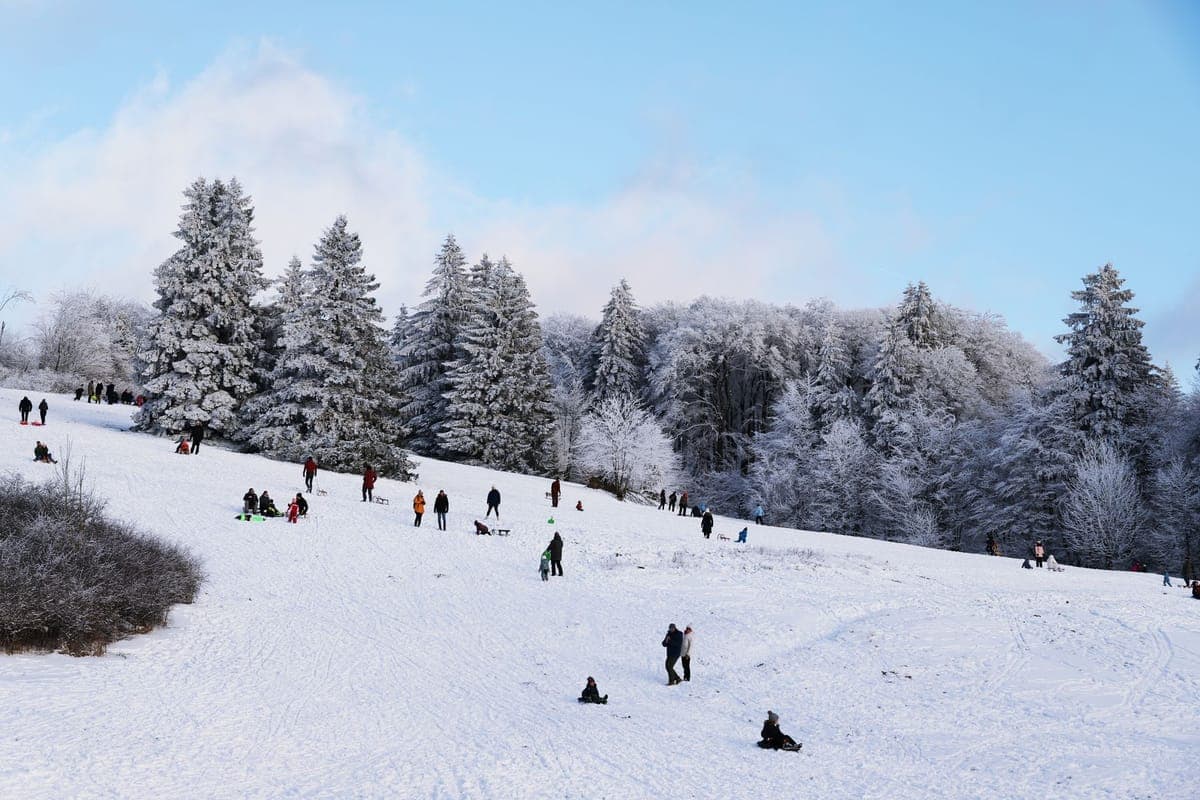
Guide
How to choose a safe hill, which sled type suits which age, and the short list of gear that turns a sledding afternoon into a good one.
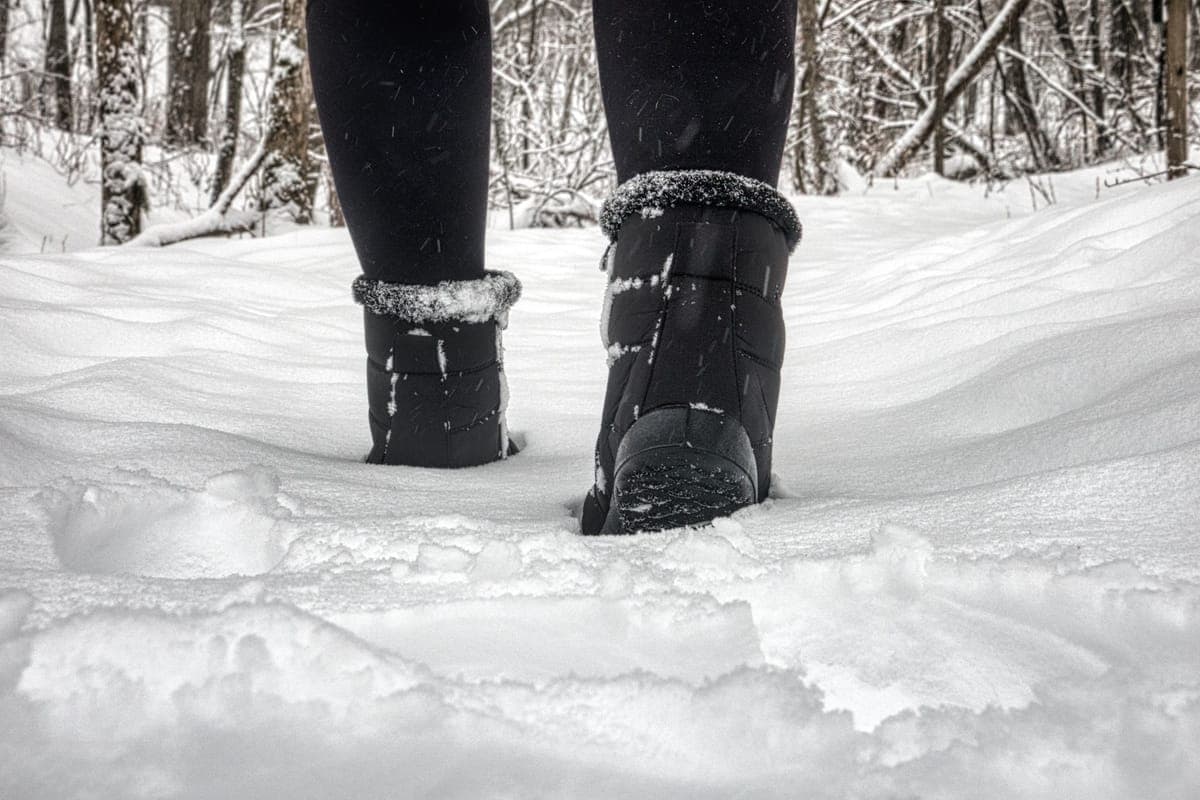
Guide
The four specifications that actually matter in a winter boot, why temperature ratings are unreliable, and what a family needs.
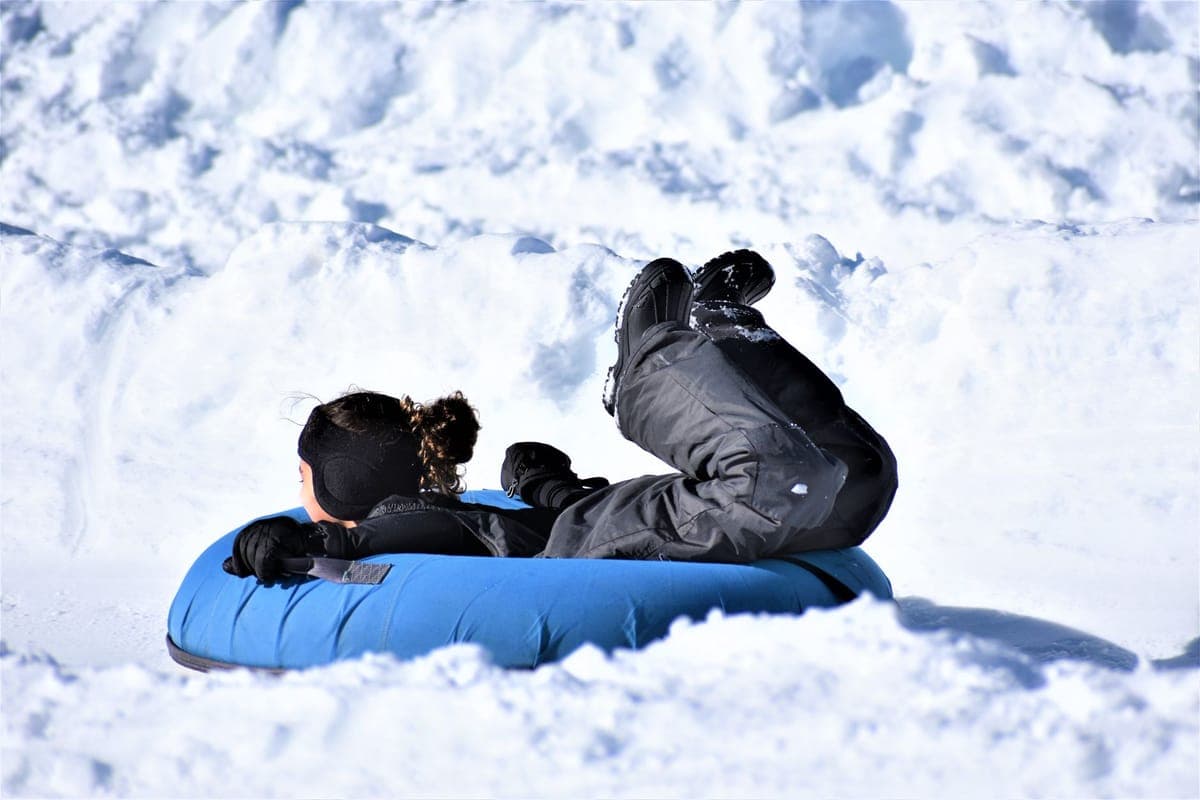
Guide
How resort tubing works, what to wear, why a groomed lane is different from a local hill, and whether to buy your own tube.
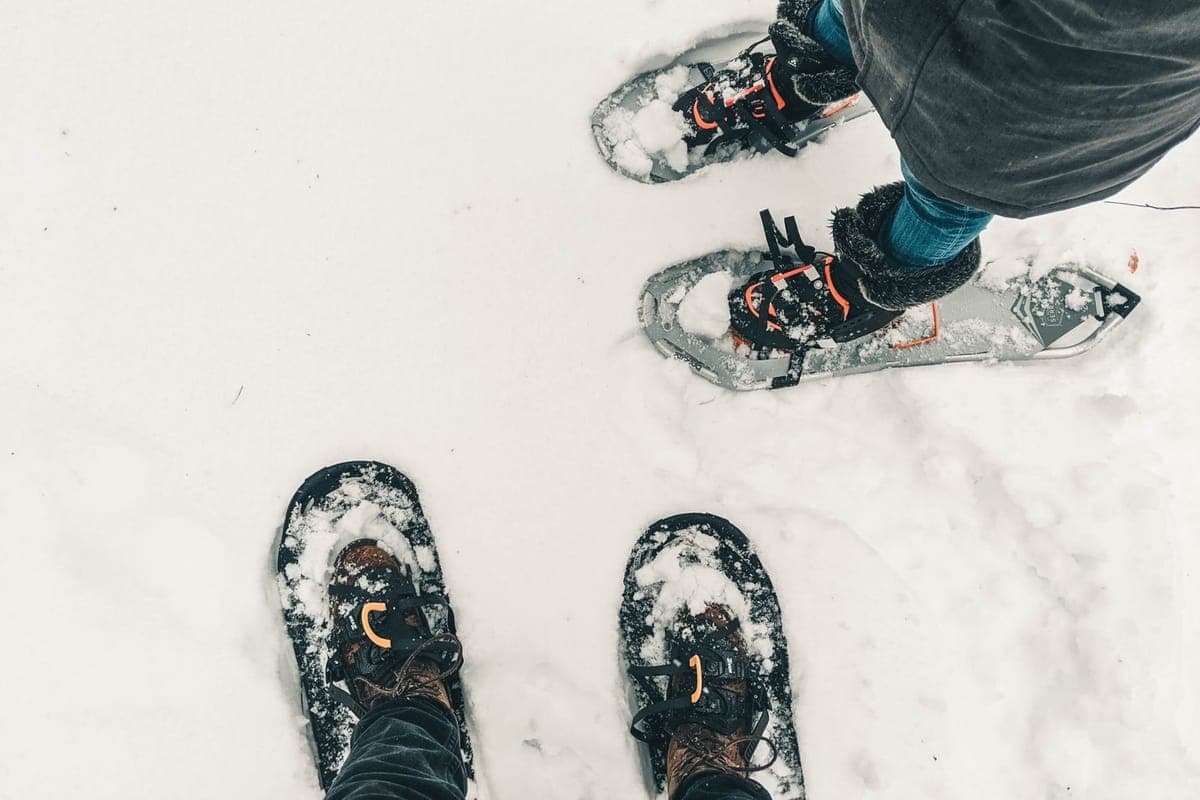
Guide
How slip-on coils, chains, spikes, snowshoes and crampons differ, and which one suits packed snow, ice or deep snow.

Guide
What a maintained outdoor rink offers, what to wear when there is no barrier, and why we do not publish ice thickness guidance.
Guide
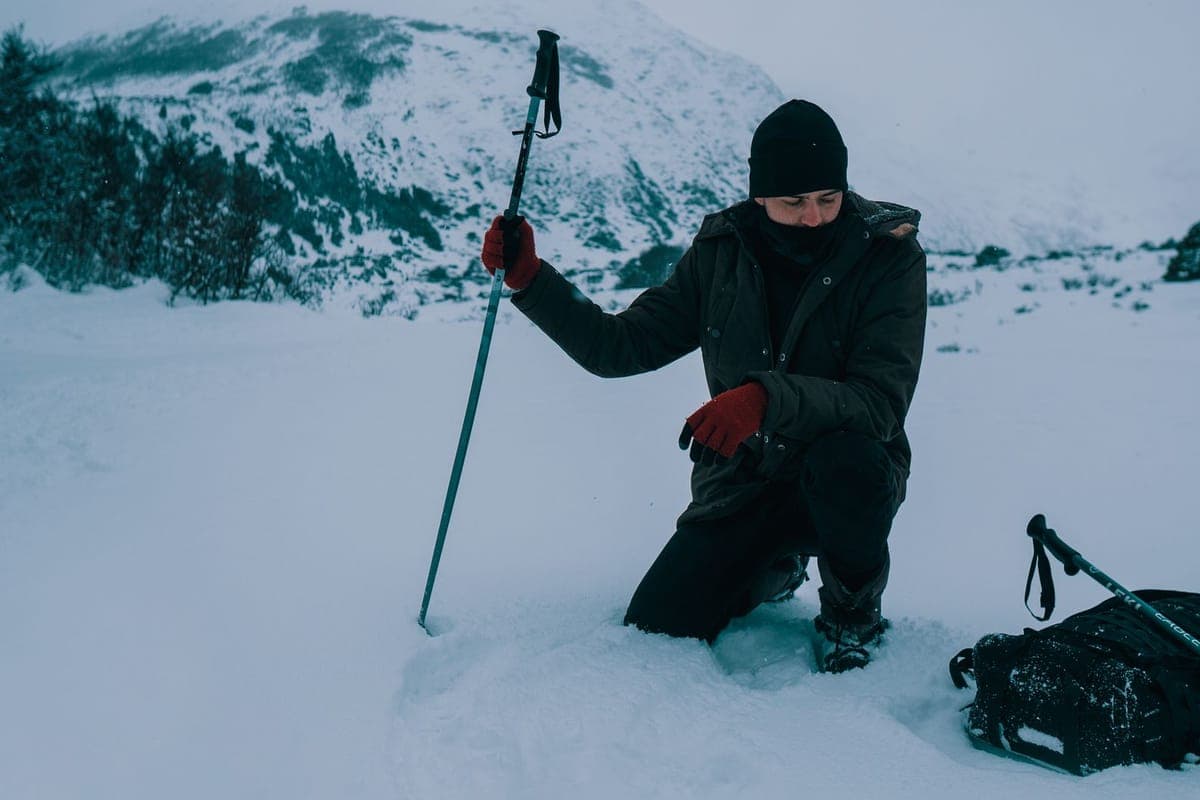
Why snowshoeing wants adjustable poles and big baskets, the uphill and downhill length settings, and whether your ski poles will do.
Best adult ice skates
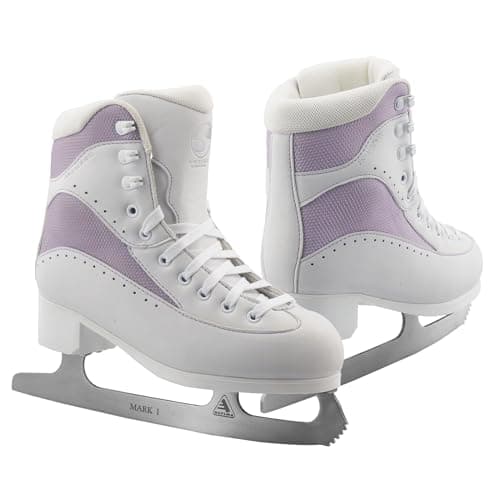
Published adult size runs and linings compared, why a sharp blade matters more than the boot, and soft-boot against figure against hockey.
Top pick: Jackson Ultima Softec Vista Ice Skates
Best snow tube
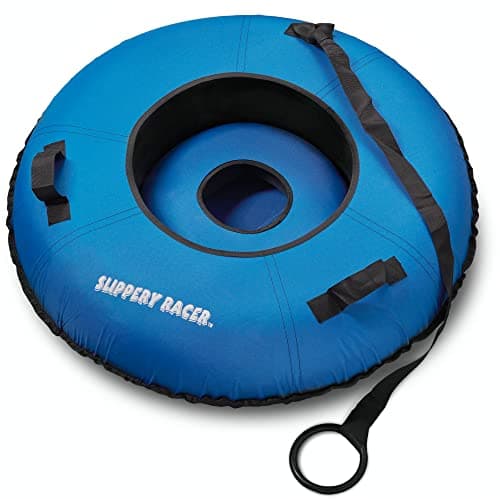
Published tube diameters and cover materials compared, tube against sled, and the hill you should and should not use one on.
Top pick: Slippery Racer Grande XL Snow Tube
Best adult sled
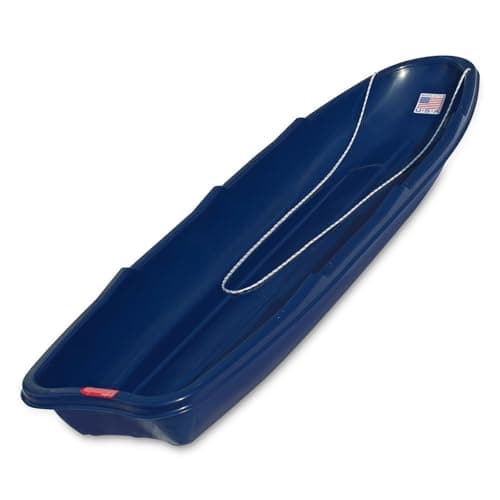
Published dimensions and load capacity compared, the formats that actually take an adult, and the hill that stops being suitable.
Top pick: Flexible Flyer Winter Trek 3-Person Snow Sled
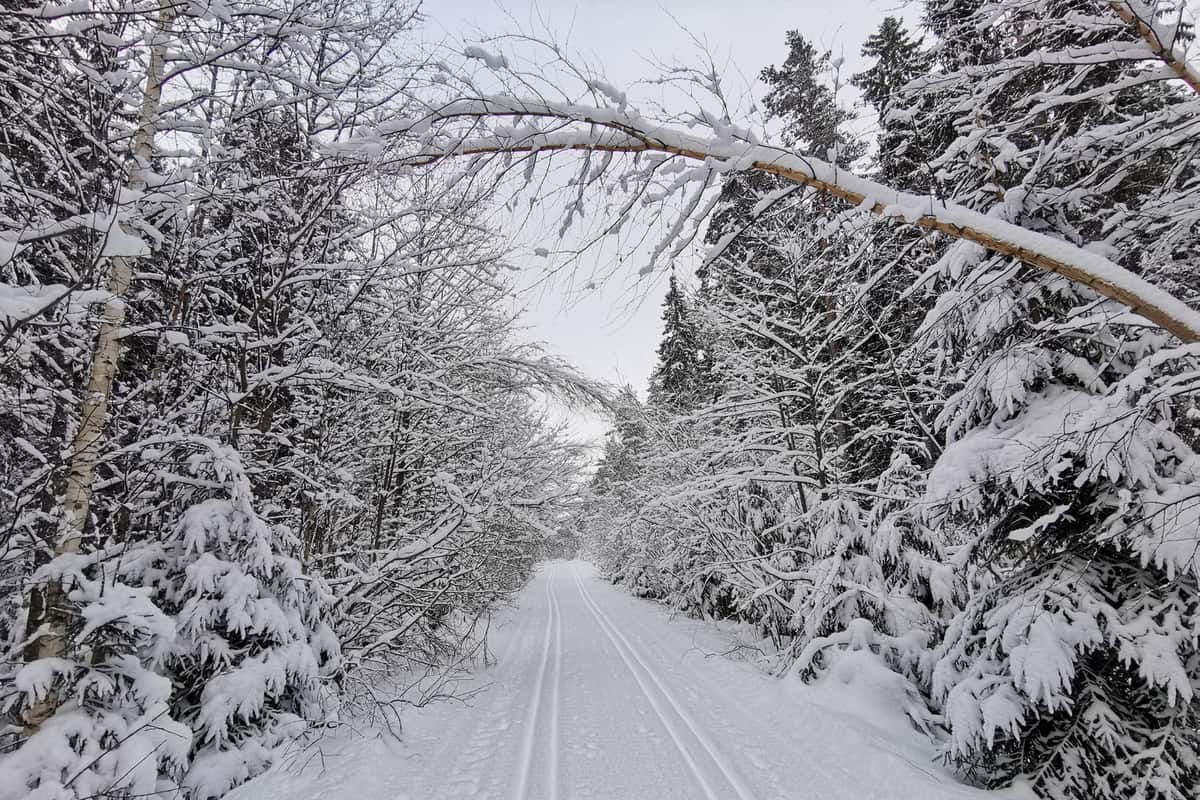
Guide
What is in a complete NNN package, why sizing runs on dressed body weight, and when buying separates is actually better.
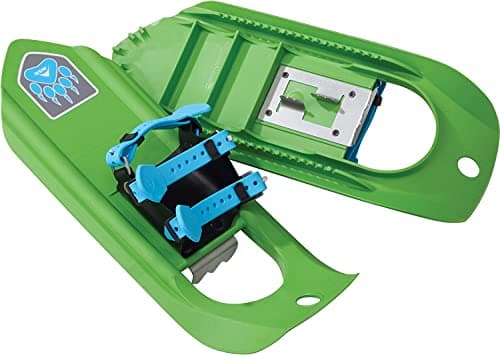
Best kids' snowshoes
Three kids' snowshoes compared on published load limit, footwear range, traction and weight per pair.
Top pick: MSR Tyker Kids Snowshoes
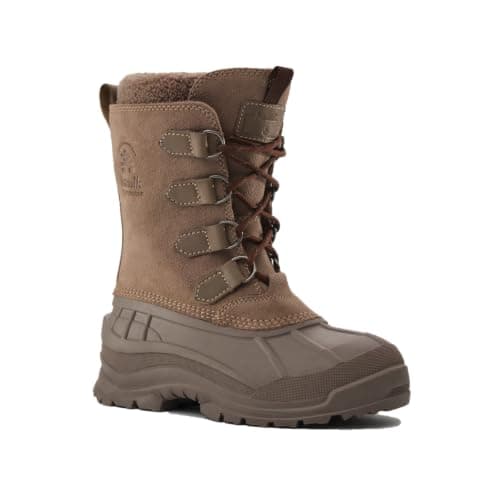
Best women's winter boots
Three women's winter boots compared on published temperature rating, seams, liner and weight per pair.
Top pick: Kamik Alborg Women's Winter Boots
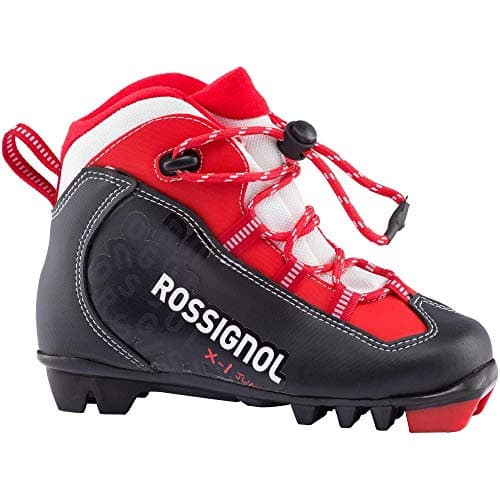
Best cross-country ski boots
Three nordic touring boots compared on published sole standard, size run, insulation and closure.
Top pick: Rossignol X1 Jr Kids Nordic Touring Boots
Head to head
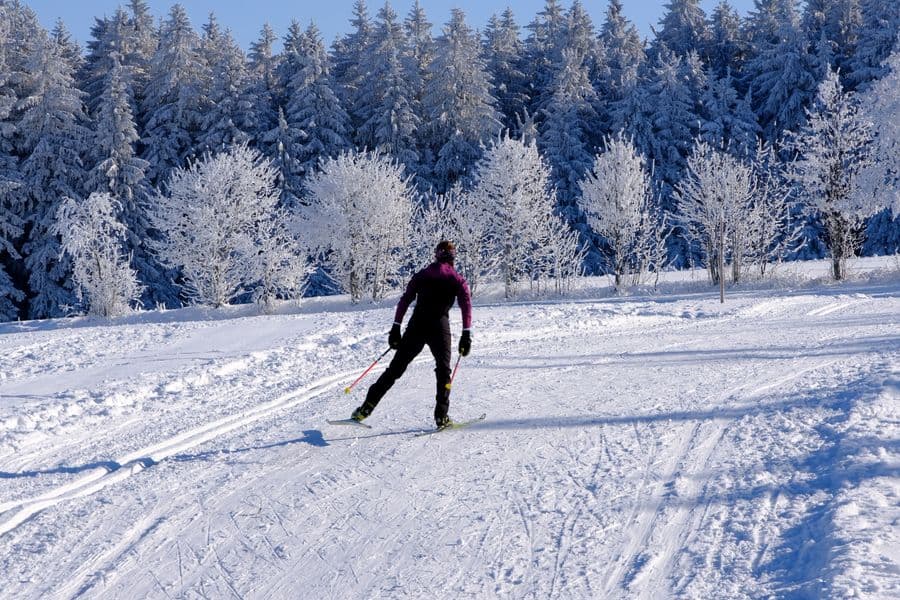
Cost, learning curve, terrain and published weight limits compared, with the honest answer for families with young children.

Head to head
What the toe pick does, which boot is easier for a beginner, and how adjustable kids skates change the arithmetic.
Head to head
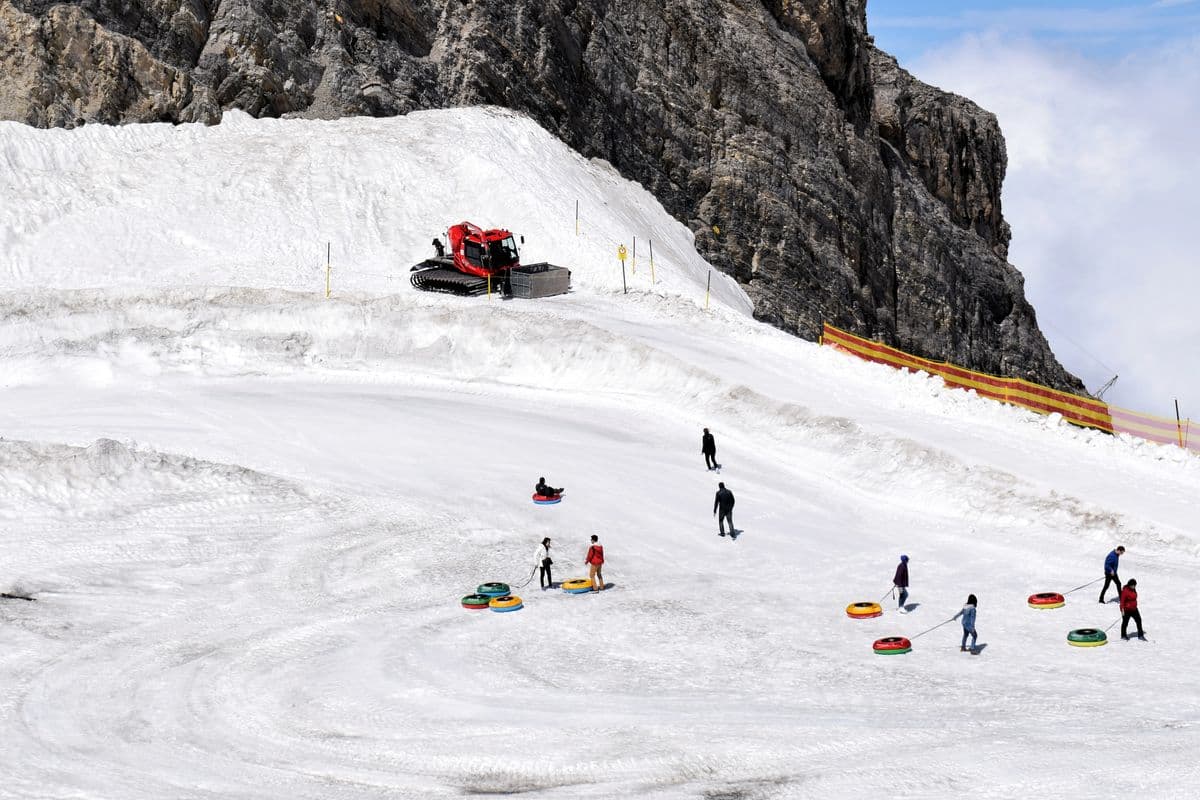
Speed, steering, published capacity and runout needs compared, plus which one works on a short backyard slope.
Best ice cleats
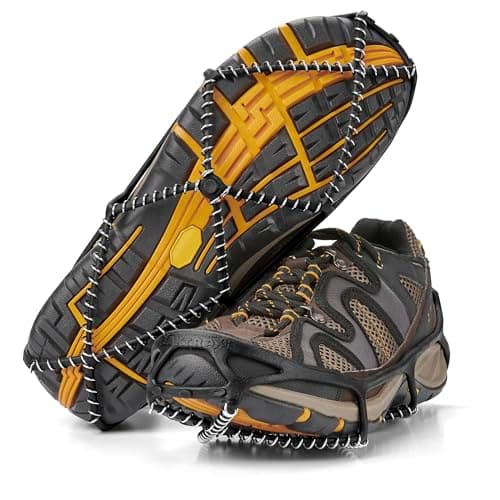
Four traction devices compared on published coil gauge, spike count and length, weight and size bands, with the one that stays on a ski boot.
Top pick: Yaktrax Walk Traction Device
Best men's winter boot
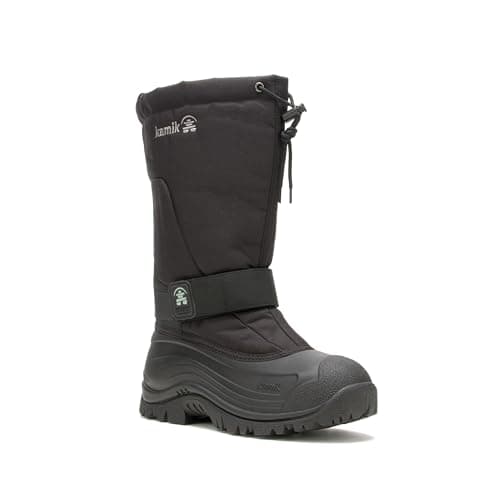
Three boots compared on published -40F ratings, removable liners, insulation weight and shaft height.
Top pick: Kamik Greenbay 4 Men's Winter Boots
Head to head
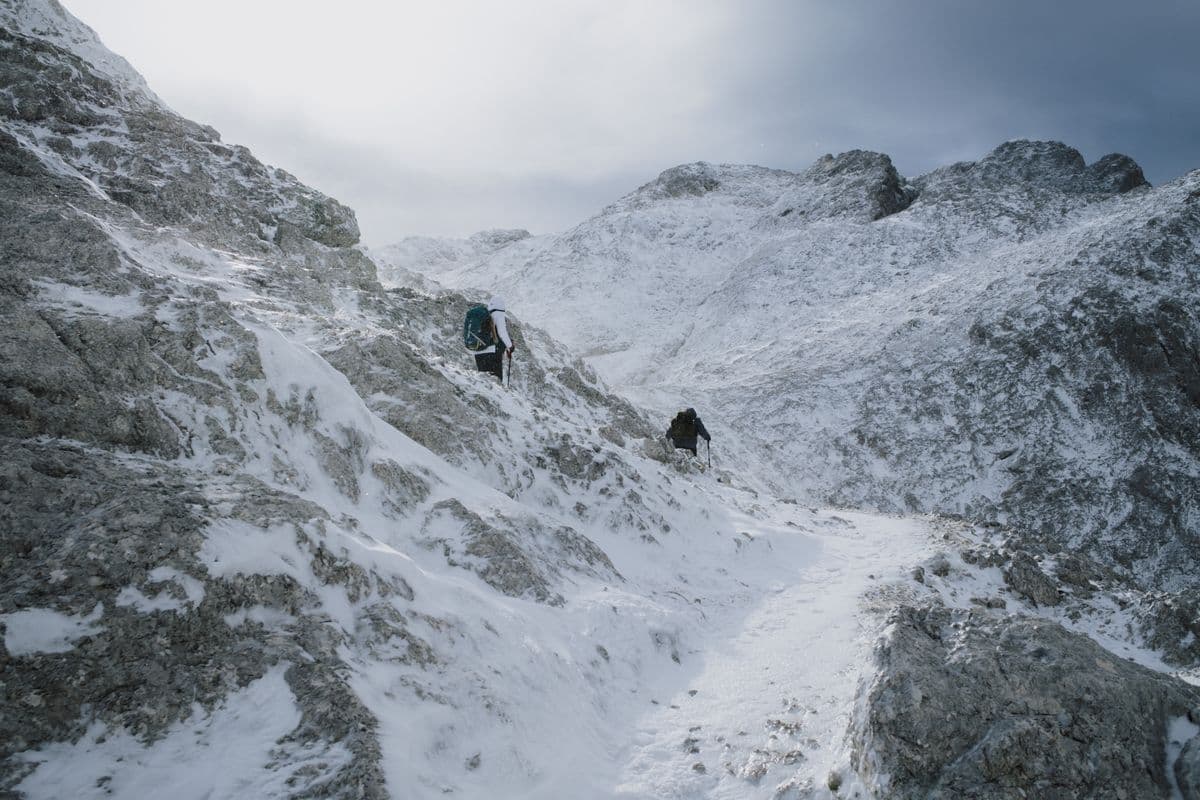
How snow depth and consolidation decide between traction devices and snowshoes, with published load limits and costs for each.
Guide
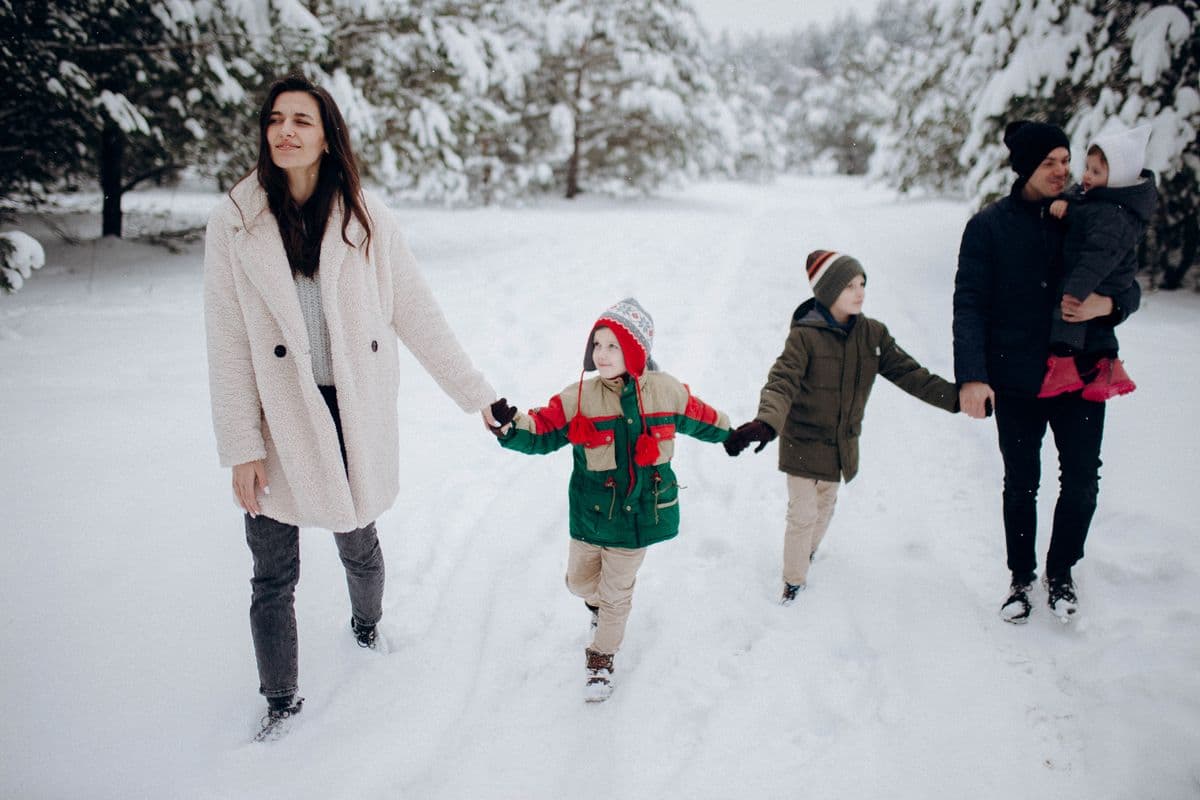
Age guidance, load-based sizing for kids' snowshoes, realistic distances and the gear that keeps a child out there.
Best snow toy
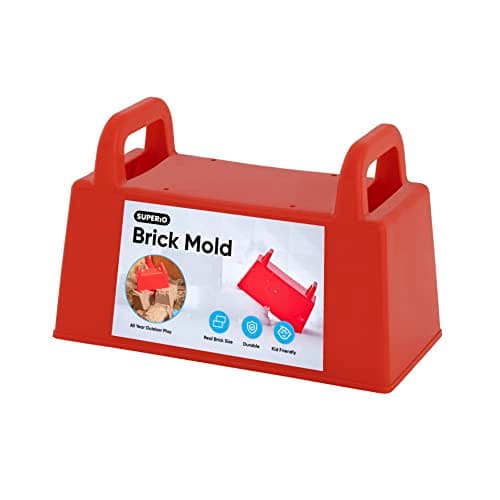
Three cheap snow toys compared on what each maker actually publishes, plus which snow they need and what to buy instead.
Top pick: Superio Snow and Sand Brick Mold
Prices last verified October 19, 2026. Prices move constantly; the figure on Amazon at the moment you click is the real one.
A family ski day is expensive and happens once or twice a winter. The rest of the winter is still there. Snowshoes, a sled and a pair of skates cost less together than one adult day of skiing at many resorts, need no lift ticket, and get used on the kind of ordinary Saturday when driving to a mountain is not happening.
The gear here is also much simpler to buy. There is no boot fitting, no binding release setting and no lesson required, so the published specifications tell you most of what you need to know.
Snowshoes are sized by the total weight they have to float: your body weight plus clothing plus whatever you are carrying. Too small and you sink; too large and they are awkward to walk in. Good makers publish this as an explicit load range in pounds, and the ones that publish only a length in inches are asking you to guess.
Both of our picks publish real numbers. One publishes a 180 lb limit that rises to 250 lb with add-on tails, so capacity can be increased later rather than replaced. The other publishes three sizes mapped to weight bands from 80 lb up to 210 lb, which is what makes it the one to buy when a child and an adult both need a pair. The snowshoe picks are here.
Worth stating plainly, because it surprises people: there is no US safety standard for recreational snow sleds the way there is for ski helmets. There is no certification to look for and no sled on this site or anywhere else that carries one. What makers do publish is a weight capacity and a set of dimensions, and those are the specs our picks are chosen on.
The practical consequences are worth more than any product comparison. Sledding injuries are common, most involve collisions with fixed objects, and the two things that reduce them are choosing a hill with a long clear runout and no trees, and putting a helmet on a child. A ski helmet works fine for this. The sled picks are here, with the steering trade-off between a saucer, a toboggan and a long multi-rider sled explained.
Children’s ice skates have the same growth problem as ski boots, with an unusually good solution: adjustable skates whose boot lengthens across roughly four shoe sizes. For a child who skates a handful of times a winter, one pair covering four sizes is the difference between one purchase and three, and the published size bands make that easy to check before you buy. The skate picks are here.
The trade-off is real and we say so on that page: an adjustable soft boot gives less ankle support than a fitted skate, which stops mattering for casual winter skating and starts mattering as soon as a child takes it up properly.
Backcountry and avalanche terrain is deliberately outside our commercial scope. Avalanche safety equipment is life-safety gear that requires training to use, we have tested none of it, and we will not carry buy links for transceivers, probes or airbags. If you are heading beyond resort boundaries, the correct next step is a formal avalanche education course and in-person expert fitting, not a website. Our backcountry page explains what is involved and where to train, and it carries no buy links at all.
Winter hiking is still reserved rather than covered thinly. Cross-country skiing now has its own page, and looking after all of this gear has its own section in gear care. This is a deliberately broad site, and the sections that exist are the ones we can currently write properly.
Poles are the one snowshoe purchase people get wrong, and usually because they buy the pole rather than the basket on the end of it. The snowshoe poles page covers why a summer trekking basket sinks straight through soft snow, the uphill and downhill length settings, and whether the ski poles already in your garage will do the job with one cheap change.
The ski wax page is short on purpose: a shop wall of colored waxes is built for racers, and two published temperature bands cover an entire recreational season. And before you spend anything on tools, the tuning vise page gives the two clamp measurements that decide whether a vise fits your skis - and the free bench setup that is entirely adequate if all you do is wax.
This section exists because skiing is not the only thing to do in snow, and three newer pages sit squarely in that argument.
Four pages compare the choices this hub keeps raising. Snowshoes versus cross-country skis works through cost, learning curve and terrain, and is blunt about which one young children manage. Figure versus hockey skates explains what the toe pick is for and why it trips beginners, and sled versus snow tube starts with the hill rather than the gear, because the hill is what decides whether either is safe.
And for the ground between the car and everything else, the ice cleat picks compare published coil gauge, spike length and per-pair weight - the cheapest safety equipment on this site, for the most dangerous hundred yards of a ski day.
Men’s winter boots covers the boot that does the most hours of any on a ski trip, ranked on whether the liner comes out rather than on insulation figures that do not compare across brands.
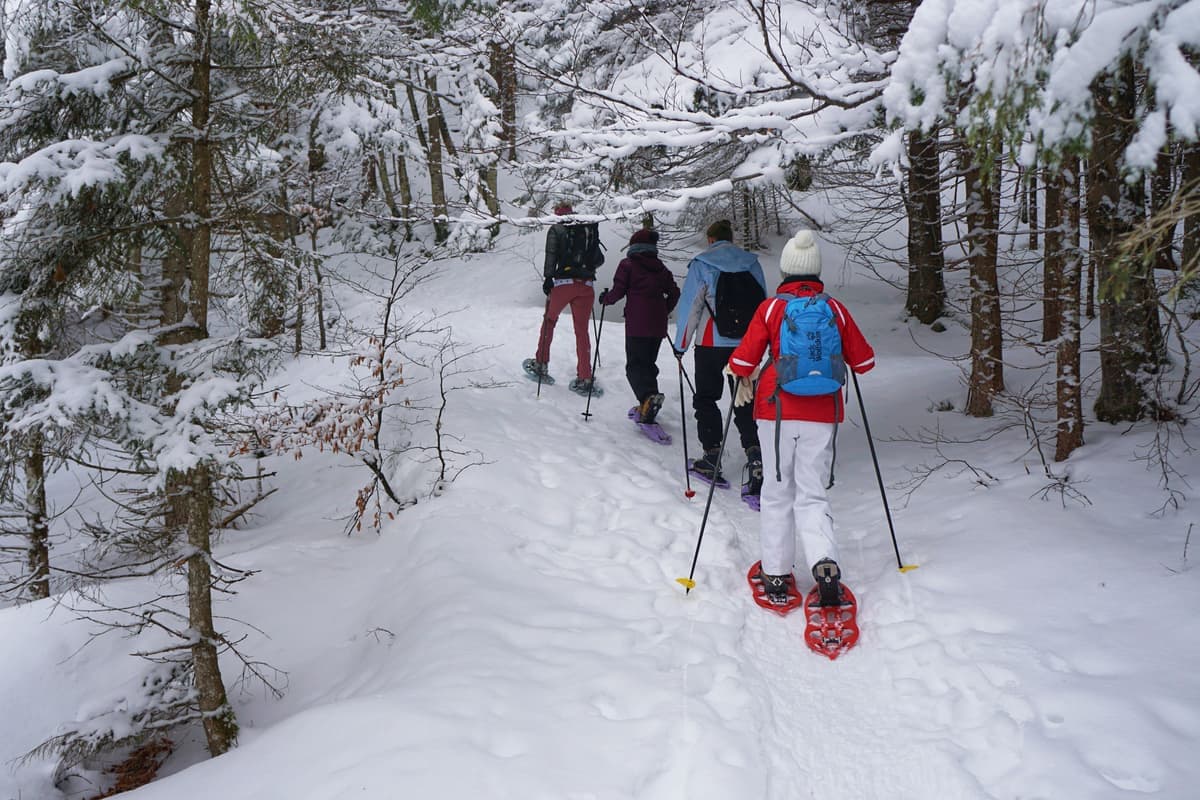
For walking, winter hiking versus snowshoeing answers it with one test you can run on the trail, and snowshoeing with kids is the cheapest way to get small children onto snow at all.
Size against total load: your weight plus clothing and anything you carry. Look for a maker who publishes an explicit load range in pounds rather than only a length in inches, and pick the size whose range your loaded weight sits inside.
No. There is no US safety standard for recreational snow sleds, so no sled carries a certification. Choose a hill with a long clear runout away from trees, roads and fences, and put a ski helmet on children.
For a child who skates casually, yes: one shell covering four shoe sizes is excellent value. They give less ankle support than a fitted skate, so a child who starts skating regularly or joins a program will outgrow the format before they outgrow the skate.
Yes, and that is a large part of why this gear is good value: the waterproof layers you bought for the ski trip work for all of it. Snowshoeing generates more heat than skiing does, so expect to shed the mid layer sooner.