How to clean, dry and store goggles, what destroys the anti-fog coating, and when a lens is worth replacing.
Prices last verified October 19, 2026. Prices move constantly; the figure on Amazon at the moment you click is the real one.
The cheapest gear you will ever buy is the gear you already own
Everywhere else on this site the question is what to buy. This section is the opposite question, and for a family skiing five days a winter it is worth more money: a jacket that is washed correctly stays waterproof for a decade, and a jacket that is never washed stops working in three seasons. A pair of boots dried properly is a pair of boots your child will still fit next year. Skis that are stored waxed do not need a base grind in October.
None of this is difficult, and almost none of it is what the internet tells you. The four jobs are drying, washing, waxing and storing, and there is roughly one honest paragraph of technique in each of them buried under a great deal of product marketing. What follows is the short version, with the longer version on each page.
Drying: the job that actually matters
Wet gear is how liners pack out, how boots start to smell permanently, and how a child ends up in damp gloves on day two of a three-day trip. It is also the only one of these four jobs you have to do every single night of a ski trip, which is why it is the one worth spending money on.
The honest headline: you do not need a machine. Pull the liners out, loosen everything, and put it somewhere with moving air that is not hot. A radiator is the wrong answer and always has been, because direct heat shrinks and hardens liners and delaminates glued seams. If you want the job done unattended overnight, a boot dryer is a real solution and the published numbers separate them cleanly: forced-air units publish 1 to 2 hours, convection units publish overnight or nothing at all, and the warranties run from one year to 25. The full technique, machine or no machine, is in drying gear overnight.
Washing: yes, you wash a ski jacket
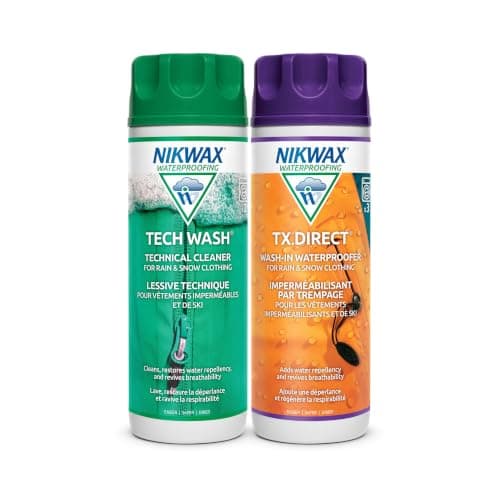
The single most common piece of bad advice in skiing is that washing a waterproof jacket ruins it. The opposite is true. The durable water repellent finish on the outside of a shell is defeated by body oils, sunscreen and dirt, so a filthy jacket wets out and feels like it has failed when it has merely got dirty. Washing it with the right detergent and warming it afterwards is what brings the beading back.
What genuinely does destroy outerwear is fabric softener, ordinary detergent residue and bleach. The washing page covers jackets, pants, base layers and the merino socks that people ruin most often, with the care-label logic explained rather than repeated.
Waxing and tuning: worth it, at a specific threshold
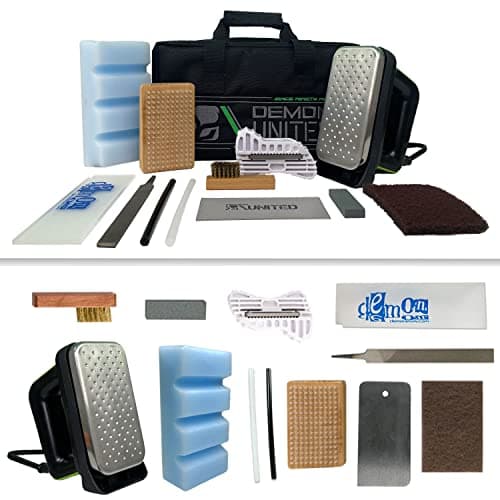
A shop wax costs money each time; a home tuning kit costs between $99.99 and $119.99 published and then costs nothing. The break-even is roughly four or five shop visits, which for a family with two or three pairs of skis arrives inside two seasons and for a single once-a-year skier never arrives at all. We say which side of that line you are on rather than selling the kit to everybody.
Edge work is a separate question from waxing and needs a different answer: basic edge maintenance with a guided tool is well within a careful beginner, and anything structural, plus every binding adjustment without exception, belongs to a shop. Bindings are the one part of a ski setup where a mistake is measured in knees.
Storage: eight months is longer than five days
Gear spends far more of its life in a cupboard than on a mountain, and most of the damage that shows up in December was done in July. Goggles crushed under a boot, a helmet cooked in a car, liners stored damp, edges left wet enough to rust, and skis left dry-based all summer are the five common ones, and all five are avoidable in about twenty minutes on the last day of the season. The storage page is that twenty-minute list.
What we do not claim here
We have not tested any of this equipment, here or anywhere else on the site. The dryers and tuning kits we point at are chosen on published contents, published wattage, published dry times and published warranty terms, all cited on the page, and the arithmetic behind every score is printed in full. Technique advice here is the consensus of manufacturer care instructions, which is exactly what it looks like and nothing more.
How often any of this actually needs doing
How often to wax skis answers the question this hub gets asked most, and the honest answer is that no industry interval exists - the base tells you. It covers what a dry base looks like, what strips wax fastest (artificial snow, spring grit), and when a shop tune is the better value than another wax.
What a tune costs, and the two jobs you can do yourself
What a ski tune costs breaks a shop bill into the jobs it is actually made of, so you can tell a basic wax from a full grind and know which one your skis need. If the answer is edges, sharpening ski edges at home covers the guide angles, the order of operations and the point at which the job belongs in a shop.
And the least glamorous page in this hub: how to stop ski boots smelling, which is a drying problem rather than a deodorant problem, and the fix is free.
Questions people actually ask
How do you dry ski boots overnight?
Pull the liners out, open every buckle, and stand both shells and liners somewhere with moving air at room temperature. Never on a radiator or in front of a heater, which hardens liners and can delaminate glued seams. A boot dryer does the same job unattended; forced-air models publish a 1 to 2 hour dry time and convection models want the whole night.
Does washing a ski jacket ruin the waterproofing?
No. Dirt, sunscreen and body oils are what stop a jacket beading, so a filthy jacket performs worse than a clean one. Wash it with a technical wash rather than ordinary detergent, never use fabric softener, and warm it afterwards to reactivate the water-repellent finish.
Is a home ski tuning kit worth it?
It pays for itself at roughly four or five shop waxes. A family with two or three pairs of skis gets there inside two seasons; a single skier taking one trip a year does not, and should keep paying the shop.
How should skis be stored over the summer?
Clean and dry, with a thick coat of storage wax left unscraped over the base and edges, standing or lying flat somewhere cool and dry that is not a car, an attic or a damp basement. Scrape the wax off in the autumn.
Can you put ski boots in a heated boot bag or on a radiator?
A purpose-made heated bag holds a controlled low temperature and is fine. A radiator, a wood stove or a hot air vent is not: the temperatures are far higher and uneven, and they harden liners and can separate glued construction.