Sizing chart
Kids' ski helmet size chart, by the one measurement that works
Head circumference to helmet size, with the published youth ranges from three brands side by side and the five-second fit check.
Helmet, ski and boot size charts you can measure a child against at the kitchen table, and honest arithmetic on what is worth buying for someone who will outgrow it.
Nothing here has been tested by us. How we pick · Who writes this · How we earn
In this section
Sizing charts and cost arithmetic are free to read and always will be. The ranked picks carry affiliate links.
Sizing chart
Head circumference to helmet size, with the published youth ranges from three brands side by side and the five-second fit check.
Sizing chart
Height-to-length bands with the arithmetic shown, the weight adjustment, and the published lengths brands actually sell.
Sizing chart
Mondopoint to US kids shoe size, the paper-and-wall measuring method, and the growth allowance that is much smaller than you think.
Guide
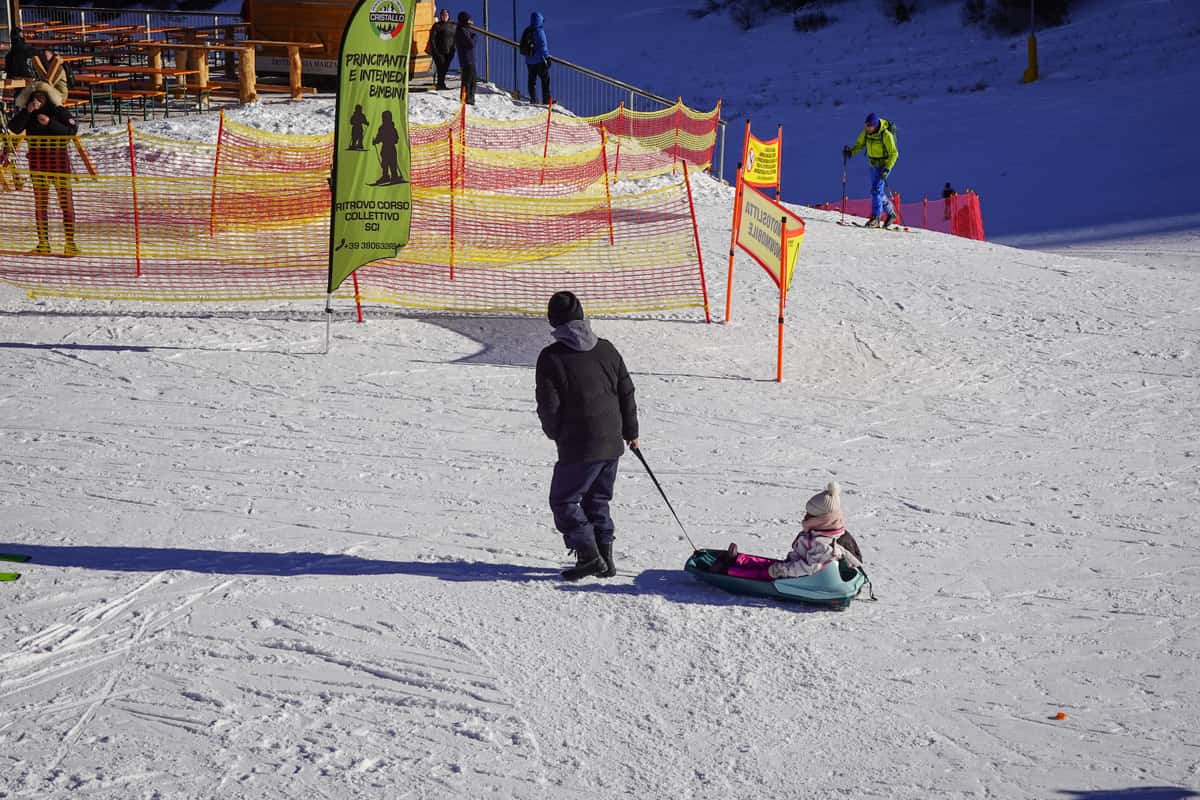
Cold hands, wrong boots and no plan for lunch. What actually ends a family ski day, and how to prevent each one.
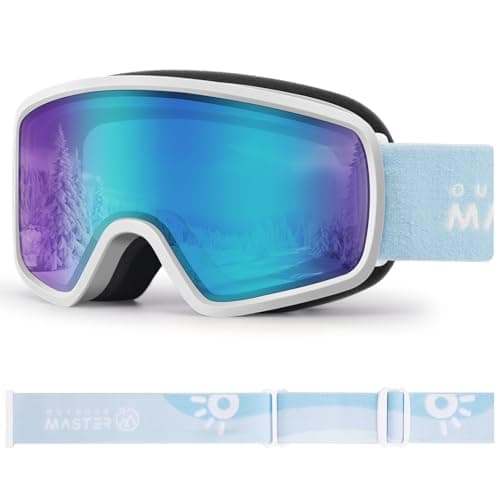
Best kids' value kit
Helmet, goggles, jacket, pants and gloves for a child: $194.96 at published prices.
Top pick: OutdoorMaster Falcon Kids
Guide
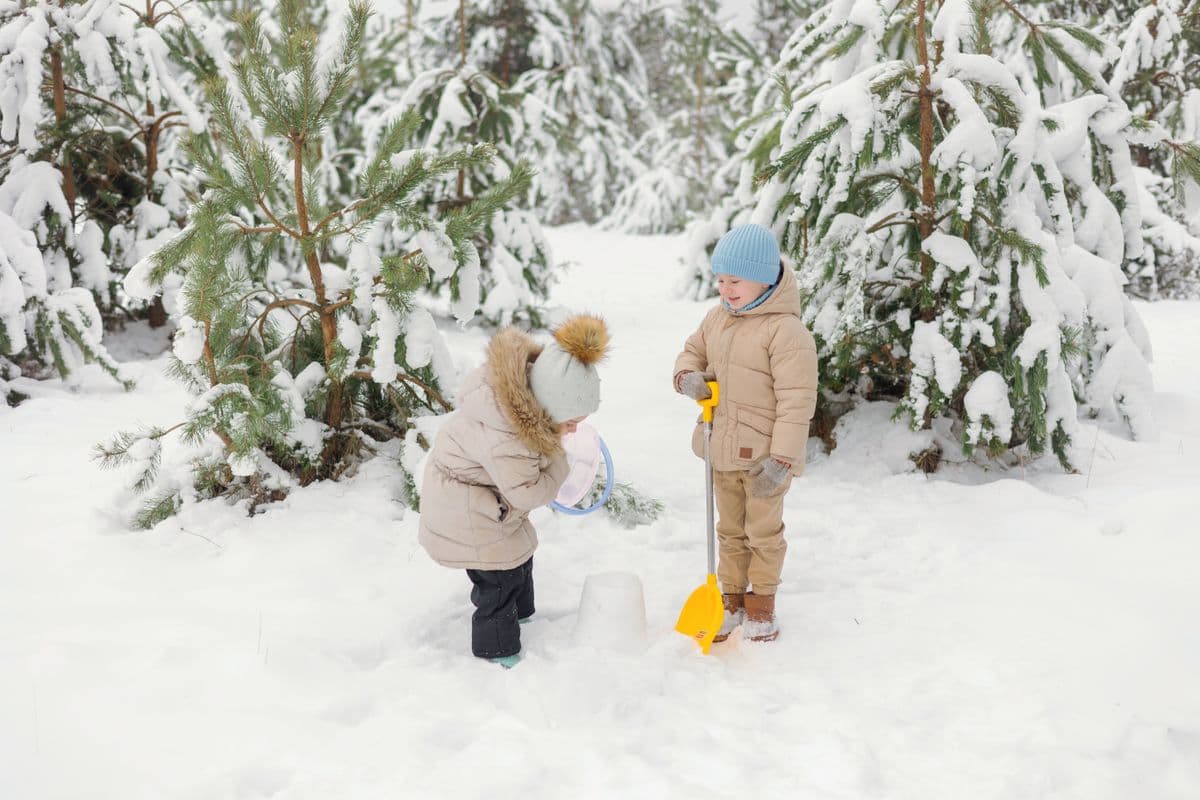
The size-up rules item by item, how adjustable gear buys extra seasons, and what is safe secondhand.
Guide
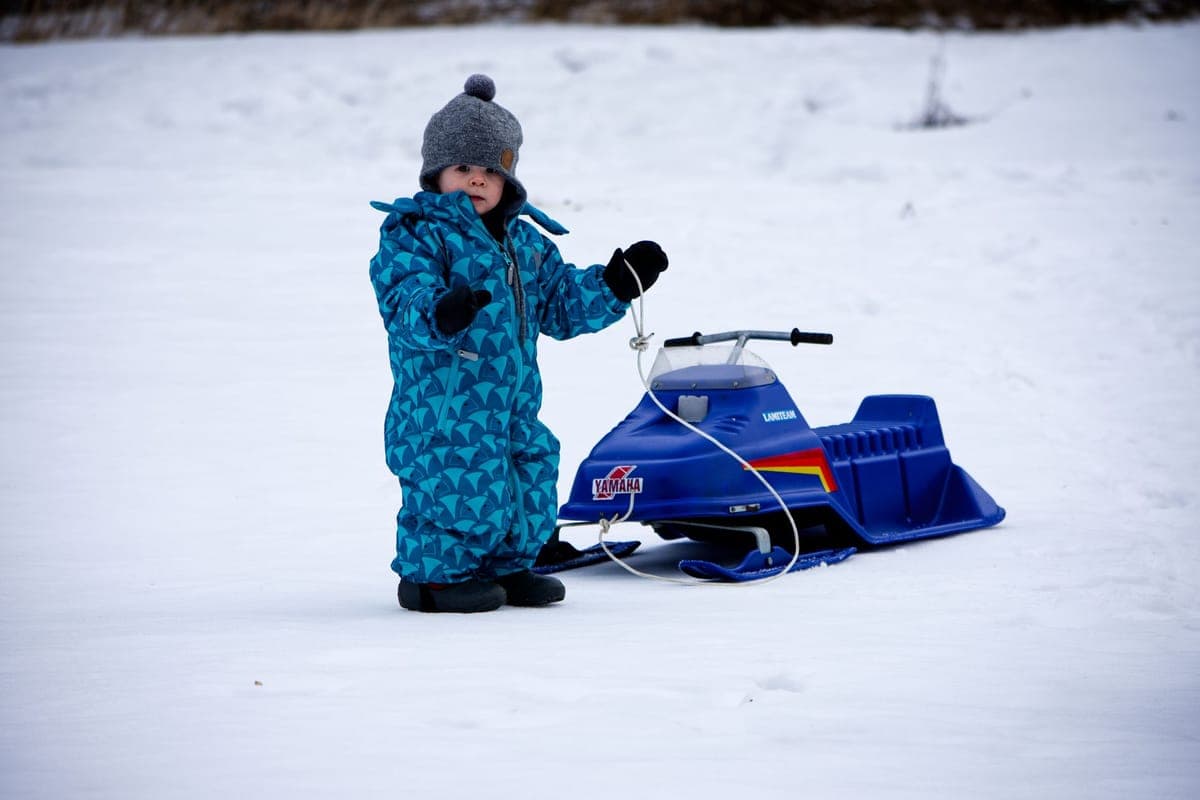
The five items that matter for a toddler on snow, the ones that are a waste of money, and when to stop buying and go sledding instead.
Guide
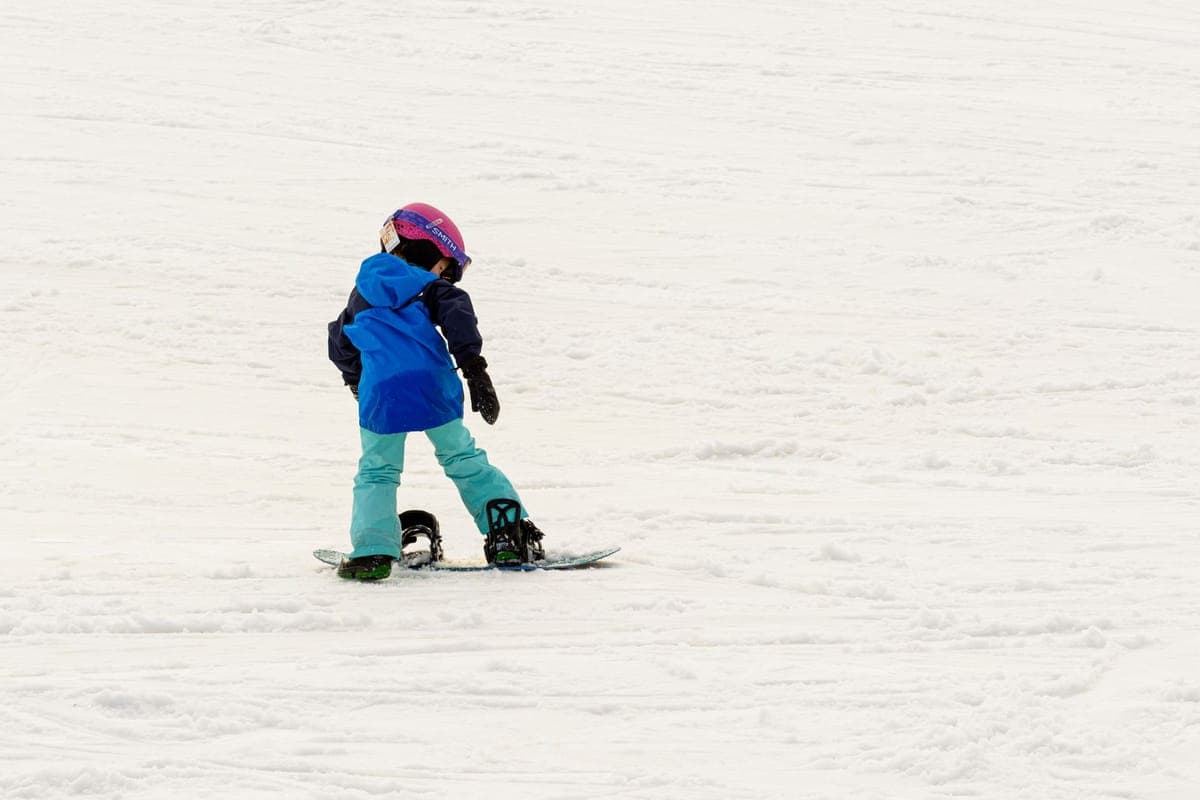
The protective gear a beginner snowboarder needs before a board, what carries over from skiing, and why the board itself is the last purchase.
Guide
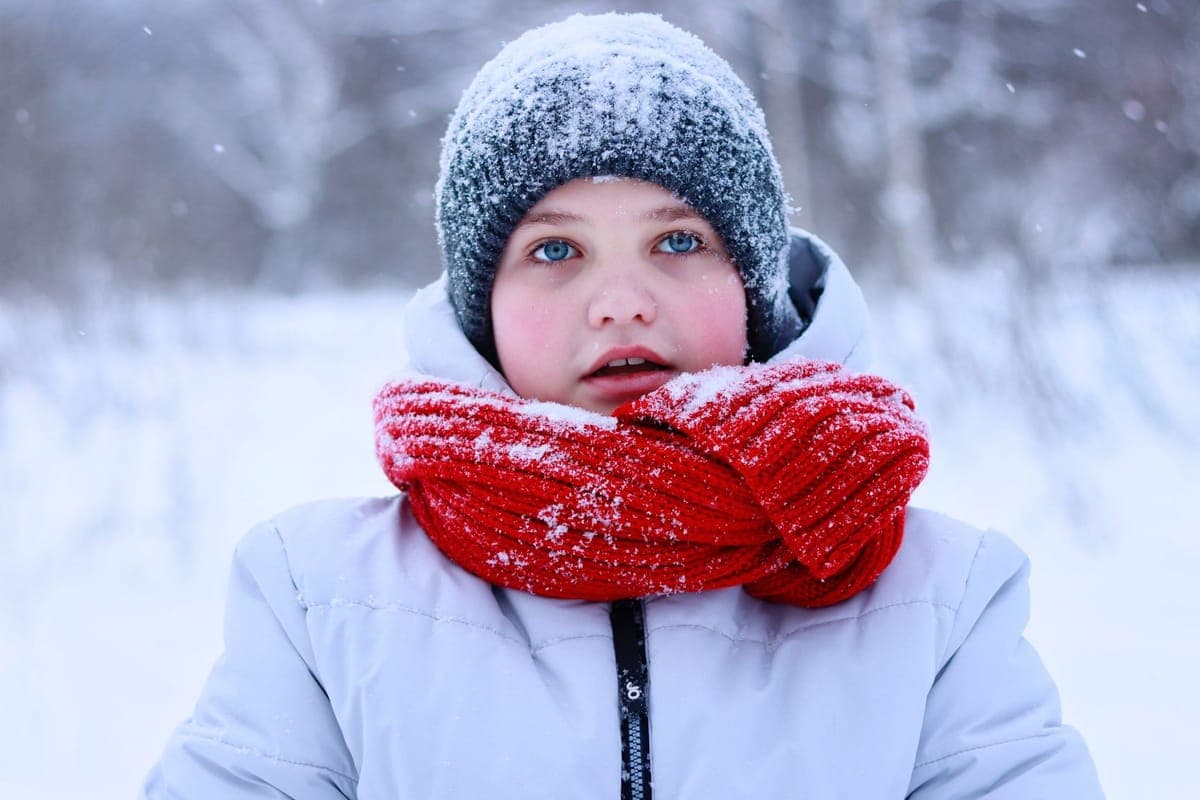
The three-layer system for children, the physical checks that beat asking them, and the mistakes that make a child colder.
Guide
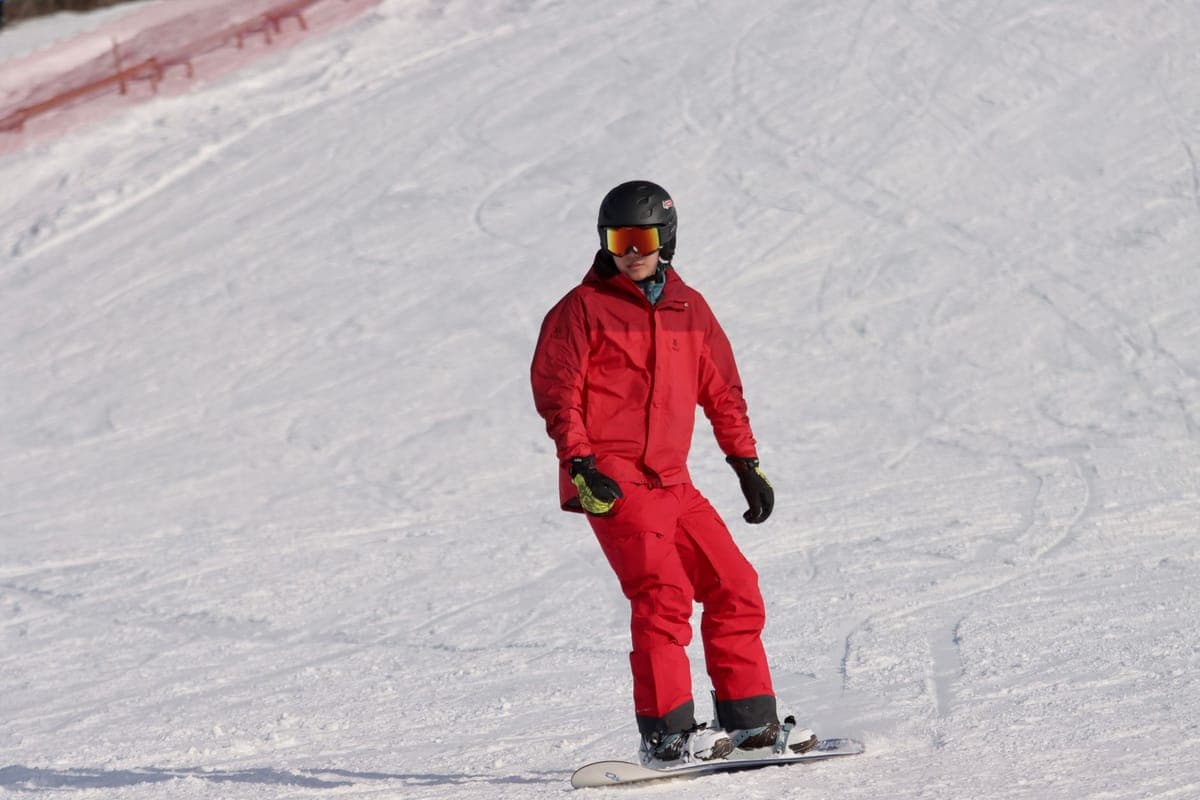
Where youth and adult size runs overlap, which items to buy at this age, and how to handle a teenager who grows two sizes in a season.
Guide
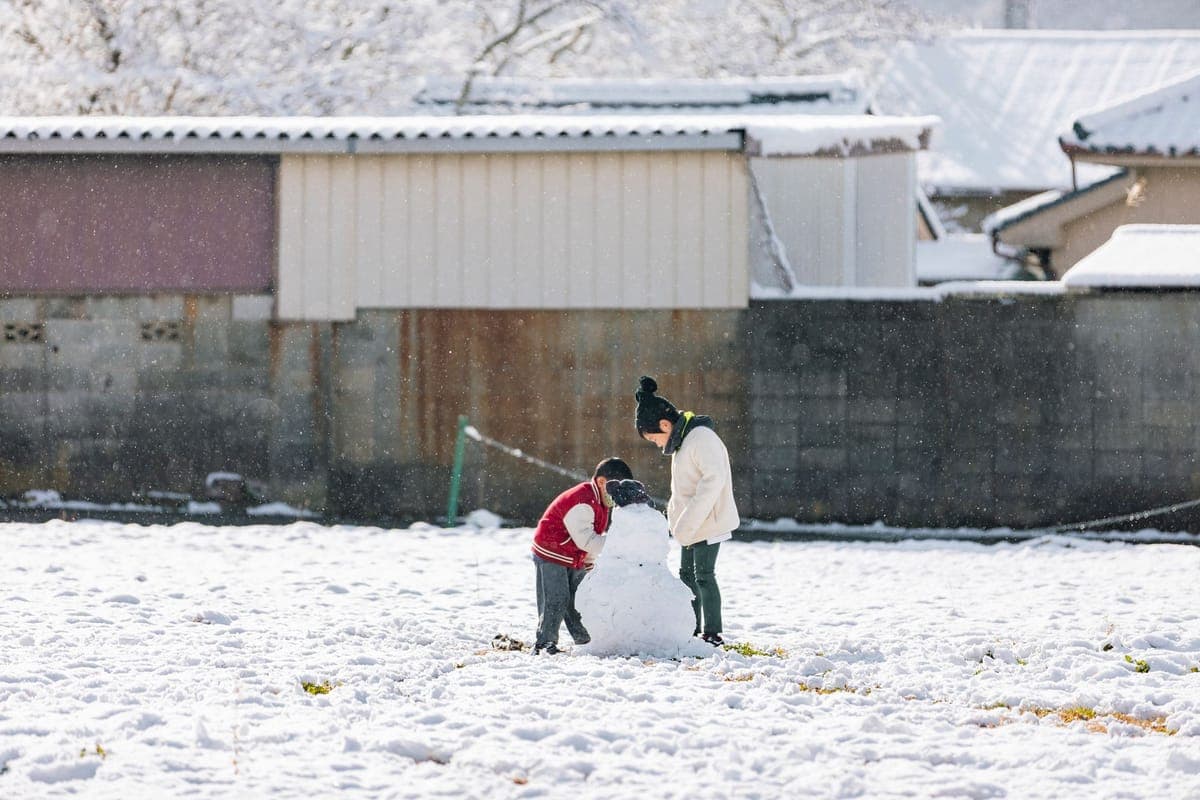
What the non-skiing members of a family actually need, why standing still is colder than skiing, and how to fill a day without a lift ticket.
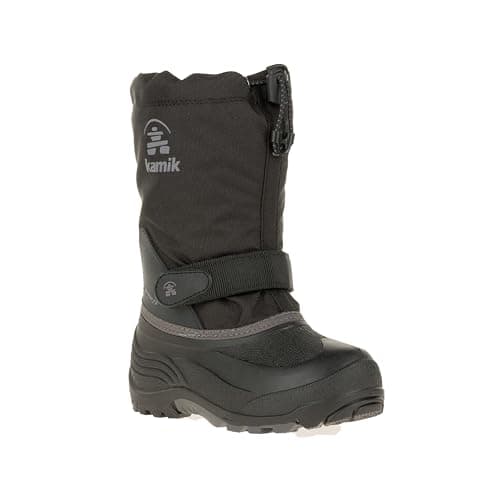
Best kids' snow boots
Published temperature ratings compared, seam sealing against plain waterproofing, and the sizing rule that keeps feet warm.
Top pick: Kamik Waterbug 5 Kids Winter Boots
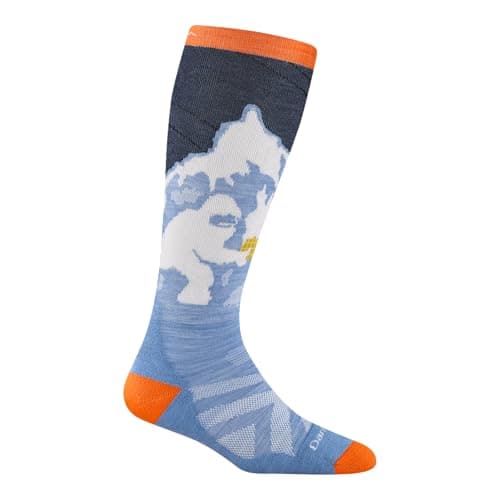
Best kids' ski socks
Published merino weights and cushioning compared, the shin pad that fixes boot-cuff pain, and why two pairs is always wrong.
Top pick: Darn Tough Kids RFL Jr Ultralight Over-the-Calf Ski Socks
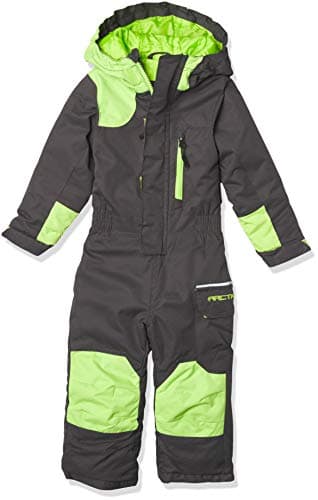
Best toddler snowsuit
Three toddler snowsuits compared on published insulation, seams, reinforcement and rear-zip access.
Top pick: Arctix Kids Dancing Bear Insulated Snowsuit Coveralls
Sizing chart
The four measurements to take, how to read a maker's youth chart, and which published growth features earn a second season.
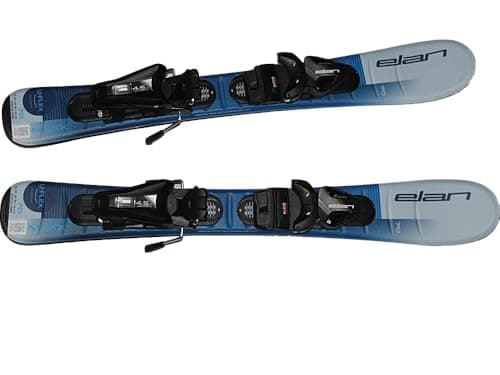
Best kids' skis
Published lengths, turn radius and binding release ranges compared from 70 to 140 cm, with the lease-versus-buy math.
Top pick: Elan Maxx Kids Skis with EL 4.5 GW Bindings
Sizing chart
Published youth fit ranges, the three-point gap check, and how goggles have to be sized with the helmet rather than on their own.
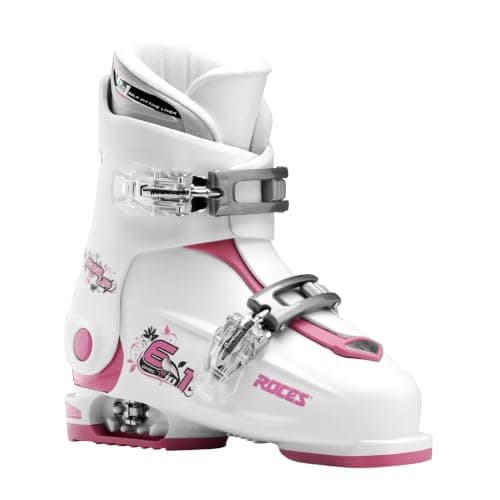
Best kids' ski boots
Three kids' ski boots compared on published size ranges, adjustable shells, flex and sole standards - plus when renting still wins.
Top pick: Roces Idea Up Adjustable Kids Ski Boots, 19.0-22.0 MP
Head to head
A certified kids' set against a helmet and goggle bought separately, on published certifications, rotational liners, lens count and real prices.
Guide
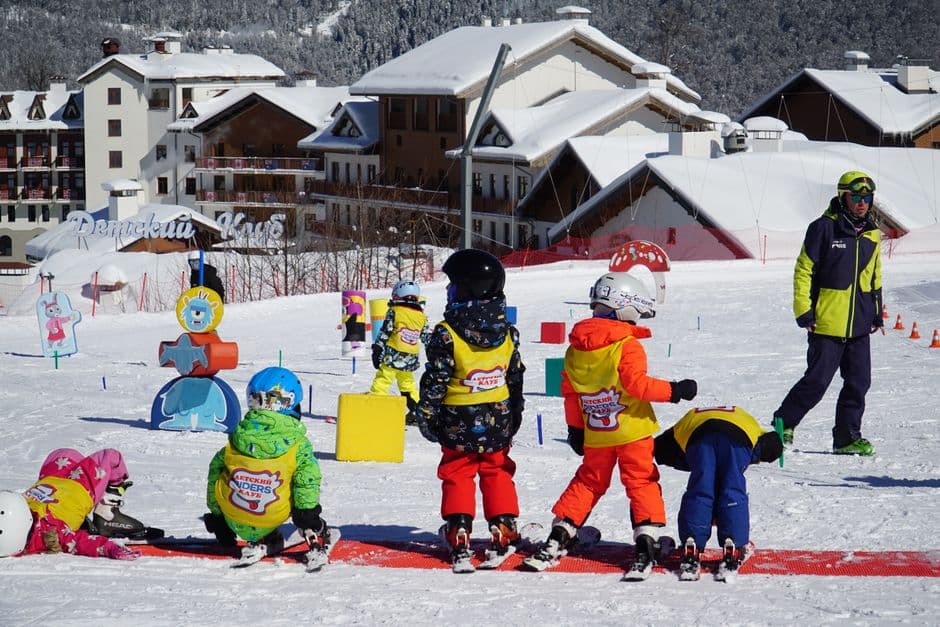
The buy, rent and skip list for a 6-11 year old, what to size up, and a kit total at published prices.
Best kids' ski gifts
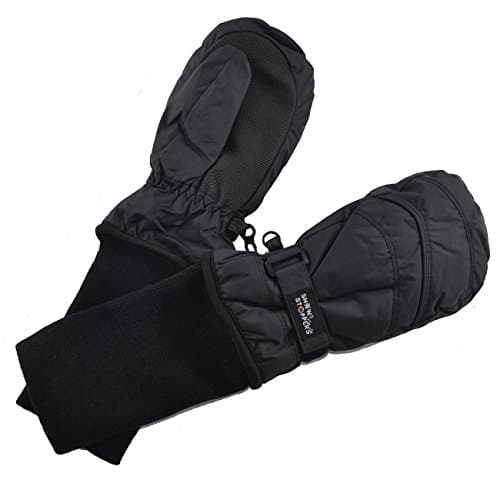
Kids' ski gifts sorted by age band, from toddler to teen, with the sizing traps and the gifts that get used every single day.
Top pick: SnowStoppers Original Extended Cuff Mittens
Best kids' helmet
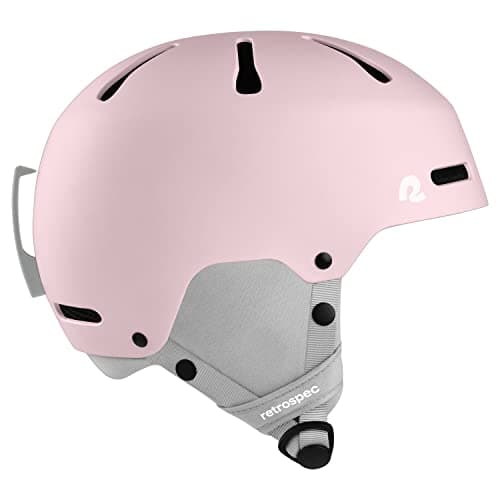
Three certified youth helmets from $39.99 to $110, with the size ranges side by side and the growth allowance spelled out.
Top pick: Retrospec Comstock Kids
Best kids' goggle
Four youth goggles from $29.99 to $40, two of them over-the-glasses, ranked on published UV and anti-fog construction.
Top pick: OutdoorMaster Falcon Kids
Best kids' jacket
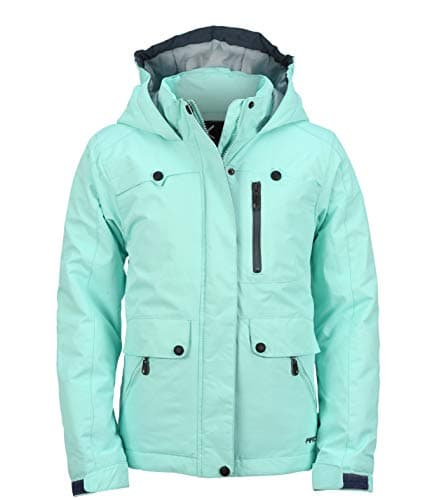
Three youth jackets from $55 to $155, with the cost per day on snow and the second-child effect spelled out.
Top pick: Arctix Kids Jackalope Insulated Jacket
Prices last verified October 19, 2026. Prices move constantly; the figure on Amazon at the moment you click is the real one.
Sizing a child for snow is the problem families actually have, and it is the one the industry answers worst. Search for a children’s helmet size and you get a table of ages, which is useless: two seven-year-olds can be four centimeters apart in head circumference, and four centimeters is a whole size.
So every chart on this site is built on a measurement you take yourself, at home, with a tape measure or a pencil and a wall. Age appears only as context. The three charts are helmet size by head circumference, ski length by height and weight, and boot size by foot length in millimeters.
The honest answer differs by item, and lumping them together is where most advice goes wrong:
This is the arithmetic families come here for, and we run it on the buy versus rent page in full. The short version, computed on our published convention of two seasons at five days each:
Every cost-per-day figure on this site is computed for one wearer. If a jacket goes on to a younger sibling, halve it. If it goes to two, divide by three. This is the single biggest lever in family ski gear economics and nobody publishes it, because it is the calculation that most often says do not buy the expensive one.
A child who is cold, or in a boot that does not fit, will not enjoy a lesson no matter how good the instructor is. Almost every reported case of a child hating skiing traces back to hands, feet or a badly fitted boot. Getting those three right is worth more than every other decision on this page combined, which is why gloves and boot sizing get their own pages.
Deliberately, not on this page. A children’s helmet roundup lives in the helmets section, children’s goggles in goggles, children’s jackets in outerwear. Keeping each category’s picks on one path means a single page carries the depth rather than two near-duplicates competing with each other. They are all tiled above.
Both are cheap, both are bought wrong constantly, and both decide whether a day ends early. Snow boots are ranked on the published temperature rating Kamik states on every model - a comparable number in a category that almost never has one. And ski socks covers the rule parents reliably get backward: one thin sock, never two pairs, because a thick sock inside a fitted boot makes a foot colder rather than warmer.
Most of this section assumes a child who is skiing. For the one who is three, in the snow, and mostly sitting in it, the gear problem is different and simpler: keep the snow out and keep them dry.
The toddler snowsuit roundup compares three one-piece suits on published insulation, seam sealing and reinforcement - plus the rear zip, which is the least glamorous feature on any of them and the one you will think about most on day one.
The kids’ ski roundup compares packages from 70 cm up on what the makers actually publish - length runs, turn radius per length and, on one of them, the binding’s release range - and it starts by making the case that most families should lease rather than buy. Work the length out on the size chart first, because children’s skis are sold as a separate listing for every length.
Youth outerwear sizing is not standardized, so the same alpha size means different measurements at different makers. The kids ski clothing size guide covers the four measurements to take, how to read a maker’s own chart, and which published growth features - adjustable leg length, for instance - are worth paying for instead of buying a jacket two sizes too big.
The children’s goggle size chart explains why no numeric chart exists for goggles, what to check on a child’s face instead, and why sizing up for next season is the one shortcut that guarantees a cold, foggy day.
Measure the head about a centimeter above the eyebrows and around the widest part at the back, then match that measurement to the maker’s own chart. Age is not a reliable guide. The measurement steps and a brand-by-brand table are on the kids helmet size chart.
No. A helmet that moves when the head shakes is too big and does not do its job. Buy the size that fits now, and prefer a helmet with a published dial adjustment range, which covers growth without ever being loose.
For skis and boots, renting or a seasonal lease almost always wins for a growing child. For a helmet, goggles, socks and gloves, buying wins on any realistic number of days. The full arithmetic is on buy versus rent.
Most resort ski schools start group lessons around age three to four, and many run shorter private sessions younger. We do not have a view worth publishing on readiness, but we do have one on gear: the equipment has to fit properly at any age, and a badly fitted boot is the most common reason a small child asks to stop.