Covering your face on the mountain, without fogging your goggles
The cheapest item in a ski kit and the one most likely to ruin your vision, because almost everyone wears it in the position that fogs a goggle.
By Sawyer V. · Published
We have not tested this gear. Everything below is compiled from published specifications and published safety standards, and the arithmetic is public so you can check it. This page carries affiliate links: if you buy through one we earn a commission at no extra cost to you, and it does not change the order of the picks. Full disclosure.
The short answer
Wear a neck gaiter below your nose. Pulled up over the nose it funnels every breath straight into the bottom vents of your goggles, which is the single most common cause of fogging on a ski day. If you genuinely need your face covered in cold or wind, use a balaclava with a shaped breathing panel that directs air outward rather than upward.
| # | Pick | Best for | Score | Price |
|---|---|---|---|---|
| 1 | Darn Tough Alpine Over-the-Calf Lightweight Ski Socks The one piece of ski gear worth buying before anything else | $2 a dayon snow | 6.4/10 | $30.64 - View on Amazon |
| 2 | OutdoorMaster 3M Thinsulate Waterproof Ski Gloves The default adult glove when nothing about your hands is unusual | $2.67 a dayon snow | 6.3/10 | $24.95 - View on Amazon |
| 3 | MERIWOOL Merino 250 Base Layer Top The layer that decides whether a beginner is cold all day | $3.25 a dayon snow | 5.9/10 | $65.00 - View on Amazon |
Prices last verified October 19, 2026. Prices move constantly; the figure on Amazon at the moment you click is the real one.
Start with the mistake
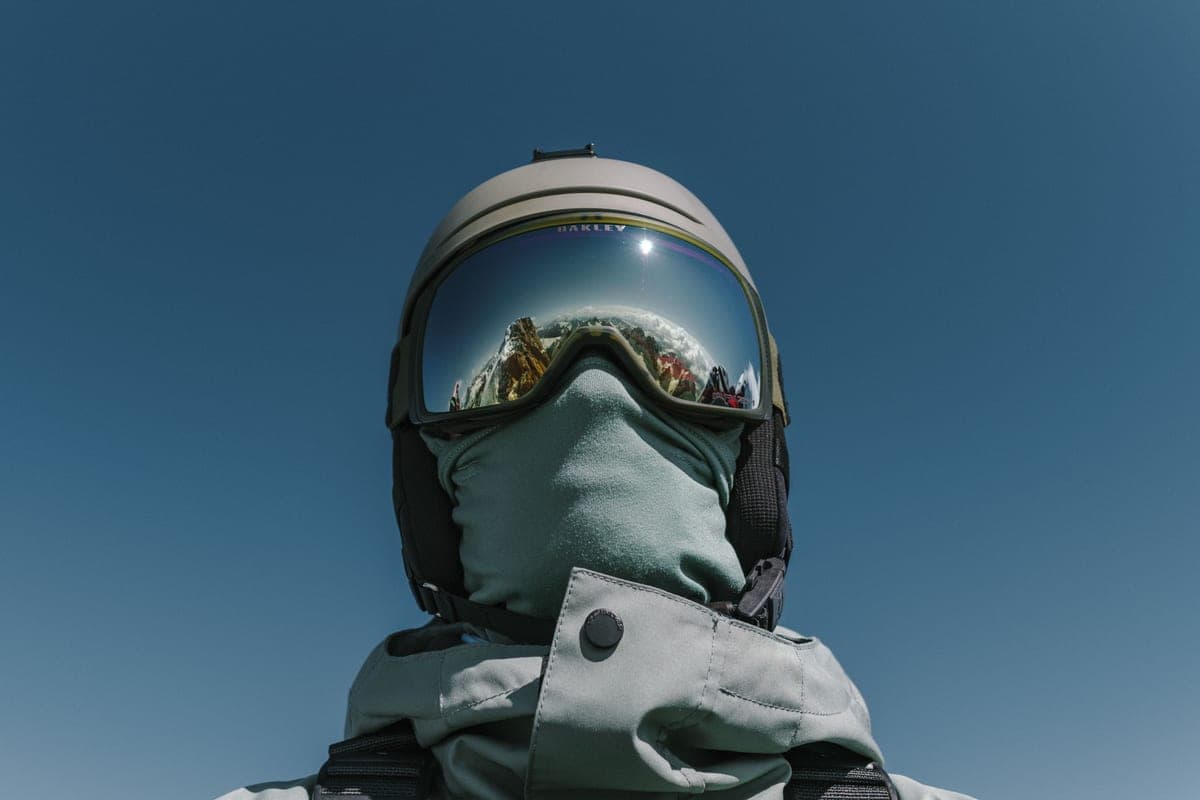
This page exists mostly for one sentence. A tube of fabric pulled up over your nose does not stop your breath, it redirects it, and the direction it redirects it is upward, into the gap between your face and the bottom of your goggle.
You then have warm, saturated air arriving continuously at a cold lens. No anti-fog coating survives that, no amount of venting clears it, and the goggle will fog within a run and stay fogged. If you have ever wondered why your goggles fog and your friend’s do not, this is usually why. The rest of the anti-fog picture.
The four options
| Option | Covers | Best for | Watch out for |
|---|---|---|---|
| Neck gaiter or tube | Neck, and the gap under the helmet | Almost every family ski day | Wearing it over the nose. Keep it below |
| Balaclava | Head, neck and face, under the helmet | Genuinely cold days and windy chairlifts | Thick ones change the helmet fit; buy a thin one |
| Shaped face mask with a breathing panel | Nose and mouth, directing air outward | Cold days where you actually need the nose covered | Cheaper ones do not seal, and then fog the goggle anyway |
| Nothing | - | Mild spring days | Sunburn. Reflected light hits the underside of the chin and nose |
What to cover, by temperature
- Above 32F: a neck gaiter around the neck is usually enough, and often more than enough. Sunscreen matters more than fabric.
- 20F to 32F: gaiter over the neck and chin, below the nose. Wind on a chairlift is what you are dressing for, not the air temperature.
- Below 20F, or windy: a thin balaclava under the helmet, ideally with a shaped breathing panel. This is the temperature where uncovered skin on the cheeks genuinely becomes a problem rather than a discomfort.
The full layering picture for the rest of the body is on what to wear skiing, which has a temperature table for every layer.
The helmet interaction
A balaclava goes under the helmet, and it has to be thin enough not to change the fit. A modern ski helmet is lined and sized to sit against your head; adding a thick fabric layer lifts it, loosens it and undoes the sizing you measured for.
If a balaclava makes your helmet feel tight, that is a signal to buy a thinner balaclava, not a bigger helmet. The helmet fit check should be done with whatever you actually plan to wear underneath, and the balaclava picks are compared on published weight and breathing design for exactly that reason.
Fabric, briefly
The same rule as every other layer: merino or synthetic, never cotton. This item sits directly against damp skin and gets breathed through all day, which is the worst possible job for cotton.
- Merino keeps working when damp and does not smell after several days, which matters for something worn over your mouth.
- Synthetic dries faster and costs less, and smells after one hard day.
- Fleece-lined tubes are warm and are the ones most likely to be too thick under a helmet. Check the helmet fit before the season, not on the first morning.
The base layer guide covers the merino against synthetic question in more detail; the same reasoning applies here.
The default answer in this category is a stretch tube, and it is the item most often bought without reading anything at all. The neck gaiter roundup compares the published fabric, stretch and UPF figures, and covers the wearing mistake that fogs a goggle within minutes of the first lift.
Fabric covers most of a face for nothing, and sunscreen covers the rest - compared there on published SPF, actives and the 40- or 80-minute water-resistance claim that is the only one a maker is allowed to print.
The part nobody plans for
Sunburn on the underside of the chin and nose. Snow reflects a large share of the sunlight that hits it, so a ski day burns you from below as well as above, and overcast days catch people out worst because they do not feel like sun.
Sunscreen on everything not covered by fabric, reapplied at lunch, and lip balm with sun protection. It is on the gear checklist for a reason and it is the item most commonly left at home.
Children
A gaiter rather than a balaclava for most children: it is easier to put on, easier to pull down when they get warm, and one less thing to fight about in a parking lot. Buy two, because it will end up wet from being chewed or breathed through.
And check it against their helmet and goggles together before the trip. The children’s helmet size chart assumes nothing bulky underneath, which is the correct assumption.
Every pick, with the working
Each entry shows the published inputs, the axis scores they produce, and what you give up. The order is the computed order, not a commercial one, and the arithmetic is open underneath each score.
1 · The one piece of ski gear worth buying before anything else
Darn Tough Alpine Over-the-Calf Lightweight Ski Socks
The only item in this entire ledger with an unconditional lifetime guarantee. It is a $30 sock that the maker will replace forever, which over any realistic number of ski days is the cheapest thing on the site.
- Published price
- $30
- Cost per day on snow
- $2 a day
- Amortized over
- 3 seasons (15 days)
- Certified to
- Not published
- Published sizes
- S through XL
- Warranty
- Unconditional lifetime guarantee
What it gets right
- Unconditional lifetime guarantee, published without qualifying conditions
- Lightweight merino, which is correct for a modern ski boot: a thick sock makes boots colder, not warmer
- Over-the-calf length, so the boot cuff never touches bare skin
What you give up
- $30 for one pair of socks reads as absurd until the replacement policy is read
- Lightweight is the right choice but feels wrong to anyone expecting a thick ski sock
The working behind the 6.4
- Cost per day on snow: 9.6
- $30 over 3 seasons at 5 days each = 15 days = $2 a day
- Published protection: not scored
- Socks carry no protective standard, so this axis does not apply.
- Size availability: 5.1
- 4 published sizes (5.1 of 8.5); no continuous adjuster published (+0); range: S through XL
- Warranty and support: 2.0
- no published term (0 of 6); no published crash replacement (+0); repair or replacement parts published (+2)
Axes with unpublished inputs are dropped and the remaining weights re-normalized, so a product is not punished for a manufacturer’s silence. Specifications compiled September 3, 2026 from Darn Tough published specifications.
2 · The default adult glove when nothing about your hands is unusual
OutdoorMaster 3M Thinsulate Waterproof Ski Gloves
Named Thinsulate insulation and a published two-year warranty at $39.99, which is the only glove here that publishes a warranty term at all. Over three seasons that is $2.67 a day.
- Published price
- $39.99
- Cost per day on snow
- $2.67 a day
- Amortized over
- 3 seasons (15 days)
- Certified to
- Not published
- Waterproof rating
- Not published
- Published sizes
- S through XL
- Warranty
- OutdoorMaster 2-year warranty
What it gets right
- Two-year published warranty, which no other glove here states
- 3M Thinsulate insulation named rather than unspecified fill
- $39.99, which is $2.67 a day over three seasons at five days each
What you give up
- No published waterproof rating in millimeters
- Four sizes, so hands at the extremes are less well served
The working behind the 6.3
- Cost per day on snow: 9.1
- $39.99 over 3 seasons at 5 days each = 15 days = $2.67 a day
- Published protection: not scored
- No waterproof rating or seam construction published.
- Size availability: 5.1
- 4 published sizes (5.1 of 8.5); no continuous adjuster published (+0); range: S through XL
- Warranty and support: 2.5
- 2 yr (2.5 of 6); no published crash replacement (+0); no published repair route (+0)
Axes with unpublished inputs are dropped and the remaining weights re-normalized, so a product is not punished for a manufacturer’s silence. Specifications compiled September 3, 2026 from OutdoorMaster published specifications.
3 · The layer that decides whether a beginner is cold all day
MERIWOOL Merino 250 Base Layer Top
250 g per square meter of merino is the midweight number, and midweight is the right answer for a beginner who alternates between standing still in a lesson and sweating on a magic carpet. Wool keeps working when it is damp; cotton does the opposite.
- Published price
- $65
- Cost per day on snow
- $3.25 a day
- Amortized over
- 4 seasons (20 days)
- Certified to
- Not published
- Published sizes
- S through XXL
- Warranty
- No term published on the product page
What it gets right
- 250 gsm published, so the weight can be compared against any other merino layer
- Wool retains warmth when damp, which is the entire argument against a cotton shirt
- Wearable for several days, which matters on a trip with one suitcase
What you give up
- $65 for a single top is more than a pair of snow pants here
- Merino needs cool washing and takes a long time to dry
The working behind the 5.9
- Cost per day on snow: 8.7
- $65 over 4 seasons at 5 days each = 20 days = $3.25 a day
- Published protection: not scored
- Base layers carry no protective standard, so this axis does not apply.
- Size availability: 6.8
- 5 published sizes (6.8 of 8.5); no continuous adjuster published (+0); range: S through XXL
- Warranty and support: 0.0
- no published term (0 of 6); no published crash replacement (+0); no published repair route (+0)
Axes with unpublished inputs are dropped and the remaining weights re-normalized, so a product is not punished for a manufacturer’s silence. Specifications compiled September 3, 2026 from MERIWOOL published specifications.
Prices last verified October 19, 2026. Prices move constantly; the figure on Amazon at the moment you click is the real one.
Questions people actually ask
Should I wear a neck gaiter over my nose when skiing?
No. It funnels your breath upward into the bottom of your goggles and fogs the lens within a run. Keep it below the nose, or use a balaclava with a shaped breathing panel that directs air outward.
Do I need a balaclava for skiing?
Below about 20F, or on a windy day, yes. Above that a neck gaiter around the neck and chin is usually enough. Buy a thin one so it does not change your helmet fit.
Can you wear a balaclava under a ski helmet?
Yes, and that is where it goes. It has to be thin: a thick balaclava lifts the helmet off your head and loosens the fit you measured for.
Why do my goggles fog when I cover my face?
Because the fabric redirects your breath upward into the goggle rather than stopping it. Either wear it below the nose, or use a covering with a shaped breathing panel that sends air outward instead.
Do you get sunburned skiing on a cloudy day?
Yes, and it is when people get caught out most. Snow reflects a large share of the sunlight that reaches it, which burns the underside of the chin and nose as well as the face.