Shell vs insulated ski jacket: which one you actually want
Three kinds of ski jacket, one clear answer for most families, and a note on the ski-versus-snowboard question while we are here.
By Sawyer V. · Published
We have not tested this gear. Everything below is compiled from published specifications and published safety standards, and the arithmetic is public so you can check it. This page carries affiliate links: if you buy through one we earn a commission at no extra cost to you, and it does not change the order of the picks. Full disclosure.
The short answer
A shell is waterproof with no insulation, so you control warmth with the layers underneath. An insulated jacket has the warmth built in and is simpler but works in one temperature band. A 3-in-1 is a shell with a zip-out insulated liner and each works alone. For a family skiing a few days a year in unknown weather, the 3-in-1 is usually the right buy, because both halves get worn for the rest of the winter.
| # | Pick | Best for | Score | Price |
|---|---|---|---|---|
| 1 | Arctix Men's Icecap Insulated Jacket A cold dry week where price matters more than a spec sheet | $4.20 a dayon snow | 4.7/10 | $92.11 - View on Amazon |
| 2 | Wantdo Men's 3-in-1 Ski Jacket A wet-snow resort at a price that does not assume a season pass | Not publishedon snow | 3.8/10 | $59.97 - View on Amazon |
| 3 | Columbia Whirlibird V Interchange Jacket One jacket that has to work on the mountain and at home | $10 a dayon snow | 3.2/10 | $250.00 - View on Amazon |
Prices last verified October 19, 2026. Prices move constantly; the figure on Amazon at the moment you click is the real one.
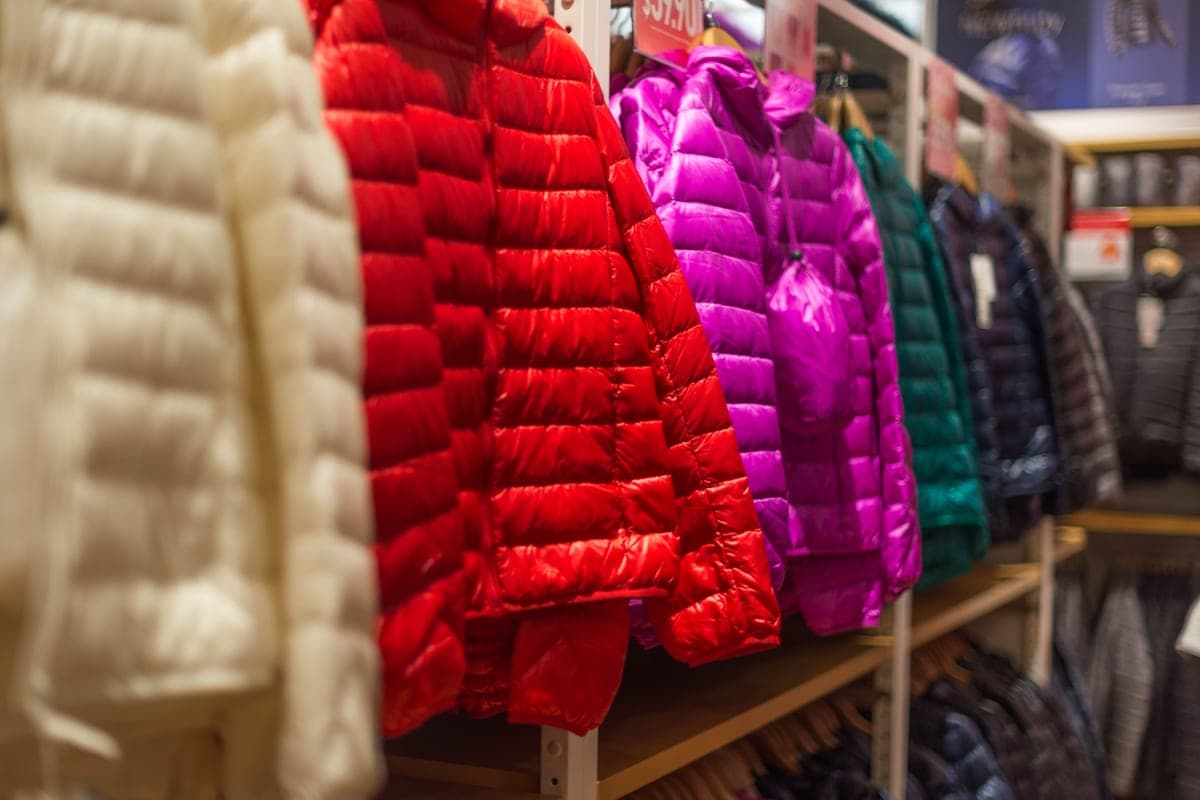
The three types
| Type | What it is | Best for | The catch |
|---|---|---|---|
| Shell | Waterproof outer layer only, no insulation | Skiers who run hot, spring skiing, anyone who already owns fleeces and puffies | You have to own the layers, and get the layering right |
| Insulated | Waterproof outer with insulation permanently built in | Cold resorts, people who want one decision | One temperature band. Too warm on a spring day and you cannot remove anything |
| 3-in-1 | Shell plus a zip-out insulated liner; each wearable alone | Families, unknown weather, anyone who wants the jacket used off the mountain too | Bulkier and usually heavier than either half bought separately |
Why a shell is the technically better answer
The layering system exists because your body produces wildly different amounts of heat over a ski day. Standing in a lift line you are barely generating any; three turns into a run you are working hard. A shell plus separate mid layers lets you change the insulation to match, which is what actually keeps you comfortable.
An insulated jacket cannot do that. It is a single fixed level of warmth, and the only adjustment is opening it up, which works until it is genuinely cold. The full layering system is here, from the skin outward.
Why most families should still not buy a shell
Because a shell only works if you own the mid layers, and a family arriving from somewhere warm frequently does not. Buying a shell and then buying a fleece and a light puffy to go under it is three purchases where an insulated jacket is one, and the total is usually higher.
The 3-in-1 is the compromise that solves this honestly: you get the shell and the insulated layer in one purchase, they zip together for a cold day, and either works alone. For a once-a-year skier that is a genuinely better buy than either pure option.
Reading insulation, when it is published
Synthetic insulation is measured in grams per square meter. Roughly, 60 g is light, 100 g is a normal ski jacket, and 150 g and up is genuinely cold-weather. Down is measured in fill power instead, and while it is warmer for its weight, it loses most of its loft when wet, which is why it is less common in ski outerwear than in mountain jackets.
As with waterproof ratings, plenty of brands publish nothing. Our jacket picks show what each maker does and does not publish, and the scoring drops any axis whose inputs are missing rather than guessing.
Are ski and snowboard jackets different?
Functionally, barely. The fabrics, the ratings, the seam construction and the features are the same, and either works for either sport. What differs is cut: snowboard jackets are traditionally longer and looser, ski jackets trimmer. That is styling, and it changes nothing about whether you stay dry.
The one genuine functional difference to look for, in either, is a powder skirt. Snowboarders sit down constantly and a good powder skirt matters more to them. A beginner skier sits down constantly too, so it matters just as much.
The features worth paying for, in any type
- Pit zips. Vents under the arms. Worth more than most breathability claims, because dumping heat is instant and a fabric specification is not.
- A powder skirt. The elasticated band inside the hem.
- Wrist gaiters. Inner cuffs with a thumb hole, which stop snow going up the sleeve.
- A helmet-compatible hood. Test it with the helmet on.
The short verdict
Buy a 3-in-1 if you ski a few days a year in weather you cannot predict and want the jacket used for the rest of the winter. Buy an insulated jacket if your resort is reliably cold and you want one decision. Buy a shell only if you already own good mid layers, in which case you already knew that.
And whichever you choose, the pants matter more than the jacket for a beginner, which is worth reading before you allocate the budget.
Every pick, with the working
Each entry shows the published inputs, the axis scores they produce, and what you give up. The order is the computed order, not a commercial one, and the arithmetic is open underneath each score.
1 · A cold dry week where price matters more than a spec sheet
Arctix Men's Icecap Insulated Jacket
Arctix publishes a 3,000 mm rating on its insulated snow pants and no rating at all on this jacket, which is worth saying out loud rather than quietly borrowing the pants figure. What it does publish is insulation and critical seam sealing at $105.
- Published price
- $105
- Cost per day on snow
- $4.20 a day
- Amortized over
- 5 seasons (25 days)
- Certified to
- Not published
- Waterproof rating
- Not published
- Published sizes
- S through XXL
- Warranty
- No term published on the product page
What it gets right
- $105 published, which over five seasons is $4.20 a day on snow
- Critical seams sealed, which is what most family-price outerwear does
- Five published sizes
What you give up
- No waterproof rating published for this jacket, so it cannot be compared numerically
- Critical seams rather than fully sealed
The working behind the 4.7
- Cost per day on snow: 8.0
- $105 over 5 seasons at 5 days each = 25 days = $4.20 a day
- Published protection: 2.0
- no published waterproof rating (0 of 6); critically taped or untaped seams (+0); insulation or shell construction published (+2)
- Size availability: 6.8
- 5 published sizes (6.8 of 8.5); no continuous adjuster published (+0); range: S through XXL
- Warranty and support: 0.0
- no published term (0 of 6); no published crash replacement (+0); no published repair route (+0)
Axes with unpublished inputs are dropped and the remaining weights re-normalized, so a product is not punished for a manufacturer’s silence. Specifications compiled September 3, 2026 from Arctix published specifications.
2 · A wet-snow resort at a price that does not assume a season pass
Wantdo Men's 3-in-1 Ski Jacket
Publishes a 10,000 mm waterproof rating, which is a genuine resort-day figure and more than three times what the budget snow pants on this site publish. It is also the only jacket here that names a membrane rather than a coating.
- Published price
- Not published
- Cost per day on snow
- Not published
- Amortized over
- 5 seasons (25 days)
- Certified to
- Not published
- Waterproof rating
- 10,000 mm
- Published sizes
- S through XXL
- Warranty
- No term published on the product page
Wantdo lists this jacket across a price range that varies by colorway and size rather than publishing a single MSRP, so the cost-per-day axis is not scored.
What it gets right
- Publishes 10,000 mm, a number most brands at any price decline to state
- Names a microporous TPU membrane rather than a surface coating
- Three-in-one construction with a zip-out fleece liner
What you give up
- No single published price, so cost per day cannot be computed in advance
- Seam construction is not published, and seams leak before fabric does
The working behind the 3.8
- Cost per day on snow: not scored
- No manufacturer-published price, so this axis is not scored.
- Published protection: 4.5
- 10,000mm waterproof rating (2.5 of 6); seam sealing not published (+0); insulation or shell construction published (+2)
- Size availability: 6.8
- 5 published sizes (6.8 of 8.5); no continuous adjuster published (+0); range: S through XXL
- Warranty and support: 0.0
- no published term (0 of 6); no published crash replacement (+0); no published repair route (+0)
Axes with unpublished inputs are dropped and the remaining weights re-normalized, so a product is not punished for a manufacturer’s silence. Specifications compiled September 3, 2026 from Wantdo published specifications.
3 · One jacket that has to work on the mountain and at home
Columbia Whirlibird V Interchange Jacket
Two jackets in one: a waterproof shell and a zip-out insulated liner that each work alone. For a family that skis one week a year and spends the other fifty-one weeks in a cold parking lot, that is genuinely two purchases avoided.
- Published price
- $250
- Cost per day on snow
- $10 a day
- Amortized over
- 5 seasons (25 days)
- Certified to
- Not published
- Waterproof rating
- Not published
- Published sizes
- S through XXL
- Warranty
- No term published on the product page
What it gets right
- Three-in-one construction, so the shell and the liner are each usable on their own
- Omni-Tech waterproof-breathable fabric with critical seams sealed
- Sold in five sizes with regular, big and tall variants
What you give up
- Columbia publishes no hydrostatic-head figure, so its waterproofing cannot be compared numerically against a rated jacket
- Critical seams are sealed rather than every seam
- $250 is the most expensive item in this ledger apart from the skis
The working behind the 3.2
- Cost per day on snow: 3.7
- $250 over 5 seasons at 5 days each = 25 days = $10 a day
- Published protection: 2.0
- no published waterproof rating (0 of 6); critically taped or untaped seams (+0); insulation or shell construction published (+2)
- Size availability: 6.8
- 5 published sizes (6.8 of 8.5); no continuous adjuster published (+0); range: S through XXL
- Warranty and support: 0.0
- no published term (0 of 6); no published crash replacement (+0); no published repair route (+0)
Axes with unpublished inputs are dropped and the remaining weights re-normalized, so a product is not punished for a manufacturer’s silence. Specifications compiled September 3, 2026 from Columbia published specifications.
Prices last verified October 19, 2026. Prices move constantly; the figure on Amazon at the moment you click is the real one.
Questions people actually ask
Should I buy a ski shell or an insulated jacket?
A shell is more versatile if you already own fleeces and light puffies. If you do not, an insulated jacket or a 3-in-1 is usually cheaper overall and simpler, and a 3-in-1 gets used far more days a year.
Are ski and snowboard jackets the same?
Functionally yes. Same fabrics, same ratings, same construction. Snowboard cuts are typically longer and looser, ski cuts trimmer, and either works for either sport.
How much insulation do I need in a ski jacket?
Around 100 g of synthetic insulation is a normal ski jacket. 60 g is light and suits people who run hot or ski in spring; 150 g and up is for genuinely cold resorts. Many brands publish nothing, in which case you cannot compare.
Is a 3-in-1 jacket warm enough for skiing?
Zipped together, yes, for the conditions most family skiers meet. In genuinely extreme cold you would add a mid layer underneath, which the system is designed to allow.