Buying your first skis or snowboard, and when not to
Ski and board length by height, what a package actually includes, and an honest account of which parts of this you should not buy online at all.
Nothing here has been tested by us. How we pick · Who writes this · How we earn
Start with the part most sites skip
Of everything on this website, hardgoods are the category where buying online is least straightforward, and pretending otherwise would be the easiest way for us to make money and lose your trust. Three things are true at once:
- Boots matter more than skis and cannot be bought blind. A ski boot is a steering control fitted to the shape of your foot. Boot fitting is a real skill and a shop that does it well is worth paying for. Nothing on this page will tell you which boot to order.
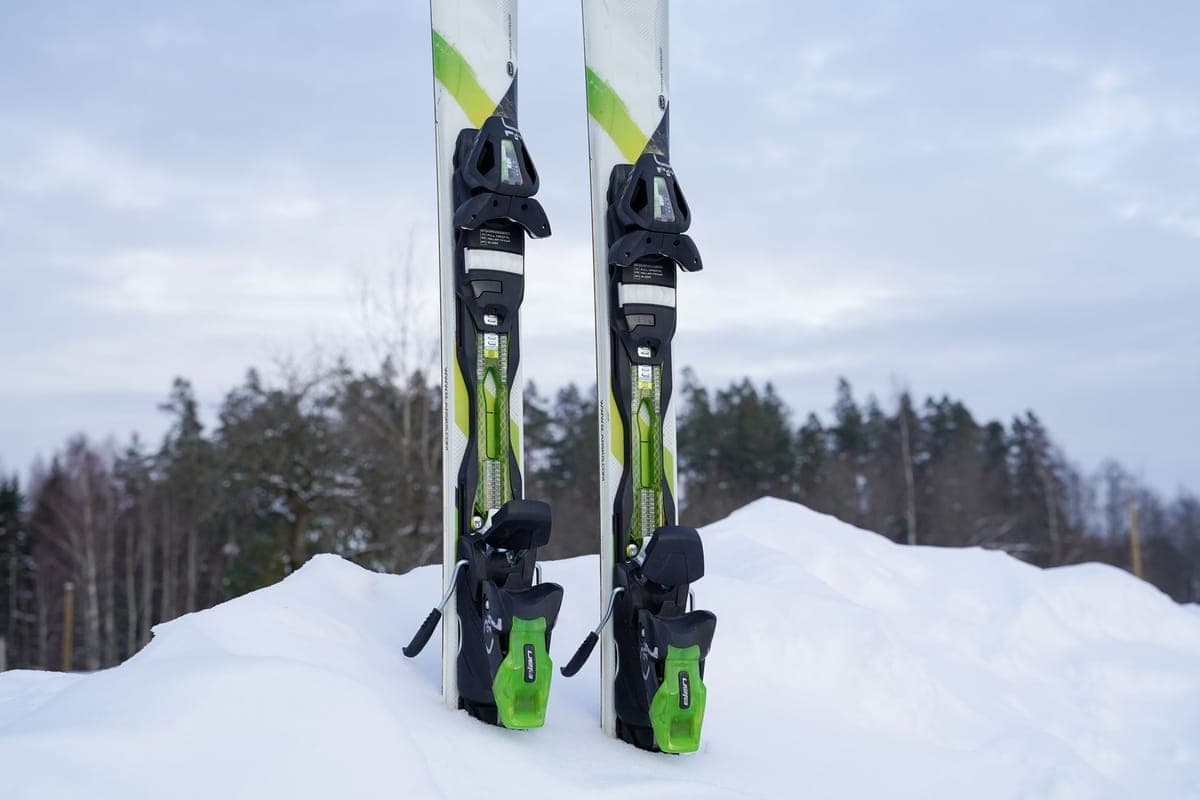
- Bindings have to be adjusted by a shop. A ski binding releases at a setting calculated from height, weight, age, boot sole length and ability. A package arriving with bindings mounted still needs that setting checked and set. It is not optional and it is not expensive.
- Much of this category is not on Amazon. Several well-regarded ski and snowboard brands sell mainly through specialist retailers. We only write comparisons whose buy button can actually exist, so this section is built around what is genuinely available rather than what would be convenient to recommend.
Length is the one thing you can get right at home
Ski length is chosen against your height, with adjustments for weight and ability. A beginner wants a shorter ski, which is easier to turn and slower to build speed; a longer ski is more stable but less forgiving. The adult ski length chart gives the band by height and shows the beginner adjustment. For children the ski is sized against height and weight together, and the range is wide enough that picking the top of it buys a season: the children’s chart is here.
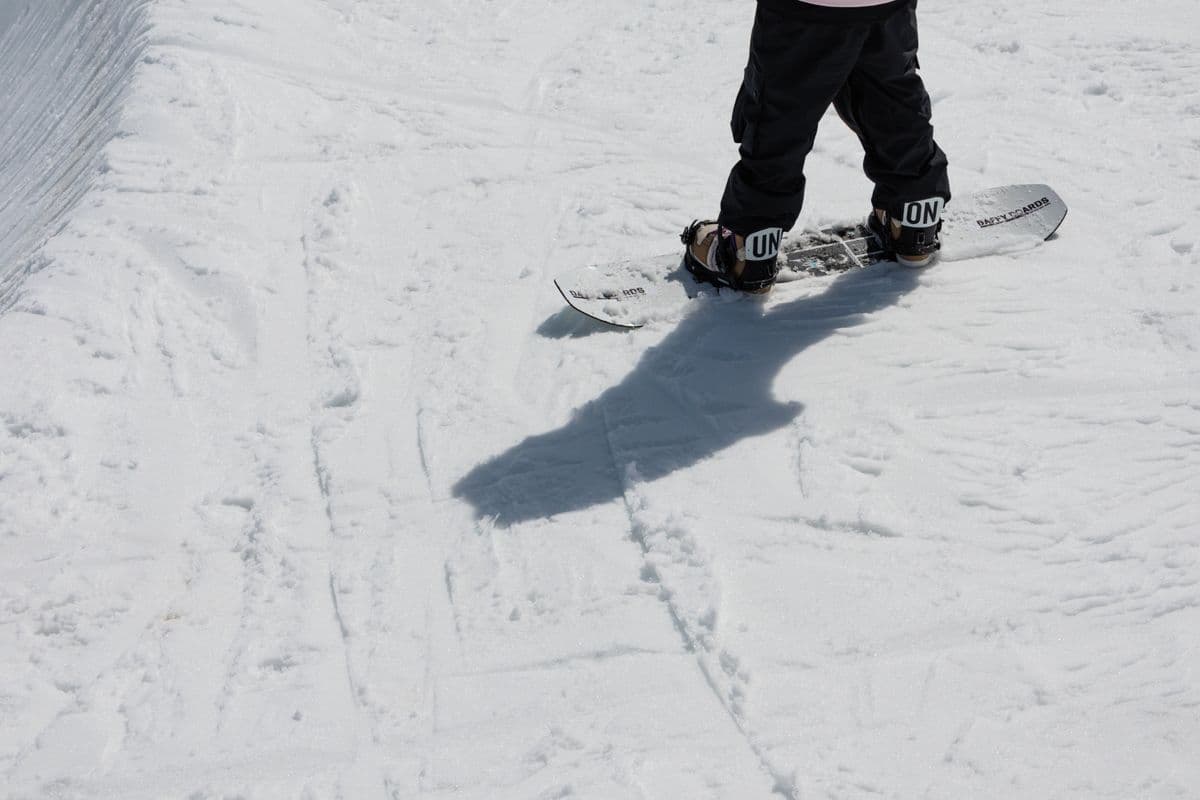
Snowboard length works differently, and the old rule about the board reaching your chin is a rough approximation that ignores weight, which matters more. Manufacturers publish a rider weight range for each length, and that is the number to use.
What a package includes, and what it does not
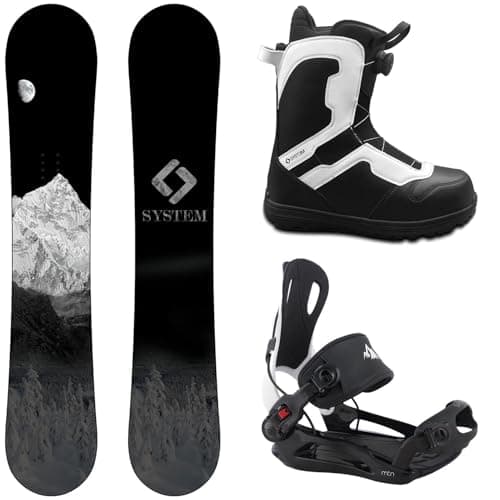
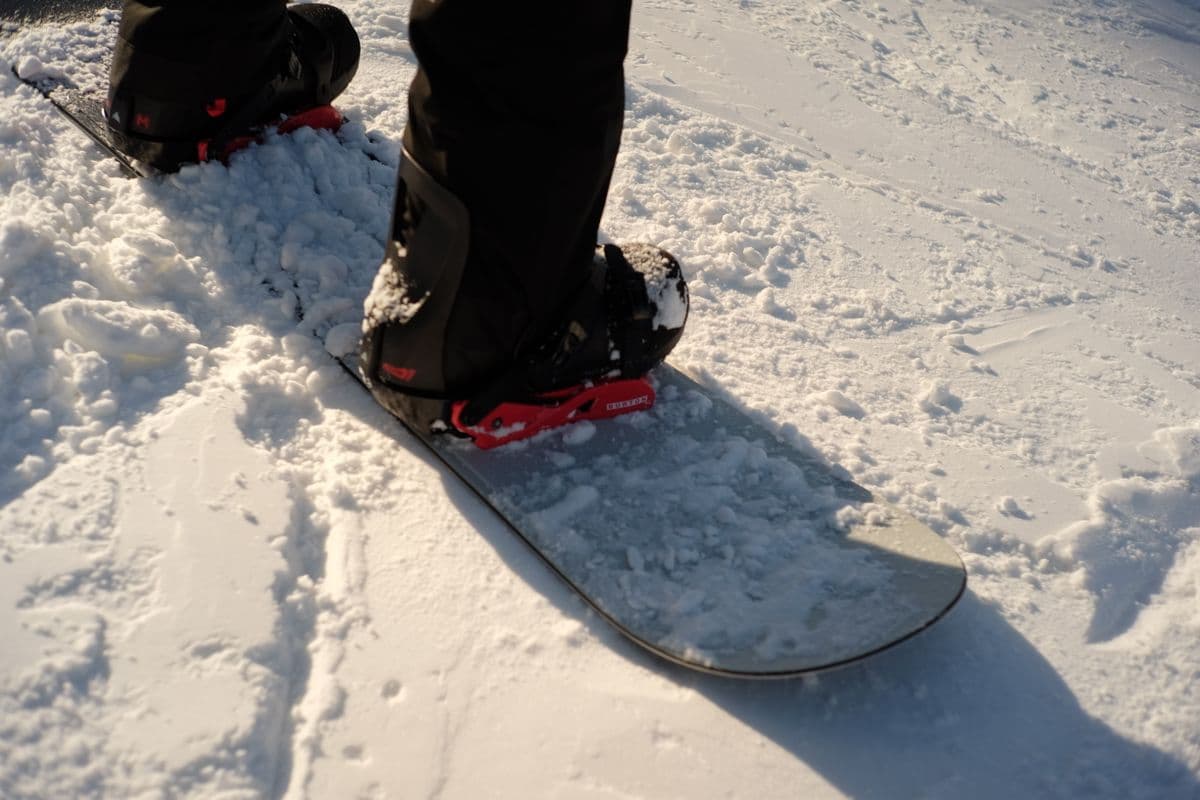
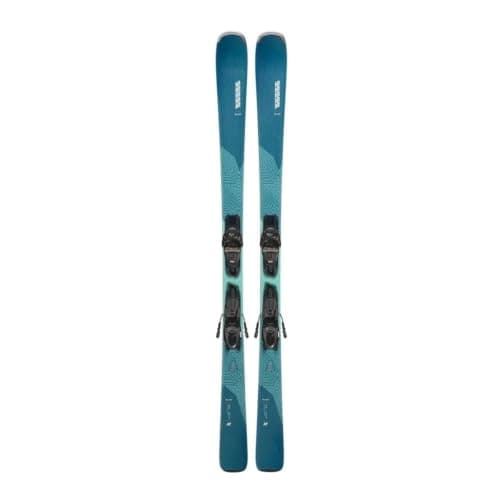
A beginner package is a ski or board sold with bindings already mounted. It is genuinely cheaper than buying the parts separately and it removes one decision. What it does not include, almost universally, is boots. Budget for those separately and buy them where someone can watch you stand in them.
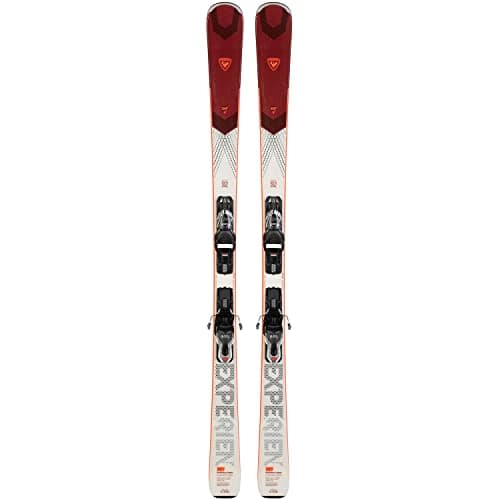
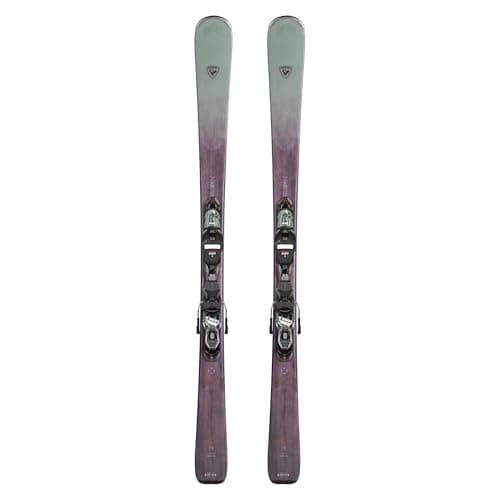
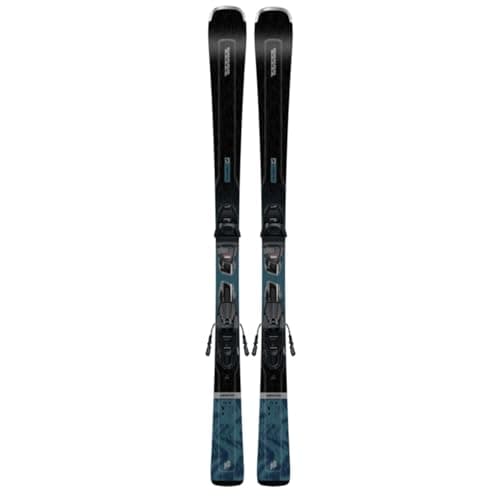
On the ski side, one of our picks is published by its maker at beginner skill level and sold with bindings included, which is unusually clear labeling in a category that mostly leaves you guessing. The ski picks are here and the snowboard picks here.
Boots, briefly, because they matter most
Ski boots are sized in Mondopoint, which is simply the length of your foot in centimeters. That makes them easier to understand than shoe sizes and harder to buy, because two boots at the same Mondopoint size can fit completely differently depending on the width of the shell. The boot size chart converts shoe size to Mondopoint and explains how to measure your foot properly, which is a five-minute job with a piece of paper and a wall.
Should you be buying any of this yet?
For most families reading this site, honestly, no. A first setup makes sense once someone is skiing enough days that rental fees have become annoying, which is usually somewhere north of ten days a season, and once their ability has settled enough that a beginner ski will not be outgrown in ability terms in one winter.
The buy versus rent page runs the numbers properly, and the cost page lists what each part of a setup runs to buy against renting. If the answer comes out as rent, that is a good outcome and it costs you nothing to have checked.
Choosing the ski, the binding and the pole
The size charts above tell you how long. What they do not tell you is which ski, and that is a separate decision with a smaller set of honest answers than the category implies.
- All-mountain skis - what the category actually means, the published waist widths that define it, and why it is the right answer for almost everybody buying a first pair.
- Women’s skis explained - what is genuinely different in the construction, what is only a topsheet, and when to ignore the label entirely.
- The DIN chart - how a release setting is calculated from weight, height, age, boot sole length and skier type, and why you should never set it yourself.
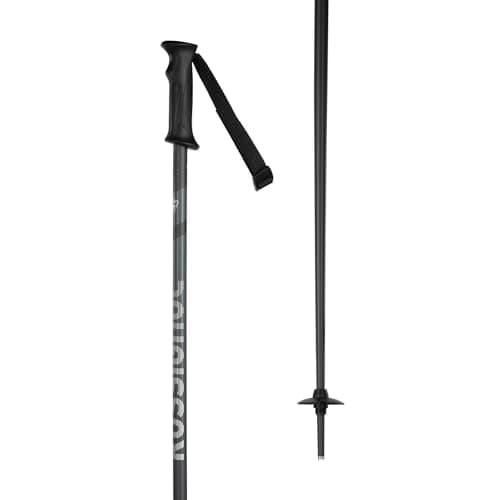
- Adjustable against fixed poles - the one place on this site where the cheaper, simpler product is also the better one for resort skiing.
Four more ways to spend a winter day
- Ice skates for adults - and the specification that decides your first outing, which is not the boot.
- Snow tubes - published diameters and cover materials, and the hill rule that matters more than the product.
- Sleds for adults - where a child’s sled stops working, and the two formats that carry a grown-up.
- Cross-country packages - what a complete Nordic setup includes, and why the skis are sized by weight.
Two things this section was missing
Neither is glamorous and both are bought badly more often than skis are.
- Women’s skis - compared on published waist width, sidecut and turn radius per length, with an honest note on what the women’s label changes and what it does not.
- Ski poles - the case for spending sixty dollars on aluminum rather than three hundred on carbon, and the ten-second sizing test.
The pole page is the shorter read and the one more people need. The sizing chart lives here and the roundup covers what to actually buy once you know your length.
Boots: breaking in, wide feet and binding compatibility
Boots generate more questions than every other item here combined. Breaking in ski boots separates the pain that is normal from the pain that means a fitting problem, and ski boots for wide feet explains why buying a longer boot to get a wider one makes the problem worse. GripWalk and boot sole standards is the compatibility homework to do before buying boots and skis in different places - it is the one mistake that leaves you with gear a shop cannot legally set up.
Skis at the bottom of the market
The best skis under $500 compares complete ski and binding packages on the three numbers that survive the marketing - length, waist width and turn radius - and is clear about where the money is better spent first.