How to size ski gloves and mittens, for adults and children
Measure across the knuckles, not the length. A glove that is slightly too big is colder than one that fits, and that is the mistake almost every family makes with children.
By Sawyer V. · Published
We have not tested this gear. Everything below is compiled from published specifications and published safety standards, and the arithmetic is public so you can check it. This page carries affiliate links: if you buy through one we earn a commission at no extra cost to you, and it does not change the order of the picks. Full disclosure.
The short answer
Measure the circumference of your dominant hand around the knuckles, excluding the thumb, in inches. That figure maps to the brand chart. You want about a quarter inch of room at the fingertips and no more: a loose glove is a cold glove, because your fingers stop heating the air inside it. For a child between two sizes, take the smaller one and buy a second pair rather than buying up.
| # | Pick | Best for | Score | Price |
|---|---|---|---|---|
| 1 | OutdoorMaster Ski Mittens Anyone whose hands get cold, which the gloves will not fix | $2.33 a dayon snow | 6.4/10 | $24.95 - View on Amazon |
| 2 | OutdoorMaster 3M Thinsulate Waterproof Ski Gloves The default adult glove when nothing about your hands is unusual | $2.67 a dayon snow | 6.3/10 | $24.95 - View on Amazon |
| 3 | Burton Profile Gloves An adult beginner who will spend the day with wet hands otherwise | $3.53 a dayon snow | 5.8/10 | $52.95 - View on Amazon |
| 4 | OutdoorMaster Kids 3M Thinsulate Waterproof Ski Gloves A child old enough to want fingers rather than mittens | $6.00 a dayon snow | 4.7/10 | Check price on Amazon |
| 5 | N'Ice Caps Kids Thinsulate Waterproof Gloves A child who will put both hands in the snow within ten minutes | Not publishedon snow | 3.4/10 | $19.99 - View on Amazon |
Prices last verified October 21, 2026. Prices move constantly; the figure on Amazon at the moment you click is the real one.
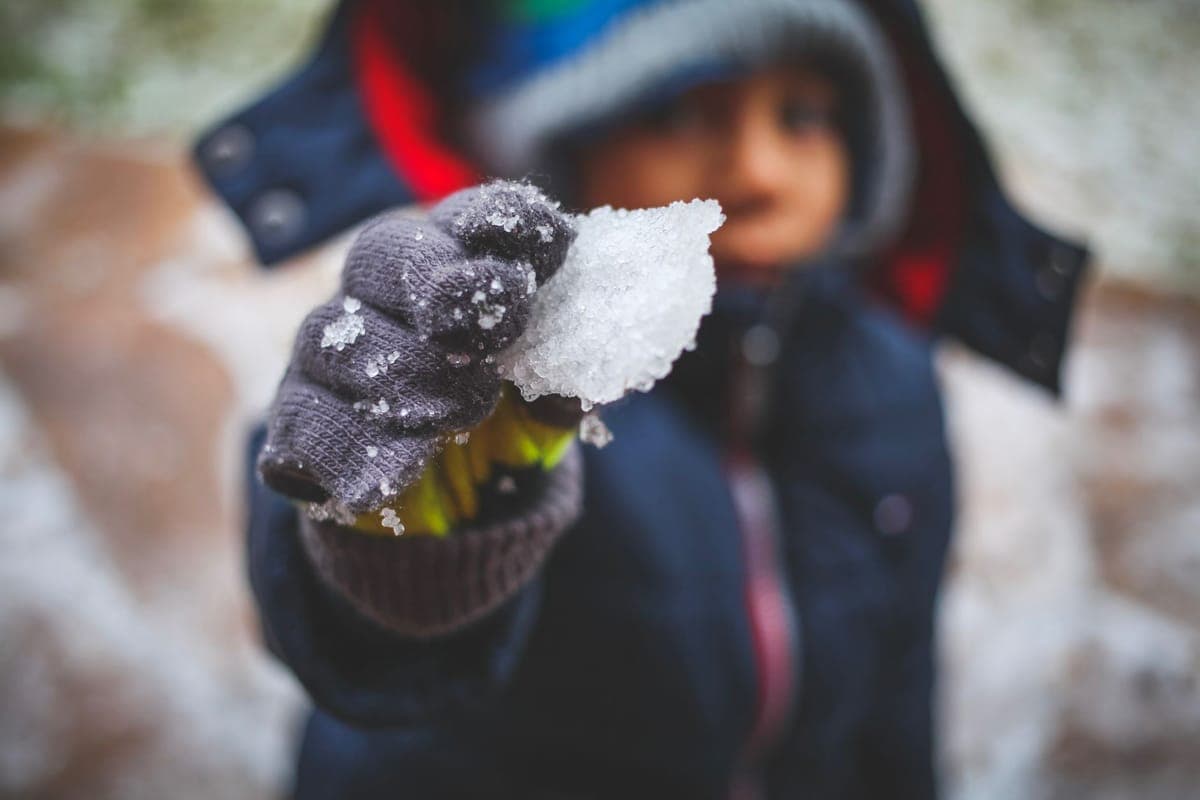
The measurement, and why it is the only one
Wrap a soft tape around your dominant hand at the widest point across the knuckles, with the thumb tucked out of the way, and read the circumference in inches. Almost every glove brand publishes its size chart against that one number. Hand length is sometimes offered as a secondary check, but knuckle circumference is the figure that decides whether your hand goes in.
Use your dominant hand, which is usually the larger of the two, and buy for that one. A glove that fits the smaller hand and squeezes the larger one is uncomfortable within an hour, and pressure at the base of the fingers is one of the direct causes of cold hands.
| Size | Usual knuckle circumference | Notes |
|---|---|---|
| XS | About 6.5 in | Published by fewer brands; often a youth size instead |
| S | About 7 in | Common smallest adult size |
| M | About 8 in | The size most brands build the pattern around |
| L | About 9 in | Widely available |
| XL | About 10 in | Published by most brands; XXL is rarer |
How many sizes a brand publishes matters as much as the chart itself. Among the gloves in this ledger, Burton publishes five sizes for the Profile from XS to XL, OutdoorMaster publishes four from S to XL, and the kids version publishes three youth sizes. A five-size run means the boundaries are closer together and you are more likely to land cleanly inside one.
What a correct fit feels like
Put the glove on and make a fist. You should feel the glove resist slightly and then close. Now straighten your fingers: there should be roughly a quarter inch of empty material beyond your fingertips, not a full knuckle’s worth. Pinch the fingertip material and pull; a small amount of movement is right, and being able to pull a half inch of empty glove off the end means it is too long.
The reason for the tight tolerance is thermal rather than dexterity. Your fingers warm the air inside the glove, and that warm air is the insulation. Too much empty volume and your fingers are trying to heat a room. This is why so many people who buy a bigger glove hoping for warmth get the opposite, and it is the same mechanism explained on the cold hands page, which goes through the other causes in order.
Gauntlet or under-cuff, and why you have to pick before you buy
This is a compatibility decision with your jacket rather than a sizing one, and it is the detail most first-time buyers miss.
- Gauntlet cuff. A wide cuff that goes over the outside of your jacket sleeve and cinches down. Better at keeping snow out in deep snow and on falls. Bulkier, and it has to be big enough to clear your sleeve.
- Under-cuff or short cuff. A close cuff that tucks inside the jacket sleeve. Less bulk, easier on and off, and it relies on the jacket cuff sealing over it. This is the style most work gloves use, which is why the Carhartt work glove on this site is noted as having no gauntlet.
Either works. What does not work is a short-cuff glove with a jacket whose sleeve is too short to seal over it, which leaves a gap at the wrist that fills with snow on the first fall. The jacket sizing page covers sleeve length; check the two together.
Sizing a child, which is where this goes wrong
Children’s gloves are the item families most often buy a size up, on the entirely reasonable grounds that the child is growing. It backfires for two reasons at once. The thermal reason above applies with more force to small hands, which produce less heat to begin with. And a glove with loose fingertips makes a child unable to grip a pole or pick anything up, which produces the sulk that ends the morning.
Take the smaller size, and spend the difference on a second pair. A child’s gloves are wet by lunch and there is no drying them on a mountain, so a dry second pair in the bag is worth more than any feature on the first pair. Both kids gloves in this ledger publish named 3M Thinsulate insulation, and the OutdoorMaster kids version publishes a two-year warranty, which almost nothing in the category does.
For genuinely small children, mittens beat gloves outright. Small fingers in separate compartments lose heat fast, a mitten is warmer at the same insulation, and a toddler can get a mitten on without help. Look for a long knitted cuff, which is what actually stops snow going up a sleeve. The toddler gear page goes into the age band where that matters most.
Handing gloves down
Gloves are one of the better hand-me-down items, because they wear at the palm rather than losing performance invisibly the way a helmet does. Check three things before passing a pair down: that the palm has no split seam, that the cuff elastic still closes, and that the inner lining has not pulled loose from the fingertips, which is the failure that makes a glove impossible to put on. The hand-me-down page has the full list by item.
The same logic your boots follow
If any of this feels familiar it is because it is the same principle that governs ski boots and ski socks. Warmth comes from a close fit with a thin layer of still air, not from volume. A thick sock makes a boot colder. A loose glove makes a hand colder. An oversized jacket lets warm air escape at the hem. The whole layering system on the what-to-wear page is built on that one idea.
Before you order
- Measure knuckle circumference on the dominant hand and use the maker chart, not a generic one.
- Check how many sizes the brand publishes. A four-size run has wider bands than a five-size run.
- Decide gauntlet or under-cuff, and check it against the jacket you already own.
- For a child, take the smaller size and budget for a second pair.
- Check whether the maker publishes a warranty term at all. Most glove brands do not; the ones that do are stating something.
Once the size is settled, the glove roundup ranks the field on published insulation, warranty and construction, and the gloves-versus-mittens page settles the format question.
Every pick, with the working
Each entry shows the published inputs, the axis scores they produce, and what you give up. The order is the computed order, not a commercial one, and the arithmetic is open underneath each score.
1 · Anyone whose hands get cold, which the gloves will not fix
OutdoorMaster Ski Mittens
The mitten version of the same thing, five dollars cheaper, and warmer for the same insulation because your fingers share heat instead of each losing it separately. If your hands get cold, this is the answer before more insulation is.
- Published price
- $34.99
- Cost per day on snow
- $2.33 a day
- Amortized over
- 3 seasons (15 days)
- Certified to
- Not published
- Waterproof rating
- Not published
- Published sizes
- S through XL
- Warranty
- OutdoorMaster 2-year warranty
What it gets right
- Warmer than a glove of the same insulation, because fingers share heat
- Two-year published warranty
- $34.99, the cheapest adult hand option here
What you give up
- You cannot work a zipper, a lift ticket or a phone in a mitten
- No published waterproof rating
The working behind the 6.4
- Cost per day on snow: 9.4
- $34.99 over 3 seasons at 5 days each = 15 days = $2.33 a day
- Published protection: not scored
- No waterproof rating or seam construction published.
- Size availability: 5.1
- 4 published sizes (5.1 of 8.5); no continuous adjuster published (+0); range: S through XL
- Warranty and support: 2.5
- 2 yr (2.5 of 6); no published crash replacement (+0); no published repair route (+0)
Axes with unpublished inputs are dropped and the remaining weights re-normalized, so a product is not punished for a manufacturer’s silence. Specifications compiled September 3, 2026 from OutdoorMaster published specifications.
2 · The default adult glove when nothing about your hands is unusual
OutdoorMaster 3M Thinsulate Waterproof Ski Gloves
Named Thinsulate insulation and a published two-year warranty at $39.99, which is the only glove here that publishes a warranty term at all. Over three seasons that is $2.67 a day.
- Published price
- $39.99
- Cost per day on snow
- $2.67 a day
- Amortized over
- 3 seasons (15 days)
- Certified to
- Not published
- Waterproof rating
- Not published
- Published sizes
- S through XL
- Warranty
- OutdoorMaster 2-year warranty
What it gets right
- Two-year published warranty, which no other glove here states
- 3M Thinsulate insulation named rather than unspecified fill
- $39.99, which is $2.67 a day over three seasons at five days each
What you give up
- No published waterproof rating in millimeters
- Four sizes, so hands at the extremes are less well served
The working behind the 6.3
- Cost per day on snow: 9.1
- $39.99 over 3 seasons at 5 days each = 15 days = $2.67 a day
- Published protection: not scored
- No waterproof rating or seam construction published.
- Size availability: 5.1
- 4 published sizes (5.1 of 8.5); no continuous adjuster published (+0); range: S through XL
- Warranty and support: 2.5
- 2 yr (2.5 of 6); no published crash replacement (+0); no published repair route (+0)
Axes with unpublished inputs are dropped and the remaining weights re-normalized, so a product is not punished for a manufacturer’s silence. Specifications compiled September 3, 2026 from OutdoorMaster published specifications.
3 · An adult beginner who will spend the day with wet hands otherwise
Burton Profile Gloves
A membrane glove at fifty-three dollars, which is roughly the floor for waterproofing that survives a full day of a beginner putting their hands in the snow. Burton publishes the membrane by name but no hydrostatic figure.
- Published price
- $52.95
- Cost per day on snow
- $3.53 a day
- Amortized over
- 3 seasons (15 days)
- Certified to
- Not published
- Waterproof rating
- Not published
- Published sizes
- XS through XL
- Warranty
- No term published on the product page
What it gets right
- Named waterproof membrane rather than an unspecified coating
- Five published sizes
- $52.95 over a three-season convention is $3.53 a day on snow
What you give up
- No published waterproof rating in millimeters, so it cannot be compared numerically
- No published insulation weight
The working behind the 5.8
- Cost per day on snow: 8.5
- $52.95 over 3 seasons at 5 days each = 15 days = $3.53 a day
- Published protection: not scored
- No waterproof rating or seam construction published.
- Size availability: 6.8
- 5 published sizes (6.8 of 8.5); no continuous adjuster published (+0); range: XS through XL
- Warranty and support: 0.0
- no published term (0 of 6); no published crash replacement (+0); no published repair route (+0)
Axes with unpublished inputs are dropped and the remaining weights re-normalized, so a product is not punished for a manufacturer’s silence. Specifications compiled September 3, 2026 from Burton published specifications.
4 · A child old enough to want fingers rather than mittens
OutdoorMaster Kids 3M Thinsulate Waterproof Ski Gloves
Named insulation and a published two-year warranty on a children's glove, which almost nothing in this category offers. Buy two pairs anyway: a child's gloves are wet by lunch and there is no drying them on a mountain.
- Published price
- $29.99
- Cost per day on snow
- $6.00 a day
- Amortized over
- 1 season (5 days)
- Certified to
- Not published
- Waterproof rating
- Not published
- Published sizes
- Three published youth sizes
- Warranty
- OutdoorMaster 2-year warranty
What it gets right
- Two-year published warranty on a children's item
- 3M Thinsulate insulation named on the specification
- $29.99 published
What you give up
- Gloves are colder than mittens for a small child at the same insulation
- No published waterproof rating
The working behind the 4.7
- Cost per day on snow: 6.7
- $29.99 over 1 season at 5 days each = 5 days = $6.00 a day
- Published protection: not scored
- No waterproof rating or seam construction published.
- Size availability: 3.4
- 3 published sizes (3.4 of 8.5); no continuous adjuster published (+0); range: Three published youth sizes
- Warranty and support: 2.5
- 2 yr (2.5 of 6); no published crash replacement (+0); no published repair route (+0)
Axes with unpublished inputs are dropped and the remaining weights re-normalized, so a product is not punished for a manufacturer’s silence. Specifications compiled September 3, 2026 from OutdoorMaster published specifications.
5 · A child who will put both hands in the snow within ten minutes
N'Ice Caps Kids Thinsulate Waterproof Gloves
Named Thinsulate insulation and a long knitted cuff, which is the detail that keeps snow out of a child's sleeve. Buy two pairs: a child's gloves get wet by lunch and there is no drying them on a mountain.
- Published price
- Not published
- Cost per day on snow
- Not published
- Amortized over
- 1 season (5 days)
- Certified to
- Not published
- Waterproof rating
- Not published
- Published sizes
- Toddler through youth
- Warranty
- No term published
N'Ice Caps publishes no MSRP of its own; retail prices vary by size and colorway, so the cost-per-day axis is not scored.
What it gets right
- 3M Thinsulate insulation named on the specification rather than unspecified fill
- Long knitted cuff, which is what actually stops snow going up a sleeve
- Sold across toddler and youth sizes
What you give up
- No published waterproof rating and no published MSRP
- A second pair is effectively part of the purchase
The working behind the 3.4
- Cost per day on snow: not scored
- No manufacturer-published price, so this axis is not scored.
- Published protection: not scored
- No waterproof rating or seam construction published.
- Size availability: 6.8
- 5 published sizes (6.8 of 8.5); no continuous adjuster published (+0); range: Toddler through youth
- Warranty and support: 0.0
- no published term (0 of 6); no published crash replacement (+0); no published repair route (+0)
Axes with unpublished inputs are dropped and the remaining weights re-normalized, so a product is not punished for a manufacturer’s silence. Specifications compiled September 3, 2026 from N'Ice Caps published product specification.
Prices last verified October 21, 2026. Prices move constantly; the figure on Amazon at the moment you click is the real one.
Questions people actually ask
How do I measure my hand for ski gloves?
Wrap a soft tape around the widest part of your dominant hand across the knuckles, with the thumb out of the way, and read the circumference in inches. That figure maps directly to almost every brand’s published size chart. Buy for the larger of your two hands.
Should ski gloves be tight or loose?
Close-fitting, with about a quarter inch of room beyond the fingertips. A loose glove is colder, not warmer, because your fingers have to heat a larger volume of air. A glove tight enough to press at the base of the fingers is also colder, because it restricts circulation.
Should I buy my child ski gloves a size up?
No. Loose gloves are colder on small hands, which produce less heat to start with, and a child who cannot grip a pole loses interest quickly. Take the size that fits now and spend the difference on a second pair, because a child’s gloves are usually wet by lunchtime.
Are mittens sized the same as gloves?
Yes, on the same knuckle circumference measurement, and most brands publish the same size run for both. A mitten of equivalent insulation is warmer because fingers share heat. The trade-off is dexterity: zippers, lift tickets and phones are all harder.
Do I want a gauntlet cuff or a short cuff?
A gauntlet goes over the jacket sleeve and keeps snow out better in deep snow and on falls. A short or under-cuff glove tucks inside the sleeve and relies on the jacket to seal. Both work; what fails is a short cuff with a jacket sleeve too short to cover it, which leaves a gap at the wrist.