Toddler mittens, and the cuff length that decides everything
A toddler mitten fails in two ways: it comes off, or snow gets in. Both are solved by the same thing, and almost nobody publishes the measurement.
By Sawyer V. · Published
We have not tested this gear. Everything below is compiled from published specifications and published safety standards, and the arithmetic is public so you can check it. This page carries affiliate links: if you buy through one we earn a commission at no extra cost to you, and it does not change the order of the picks. Full disclosure.
The short answer
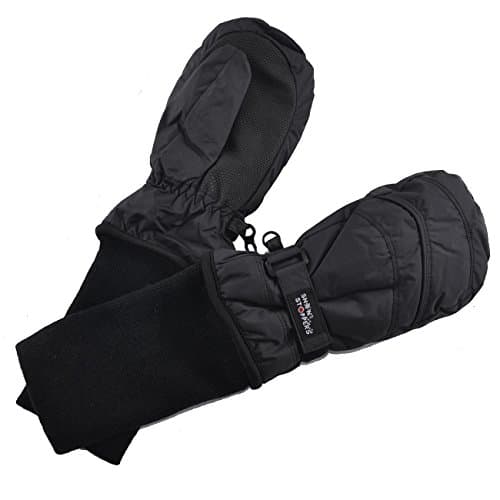
Buy the SnowStoppers Original Extended Cuff Mittens. The cuff is the whole product: it is published to go under the coat sleeve rather than over it, which is what keeps snow out and the mitten on. SnowStoppers publishes 40 g Thinsulate, a waterproof Drypel liner, a nylon shell and five sizes from 6-18 months, each with a published fingertip-to-wrist measurement. Buy the Jan & Jul Toasty-Dry instead for wet snow or genuine cold: it is the only mitten in this category that publishes a temperature rating (-15C) and fully taped seams. The fleece 2-pack is the spare pair, not the only pair, and carries this page’s skip note. Whatever you buy, buy two pairs. Prices are live; published figures as of October 17, 2026.
| # | Pick | Best for | Score | Price |
|---|---|---|---|---|
| 1 | SnowStoppers Original Extended Cuff Mittens A child who pulls mittens off, and the snow that goes up a sleeve | $3.90 a dayon snow | 5.6/10 | $19.79 - View on Amazon |
| 2 | Jan & Jul Toasty-Dry Waterproof Snow Mittens Wet snow, long sledding afternoons, and a toddler who cannot work a cuff | Not publishedon snow | 3.6/10 | $23.99 - View on Amazon |
| 3 | N'Ice Caps Baby and Toddler Sherpa-Lined Mittens, 2 Pairs The second and third pair, for the snowman rather than the slope | Not publishedon snow | 0.0/10 | $13.48 - View on Amazon |
Prices last verified October 19, 2026. Prices move constantly; the figure on Amazon at the moment you click is the real one.
Why the cuff, and not the warmth rating
A toddler mitten has two failure modes and neither is insulation.
The first is that it comes off. A two-year-old cannot work a cuff, has no interest in keeping a mitten on, and pulls at anything that annoys a wrist. The second is snow up the sleeve: a mitten cuff worn over a jacket sleeve collects snow every time a child falls forward onto their hands, which at that age is constantly.
One design feature solves both at once - a long cuff that goes under the coat sleeve and up the forearm. The jacket cuff sits over it, there is no gap for snow, and there is nothing at the wrist for a toddler to grab. It is also the feature almost nobody publishes a measurement for, which is why this page starts there.
Who each of these is for, and when to skip them all
- Most toddlers, most snow: the SnowStoppers. Published cuff design, published insulation weight, five published sizes with measurements, under twenty dollars.
- Wet snow, real cold, or a long sledding afternoon: the Jan & Jul. Taped seams and a published -15C rating are the warmest documented combination here.
- The spare pair: the fleece 2-pack. Two pairs for the price of a sandwich, with the skip note on using them as the only pair.
- Skip all three if the child is actually skiing lessons. At that point the mitten has to work with a pole grip and a longer day - the kids’ ski gloves and mittens roundup covers the next size band up.
- Skip them if you already own two waterproof pairs. A third pair is not the upgrade. Dry hands come from rotating pairs and drying them properly - the glove and mitten care page.
What this page ranks on
- 1. Published cuff design and length. Under the sleeve or over it, and how far up the arm. The figure that decides whether the mitten stays on.
- 2. Published waterproofing. A membrane name, a liner name or taped seams. “Water resistant” with nothing behind it is a wet mitten by eleven o’clock.
- 3. Published insulation. A weight in grams if anyone gives one - and in this category, one maker does.
- 4. Published sizes, by age, with measurements. A toddler mitten sized “small” is useless information; “2-5 years, 4.5 inches fingertip to wrist” is a purchase you can make without the child present.
- 5. Price per pair, because you need two. Non-negotiable at this age, which makes a cheap second pair part of the specification.
The three, compared
| SnowStoppers Extended Cuff | Jan & Jul Toasty-Dry | Fleece 2-pack | |
|---|---|---|---|
| Cuff | Extra-long, published to go UNDER the sleeve | Wide opening, cinches at wrist AND forearm | Short, not published |
| Waterproofing | Waterproof Drypel liner | PU membrane, DWR shell, fully taped seams | None published |
| Insulation | 40 g Thinsulate | 3M Thinsulate + Polyfill, fleece lined | Double-layer fleece, sherpa lined |
| Temperature rating | Not published | -15C (5F) | Not published |
| Sizes published | 5: 6-18 mo to 7-12 yr | 4: 0-2 yr to 6-8 yr | Baby and toddler, not specified |
| Thumbless size | XS, 6-18 months | XS, 0-2 years | Not published |
| Size measurements | 3.5 in to 5.75 in, fingertip to wrist | Not published | Not published |
| Shell | Nylon with grip palm | 100% polyester with PU grip palm | Fleece |
| Pairs per purchase | 1 | 1 | 2 |
| Published price | $19.50 | CAD 27.99 | Not published |
The picks
SnowStoppers Original Extended Cuff Mittens
The pick, because the cuff is published and the cuff is the product. SnowStoppers states an extra-long sleeve designed to fit underneath the coat - the design the whole brand is named after - plus a waterproof Drypel liner, 40 g Thinsulate insulation, a nylon shell published as resisting snow and ice better than fleece, and a grip palm for sledding.
The sizing is the best-published in this category by a distance. Five sizes - XS 6-18 months (no thumb), S 1-3, M 2-5, L 4-8, XL 7-12 - each with a published fingertip-to-wrist measurement from 3.5 inches to 5.75 inches, which means you can buy for somebody else’s child without guessing.
Forty grams of Thinsulate is also the only published insulation weight on this page, and publishing it at all puts this mitten ahead of an aisle that publishes the word “warm” and nothing else.
Honest cons. No waterproof rating in millimeters is published - Drypel is a liner name, not a figure. No warranty term. Forty grams is light insulation, which is right for play and not enough for a long cold chairlift. And the long cuff is genuinely bulky under a slim jacket sleeve, so check the jacket before buying two.
Jan & Jul Toasty-Dry Waterproof Snow Mittens
The warmest and wettest-weather option on published figures, and the only mitten in this entire category that publishes a temperature rating: Jan & Jul states rated down to -15C (about 5F), with 3M Thinsulate plus Polyfill insulation and a fleece lining.
More important than the rating is the construction: fully taped seams under a PU membrane and a BIONIC-FINISH ECO water-repellent shell. Taped seams are what separates a mitten that is waterproof from a mitten that is waterproof except at the stitching, and in wet spring snow that is the whole difference.
The cuff solution is different from the SnowStoppers and just as thoughtful: a wide opening published to go over winter layers, then a single pull that cinches at both the wrist and the forearm. Four sizes are published by age, from an XS at 0-2 years with no thumb up to L at 6-8 years.
Honest cons. Jan & Jul publishes prices in Canadian dollars, so there is no US list price to compare against. No waterproof rating in millimeters and no warranty term are published. And it is the dearest mitten here, which stings when a two-year-old grows out of it in a season - buy at the top of the age band if the choice is close.
The fleece 2-pack, and why it carries the skip
Two pairs of double-layer fleece mittens with a sherpa lining, for less than the price of one of the above. For the walk to nursery, the car, the pushchair and the spare bag, this is the right purchase - and buying two pairs at once is the single most useful habit in toddler snow gear.
It carries the skip because no waterproof layer, membrane or taped seam is published at all, and fleece in wet snow is wet fleece within the hour. A wet mitten is colder than no mitten, and a cold toddler ends the day for everybody.
Buy it as the second and third pair. Do not buy it as the only pair.
The two-pair rule, which matters more than the brand
Every page about children’s mittens ranks features. The single thing that changes a cold day is simpler: bring a dry spare pair.
- There is no drying a mitten outdoors. Not on a radiator in a lodge, not in a pocket, not by waving it about. Once it is soaked it stays soaked.
- Two mid-priced pairs beat one expensive pair for any child under about eight - the same conclusion the kids’ gloves page reaches for the next age band.
- Mitten clips are worth more than they look. A mitten attached to a sleeve is a mitten that is still there after a chairlift.
- Dry them properly overnight, not on a heater - hot air kills membranes and shrinks liners. The overnight drying routine and the glove care page cover it.
- Label them. Nursery, ski school and lodges are where single mittens go to die.
Sizing a toddler mitten without the toddler
Grandparents buy most of the mittens in this category, so: both makers here publish sizes by age band, and SnowStoppers also publishes a fingertip-to-wrist measurement for each size (3.5 in at 6-18 months, 4 in at 1-3 years, 4.5 in at 2-5, 5 in at 4-8, 5.75 in at 7-12).
Two rules that follow from that:
- Slightly big is fine, small is not. A roomy mitten traps warm air; a tight one squeezes the hand and makes it colder. SnowStoppers says the same thing in its own sizing note - go up if you are unsure.
- Under 18 months, buy thumbless. Both brands publish one, for the reason in the box above.
The full glove and mitten sizing page covers measuring an older child’s hand, and the kids’ clothing size chart covers everything else they are wearing.
Every pick, with the working
Each entry shows the published inputs, the axis scores they produce, and what you give up. The order is the computed order, not a commercial one, and the arithmetic is open underneath each score.
1 · A child who pulls mittens off, and the snow that goes up a sleeve
SnowStoppers Original Extended Cuff Mittens
The pick, on the one feature that decides whether a toddler mitten works: a cuff long enough to go UNDER the coat sleeve rather than over it. SnowStoppers publishes 40 g Thinsulate, a waterproof Drypel liner, a nylon shell and a grip palm, in five sizes from 6-18 months up, each with a published fingertip-to-wrist measurement.
- Published price
- $19.50
- Cost per day on snow
- $3.90 a day
- Amortized over
- 1 season (5 days)
- Certified to
- Not published
- Waterproof rating
- Not published
- Published sizes
- XS 6-18 months (no thumb), S 1-3 years, M 2-5 years, L 4-8 years, XL 7-12 years
- Warranty
- No term published on the product page
What it gets right
- The extended cuff is published to fit under the coat sleeve, which keeps snow out and the mitten on
- Published 40 g Thinsulate insulation and a waterproof Drypel liner - an insulation weight almost nobody in this category publishes
- Five published sizes with real measurements: 3.5 in at XS up to 5.75 in at XL, fingertip to wrist
- The XS is published with NO THUMB for 6-18 months, which is the correct design for a baby
- Nylon shell published as resisting snow and ice better than fleece, with a grip palm for sledding
What you give up
- No waterproof rating in millimeters published, only the Drypel liner name
- No warranty term published
- 40 g is light insulation: this is a mitten for play, not a -20F chairlift
- The long cuff is bulky under a slim-cuffed jacket sleeve
The working behind the 5.6
- Cost per day on snow: 8.2
- $19.50 over 1 season at 5 days each = 5 days = $3.90 a day
- Published protection: not scored
- No waterproof rating or seam construction published.
- Size availability: 6.8
- 5 published sizes (6.8 of 8.5); no continuous adjuster published (+0); range: XS 6-18 months (no thumb), S 1-3 years, M 2-5 years, L 4-8 years, XL 7-12 years
- Warranty and support: 0.0
- no published term (0 of 6); no published crash replacement (+0); no published repair route (+0)
Axes with unpublished inputs are dropped and the remaining weights re-normalized, so a product is not punished for a manufacturer’s silence. Specifications compiled October 17, 2026 from SnowStoppers published Original Extended Cuff Mitten specifications.
2 · Wet snow, long sledding afternoons, and a toddler who cannot work a cuff
Jan & Jul Toasty-Dry Waterproof Snow Mittens
The warmest mitten here on published figures, and the only one in this category that publishes a temperature rating at all: Jan & Jul states a fleece lining, 3M Thinsulate with Polyfill, fully taped seams, a PU membrane under a BIONIC-FINISH ECO water-repellent shell, and a rating down to -15C. It also cinches at the wrist AND the forearm with one pull.
- Published price
- Not published
- Cost per day on snow
- Not published
- Amortized over
- 1 season (5 days)
- Certified to
- Not published
- Waterproof rating
- Not published
- Published sizes
- XS 0-2 years (no thumb), S 2-4 years, M 4-6 years, L 6-8 years
- Warranty
- No term published on the product page
Jan & Jul publishes CAD 27.99 rather than a US list price, so the cost-per-day axis is not scored.
What it gets right
- Published temperature rating to -15C (5F), which nothing else in this category publishes
- Fully taped seams published - the construction that actually keeps wet snow out
- 3M Thinsulate plus Polyfill insulation and a fleece lining published
- Wide cuffs published to open over winter layers and then cinch at wrist and forearm with one pull
- Four published sizes by age, with an XS for 0-2 years published with no thumb
What you give up
- Jan & Jul publishes prices in Canadian dollars, so there is no US list price to compare
- No waterproof rating in millimeters published, only the membrane and the taped seams
- No warranty term published
- The dearest mitten here, and a size that fits in December will not fit next December
The working behind the 3.6
- Cost per day on snow: not scored
- No manufacturer-published price, so this axis is not scored.
- Published protection: 4.0
- no published waterproof rating (0 of 6); fully sealed seams published (+2); insulation or shell construction published (+2)
- Size availability: 6.6
- 4 published sizes (5.1 of 8.5); continuous in-size adjuster published (+1.5); range: XS 0-2 years (no thumb), S 2-4 years, M 4-6 years, L 6-8 years
- Warranty and support: 0.0
- no published term (0 of 6); no published crash replacement (+0); no published repair route (+0)
Axes with unpublished inputs are dropped and the remaining weights re-normalized, so a product is not punished for a manufacturer’s silence. Specifications compiled October 17, 2026 from Jan & Jul published Toasty-Dry mitten specifications.
3 · The second and third pair, for the snowman rather than the slope
N'Ice Caps Baby and Toddler Sherpa-Lined Mittens, 2 Pairs
Skip this one. Skip it as the only mitten a child owns. It publishes no membrane, no taped seams and no insulation weight, and fleece in wet snow is wet fleece within the hour - which is cold, not warm. Bought alongside a waterproof pair, as the spare that lives in the car or the pair for the walk to nursery, two pairs for this price is genuinely the best value on the page. Bought instead of one, it ends the afternoon early.
Two pairs for the price of a sandwich, and the right purchase for the thing that actually happens: a toddler mitten is soaked by eleven o'clock and there is no drying it outdoors. It is fleece with a sherpa lining and no waterproof layer published at all, so it is the spare pair and the car pair, never the only pair.
- Published price
- Not published
- Cost per day on snow
- Not published
- Amortized over
- 1 season (5 days)
- Certified to
- Not published
- Waterproof rating
- Not published
- Published sizes
- Published as baby and toddler sizing, two pairs per pack
- Warranty
- No term published on the listing
An Amazon-native line with no published MSRP of its own, so the cost-per-day axis is not scored.
What it gets right
- Two pairs in one purchase, which is the correct number of toddler mittens to own
- Double-layer fleece with a sherpa lining published
- Cheap enough that losing one is not an event - and one always goes missing
What you give up
- No waterproof layer, membrane or taped seams published - fleece soaks through in wet snow
- No insulation weight, no sizing measurements and no warranty published
- Short cuffs, so snow goes straight up the sleeve
- Not a mitten for a lift-served day: it is a snow-play spare
The working behind the 0.0
- Cost per day on snow: not scored
- No manufacturer-published price, so this axis is not scored.
- Published protection: not scored
- No waterproof rating or seam construction published.
- Size availability: not scored
- Sold in one size, so size availability does not apply.
- Warranty and support: 0.0
- no published term (0 of 6); no published crash replacement (+0); no published repair route (+0)
Axes with unpublished inputs are dropped and the remaining weights re-normalized, so a product is not punished for a manufacturer’s silence. Specifications compiled October 17, 2026 from Published sherpa-lined toddler mitten listing.
Prices last verified October 19, 2026. Prices move constantly; the figure on Amazon at the moment you click is the real one.
Questions people actually ask
How do you stop a toddler pulling their mittens off?
Buy a mitten with a long cuff that goes under the coat sleeve rather than over it. With the jacket cuff on top there is nothing at the wrist to grab, no gap for snow, and nothing that needs re-fastening every ten minutes. Mitten clips to the sleeve are the cheap backup. A mitten that fits a little loose also comes off less often than a tight one that is uncomfortable.
Are mittens or gloves better for toddlers?
Mittens, with no real argument. Fingers share warmth in a mitten, a toddler cannot work five separate finger holes with cold hands, and under about 18 months a thumbless mitten is warmer still. Gloves start making sense around the age a child wants to carry poles and pick things up - the gloves against mittens comparison covers where that line sits.
What temperature are toddler mittens good for?
Almost nobody publishes a figure. Of the mittens here, only Jan & Jul does: it publishes its Toasty-Dry mittens as rated to -15C (5F), with 3M Thinsulate, Polyfill and a fleece lining. SnowStoppers publishes 40 g of Thinsulate without a temperature, and the fleece pair publishes neither. Treat a published rating as a dry-conditions figure: a wet mitten of any rating is cold.
Do toddler mittens need to be waterproof?
For snow, yes. A toddler spends their snow time with hands directly in it, and fleece or knitted mittens soak through within the hour. Look for a published membrane, a waterproof liner or taped seams - Jan & Jul publishes fully taped seams and a PU membrane, SnowStoppers publishes a waterproof Drypel liner. Keep the fleece pairs for the car and the school run.
How many pairs of mittens does a toddler need?
Two at minimum, three if the snow is wet. There is no drying a mitten outdoors, so the spare pair is what buys the second half of the afternoon. Two mid-priced pairs beat one expensive pair every time at this age.
What size mittens for a 2 year old?
Both brands here publish by age: SnowStoppers sizes S (1-3 years) and M (2-5 years) cover a two-year-old, with published fingertip-to-wrist measurements of 4 in and 4.5 in; Jan & Jul publishes S at 2-4 years. If the child is between sizes, go up - a roomy mitten is a warmer mitten, and it may fit next winter too.
Sources
- SnowStoppers published Original Extended Cuff Mitten specifications: extra-long cuff worn under the sleeve, waterproof Drypel liner, 40 g Thinsulate, five sizes with fingertip-to-wrist measurements
- Jan & Jul published Toasty-Dry mitten specifications: DWR shell with inner waterproof layer, fully taped seams, 3M Thinsulate and Polyfill, fleece lined, rated to -15C, four age sizes
- Published sherpa-lined toddler mitten listing: double-layer fleece, two pairs per pack