What to wear skiing, from the skin outward
The complete list for a first-timer, in order, with what changes at each temperature and the one fabric to avoid entirely.
By Sawyer V. · Published
We have not tested this gear. Everything below is compiled from published specifications and published safety standards, and the arithmetic is public so you can check it. This page carries affiliate links: if you buy through one we earn a commission at no extra cost to you, and it does not change the order of the picks. Full disclosure.
The short answer
From the skin outward: a non-cotton base layer top and bottom, a fleece or light puffy mid layer, a waterproof jacket and waterproof snow pants, one pair of thin ski socks above the boot cuff, gloves or mittens, goggles, a helmet, and something over the neck. Never cotton, anywhere, including socks.
| # | Pick | Best for | Score | Price |
|---|---|---|---|---|
| 1 | Darn Tough Alpine Over-the-Calf Lightweight Ski Socks The one piece of ski gear worth buying before anything else | $2 a dayon snow | 6.4/10 | $30.64 - View on Amazon |
| 2 | OutdoorMaster 3M Thinsulate Waterproof Ski Gloves The default adult glove when nothing about your hands is unusual | $2.67 a dayon snow | 6.3/10 | $24.95 - View on Amazon |
| 3 | MERIWOOL Merino 250 Base Layer Top The layer that decides whether a beginner is cold all day | $3.25 a dayon snow | 5.9/10 | $65.00 - View on Amazon |
| 4 | Arctix Men's Insulated Snowsports Cargo Pants A cold, dry resort week where the snow does not turn to rain | $2 a dayon snow | 5.2/10 | $64.99 - View on Amazon |
Prices last verified October 19, 2026. Prices move constantly; the figure on Amazon at the moment you click is the real one.
The complete list, in order
- Base layer top and bottom. Merino wool or synthetic, close fitting. This layer moves sweat off your skin, and it is the one people skip. What to buy and what weight.
- Ski socks. One pair, thin, above the boot cuff. Not two pairs, and not thick ones. Why thin socks are warmer.
- Mid layer. A fleece or a light synthetic puffy. This is the adjustable one: leave it off on a mild day.
- Waterproof snow pants. Not jeans, under any circumstances. The pants picks.
- Waterproof jacket. A genuinely waterproof coat will do for a first day. The jacket picks.
- Gloves or mittens, with a cuff that goes over the jacket sleeve. Which of the two.
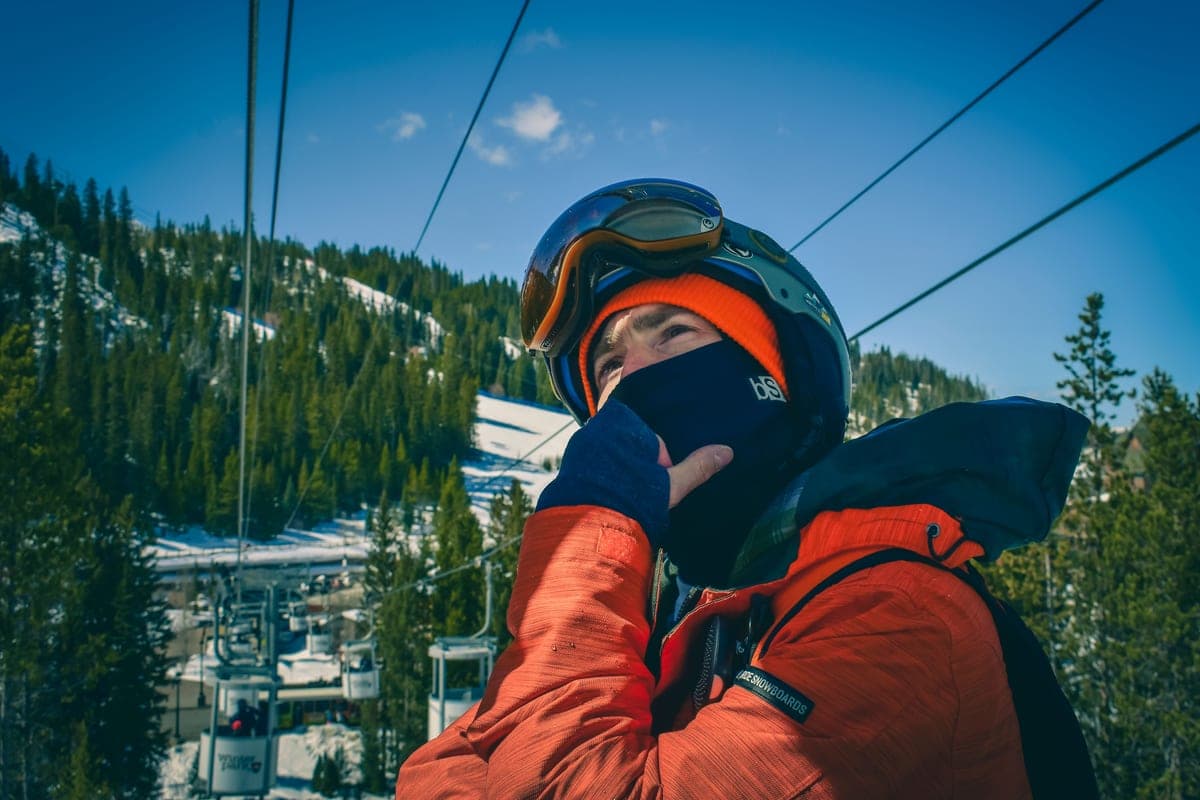
- Neck gaiter or buff. Keeps the gap between collar and helmet covered. Keep it below your nose or your goggles will fog.
- Goggles. Not sunglasses. Why.
- Helmet. Rentable, but a poor fit. The picks.
- Sunscreen and lip balm. Snow reflects a great deal of sunlight, and overcast days catch people out worst.
What to wear at each temperature
Most family ski days in the US happen between about 20F and 35F, which is milder than people expect. Being too hot is a more common beginner mistake than being too cold, because a first lesson involves far more standing still than skiing.
| Temperature | Base | Mid | Notes |
|---|---|---|---|
| Below 20F | Midweight merino, top and bottom | Fleece plus a light puffy | Cover all skin. Face, wrists and the gap at the neck are where cold gets in |
| 20F to 30F | Midweight merino, top and bottom | Fleece or light puffy | The standard family ski day. Carry the mid layer even if you start without it |
| 30F to 40F | Lightweight or midweight base | Optional; often none | Open the pit zips before you overheat rather than after |
| 40F to 50F | Lightweight base | None | Spring skiing. Snow gets wet, so the waterproof rating of your pants suddenly matters |
Beginners get colder than they expect
Not because beginners feel the cold more, but because they stand still more. A first lesson is a lot of listening, queueing and waiting for the rest of the group. An experienced skier at the same temperature is generating far more heat.
So dress a first-timer, and especially a first-time child, one notch warmer than the table suggests, and make sure the layer that comes off is easy to take off.
If you own none of this
The honest triage, in the order that buys you the most comfort per dollar:
- Buy the snow pants. A beginner sits in snow constantly and this is the item that changes the day.
- Buy ski socks and a base layer. Cheap, not rentable, and worn all winter regardless.
- Buy gloves. Not rentable either.
- Improvise the mid layer. A fleece you already own is a fleece.
- Borrow or rent the jacket if you can, and use a genuinely waterproof coat if you own one.
- Rent the skis, boots, poles and, if you must, the helmet.
The budget page builds actual kits in that order against published prices, with the constraint enforced rather than fudged.
Children
The same system, with three adjustments. Dress them a notch warmer because they stand still more and lose heat faster. Buy a jacket a size up, which is fine, while buying the helmet and boots for today, which is not negotiable. And bring a spare pair of gloves, which is the single most useful thing in the bag.
The three things that actually end a family ski day goes into this properly, and the helmet size chart is where to start if you are buying.
What you do not need
- Ski-specific brands. A waterproof coat is a waterproof coat. The features that genuinely help are a powder skirt, pit zips and wrist gaiters, not a logo.
- A separate hat, if you have a helmet. Modern helmets are lined and a wool hat underneath changes the fit and lifts the helmet off your head.
- Heated everything. Heated socks, gloves and insoles exist and work. For a family skiing a week a year they are solving a problem that a thin sock and a spare pair of gloves solve for a fraction of the money.
- A big backpack. Most resorts have lockers, and carrying a bag on a chairlift is awkward. Pockets are enough for a first day.
The printable checklist version of this page is here, and the whole-trip packing list covers everything that is not worn on the mountain.
Every pick, with the working
Each entry shows the published inputs, the axis scores they produce, and what you give up. The order is the computed order, not a commercial one, and the arithmetic is open underneath each score.
1 · The one piece of ski gear worth buying before anything else
Darn Tough Alpine Over-the-Calf Lightweight Ski Socks
The only item in this entire ledger with an unconditional lifetime guarantee. It is a $30 sock that the maker will replace forever, which over any realistic number of ski days is the cheapest thing on the site.
- Published price
- $30
- Cost per day on snow
- $2 a day
- Amortized over
- 3 seasons (15 days)
- Certified to
- Not published
- Published sizes
- S through XL
- Warranty
- Unconditional lifetime guarantee
What it gets right
- Unconditional lifetime guarantee, published without qualifying conditions
- Lightweight merino, which is correct for a modern ski boot: a thick sock makes boots colder, not warmer
- Over-the-calf length, so the boot cuff never touches bare skin
What you give up
- $30 for one pair of socks reads as absurd until the replacement policy is read
- Lightweight is the right choice but feels wrong to anyone expecting a thick ski sock
The working behind the 6.4
- Cost per day on snow: 9.6
- $30 over 3 seasons at 5 days each = 15 days = $2 a day
- Published protection: not scored
- Socks carry no protective standard, so this axis does not apply.
- Size availability: 5.1
- 4 published sizes (5.1 of 8.5); no continuous adjuster published (+0); range: S through XL
- Warranty and support: 2.0
- no published term (0 of 6); no published crash replacement (+0); repair or replacement parts published (+2)
Axes with unpublished inputs are dropped and the remaining weights re-normalized, so a product is not punished for a manufacturer’s silence. Specifications compiled September 3, 2026 from Darn Tough published specifications.
2 · The default adult glove when nothing about your hands is unusual
OutdoorMaster 3M Thinsulate Waterproof Ski Gloves
Named Thinsulate insulation and a published two-year warranty at $39.99, which is the only glove here that publishes a warranty term at all. Over three seasons that is $2.67 a day.
- Published price
- $39.99
- Cost per day on snow
- $2.67 a day
- Amortized over
- 3 seasons (15 days)
- Certified to
- Not published
- Waterproof rating
- Not published
- Published sizes
- S through XL
- Warranty
- OutdoorMaster 2-year warranty
What it gets right
- Two-year published warranty, which no other glove here states
- 3M Thinsulate insulation named rather than unspecified fill
- $39.99, which is $2.67 a day over three seasons at five days each
What you give up
- No published waterproof rating in millimeters
- Four sizes, so hands at the extremes are less well served
The working behind the 6.3
- Cost per day on snow: 9.1
- $39.99 over 3 seasons at 5 days each = 15 days = $2.67 a day
- Published protection: not scored
- No waterproof rating or seam construction published.
- Size availability: 5.1
- 4 published sizes (5.1 of 8.5); no continuous adjuster published (+0); range: S through XL
- Warranty and support: 2.5
- 2 yr (2.5 of 6); no published crash replacement (+0); no published repair route (+0)
Axes with unpublished inputs are dropped and the remaining weights re-normalized, so a product is not punished for a manufacturer’s silence. Specifications compiled September 3, 2026 from OutdoorMaster published specifications.
3 · The layer that decides whether a beginner is cold all day
MERIWOOL Merino 250 Base Layer Top
250 g per square meter of merino is the midweight number, and midweight is the right answer for a beginner who alternates between standing still in a lesson and sweating on a magic carpet. Wool keeps working when it is damp; cotton does the opposite.
- Published price
- $65
- Cost per day on snow
- $3.25 a day
- Amortized over
- 4 seasons (20 days)
- Certified to
- Not published
- Published sizes
- S through XXL
- Warranty
- No term published on the product page
What it gets right
- 250 gsm published, so the weight can be compared against any other merino layer
- Wool retains warmth when damp, which is the entire argument against a cotton shirt
- Wearable for several days, which matters on a trip with one suitcase
What you give up
- $65 for a single top is more than a pair of snow pants here
- Merino needs cool washing and takes a long time to dry
The working behind the 5.9
- Cost per day on snow: 8.7
- $65 over 4 seasons at 5 days each = 20 days = $3.25 a day
- Published protection: not scored
- Base layers carry no protective standard, so this axis does not apply.
- Size availability: 6.8
- 5 published sizes (6.8 of 8.5); no continuous adjuster published (+0); range: S through XXL
- Warranty and support: 0.0
- no published term (0 of 6); no published crash replacement (+0); no published repair route (+0)
Axes with unpublished inputs are dropped and the remaining weights re-normalized, so a product is not punished for a manufacturer’s silence. Specifications compiled September 3, 2026 from MERIWOOL published specifications.
4 · A cold, dry resort week where the snow does not turn to rain
Arctix Men's Insulated Snowsports Cargo Pants
The only garment in this ledger that publishes an actual waterproof number: a 3,000 mm ThermaLock coating with 85 g of insulation, at fifty dollars. 3,000 mm is the bottom of the useful range, and on a wet spring day you will find out where that bottom is.
- Published price
- $50
- Cost per day on snow
- $2 a day
- Amortized over
- 5 seasons (25 days)
- Certified to
- Not published
- Waterproof rating
- 3,000 mm
- Published sizes
- S through XXL, in 28, 32 and 34 inch inseams
- Warranty
- No term published on the product page
What it gets right
- Publishes a 3,000 mm waterproof rating, which most competitors at this price do not
- 85 g of ThermaTech insulation, warm enough for a beginner standing still on a learning slope
- Three published inseam lengths, which matters more in snow pants than in almost anything else
What you give up
- 3,000 mm is a coating, not a membrane, and heavy wet snow will eventually get through it
- Critical seams only, not fully sealed
The working behind the 5.2
- Cost per day on snow: 9.6
- $50 over 5 seasons at 5 days each = 25 days = $2 a day
- Published protection: 2.0
- 3,000mm waterproof rating (0.0 of 6); critically taped or untaped seams (+0); insulation or shell construction published (+2)
- Size availability: 6.8
- 5 published sizes (6.8 of 8.5); no continuous adjuster published (+0); range: S through XXL, in 28, 32 and 34 inch inseams
- Warranty and support: 0.0
- no published term (0 of 6); no published crash replacement (+0); no published repair route (+0)
Axes with unpublished inputs are dropped and the remaining weights re-normalized, so a product is not punished for a manufacturer’s silence. Specifications compiled September 3, 2026 from Arctix published specifications.
Prices last verified October 19, 2026. Prices move constantly; the figure on Amazon at the moment you click is the real one.
Questions people actually ask
What should I wear skiing for the first time?
A non-cotton base layer top and bottom, a fleece or light puffy, waterproof snow pants and jacket, thin ski socks above the boot cuff, gloves, goggles, a helmet and a neck gaiter. Skis, boots and poles are rented.
What should I wear skiing in 30 degree weather?
A midweight base layer top and bottom, a fleece or light puffy mid layer, and your waterproof shell. That is the standard family ski day setup. Carry the mid layer even if you start the morning without it.
Can I wear jeans skiing?
No. Denim soaks through within minutes of sitting in snow and then stays wet all day, and a beginner sits in snow repeatedly. If you buy one thing, buy waterproof snow pants.
How many layers should I wear skiing?
Three on a cold day and two on a mild one. More than three usually makes you sweat, and sweat is what makes you cold two hours later.
What should a kid wear skiing?
The same three layers, a notch warmer, because children stand still more and lose heat faster than adults. Add a spare pair of gloves, which is the single most useful thing you can put in a bag.
Do I need a neck gaiter for skiing?
It is one of the cheapest useful items, covering the gap between collar and helmet. Keep it below your nose: pulling it over funnels your breath straight into your goggles and fogs them.