Guide
Snowboard shapes and profiles, explained without the catalog language
What twin and directional shapes do, how camber and rocker profiles behave, and the flex rating a beginner actually wants.
The first two days are harder than skiing and everything after that is easier. Here is the gear that gets you through the first two days and the setup decisions that come after.
Nothing here has been tested by us. How we pick · Who writes this · How we earn
In this section
Sizing charts and cost arithmetic are free to read and always will be. The ranked picks carry affiliate links.
Guide
What twin and directional shapes do, how camber and rocker profiles behave, and the flex rating a beginner actually wants.
Sizing chart
A starting stance that works for almost everyone, what each of the three adjustments changes, and how to tune one at a time.
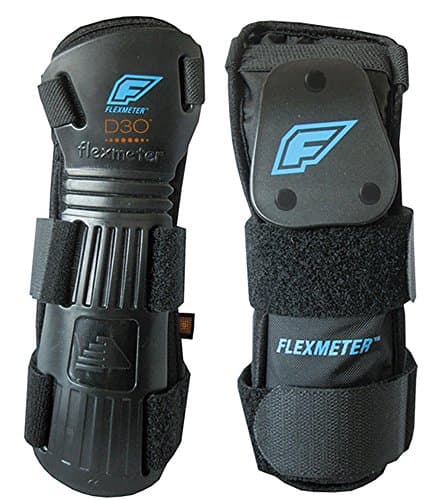
Best beginner protection
Three published protective products compared on materials, size runs and the certifications none of them states.
Top pick: Demon Flexmeter Double Sided Wrist Guards with D3O
Guide
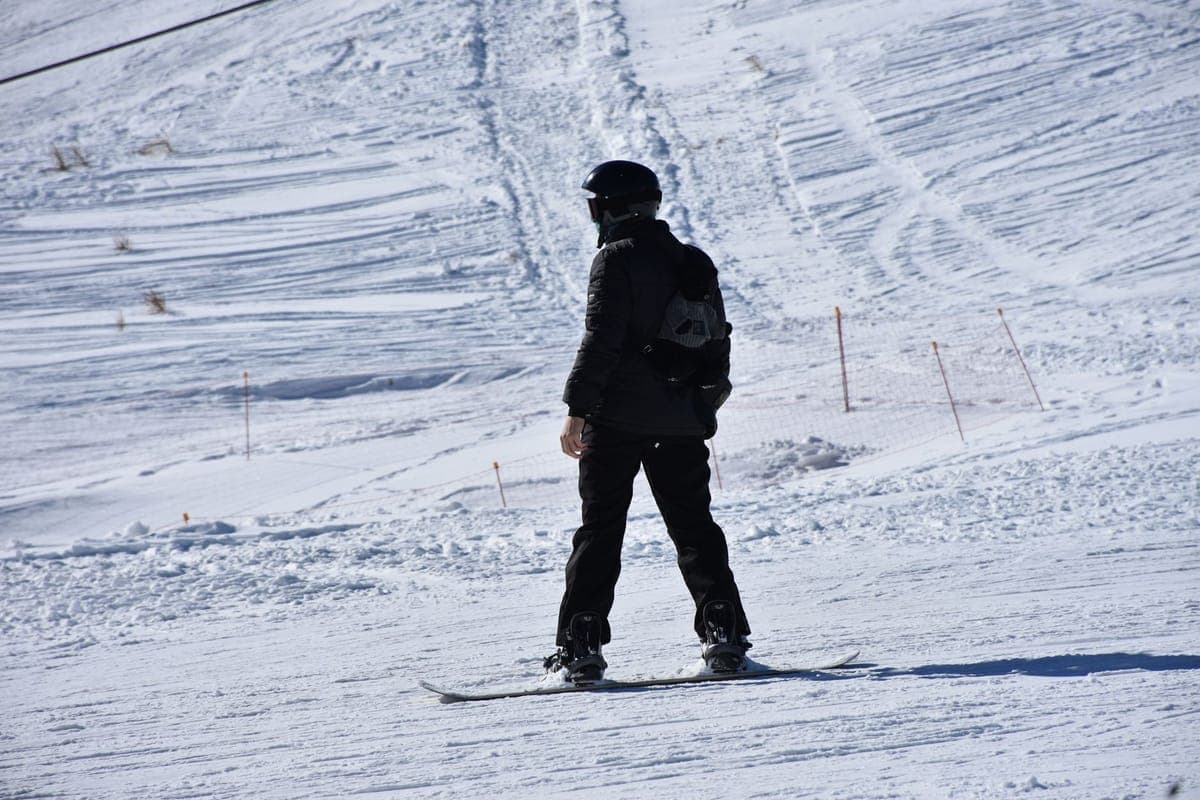
Four quick tests for lead foot, what to do when they disagree, and why it has nothing to do with which hand you write with.
Head to head
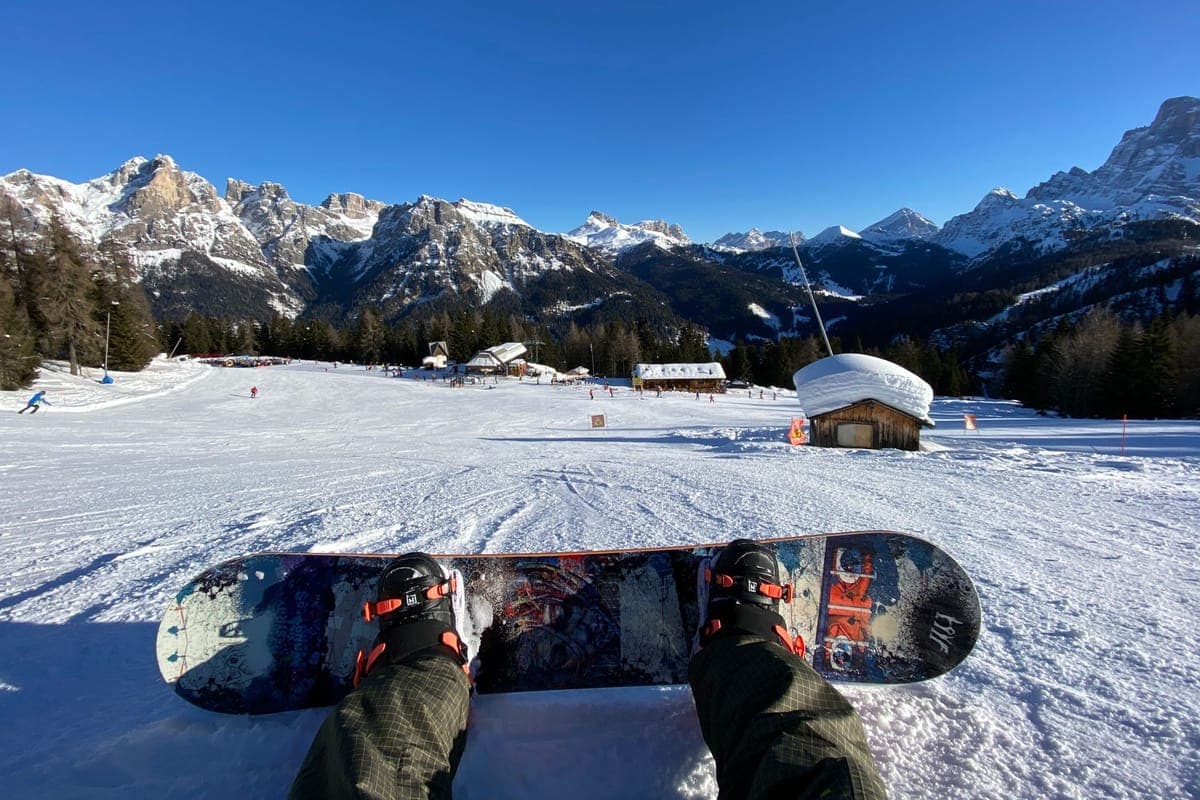
How the three lacing systems differ on zone control, speed, cold-hands usability and what to do when one fails on a trip.
Guide
Cut, length, seam sealing and cuffs compared against ski outerwear, and the honest answer about using a ski jacket you already own.
Guide
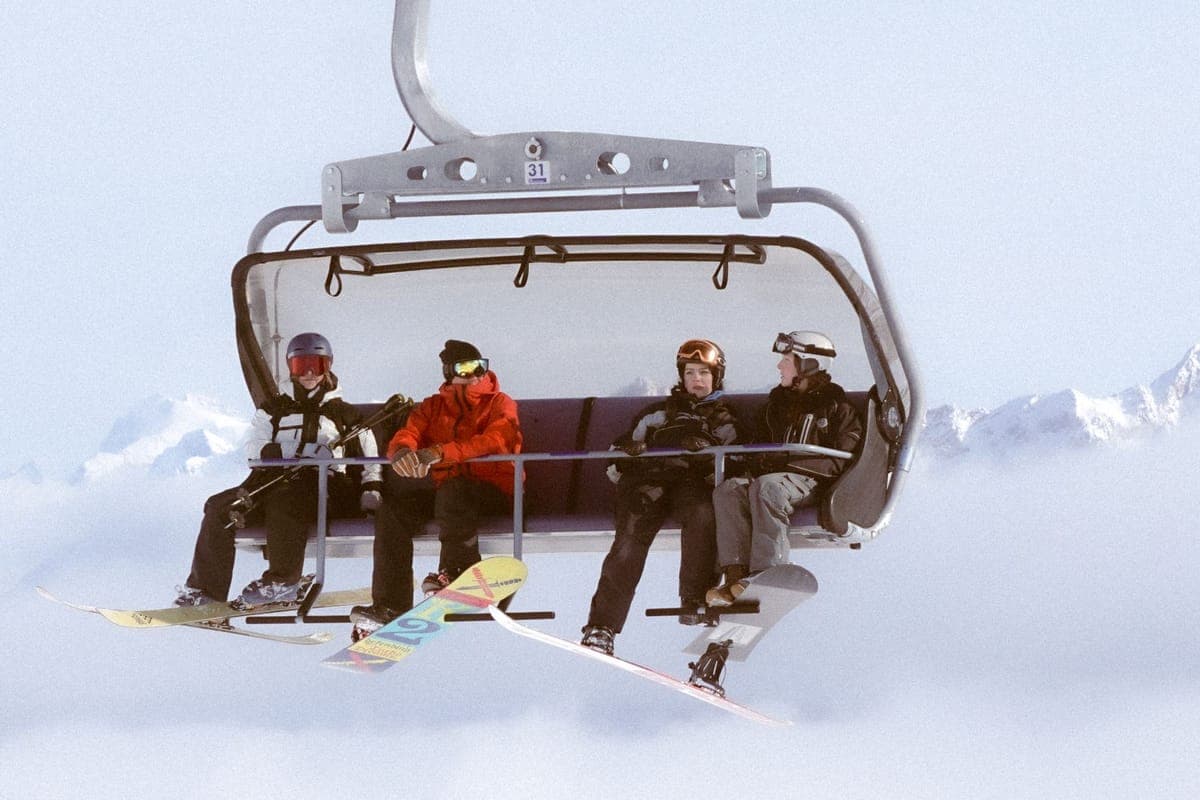
How to skate, one-foot and unload a chairlift, what to do on a flat traverse, and the stomp pad and leash question.
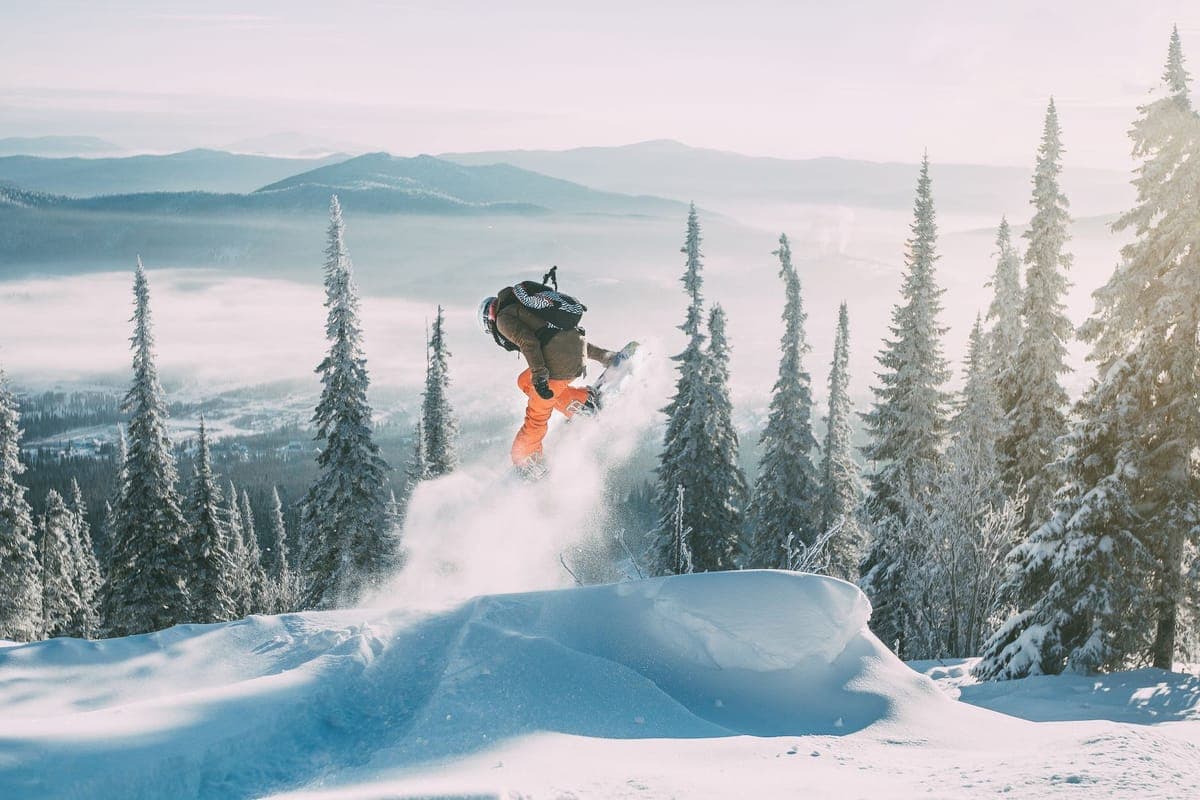
Sizing chart
Mondopoint sizing explained, the heel-lift and toe-brush checks, packing out, and how boot size decides whether you need a wide board.
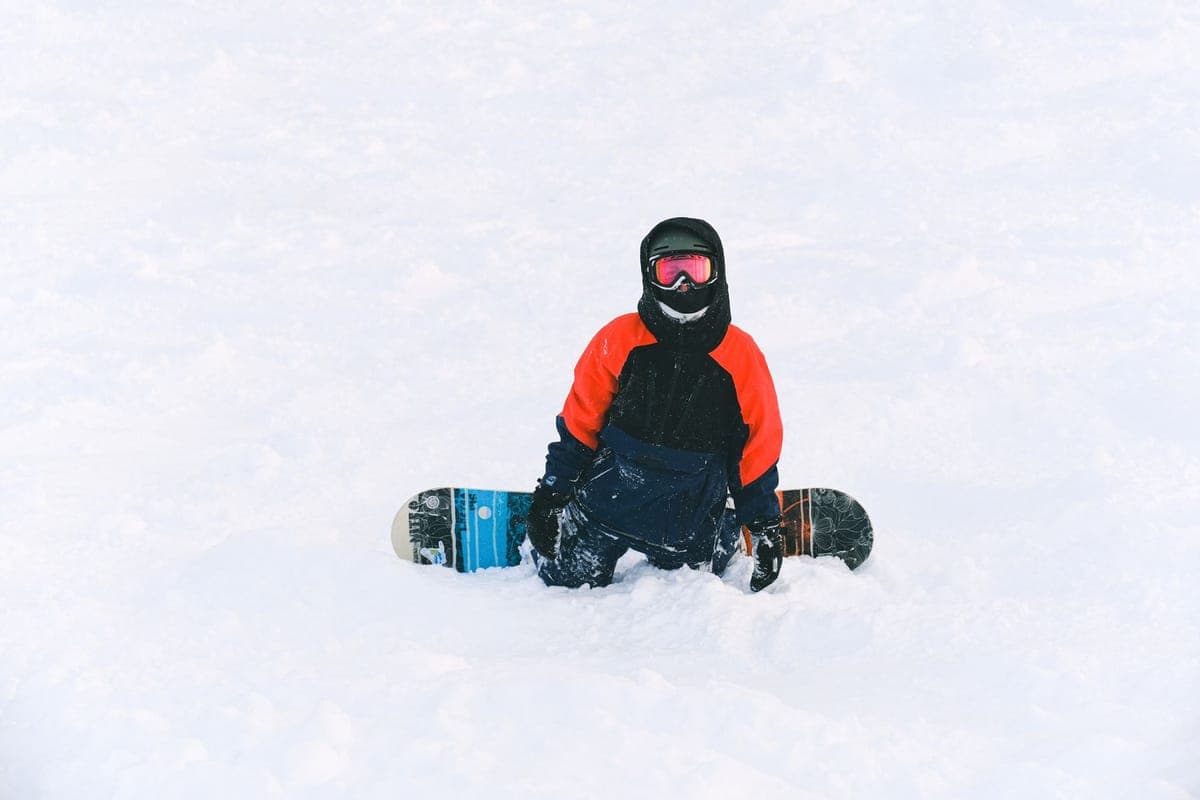
Head to head
The three binding systems compared on setup time, adjustability, boot compatibility and cost, with an honest read on who each suits.
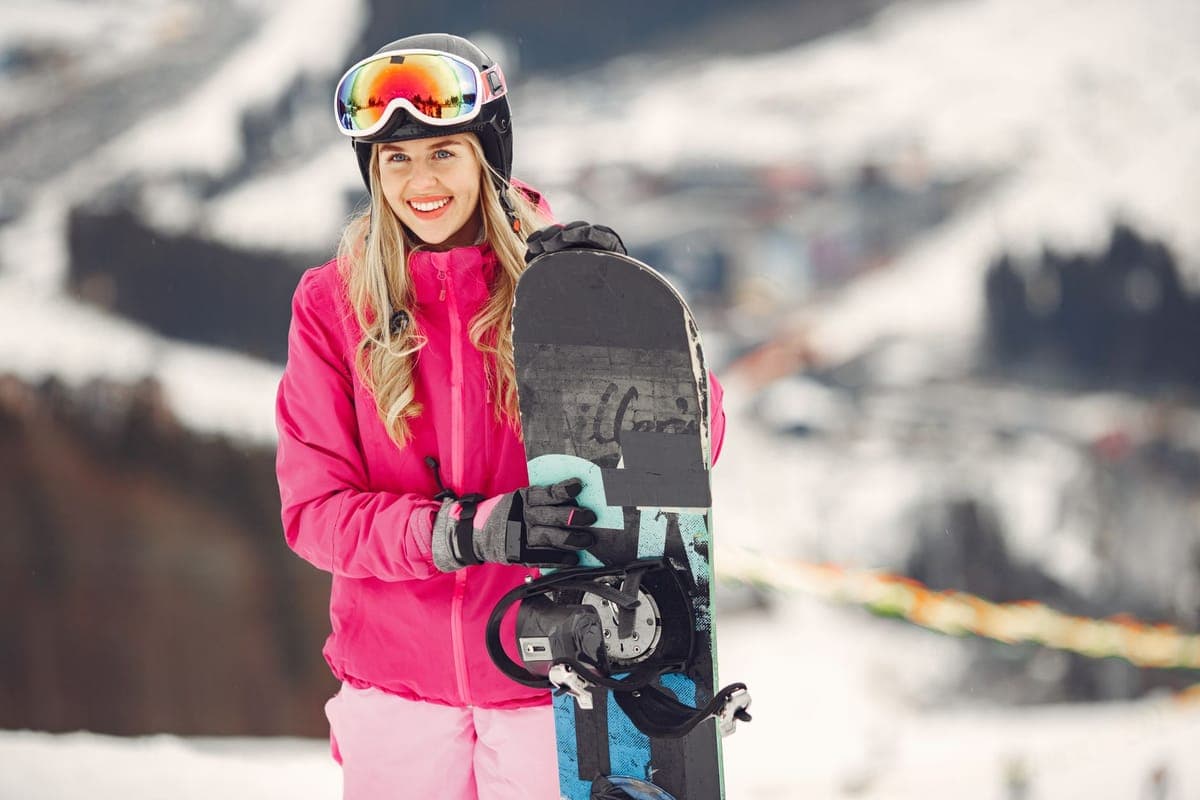
Head to head
What a package genuinely saves, where the compromise lands, and the buying order that gets the best of both.
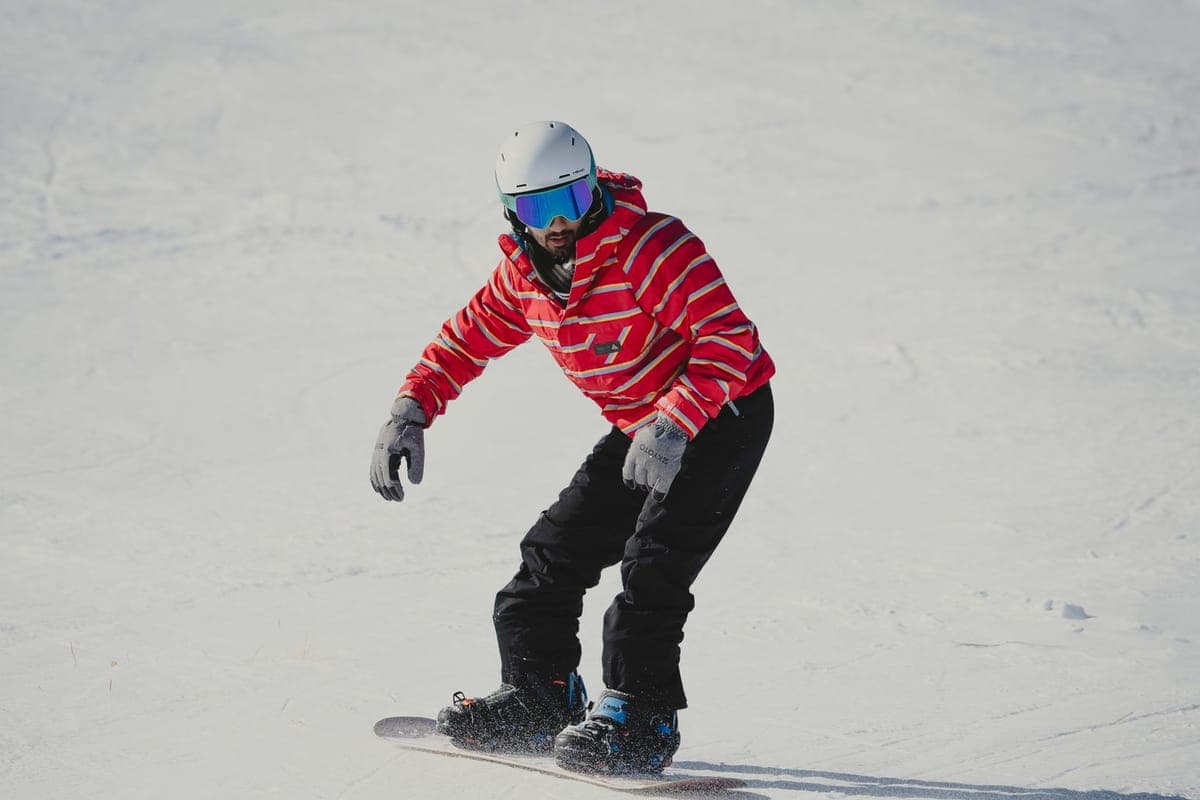
Sizing chart
Height and weight bands for a kids board, why weight drives flex, the boot-width check, and why leasing usually beats buying at this age.
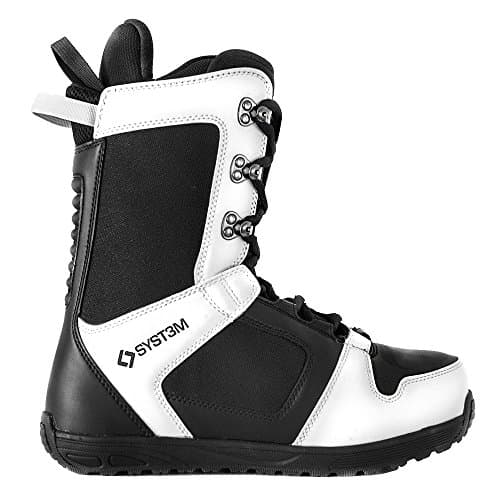
Best first snowboard boots
Three snowboard boots compared on published closure, liner, size run and warranty, with the case for buying boots first.
Top pick: System APX Lace Snowboard Boots
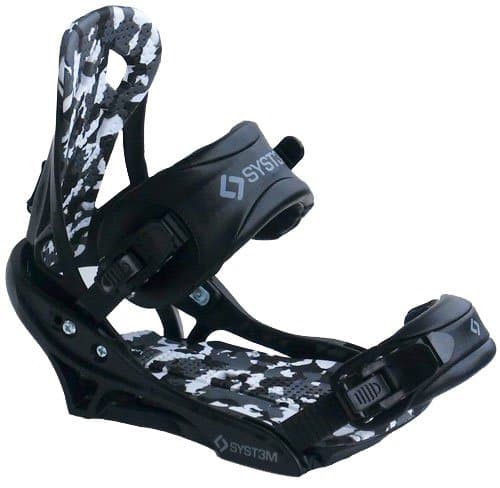
Best value snowboard bindings
Three snowboard bindings compared on published boot range, ratchets, highback and warranty, with a kids pick that adjusts as feet grow.
Top pick: System APX Snowboard Bindings
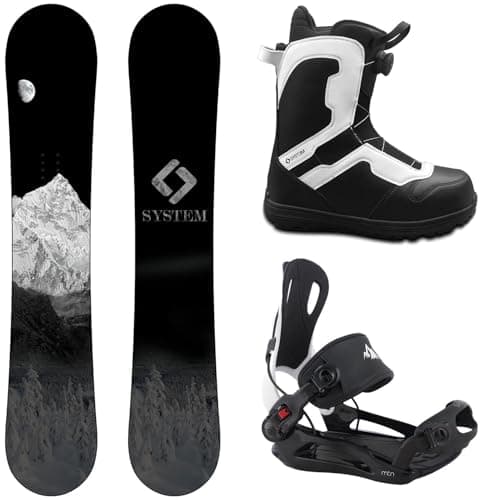
Best all-mountain snowboard package
Three all-mountain snowboard packages compared on published lengths, weight ranges, profile and warranty.
Top pick: System MTN CRCX snowboard package
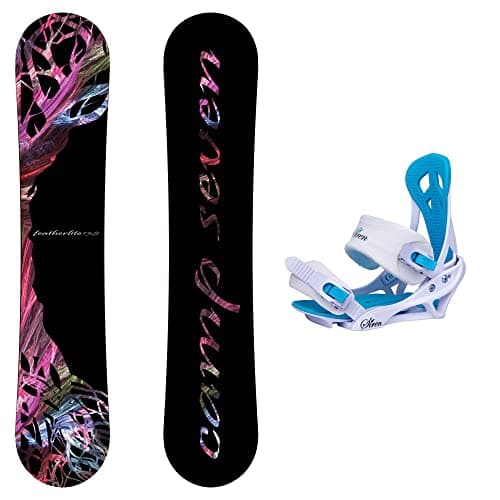
Best women's snowboard package
Three women's snowboard packages compared on published lengths, weight bands, profile and bindings, with the shortest board in the ledger.
Top pick: Camp Seven Featherlite snowboard with Siren Mystic bindings
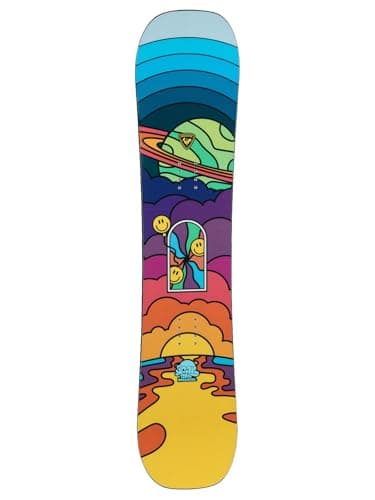
Best kids' snowboard
Kids' snowboards compared on published length, waist width and radius, plus the binding that adjusts as feet grow.
Top pick: Rossignol Scan Kids Snowboard
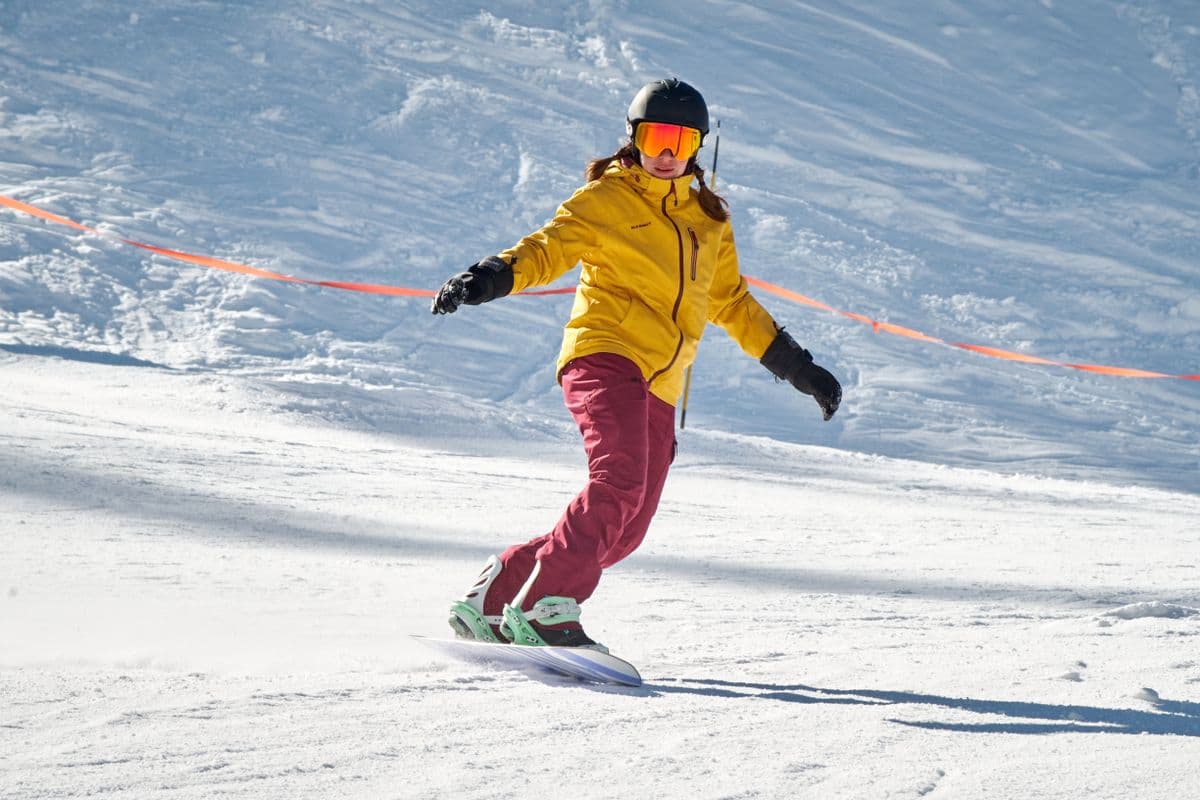
Guide
What packing out does to a soft boot, how to diagnose heel lift, and the lacing and liner fixes that come before buying again.
Guide
How boot size decides whether you need a wide board, and why the published rider weight range beats the chin rule.
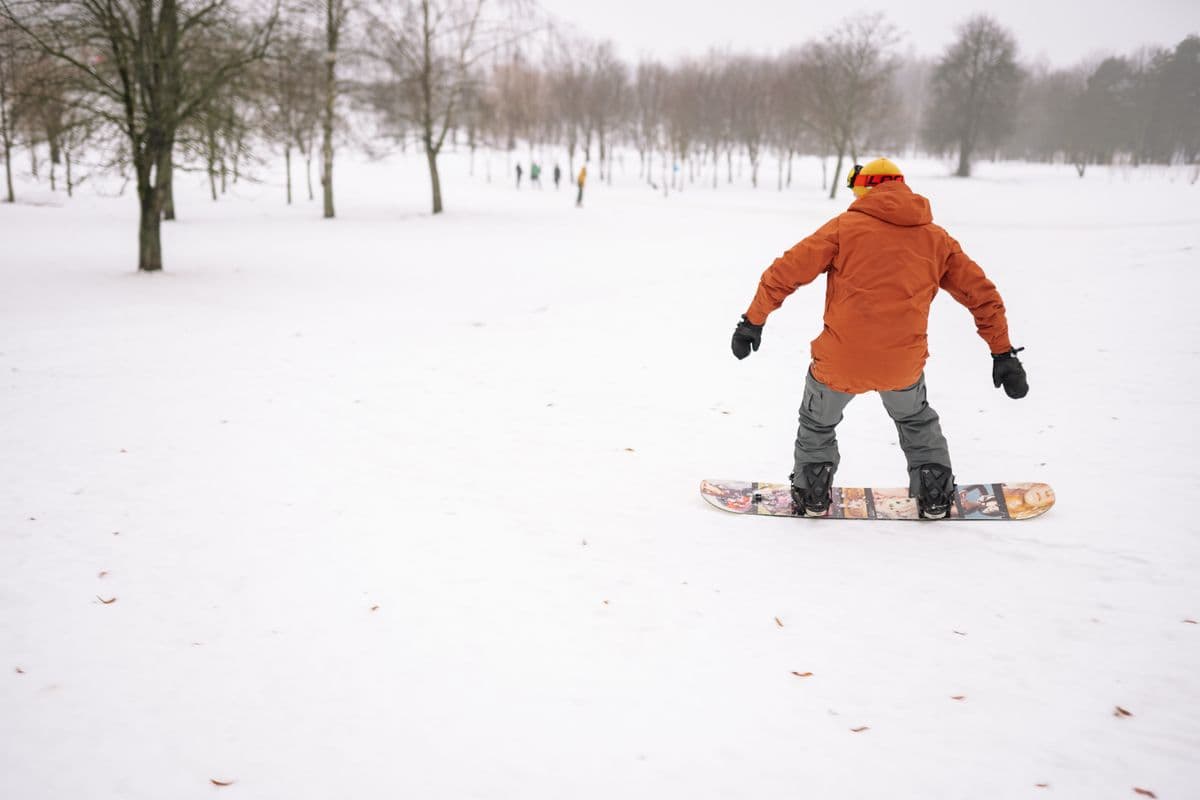
Guide
What a stomp pad does, the types compared, exact placement, fitting without damage, and when you do not need one.
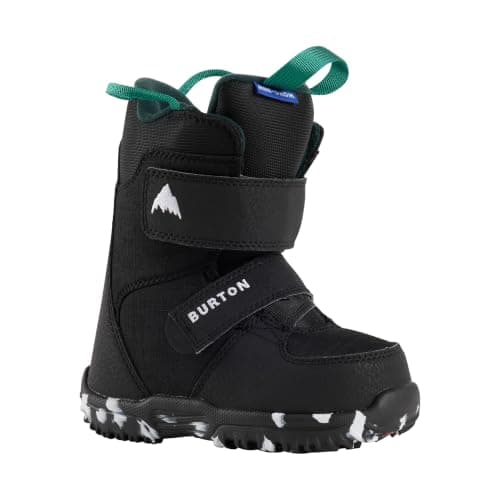
Best kids' snowboard boots
Three kids' snowboard boots compared on published flex, closure, insulation and growing room, and which closure a child can work alone.
Top pick: Burton Kids' Mini Grom Snowboard Boots (12C)
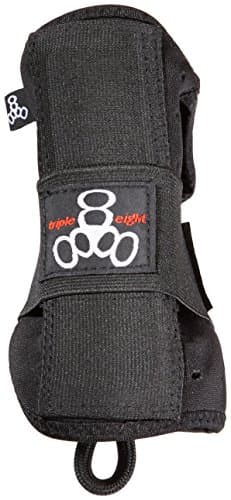
Best kids' wrist guards
Two junior wrist guards compared on published hand-circumference bands and splint construction, plus what to do about impact shorts for a child.
Top pick: Triple Eight Undercover Snow Wrist Guards, Junior
Best beginner snowboard
Two complete packages with published length ranges and rocker profiles, plus weight-based sizing that beats the chin rule.
Top pick: System MTN CRCX snowboard package
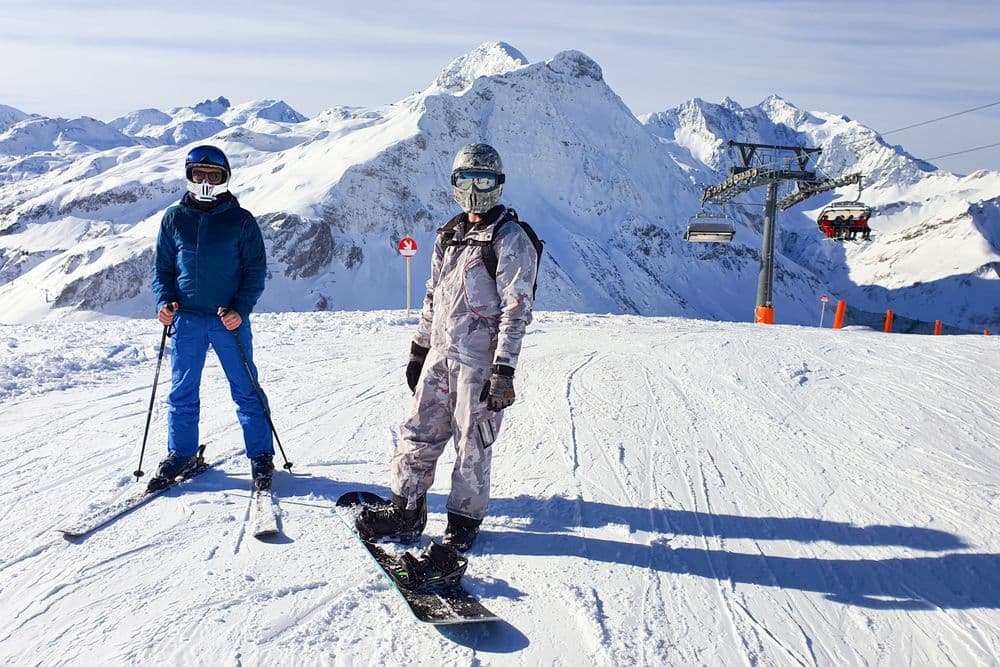
Sizing chart
Length bands by height and weight, the beginner adjustment, and the boot-size rule that decides wide against regular.
Guide
The heel-lift test, why soft flex suits beginners, the three lacing systems compared, and how boot size decides board width.
Guide
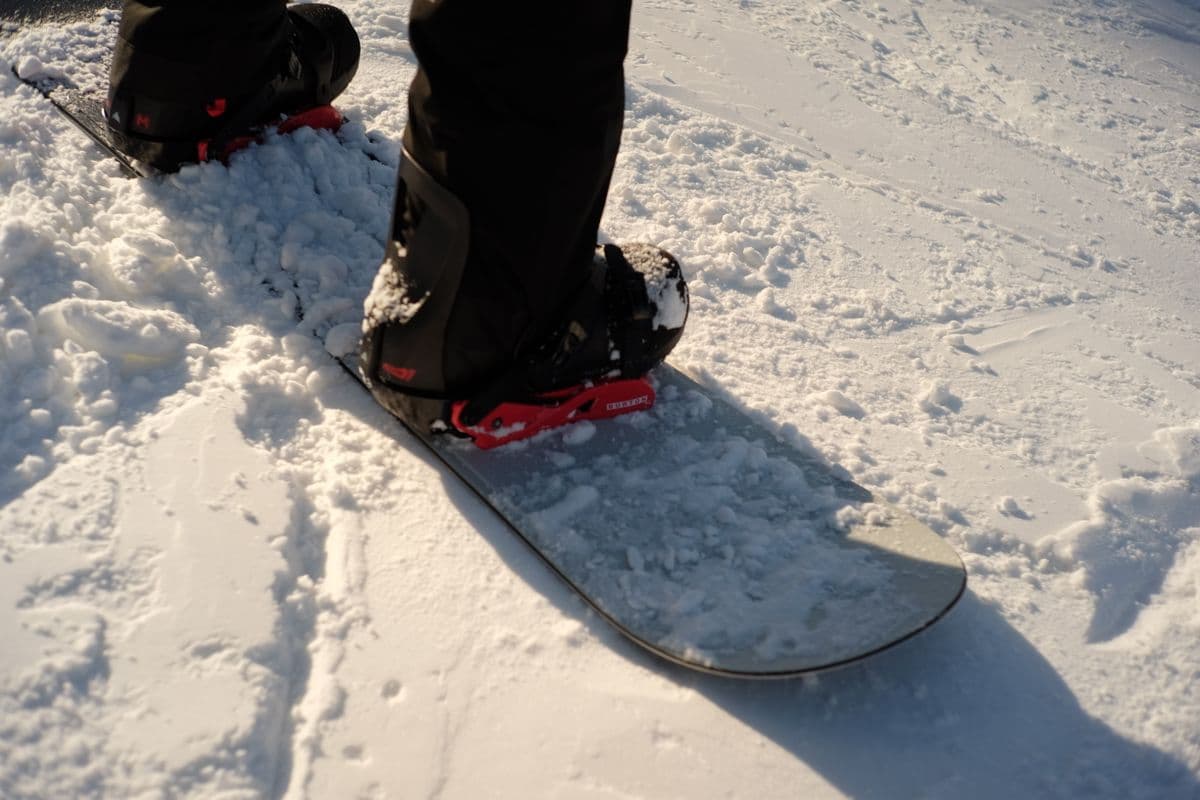
Sizing off boot size, why soft flex is correct for a first season, and how to set your stance width and angles the first time.
Head to head
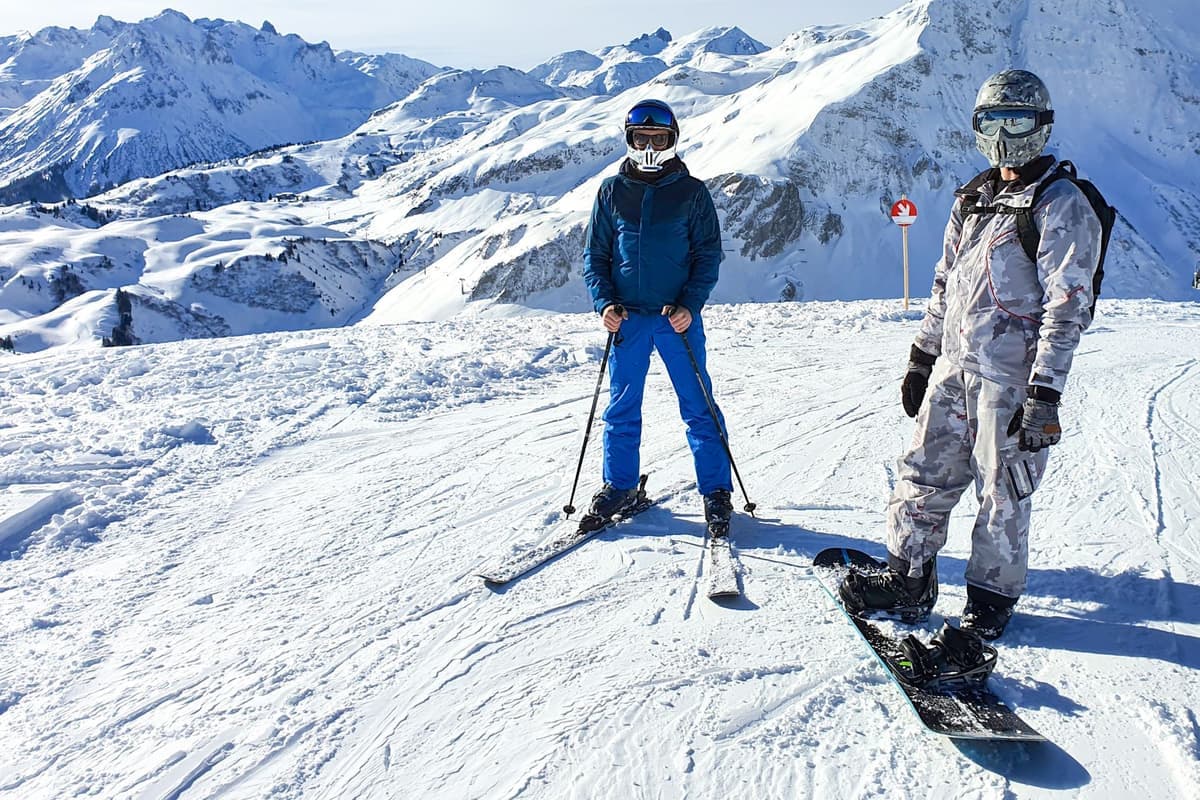
How the two learning curves differ, which is better for young children, and what the gear decision costs either way.
Guide
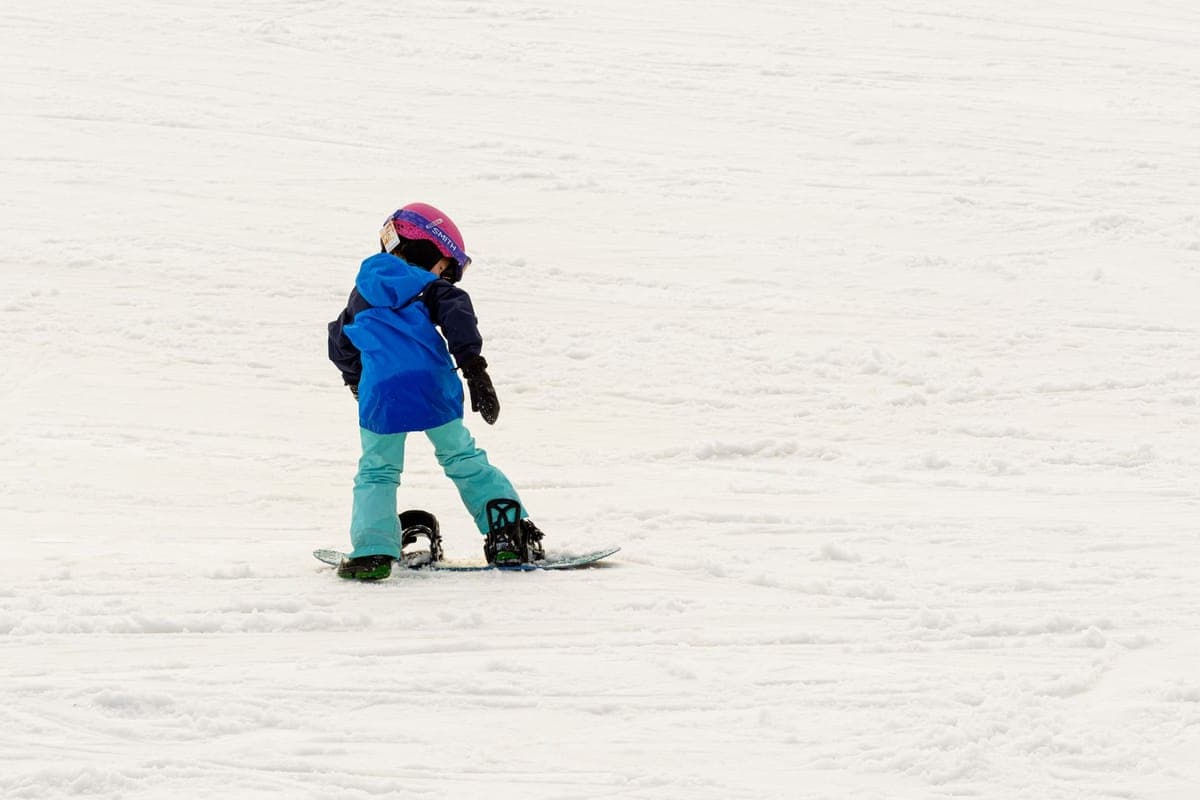
The protective gear a beginner snowboarder needs before a board, what carries over from skiing, and why the board itself is the last purchase.
Prices last verified October 22, 2026. Prices move constantly; the figure on Amazon at the moment you click is the real one.
Most of what this site publishes applies to both sports without modification. A helmet is a helmet, goggles are goggles, and the arithmetic on whether to rent or buy does not care what is strapped to your feet. But a handful of questions belong only to snowboarding, and they are exactly the questions a beginner cannot get a straight answer to.
Which foot goes forward. How wide to set the bindings and at what angles. Why the jacket is cut longer and looser. Why everyone says to buy wrist guards and nobody explains that it is because you will land on your hands about forty times in two days. Why getting off a chairlift is genuinely the hardest part of day one and has nothing to do with riding. Those five things are what this section is for.
The pages that already live elsewhere and are genuinely about snowboarding - the board roundup, the size chart, boots and bindings - are linked here as tiles rather than rewritten. A near-duplicate page competing with its own original is worse than no page at all, and we would rather send you to the one that is already good.
Snowboarding has an unusual shape as a thing to learn. Skiing gives you a gentle first hour and then a long slow climb: you can slide, stop and steer almost immediately, and the difficulty is spread across years of stacking separate skills. Snowboarding front-loads all of it. Both feet are strapped to one plank, your body faces sideways, and the only route to competence runs through learning both edges by falling on each of them repeatedly.
Then, somewhere around day three, it clicks, and progression is fast. That shape has one enormous practical consequence: the gear you buy for a first snowboard week should be chosen to make the falling survivable rather than to make the riding better. Wrist guards and padded shorts are not overcautious purchases at this stage. They are the two items that decide whether there is a day three.
On skis, the shop sets a release value and you are done. On a snowboard there is no release setting at all - alpine snowboard bindings do not release, which surprises people - and instead there are three adjustable things that change how the board feels far more than the board model does: stance width, binding angles, and where along the board the whole stance sits.
The good news is that all three are adjustable with a screwdriver, all three are reversible, and none of them requires a shop. The bad news is that nobody tells a beginner they exist, so a lot of people conclude they are bad at snowboarding when what is actually happening is that their bindings are set for somebody else. The stance and binding setup page walks through the three adjustments and the order to change them in, and the regular-or-goofy page settles the question that comes before all of them.
A snowboarder spends a genuinely large fraction of a learning day sitting in the snow: sitting to strap in, sitting after a fall, sitting to rest. That single fact drives every difference between snowboard outerwear and ski outerwear. The cut is longer and looser to allow for crouching and for sitting cross-legged with a board on. Seam sealing matters more, because the seams getting soaked are the ones on the seat rather than the shoulders. And a taller, longer glove cuff matters because your hands are in the snow constantly.
None of that means a ski jacket will not work. It will, and if you already own one, use it. The outerwear page is about what changes when you buy the next one, and it is honest that for most families the answer is not much.
If you have not decided between the two sports yet, the honest comparison is on its own page, and the short version is that the number of days you will get decides it.
Four pages cover the purchases in the order they actually matter, which is not the order a shop presents them in:
Until recently this section explained snowboarding and pointed elsewhere for anything you might buy. It no longer needs to. The commercial pages now live here, in the order the decisions actually happen: boots, then bindings, then the board.
And before any of it, the question of whether to buy at all. The rent-or-buy page for snowboard gear has the break-even arithmetic, and for a household riding a handful of days a winter it comes out against buying a board.
Breaking in snowboard boots is mostly about diagnosing heel lift, which is what causes the toe pain and lost toenails people blame on sizing. Wide boards and rider weight covers the two published figures that actually size a board - your boot size decides width, and the maker’s rider weight range decides length. Neither of them is your height.
Snowboard stomp pads covers what the pad fixes, exactly where to place it, how to fit one without wrecking a topsheet - and the problem it gets blamed for and cannot solve.
For the first two or three days, yes, markedly. After that it is generally easier, because most of the sport is variations on one motion once you can link turns on both edges. The crossover is around day four or five, which is why the number of days you will actually get on snow decides which to learn.
A certified helmet first, then wrist guards, then padded shorts. Beginner falls land on outstretched hands and on the tailbone, which is a completely different injury pattern from skiing, and both items are inexpensive next to a lift ticket. They matter most in the first few days, which is exactly when most people have not bought them.
No. Standard alpine snowboard bindings do not release, and that is by design: both feet are attached to one board, so the twisting forces that make a ski binding necessary do not arise in the same way. It also means there is no release setting to calculate and no shop appointment to book.
Yes. The differences are cut and seam sealing rather than function: snowboard outerwear is generally longer and looser and pays more attention to the lower seams, because a snowboarder sits in the snow far more. If you already own ski outerwear, use it, and apply the difference to the next purchase.
Usually not. Board length is set from your height and weight, and the binding setup depends on which foot you lead with, which you will not know until you have had a lesson. Rent or lease the hardware for the first season and buy boots first if you buy anything at all.