Ski gloves vs mittens: which and for whom
Mittens win on warmth for a reason you can explain in one sentence. Gloves win on everything you need fingers for. Children are not a close call.
By Sawyer V. · Published
We have not tested this gear. Everything below is compiled from published specifications and published safety standards, and the arithmetic is public so you can check it. This page carries affiliate links: if you buy through one we earn a commission at no extra cost to you, and it does not change the order of the picks. Full disclosure.
The short answer
Mittens are warmer than gloves at the same insulation, because fingers share a single air space and warm each other instead of each losing heat separately. The cost is dexterity: you cannot work a zipper, a lift pass or a phone in a mitten. For young children, mittens are the right answer almost every time. For adults it depends on whether your hands run cold.
| # | Pick | Best for | Score | Price |
|---|---|---|---|---|
| 1 | OutdoorMaster Ski Mittens Anyone whose hands get cold, which the gloves will not fix | $2.33 a dayon snow | 6.4/10 | $24.95 - View on Amazon |
| 2 | OutdoorMaster 3M Thinsulate Waterproof Ski Gloves The default adult glove when nothing about your hands is unusual | $2.67 a dayon snow | 6.3/10 | $24.95 - View on Amazon |
| 3 | OutdoorMaster Kids 3M Thinsulate Waterproof Ski Gloves A child old enough to want fingers rather than mittens | $6.00 a dayon snow | 4.7/10 | Check price on Amazon |
Prices last verified October 19, 2026. Prices move constantly; the figure on Amazon at the moment you click is the real one.
The one-sentence reason
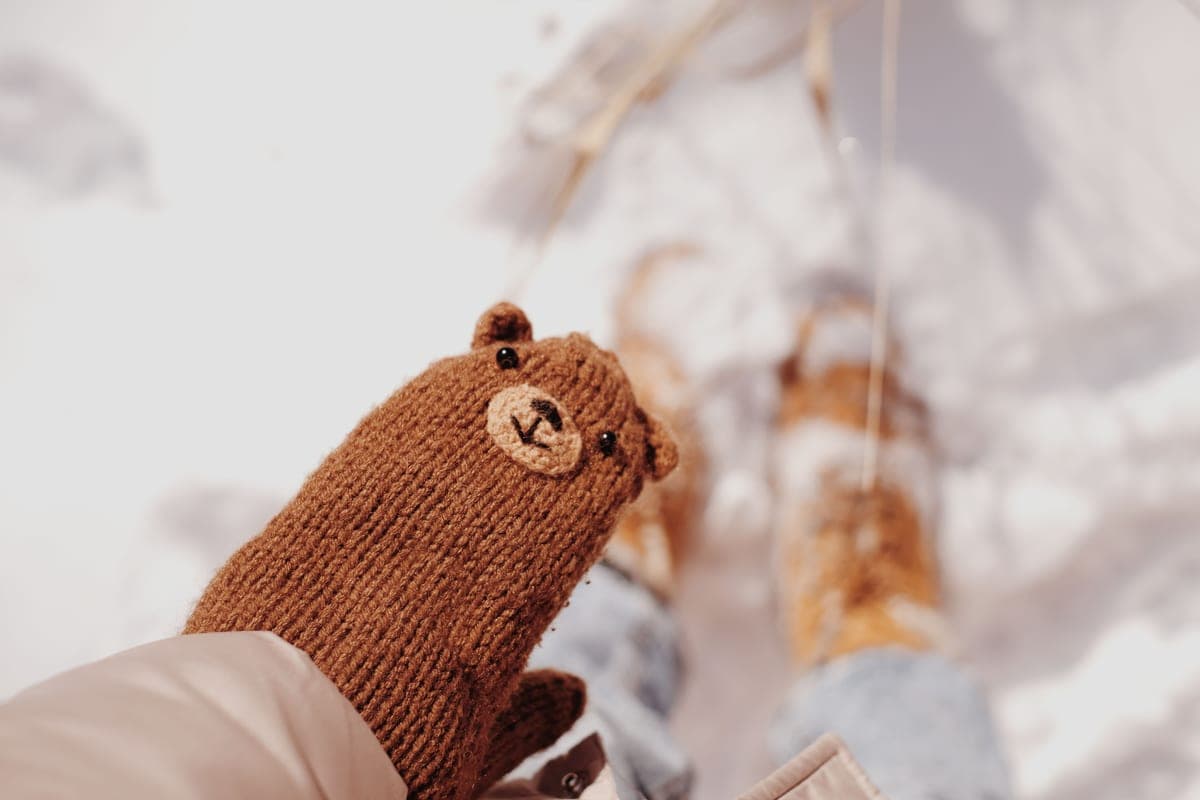
Heat leaves your hand through its surface. A mitten puts four fingers in one compartment, so they share warmth and the total exposed surface is smaller. A glove gives each finger its own compartment with its own walls, which is four times the surface area doing the same job.
That is the whole argument, and it holds at every price point. A cheap mitten and an expensive glove with the same insulation will usually favor the mitten on a genuinely cold day.
The trade-off, honestly
| Task | Gloves | Mittens |
|---|---|---|
| Staying warm at rest, on a lift | Adequate | Clearly better |
| Adjusting boot buckles | Fine | Take the mitten off |
| Holding a lift pass or a phone | Fine | Take the mitten off |
| Carrying skis | Fine | Fine |
| Helping a child with their gear | Fine | Take the mitten off, repeatedly |
| Getting up after a fall | Fine | Fine |
Note the pattern: the mitten column is either better or requires taking it off. There is no task where a glove is warmer, and no task where a mitten is more capable. That makes this an unusually clean decision once you know which of the two properties you need more.
Children are not a close call
Mittens. Two reasons that both point the same way.
- Children get cold faster. They have more surface area relative to their body volume than adults, so they shed heat faster, and their hands are in the snow constantly.
- They do not need the dexterity. A young child is not adjusting bindings or checking a lift app. An adult is doing all of that for them, which is the actual reason the adult should probably be in gloves.
Getting a small child into a mitten is also faster than lining up four fingers, which matters more than it sounds when you are doing it in a car park with a queue behind you.
The compromise: three-finger mitts
Sometimes called lobster mitts or trigger mitts, these put the index finger in its own compartment and the remaining three together. You get most of the warmth of a mitten and enough dexterity to grip a pole properly and manage a zipper.
They look unusual and they are a genuinely good answer for an adult with cold hands who does not want to keep taking a mitten off. The market for them is smaller, which is why there is not one in our picks.
Liner gloves, which change the calculation
A thin liner glove worn inside a mitten removes the main objection to mittens entirely: you take the mitten off to do something fiddly and your hand is still covered rather than bare in freezing air. Many liners are touchscreen compatible.
This is the setup a lot of people converge on eventually, and it costs very little. It is the closest thing to having both.
What matters more than either
Three things outrank the glove-versus-mitten question and are worth checking first:
- A gauntlet cuff that goes over the jacket sleeve. Snow up the wrist is the most common way hands get wet, and it happens with gloves and mittens equally.
- Fit that is not tight. A tight glove or mitten is colder, because compressed insulation does not insulate and restricted circulation does not deliver warm blood to your fingers.
- Being dry. A wet mitten is colder than a dry glove, every time.
The picks are ranked on published insulation, size range and warranty, and both a glove and a mitten from the same maker appear so you can compare like with like.
If this page has convinced you to buy mittens, the mitten picks are ranked separately on what each maker actually publishes - which turns out to be the only honest way to rank them, because just one mitten in the group publishes an insulation weight at all.
Every pick, with the working
Each entry shows the published inputs, the axis scores they produce, and what you give up. The order is the computed order, not a commercial one, and the arithmetic is open underneath each score.
1 · Anyone whose hands get cold, which the gloves will not fix
OutdoorMaster Ski Mittens
The mitten version of the same thing, five dollars cheaper, and warmer for the same insulation because your fingers share heat instead of each losing it separately. If your hands get cold, this is the answer before more insulation is.
- Published price
- $34.99
- Cost per day on snow
- $2.33 a day
- Amortized over
- 3 seasons (15 days)
- Certified to
- Not published
- Waterproof rating
- Not published
- Published sizes
- S through XL
- Warranty
- OutdoorMaster 2-year warranty
What it gets right
- Warmer than a glove of the same insulation, because fingers share heat
- Two-year published warranty
- $34.99, the cheapest adult hand option here
What you give up
- You cannot work a zipper, a lift ticket or a phone in a mitten
- No published waterproof rating
The working behind the 6.4
- Cost per day on snow: 9.4
- $34.99 over 3 seasons at 5 days each = 15 days = $2.33 a day
- Published protection: not scored
- No waterproof rating or seam construction published.
- Size availability: 5.1
- 4 published sizes (5.1 of 8.5); no continuous adjuster published (+0); range: S through XL
- Warranty and support: 2.5
- 2 yr (2.5 of 6); no published crash replacement (+0); no published repair route (+0)
Axes with unpublished inputs are dropped and the remaining weights re-normalized, so a product is not punished for a manufacturer’s silence. Specifications compiled September 3, 2026 from OutdoorMaster published specifications.
2 · The default adult glove when nothing about your hands is unusual
OutdoorMaster 3M Thinsulate Waterproof Ski Gloves
Named Thinsulate insulation and a published two-year warranty at $39.99, which is the only glove here that publishes a warranty term at all. Over three seasons that is $2.67 a day.
- Published price
- $39.99
- Cost per day on snow
- $2.67 a day
- Amortized over
- 3 seasons (15 days)
- Certified to
- Not published
- Waterproof rating
- Not published
- Published sizes
- S through XL
- Warranty
- OutdoorMaster 2-year warranty
What it gets right
- Two-year published warranty, which no other glove here states
- 3M Thinsulate insulation named rather than unspecified fill
- $39.99, which is $2.67 a day over three seasons at five days each
What you give up
- No published waterproof rating in millimeters
- Four sizes, so hands at the extremes are less well served
The working behind the 6.3
- Cost per day on snow: 9.1
- $39.99 over 3 seasons at 5 days each = 15 days = $2.67 a day
- Published protection: not scored
- No waterproof rating or seam construction published.
- Size availability: 5.1
- 4 published sizes (5.1 of 8.5); no continuous adjuster published (+0); range: S through XL
- Warranty and support: 2.5
- 2 yr (2.5 of 6); no published crash replacement (+0); no published repair route (+0)
Axes with unpublished inputs are dropped and the remaining weights re-normalized, so a product is not punished for a manufacturer’s silence. Specifications compiled September 3, 2026 from OutdoorMaster published specifications.
3 · A child old enough to want fingers rather than mittens
OutdoorMaster Kids 3M Thinsulate Waterproof Ski Gloves
Named insulation and a published two-year warranty on a children's glove, which almost nothing in this category offers. Buy two pairs anyway: a child's gloves are wet by lunch and there is no drying them on a mountain.
- Published price
- $29.99
- Cost per day on snow
- $6.00 a day
- Amortized over
- 1 season (5 days)
- Certified to
- Not published
- Waterproof rating
- Not published
- Published sizes
- Three published youth sizes
- Warranty
- OutdoorMaster 2-year warranty
What it gets right
- Two-year published warranty on a children's item
- 3M Thinsulate insulation named on the specification
- $29.99 published
What you give up
- Gloves are colder than mittens for a small child at the same insulation
- No published waterproof rating
The working behind the 4.7
- Cost per day on snow: 6.7
- $29.99 over 1 season at 5 days each = 5 days = $6.00 a day
- Published protection: not scored
- No waterproof rating or seam construction published.
- Size availability: 3.4
- 3 published sizes (3.4 of 8.5); no continuous adjuster published (+0); range: Three published youth sizes
- Warranty and support: 2.5
- 2 yr (2.5 of 6); no published crash replacement (+0); no published repair route (+0)
Axes with unpublished inputs are dropped and the remaining weights re-normalized, so a product is not punished for a manufacturer’s silence. Specifications compiled September 3, 2026 from OutdoorMaster published specifications.
Prices last verified October 19, 2026. Prices move constantly; the figure on Amazon at the moment you click is the real one.
Questions people actually ask
Are mittens better than gloves for skiing?
Warmer, yes, at the same insulation, because fingers share heat. Less capable for anything requiring fingers. For young children, mittens. For adults, it depends on how cold your hands run.
Why are mittens warmer than gloves?
Four fingers in one compartment share warmth and present less total surface area for heat to escape through. A glove gives each finger its own walls, roughly four times the surface doing the same job.
What are lobster mitts?
Three-finger mitts: the index finger has its own compartment and the other three share one. They are a genuine middle ground, with most of a mitten’s warmth and enough dexterity to grip a pole and work a zipper.
Should kids wear mittens or gloves for skiing?
Mittens, in almost every case. They are warmer, faster to put on, and children do not need the dexterity a glove buys. Buy two pairs regardless of which you choose.
Do liner gloves actually help?
Yes, and mostly for a reason people do not expect: they let you take the outer layer off to do something fiddly without putting a bare hand into freezing air. Many are touchscreen compatible.