Cold hands skiing: the fixes, in order of how much they help
A warmer glove is the fourth-best answer. The first three are free, and one of them is about your torso rather than your hands.
By Sawyer V. · Published
We have not tested this gear. Everything below is compiled from published specifications and published safety standards, and the arithmetic is public so you can check it. This page carries affiliate links: if you buy through one we earn a commission at no extra cost to you, and it does not change the order of the picks. Full disclosure.
The short answer
Cold hands are usually a circulation problem rather than an insulation problem. In order of effect: keep your core warm so your body stops restricting blood to your fingers, keep the gloves genuinely dry, stop wearing gloves that are too tight, and only then buy warmer ones. If you do buy, a mitten is materially warmer than a glove at the same price because your fingers share heat.
| # | Pick | Best for | Score | Price |
|---|---|---|---|---|
| 1 | OutdoorMaster Ski Mittens Anyone whose hands get cold, which the gloves will not fix | $2.33 a dayon snow | 6.4/10 | $24.95 - View on Amazon |
| 2 | OutdoorMaster 3M Thinsulate Waterproof Ski Gloves The default adult glove when nothing about your hands is unusual | $2.67 a dayon snow | 6.3/10 | $24.95 - View on Amazon |
| 3 | MERIWOOL Merino 250 Base Layer Top The layer that decides whether a beginner is cold all day | $3.25 a dayon snow | 5.9/10 | $65.00 - View on Amazon |
| 4 | Burton Profile Gloves An adult beginner who will spend the day with wet hands otherwise | $3.53 a dayon snow | 5.8/10 | $52.95 - View on Amazon |
| 5 | Carhartt Waterproof Insulated Glove A parent who spends more time holding a sled than skiing | $2.20 a dayon snow | 5.8/10 | $32.99 - View on Amazon |
Prices last verified October 19, 2026. Prices move constantly; the figure on Amazon at the moment you click is the real one.
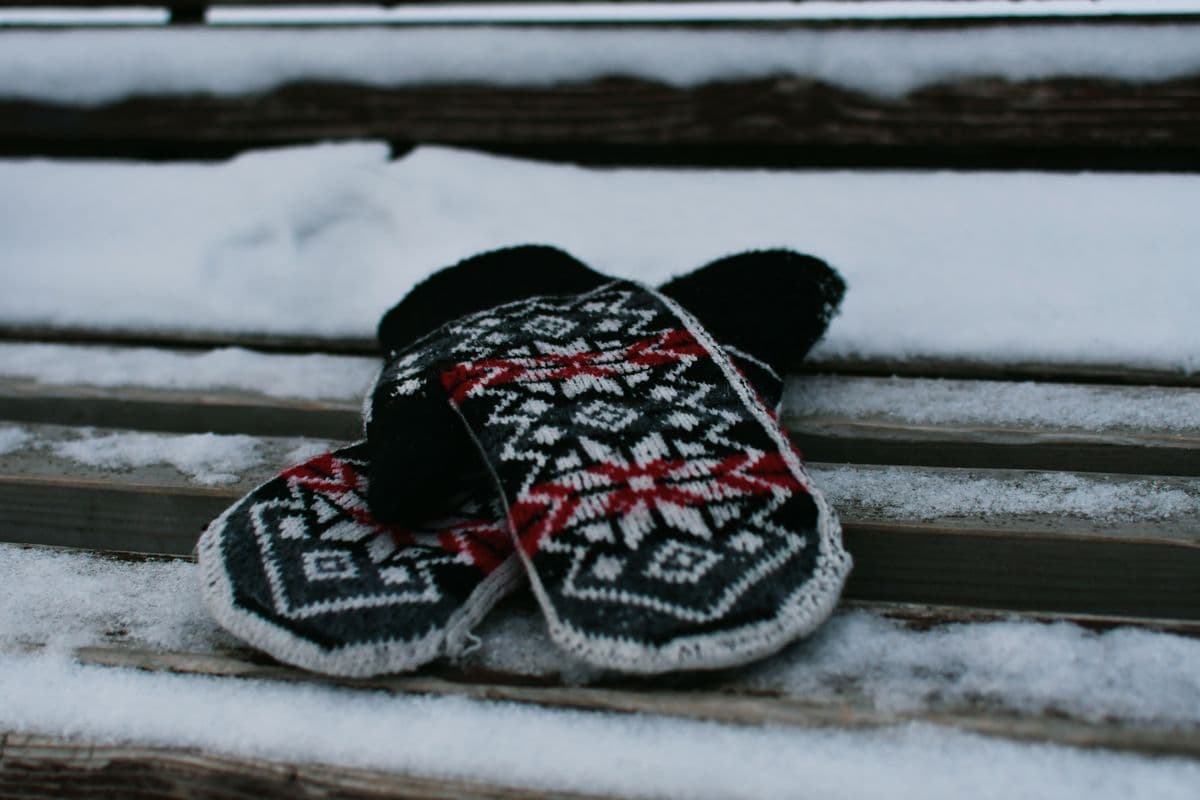
Why hands go cold, physiologically
When your body detects that its core temperature is dropping, it protects your organs by reducing blood flow to the extremities. Fingers and toes are first, because they have a large surface area relative to their volume and they are furthest from the middle of you. This is called peripheral vasoconstriction, and it is the mechanism behind almost every cold-hands complaint on a ski hill.
The consequence is the single most useful thing on this page: if your hands are cold, the problem is often somewhere other than your hands. A person in a thin base layer with an excellent pair of gloves will have colder fingers than a person in a proper base layer with mediocre gloves, and no amount of glove upgrading fixes the first case.
The fixes, in order of how much they actually help
| # | Fix | Cost | Why it works |
|---|---|---|---|
| 1 | Warm up your core | Free | Stops your body restricting blood to your fingers |
| 2 | Get the gloves properly dry | Free | A damp glove conducts heat away several times faster |
| 3 | Loosen everything | Free | Tight gloves, cuffs and straps cut circulation |
| 4 | Switch to mittens | Low | Fingers share heat instead of being insulated separately |
| 5 | Add a thin liner glove | Low | A second layer plus something to wear during a lift-pass fumble |
| 6 | Chemical or rechargeable warmers | Low | Direct heat at the back of the hand, over the pulse |
| 7 | Buy warmer gloves | High | Only genuinely necessary after all of the above |
1. Warm up your core
Add a layer to your torso, not to your hands. A proper merino base layer, a genuine mid layer, and a jacket that is actually closed at the neck and hem. Eat something and drink some water: being cold and being underfueled produce the same symptoms and one is much easier to fix at the top of the lift.
This is the fix people skip because it sounds like a non-answer, and it is the one that works most reliably. What a base layer actually does, and how many layers you need is on its own page.
2. Get the gloves dry
Wet insulation is not insulation. Damp gloves conduct heat away from your skin far faster than dry ones, and once a glove is properly wet nothing you do on the mountain will bring it back. Two dry pairs beats one excellent wet pair by a distance.
- Take an extra pair for the afternoon. Cheapest genuine improvement available to a family.
- Do not pack snow with bare gloves, and do not let a child spend the morning making snowballs in their ski gloves.
- Dry them overnight, properly. Cuffs rolled back, room temperature, moving air, never on a radiator. The evening routine is here, and if you ski consecutive days, a dryer handles gloves as well as boots.
3. Loosen everything
A glove that is too tight is colder than one that fits, because it compresses the insulation and restricts blood flow at the same time. Buying a size up is frequently the entire fix, and it costs nothing to check: you should be able to wiggle your fingers freely with a little air space at the tips.
Then check what else is tight. A wrist strap cranked down, a jacket cuff closed hard over a watch, a pole strap wrapped tight around your wrist, and a backpack with tight shoulder straps all reduce circulation into the hand. This is the most common overlooked cause we know of.
4. Switch to mittens
A mitten is warmer than a glove of identical construction, because four fingers in one chamber share heat rather than each being insulated separately and losing heat individually. It is not a marginal difference, and it costs nothing extra.
The trade is dexterity: buckles, zips, lift passes and phone screens are all harder. For a beginner and for most children, that trade is clearly worth making, and the buckle problem is solved by taking the mitten off for ten seconds. The full comparison, including three-finger lobster designs, is on the gloves against mittens page.
One warning if you are switching for warmth: almost no mitten maker publishes an insulation weight, so a mitten sold as warmer than another mitten is usually an unverifiable claim. Buy on the membrane and on whether the liner comes out to dry, and size up rather than down - a mitten packed tight has lost the air space that makes it work.
5. Add a liner glove
A thin merino or synthetic liner inside a glove or mitten adds warmth, wicks sweat away from your skin, and gives you something on your hands during the thirty seconds when the outer layer is off. Those thirty seconds are when hands actually get cold: bare skin on a metal buckle at 15F chills a hand faster than an hour of skiing.
6. Hand warmers, used correctly
Disposable air-activated warmers and rechargeable electric ones both work. Two details make a large difference:
- Put them on the back of the hand, not the palm. Blood returning from your fingers passes near the surface there, so you warm the blood going back into the fingers rather than heating one spot.
- Activate disposable ones early. They need air and several minutes to reach temperature, and a sealed glove starves them. Open them in the car.
7. Then, and only then, buy warmer gloves
If you have done all six and your hands are still cold, buy properly. What to look for, in order: a waterproof insert rather than a water-resistant fabric, an insulation the maker actually publishes, a gauntlet cuff that goes over the jacket sleeve rather than under it, and a wrist leash so the glove cannot blow off a chairlift.
Our ranked picks, with each maker’s published waterproof rating, insulation and construction, are on the ski glove roundup, and the working under each score is printed.
Children, whose hands go cold faster
Children have a larger surface area relative to their body mass, so they lose heat faster than adults and they reach the vasoconstriction point sooner. They are also much worse at telling you until it is a crisis.
- Mittens, always, for younger children. Warmer and easier to get on.
- A spare pair in the pocket, not in the car.
- Attach them to the jacket. A lost mitten on a chairlift ends the day.
- Check the wrist gap. Between the jacket cuff and the glove is where a child gets snow up their sleeve. A gauntlet over the sleeve fixes it.
- Go inside on a schedule, not on complaint. A hot chocolate break every ninety minutes prevents the meltdown rather than responding to it. More of what actually works with children on snow.
If it is not normal cold
Some people get white, numb fingers in the cold well beyond what anyone else in the group experiences, sometimes with a painful red flush as they warm up. That is a recognized circulatory response and it is not something a better glove or more willpower fixes. If that describes you, this is a conversation with a doctor rather than a gear page, and heated gloves become a genuinely sensible purchase rather than a luxury.
Every pick, with the working
Each entry shows the published inputs, the axis scores they produce, and what you give up. The order is the computed order, not a commercial one, and the arithmetic is open underneath each score.
1 · Anyone whose hands get cold, which the gloves will not fix
OutdoorMaster Ski Mittens
The mitten version of the same thing, five dollars cheaper, and warmer for the same insulation because your fingers share heat instead of each losing it separately. If your hands get cold, this is the answer before more insulation is.
- Published price
- $34.99
- Cost per day on snow
- $2.33 a day
- Amortized over
- 3 seasons (15 days)
- Certified to
- Not published
- Waterproof rating
- Not published
- Published sizes
- S through XL
- Warranty
- OutdoorMaster 2-year warranty
What it gets right
- Warmer than a glove of the same insulation, because fingers share heat
- Two-year published warranty
- $34.99, the cheapest adult hand option here
What you give up
- You cannot work a zipper, a lift ticket or a phone in a mitten
- No published waterproof rating
The working behind the 6.4
- Cost per day on snow: 9.4
- $34.99 over 3 seasons at 5 days each = 15 days = $2.33 a day
- Published protection: not scored
- No waterproof rating or seam construction published.
- Size availability: 5.1
- 4 published sizes (5.1 of 8.5); no continuous adjuster published (+0); range: S through XL
- Warranty and support: 2.5
- 2 yr (2.5 of 6); no published crash replacement (+0); no published repair route (+0)
Axes with unpublished inputs are dropped and the remaining weights re-normalized, so a product is not punished for a manufacturer’s silence. Specifications compiled September 3, 2026 from OutdoorMaster published specifications.
2 · The default adult glove when nothing about your hands is unusual
OutdoorMaster 3M Thinsulate Waterproof Ski Gloves
Named Thinsulate insulation and a published two-year warranty at $39.99, which is the only glove here that publishes a warranty term at all. Over three seasons that is $2.67 a day.
- Published price
- $39.99
- Cost per day on snow
- $2.67 a day
- Amortized over
- 3 seasons (15 days)
- Certified to
- Not published
- Waterproof rating
- Not published
- Published sizes
- S through XL
- Warranty
- OutdoorMaster 2-year warranty
What it gets right
- Two-year published warranty, which no other glove here states
- 3M Thinsulate insulation named rather than unspecified fill
- $39.99, which is $2.67 a day over three seasons at five days each
What you give up
- No published waterproof rating in millimeters
- Four sizes, so hands at the extremes are less well served
The working behind the 6.3
- Cost per day on snow: 9.1
- $39.99 over 3 seasons at 5 days each = 15 days = $2.67 a day
- Published protection: not scored
- No waterproof rating or seam construction published.
- Size availability: 5.1
- 4 published sizes (5.1 of 8.5); no continuous adjuster published (+0); range: S through XL
- Warranty and support: 2.5
- 2 yr (2.5 of 6); no published crash replacement (+0); no published repair route (+0)
Axes with unpublished inputs are dropped and the remaining weights re-normalized, so a product is not punished for a manufacturer’s silence. Specifications compiled September 3, 2026 from OutdoorMaster published specifications.
3 · The layer that decides whether a beginner is cold all day
MERIWOOL Merino 250 Base Layer Top
250 g per square meter of merino is the midweight number, and midweight is the right answer for a beginner who alternates between standing still in a lesson and sweating on a magic carpet. Wool keeps working when it is damp; cotton does the opposite.
- Published price
- $65
- Cost per day on snow
- $3.25 a day
- Amortized over
- 4 seasons (20 days)
- Certified to
- Not published
- Published sizes
- S through XXL
- Warranty
- No term published on the product page
What it gets right
- 250 gsm published, so the weight can be compared against any other merino layer
- Wool retains warmth when damp, which is the entire argument against a cotton shirt
- Wearable for several days, which matters on a trip with one suitcase
What you give up
- $65 for a single top is more than a pair of snow pants here
- Merino needs cool washing and takes a long time to dry
The working behind the 5.9
- Cost per day on snow: 8.7
- $65 over 4 seasons at 5 days each = 20 days = $3.25 a day
- Published protection: not scored
- Base layers carry no protective standard, so this axis does not apply.
- Size availability: 6.8
- 5 published sizes (6.8 of 8.5); no continuous adjuster published (+0); range: S through XXL
- Warranty and support: 0.0
- no published term (0 of 6); no published crash replacement (+0); no published repair route (+0)
Axes with unpublished inputs are dropped and the remaining weights re-normalized, so a product is not punished for a manufacturer’s silence. Specifications compiled September 3, 2026 from MERIWOOL published specifications.
4 · An adult beginner who will spend the day with wet hands otherwise
Burton Profile Gloves
A membrane glove at fifty-three dollars, which is roughly the floor for waterproofing that survives a full day of a beginner putting their hands in the snow. Burton publishes the membrane by name but no hydrostatic figure.
- Published price
- $52.95
- Cost per day on snow
- $3.53 a day
- Amortized over
- 3 seasons (15 days)
- Certified to
- Not published
- Waterproof rating
- Not published
- Published sizes
- XS through XL
- Warranty
- No term published on the product page
What it gets right
- Named waterproof membrane rather than an unspecified coating
- Five published sizes
- $52.95 over a three-season convention is $3.53 a day on snow
What you give up
- No published waterproof rating in millimeters, so it cannot be compared numerically
- No published insulation weight
The working behind the 5.8
- Cost per day on snow: 8.5
- $52.95 over 3 seasons at 5 days each = 15 days = $3.53 a day
- Published protection: not scored
- No waterproof rating or seam construction published.
- Size availability: 6.8
- 5 published sizes (6.8 of 8.5); no continuous adjuster published (+0); range: XS through XL
- Warranty and support: 0.0
- no published term (0 of 6); no published crash replacement (+0); no published repair route (+0)
Axes with unpublished inputs are dropped and the remaining weights re-normalized, so a product is not punished for a manufacturer’s silence. Specifications compiled September 3, 2026 from Burton published specifications.
5 · A parent who spends more time holding a sled than skiing
Carhartt Waterproof Insulated Glove
A work glove rather than a ski glove, which is exactly why it is here: it is built for people who use their hands outdoors all day in the cold, it costs $32.99, and it will outlast most gloves sold with a ski label on them.
- Published price
- $32.99
- Cost per day on snow
- $2.20 a day
- Amortized over
- 3 seasons (15 days)
- Certified to
- Not published
- Waterproof rating
- Not published
- Published sizes
- S through XL
- Warranty
- No term published on the product page
What it gets right
- $32.99, and built to a work-glove durability standard rather than a fashion one
- Grip palm, which matters more than anyone expects when carrying skis
What you give up
- No gauntlet cuff, so snow can get in at the wrist under a jacket sleeve
- No published waterproof rating and no published warranty term
The working behind the 5.8
- Cost per day on snow: 9.5
- $32.99 over 3 seasons at 5 days each = 15 days = $2.20 a day
- Published protection: not scored
- No waterproof rating or seam construction published.
- Size availability: 5.1
- 4 published sizes (5.1 of 8.5); no continuous adjuster published (+0); range: S through XL
- Warranty and support: 0.0
- no published term (0 of 6); no published crash replacement (+0); no published repair route (+0)
Axes with unpublished inputs are dropped and the remaining weights re-normalized, so a product is not punished for a manufacturer’s silence. Specifications compiled September 3, 2026 from Carhartt published specifications.
Prices last verified October 19, 2026. Prices move constantly; the figure on Amazon at the moment you click is the real one.
Questions people actually ask
Why do my hands get so cold skiing?
Usually because your core is cold. When your body detects its core temperature dropping it restricts blood flow to the extremities, and fingers go first. Add a layer to your torso before you buy warmer gloves; it works more reliably than any glove upgrade.
Are mittens warmer than gloves for skiing?
Yes, materially. Four fingers in one chamber share heat instead of each losing it separately, so a mitten is warmer than a glove of identical construction at the same price. You give up dexterity for buckles, zips and phones.
Where should you put hand warmers in ski gloves?
On the back of the hand, not in the palm. Blood returning from your fingers runs near the surface there, so you warm the blood going back into the fingers rather than heating one spot. Activate disposable warmers several minutes early, in the open air.
Should ski gloves be tight or loose?
Slightly loose. A tight glove compresses its own insulation and restricts circulation at the same time, so it is colder than one that fits. You should be able to wiggle your fingers with a little air space at the tips.
Do glove liners actually help?
Yes, in two ways: they add a layer, and they wick sweat off your skin so the insulation stays dry. They also mean your hands are not bare during the thirty seconds you take the outer layer off, which is when hands actually get cold.