The best kids' ski gloves, and why you should buy two pairs
A child's gloves are soaked by lunch and there is no drying them on a mountain. That single fact should shape the purchase more than any specification does.
By Sawyer V. · Published
We have not tested this gear. Everything below is compiled from published specifications and published safety standards, and the arithmetic is public so you can check it. This page carries affiliate links: if you buy through one we earn a commission at no extra cost to you, and it does not change the order of the picks. Full disclosure.
The short answer
Buy two pairs, not one - a dry spare in an adult’s pocket is worth more than any feature on the first pair. For a child under about seven, buy mittens: warmer at the same insulation because fingers share heat, and a small child can get them on unaided. Look for named insulation and a long cuff, and do not size up - a loose glove is a cold glove.
| # | Pick | Best for | Score | Price |
|---|---|---|---|---|
| 1 | OutdoorMaster Kids 3M Thinsulate Waterproof Ski Gloves A child old enough to want fingers rather than mittens | $6.00 a dayon snow | 4.7/10 | Check price on Amazon |
| 2 | N'Ice Caps Kids Thinsulate Waterproof Gloves A child who will put both hands in the snow within ten minutes | Not publishedon snow | 3.4/10 | $19.99 - View on Amazon |
| 3 | OutdoorMaster Ski Mittens Anyone whose hands get cold, which the gloves will not fix | $2.33 a dayon snow | 6.4/10 | $24.95 - View on Amazon |
Prices last verified October 19, 2026. Prices move constantly; the figure on Amazon at the moment you click is the real one.
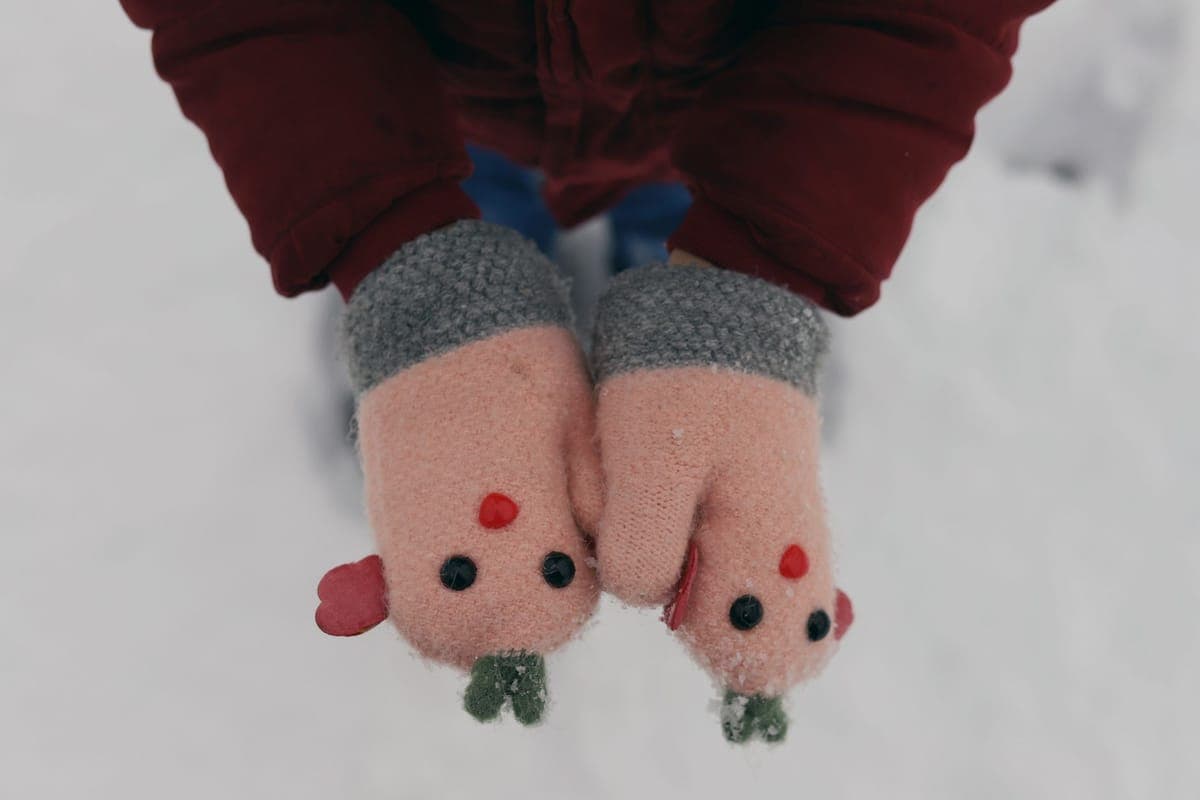
The recommendation that outranks the product
Almost every page about children’s ski gloves ranks features. The single most useful thing anyone can tell you is quantity: buy two pairs.
A child puts both hands in the snow within ten minutes of arriving and keeps them there. By lunch the first pair is wet through, and there is no drying gloves on a mountain - a radiator in a lodge is both unavailable and, as the glove care page explains, the thing that ruins them. A dry second pair in an adult’s jacket pocket is what buys the afternoon.
Two mid-priced pairs beat one expensive pair, every time, for this age group. That is the whole strategy and it changes what you should be shopping for: adequate specs at a price that permits doubling up.
Mittens, until they complain
For a child under roughly seven, mittens are the better product and it is not close. Fingers in one compartment share heat instead of each losing it separately, so a mitten is meaningfully warmer at identical insulation. And a small child can get a mitten on without help, which matters more in a cold parking lot than any published figure.
The switch to gloves usually comes from the child rather than the conditions - around the age they want to carry poles and pick things up. That is a fine reason to switch; the full comparison is here, and it applies to adults for the same physical reasons.
What the makers actually publish
| OutdoorMaster Kids | N'Ice Caps Kids | OutdoorMaster Mittens (adult) | |
|---|---|---|---|
| Insulation | 3M Thinsulate, named | 3M Thinsulate with waterproof lining, named | Insulated with waterproof insert |
| Waterproof rating | Not published | Not published | Not published |
| Cuff | Not published | Long knitted cuff published | Gauntlet, adult |
| Sizes | Three published youth sizes | Toddler through youth, five sizes | S through XL, adult |
| Warranty | 2 years, published | None published | 2 years, published |
| Format | Gloves | Gloves | Mittens |
Two things stand out. Nobody in children’s hand gear publishes a waterproof rating in millimeters, so the honest comparison is on named insulation and construction rather than on a number - the same problem the adult glove roundup runs into. And a published two-year warranty on a children’s item is genuinely unusual; most of this category publishes no term at all.
The picks
OutdoorMaster Kids 3M Thinsulate
The default. Named Thinsulate insulation rather than unspecified fill, a waterproof insert, three published youth sizes, and a published two-year warranty that almost nothing else in children’s gear offers. For a product a child will lose, soak and outgrow, a maker willing to stand behind it for two years is saying something.
The honest cons: gloves are colder than mittens for a small child at the same insulation, and three sizes across the youth range means the bands are coarse.
N’Ice Caps Kids Thinsulate
The one with the cuff. A long knitted cuff is the detail that actually stops snow going up a sleeve, and it is the failure mode nobody anticipates until a child is crying about a wet wrist. Five sizes from toddler through youth is the widest run here, which matters if you are buying for a three-year-old.
No published warranty term and no published MSRP, so the cost-per-day arithmetic this site normally runs cannot be computed for it. That is a real gap in the specification rather than a criticism of the glove.
Fitting a child’s hand without the child present
Wrap a soft tape around the widest part of the hand across the knuckles, thumb tucked out of the way, and read the circumference. Nearly every brand publishes against that one figure. Then check for roughly a quarter inch of room beyond the fingertips - no more.
The full sizing page has the method and the cuff question, which is the one compatibility decision: a gauntlet goes over the jacket sleeve, a short cuff tucks inside it, and a short cuff with a sleeve too short to cover it leaves a gap at the wrist that fills with snow.
The rest of the cold-hands problem
If a child’s hands are cold in gloves that fit, the glove is rarely the cause. Work through these first:
- The gloves are too big. The most common cause, and the reason this page keeps saying it.
- They are damp from earlier. Hence the second pair.
- The child is generally cold. Cold hands are often a core problem; the kids layering page has the checks that beat asking them.
- They have not eaten or drunk anything. Blood carries heat, and cold air suppresses thirst. Water freezes; plan for it.
- It is genuinely too cold. The temperature bands shift up by about ten degrees for a child.
Only after all five is a disposable warmer or heated gear the answer, and the heated gear page is honest about which.
Who should buy which
- A child under seven. Mittens, in the child’s actual size, two pairs.
- A child who wants fingers. The OutdoorMaster kids glove, for the named insulation and the published warranty.
- A toddler, or a very small hand. The N’Ice Caps, for the five-size run and the long knitted cuff.
- A teenager. Adult sizes usually fit by then; the teen gear page covers where the runs overlap.
- A child who will only ski once. Borrow, or buy used - gloves are one of the better hand-me-down items, and the hand-me-down page lists what to check.
Every pick, with the working
Each entry shows the published inputs, the axis scores they produce, and what you give up. The order is the computed order, not a commercial one, and the arithmetic is open underneath each score.
1 · A child old enough to want fingers rather than mittens
OutdoorMaster Kids 3M Thinsulate Waterproof Ski Gloves
Named insulation and a published two-year warranty on a children's glove, which almost nothing in this category offers. Buy two pairs anyway: a child's gloves are wet by lunch and there is no drying them on a mountain.
- Published price
- $29.99
- Cost per day on snow
- $6.00 a day
- Amortized over
- 1 season (5 days)
- Certified to
- Not published
- Waterproof rating
- Not published
- Published sizes
- Three published youth sizes
- Warranty
- OutdoorMaster 2-year warranty
What it gets right
- Two-year published warranty on a children's item
- 3M Thinsulate insulation named on the specification
- $29.99 published
What you give up
- Gloves are colder than mittens for a small child at the same insulation
- No published waterproof rating
The working behind the 4.7
- Cost per day on snow: 6.7
- $29.99 over 1 season at 5 days each = 5 days = $6.00 a day
- Published protection: not scored
- No waterproof rating or seam construction published.
- Size availability: 3.4
- 3 published sizes (3.4 of 8.5); no continuous adjuster published (+0); range: Three published youth sizes
- Warranty and support: 2.5
- 2 yr (2.5 of 6); no published crash replacement (+0); no published repair route (+0)
Axes with unpublished inputs are dropped and the remaining weights re-normalized, so a product is not punished for a manufacturer’s silence. Specifications compiled September 3, 2026 from OutdoorMaster published specifications.
2 · A child who will put both hands in the snow within ten minutes
N'Ice Caps Kids Thinsulate Waterproof Gloves
Named Thinsulate insulation and a long knitted cuff, which is the detail that keeps snow out of a child's sleeve. Buy two pairs: a child's gloves get wet by lunch and there is no drying them on a mountain.
- Published price
- Not published
- Cost per day on snow
- Not published
- Amortized over
- 1 season (5 days)
- Certified to
- Not published
- Waterproof rating
- Not published
- Published sizes
- Toddler through youth
- Warranty
- No term published
N'Ice Caps publishes no MSRP of its own; retail prices vary by size and colorway, so the cost-per-day axis is not scored.
What it gets right
- 3M Thinsulate insulation named on the specification rather than unspecified fill
- Long knitted cuff, which is what actually stops snow going up a sleeve
- Sold across toddler and youth sizes
What you give up
- No published waterproof rating and no published MSRP
- A second pair is effectively part of the purchase
The working behind the 3.4
- Cost per day on snow: not scored
- No manufacturer-published price, so this axis is not scored.
- Published protection: not scored
- No waterproof rating or seam construction published.
- Size availability: 6.8
- 5 published sizes (6.8 of 8.5); no continuous adjuster published (+0); range: Toddler through youth
- Warranty and support: 0.0
- no published term (0 of 6); no published crash replacement (+0); no published repair route (+0)
Axes with unpublished inputs are dropped and the remaining weights re-normalized, so a product is not punished for a manufacturer’s silence. Specifications compiled September 3, 2026 from N'Ice Caps published product specification.
3 · Anyone whose hands get cold, which the gloves will not fix
OutdoorMaster Ski Mittens
Skip this one. An adult mitten, included because the smallest published adult size fits a large teenager and because it demonstrates what a published two-year warranty looks like on a hand product. For an actual child it is the wrong size, and a loose mitten is a cold mitten. Buy it for the fourteen-year-old, not the seven-year-old.
The mitten version of the same thing, five dollars cheaper, and warmer for the same insulation because your fingers share heat instead of each losing it separately. If your hands get cold, this is the answer before more insulation is.
- Published price
- $34.99
- Cost per day on snow
- $2.33 a day
- Amortized over
- 3 seasons (15 days)
- Certified to
- Not published
- Waterproof rating
- Not published
- Published sizes
- S through XL
- Warranty
- OutdoorMaster 2-year warranty
What it gets right
- Warmer than a glove of the same insulation, because fingers share heat
- Two-year published warranty
- $34.99, the cheapest adult hand option here
What you give up
- You cannot work a zipper, a lift ticket or a phone in a mitten
- No published waterproof rating
The working behind the 6.4
- Cost per day on snow: 9.4
- $34.99 over 3 seasons at 5 days each = 15 days = $2.33 a day
- Published protection: not scored
- No waterproof rating or seam construction published.
- Size availability: 5.1
- 4 published sizes (5.1 of 8.5); no continuous adjuster published (+0); range: S through XL
- Warranty and support: 2.5
- 2 yr (2.5 of 6); no published crash replacement (+0); no published repair route (+0)
Axes with unpublished inputs are dropped and the remaining weights re-normalized, so a product is not punished for a manufacturer’s silence. Specifications compiled September 3, 2026 from OutdoorMaster published specifications.
Prices last verified October 19, 2026. Prices move constantly; the figure on Amazon at the moment you click is the real one.
Questions people actually ask
Should kids wear ski gloves or mittens?
Mittens under about seven. Fingers share heat in one compartment, so a mitten is warmer than a glove of identical insulation, and a small child can get one on without help. Switch to gloves when the child wants to carry poles and pick things up.
What size ski gloves should I buy for my child?
Measure the circumference of the hand across the knuckles with the thumb tucked away, and use the maker chart. Leave about a quarter inch beyond the fingertips. Do not size up for growth: loose gloves are colder on small hands and stop a child gripping anything.
How many pairs of ski gloves does a child need?
Two. A child’s gloves are soaked by lunchtime and cannot be dried on a mountain, so a dry spare in an adult’s pocket is the single most useful thing carried on a family ski day. Two mid-priced pairs beat one expensive pair at this age.
What should I look for in kids' ski gloves?
Named insulation such as 3M Thinsulate rather than unspecified fill, a long cuff that stops snow going up the sleeve, and a published warranty term if one exists - most of this category publishes none. Nobody publishes a waterproof rating in millimeters for children’s gloves.
Why are my child's hands cold in good gloves?
Usually the gloves are too big, or already damp from the morning. After that: the child is generally cold rather than specifically cold-handed, has not eaten or drunk anything, or it is simply too cold for their age. Heated gear is the last answer, not the first.