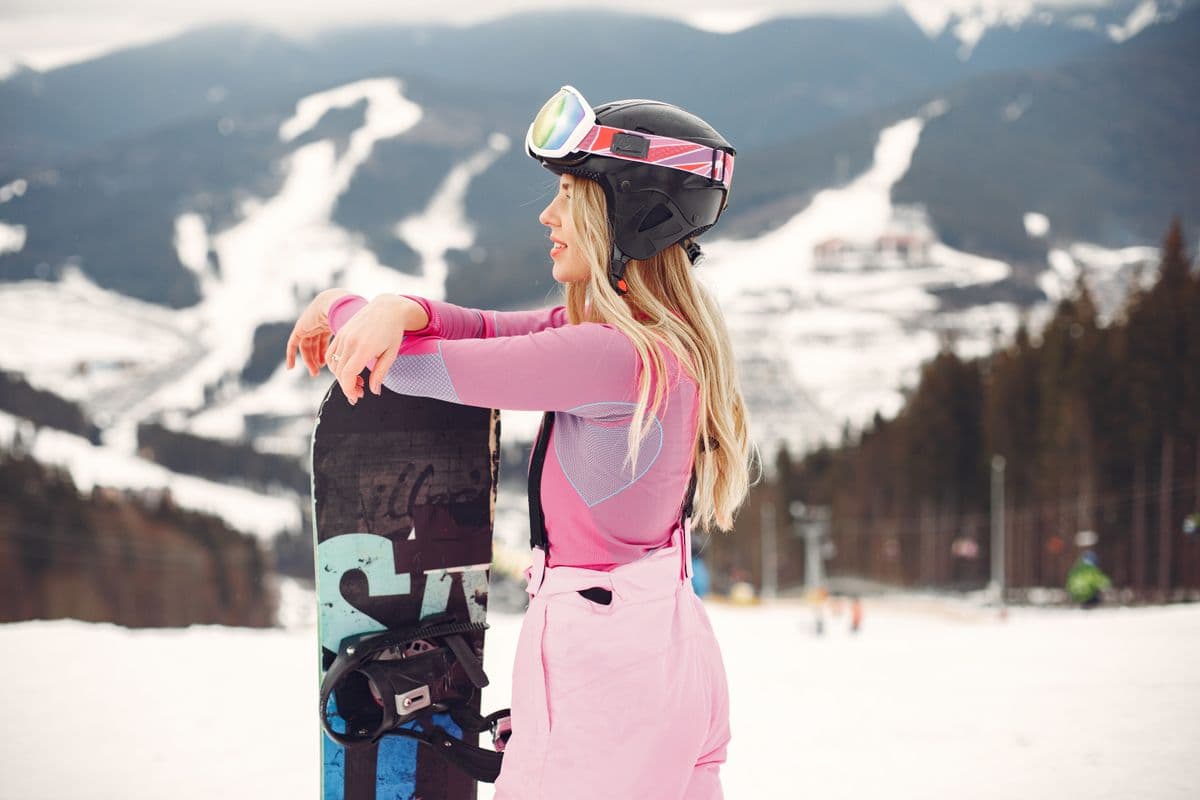
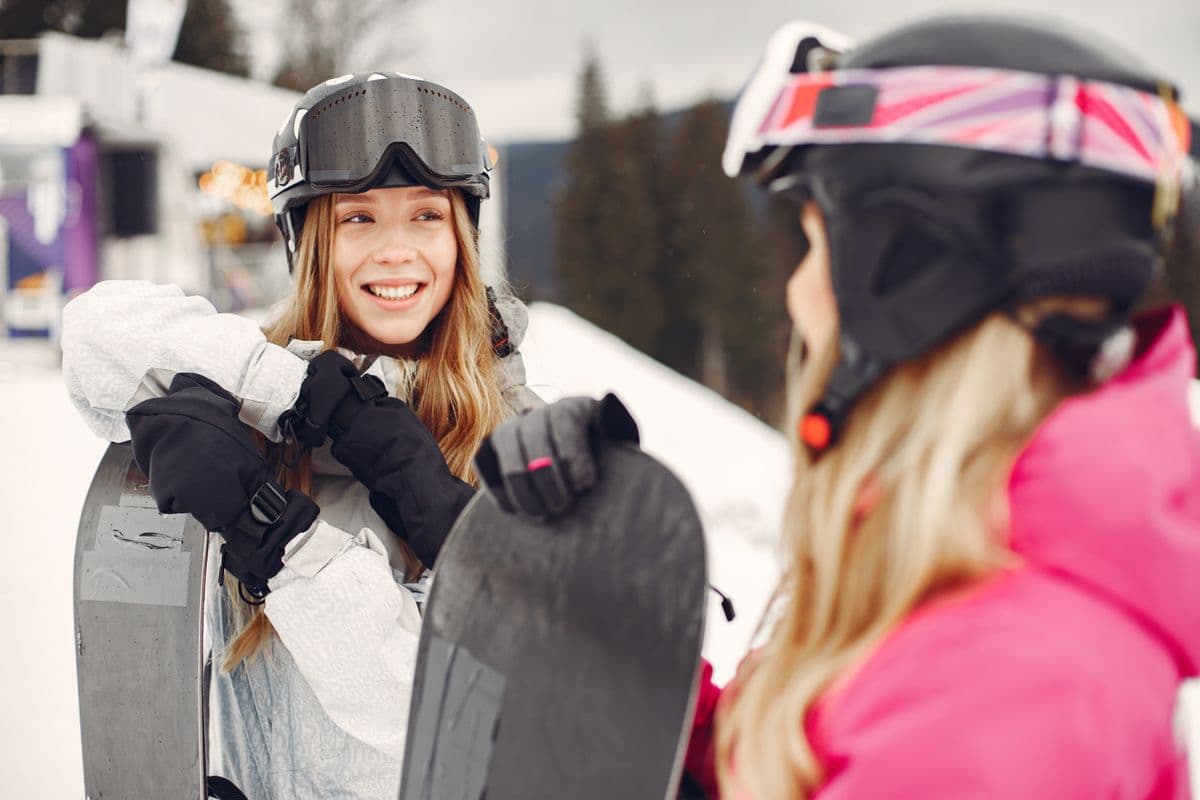
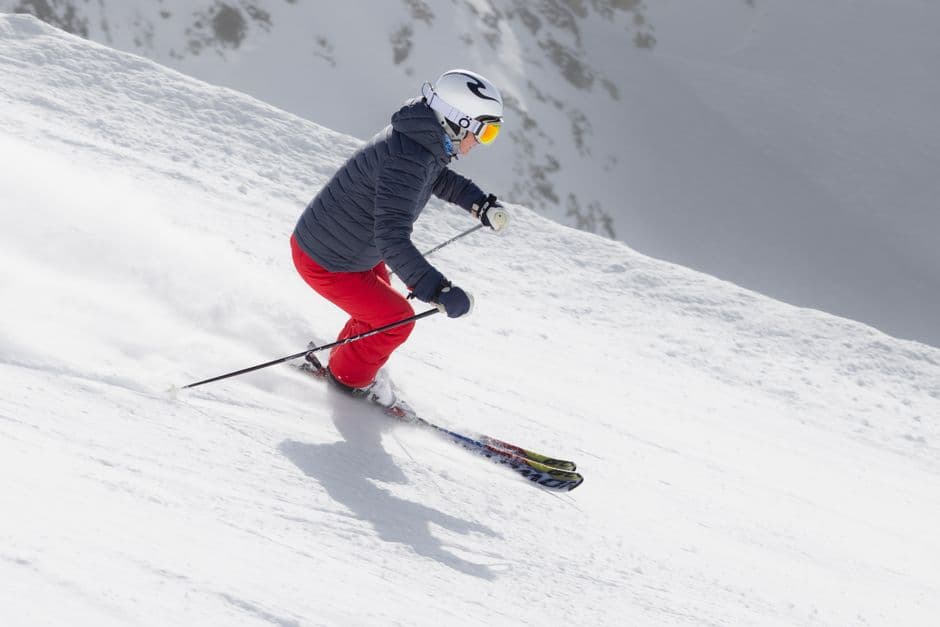
Ski and snowboard helmets, chosen on what the maker publishes
Which certification a helmet actually carries, what a rotational-impact liner is for, how to measure a head, and what each helmet costs per day on snow.
Nothing here has been tested by us. How we pick · Who writes this · How we earn
There are two standards, and both are printed inside
A snow helmet sold in the US should carry a sticker inside the shell naming the standard it was certified against. There are two you will see:
- ASTM F2040 is the American standard for recreational snow sports. It specifies impact attenuation, the area of the head that must be covered, and retention-system strength.
- CE EN 1077 is the European equivalent. It comes in Class A and Class B. Class B covers slightly less of the head, particularly at the ears, in exchange for better hearing and ventilation, and it is what the large majority of recreational ski helmets are certified to.
Most helmets worth buying carry both. A helmet carrying neither is not a ski helmet regardless of what the listing photograph shows, which is the single most useful thing to know before buying one online. The full guide to what each standard tests goes through what those tests actually involve.
What the extra thirty dollars buys
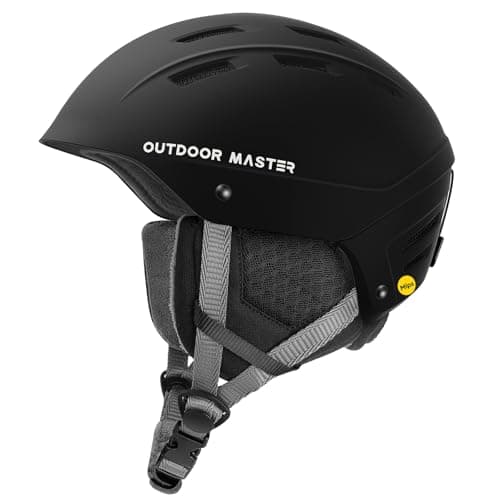
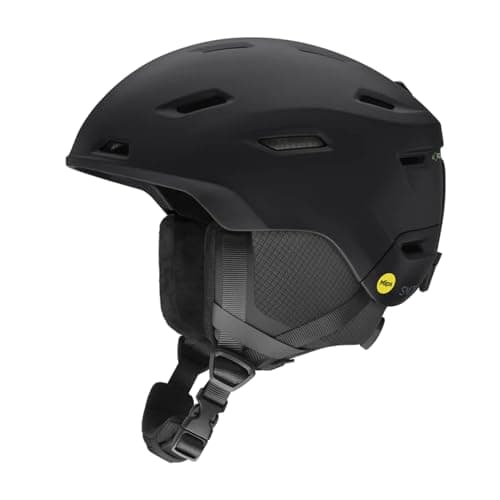
The clearest price break in this category is between helmets with a rotational-impact system and helmets without one. MIPS, the most common of these, is a thin low-friction layer inside the helmet that lets the shell rotate a few millimeters against your head during an angled impact. Real crashes are almost never a clean straight-on hit; a skier who catches an edge arrives at the snow at an angle, and that angle produces a twisting force.
On this site the cheapest helmet with a rotational liner is about $70 and the cheapest certified helmet without one is about $40. Over five seasons at five days a year, that difference is about twelve cents a day. We think that is the easiest call in this entire category, and the explainer walks through the evidence.
Fit is the part that is actually hard
A helmet that is too big does not protect you, and buying a size up for a child to grow into does not work with helmets the way it works with a coat. The check takes ten seconds: put it on without the strap done up and shake your head. If it slides, it is too big.
Measuring first saves a return. Run a soft tape around the head about a centimeter above the eyebrows and around the widest part at the back, and compare that number against the maker’s own chart, not a generic one. Our fit guide has the full check, and the children’s helmet size chart maps head circumference to size for the brands most families buy.
Why a dial matters more than it sounds
Most helmets in this section publish a dial adjuster at the back, and one of them publishes how much range that dial covers: 6 cm inside a single size. For an adult that is a convenience. For a growing child it is roughly two years of head growth, which is the difference between buying one helmet and buying two.
When a helmet stops being a helmet
Two rules, both worth more than any feature comparison. Replace a helmet after any impact hard enough that you noticed it, even if the shell looks fine, because the foam liner works by crushing and a crushed liner does not crush twice. And do not buy a used helmet, for the same reason: you cannot see whether it has already done its job once.
What we rank these on
Four axes, all arithmetic over published figures: cost per day on snow, the protective standards and systems the maker publishes, how many sizes exist, and the published warranty. No axis rewards a helmet for looking good, and none of them requires having worn it. The full method is here, including the breakpoints, so you can disagree with a weighting and re-run it.
Before you buy any of these, it is worth reading whether you should buy at all. For helmets the answer is usually yes, and we say so for reasons that have nothing to do with the commission.
When the size chart does not fit the head
Every page above assumes a head somewhere near the middle of the range. Plenty are not, and a helmet that is loose because the smallest size is still too big does not protect properly - the liner has to be in contact to do its job. The small-head roundup ranks on published circumference bands rather than on nominal S/M/L labels, which is the only way to compare across brands at the bottom of the range.
Two questions the roundups do not answer
The first is whether a women’s helmet is a different product. The women’s helmet page answers it plainly: mostly it is the same shell in a smaller size run, and the published circumference band matters far more than the label. The second is whether snowboarders need something different - the snowboard helmet page explains why there is no separate standard, and why the flat backward fall still changes what you should prioritize.
What a hundred dollars buys
ASTM F2040 is a pass-or-fail test rather than a score, which means a seventy-dollar helmet that publishes it has met exactly the same requirement as a two-hundred-fifty dollar one. What the extra money reliably buys is less weight, better ventilation and a longer warranty - not more protection.
The under-$100 roundup compares certified helmets at the bottom of the range, which is the page that matters most to a family buying three or four at once.
Fitting a helmet around glasses and hair
Two fit problems come up constantly and neither is covered by a size chart. Helmets for glasses wearers deals with the temple pressure that comes from stacking a helmet liner, a pair of glasses arms and a goggle strap in the same half inch above your ears, and ranks the four ways to handle the eyewear itself. Helmets with long hair or a ponytail covers where the tail actually has to sit, why bunching it inside the shell tips the helmet forward over your eyes, and why the measurement has to be taken with the hair worn the way you will ski in it.
Two questions the size run creates
Women’s versus unisex helmets starts from the part that never differs - the certification - and then covers what genuinely does: the size run, the ponytail opening and the published weight.
Ski helmets for teenagers handles the age where a head has outgrown youth shells but not reached the middle of the adult range, and the two temptations - buying big for next year, and accepting a hand-me-down - that both go wrong.