Guide
How much does ski gear cost? The published prices, item by item
Published purchase prices for a full kit, plus a break-even table you run against your own resort's rate.
A break-even day count for every category of ski gear, computed from published prices and typical rental rates, with every input on the page so you can change it.
Nothing here has been tested by us. How we pick · Who writes this · How we earn
In this section
Sizing charts and cost arithmetic are free to read and always will be. The ranked picks carry affiliate links.
Guide
Published purchase prices for a full kit, plus a break-even table you run against your own resort's rate.
Guide
Why boots are the strongest rental case on the site, how seasonal leases work, and the point at which buying starts to make sense.
Guide
The clothing-only arithmetic for adults and children, including the second-child multiplier nobody publishes.
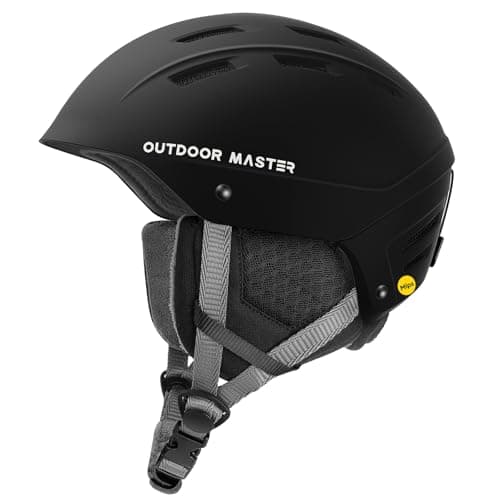
Best budget kit
Three kits at three price ceilings, built from published prices, with the constraint enforced rather than fudged.
Top pick: OutdoorMaster Kelvin 2 Mips
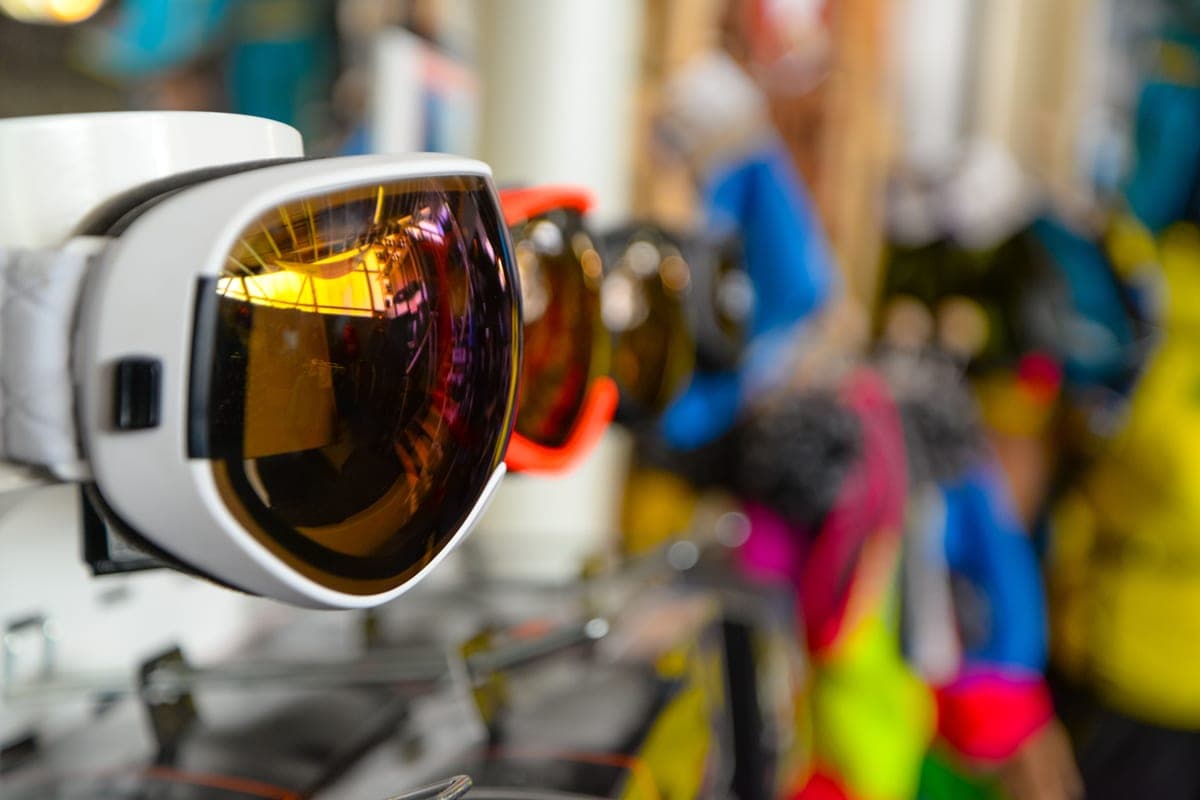
Guide
The annual price cycle, which items are worth waiting for, and the buying order that matters more than the timing.
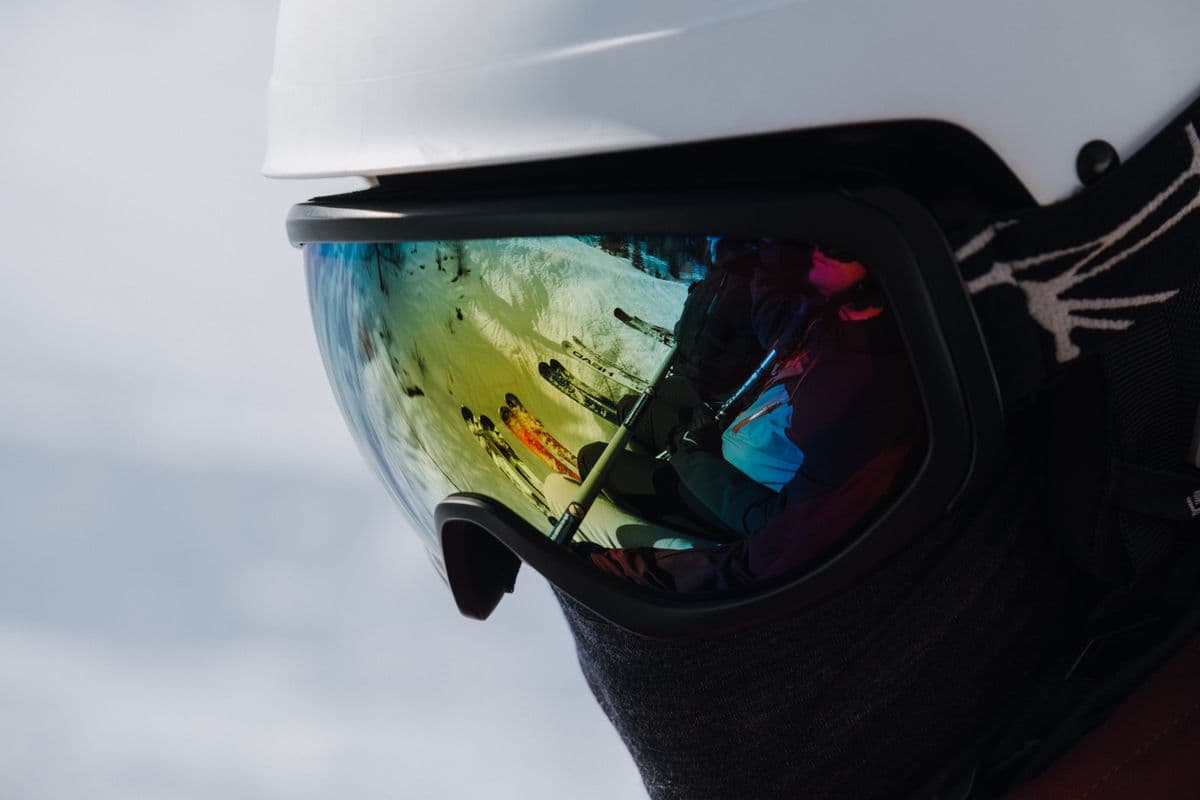
Guide
Break-even in days for helmets and goggles, why rental fit is the real argument, and how it changes for a growing child.
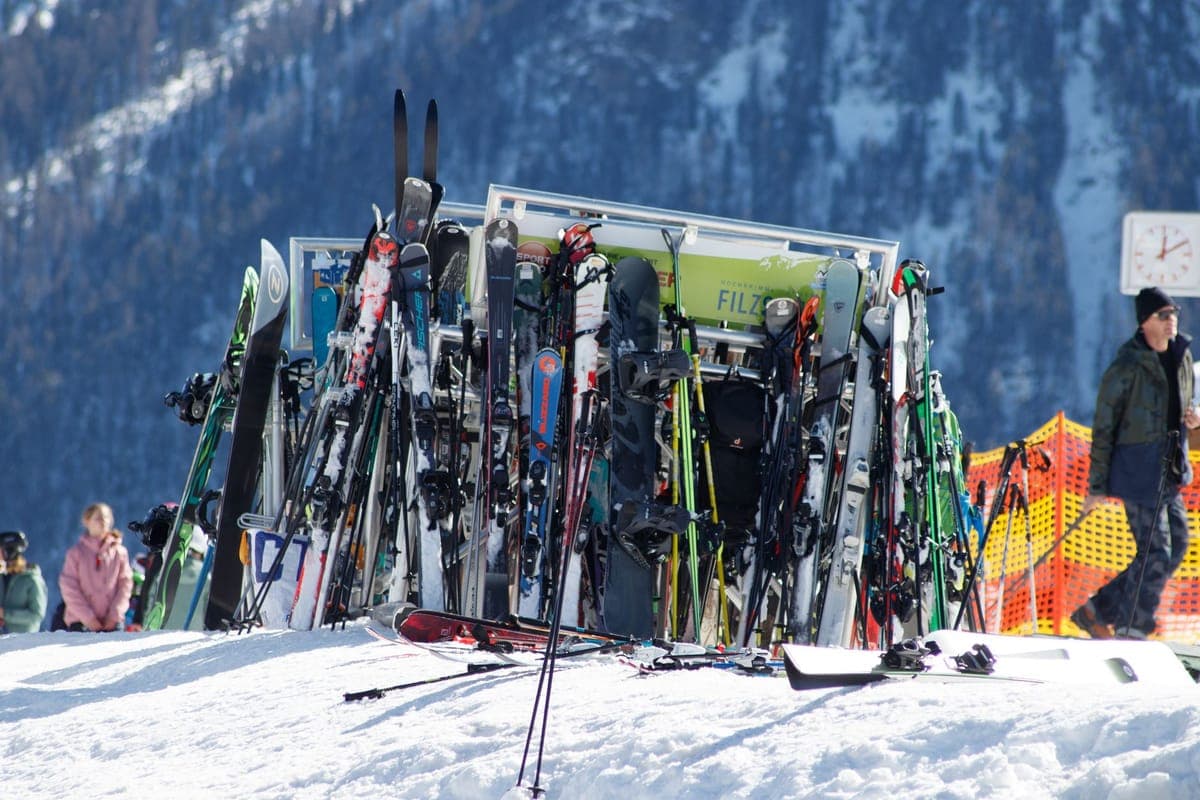
Guide
An item-by-item verdict on buying ski gear secondhand, including the binding rule that stops shops adjusting older skis at all.
Guide
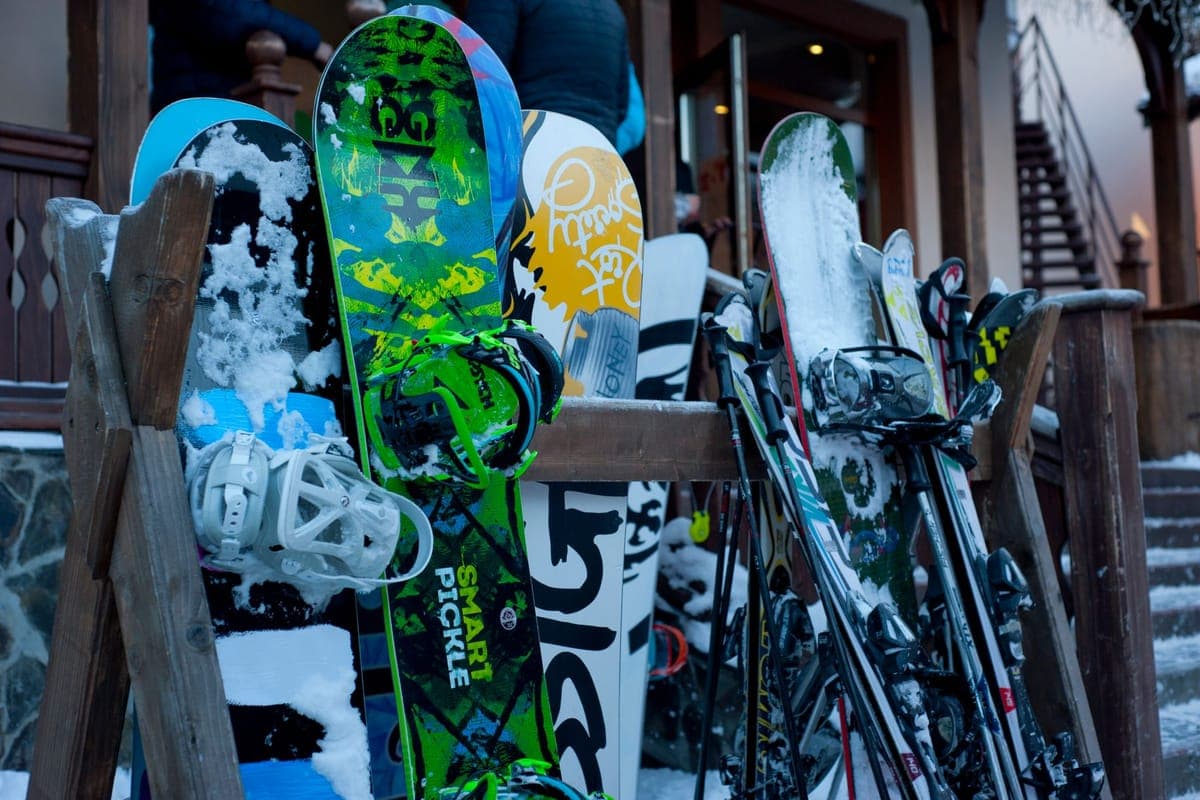
How seasonal ski leases work, the break-even against daily rental, and the mid-season size swap that makes them worth it for children.
Guide
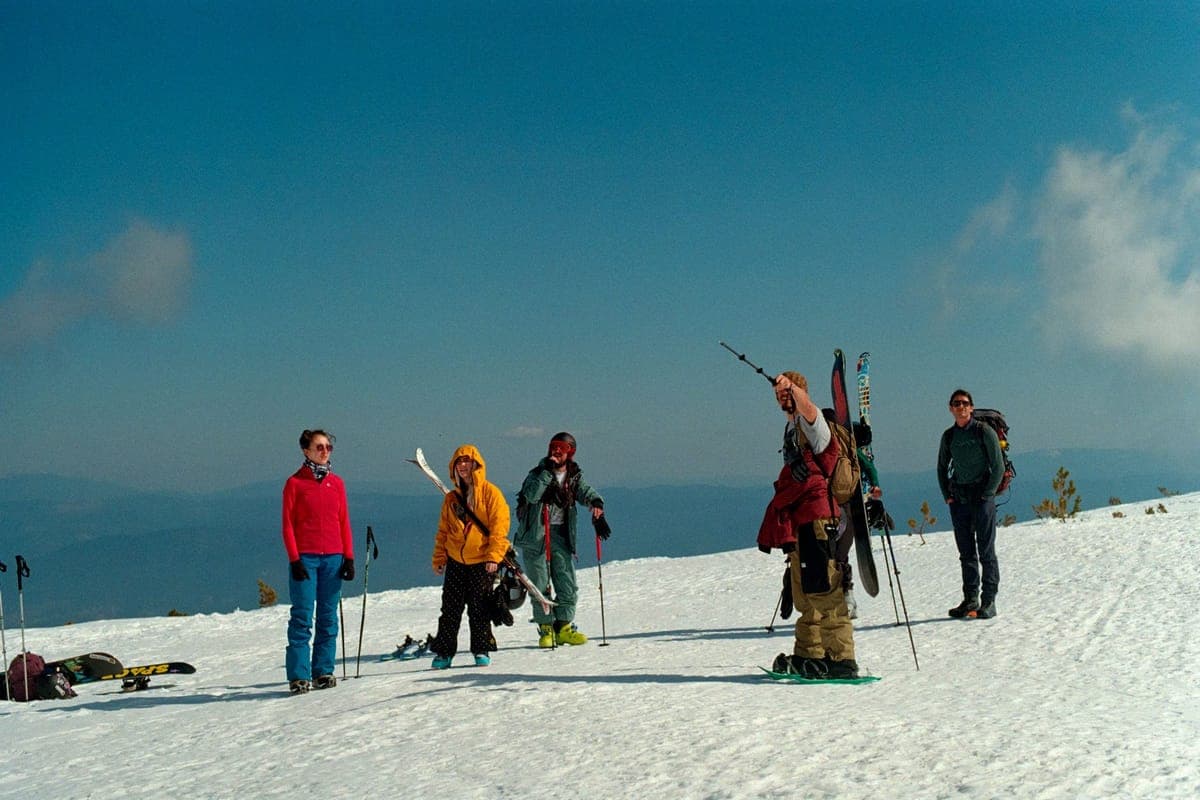
A three-season buying order, why the sequence is roughly the inverse of price, and where each item stops being worth renting.
Guide
How demo programs work, what to test in a short window, and the honest answer about whether a beginner benefits.
Guide
What rental waivers cover and exclude, when to take one, and where owned equipment is covered against damage, theft and loss.
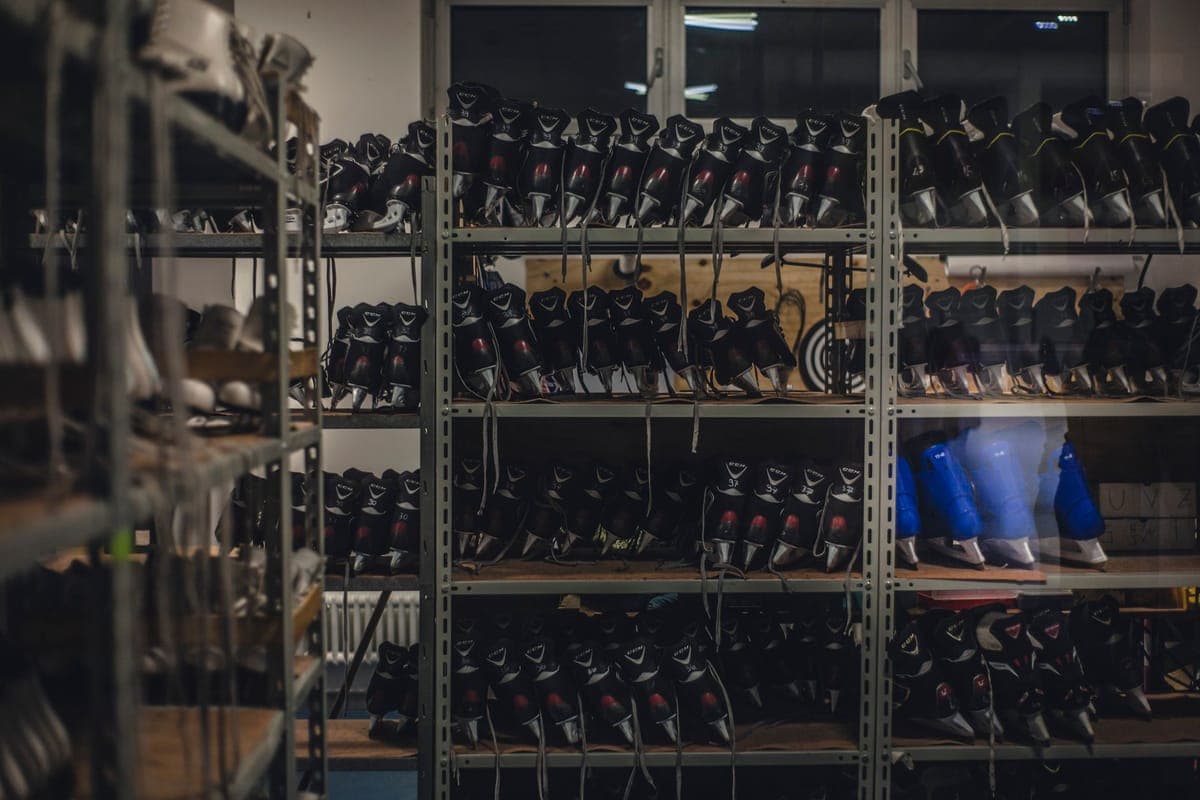
Head to head
Amazon, specialist retailers, the co-op, brand-direct, local shops and warehouse clubs, compared on published return policies and what each is genuinely best at.
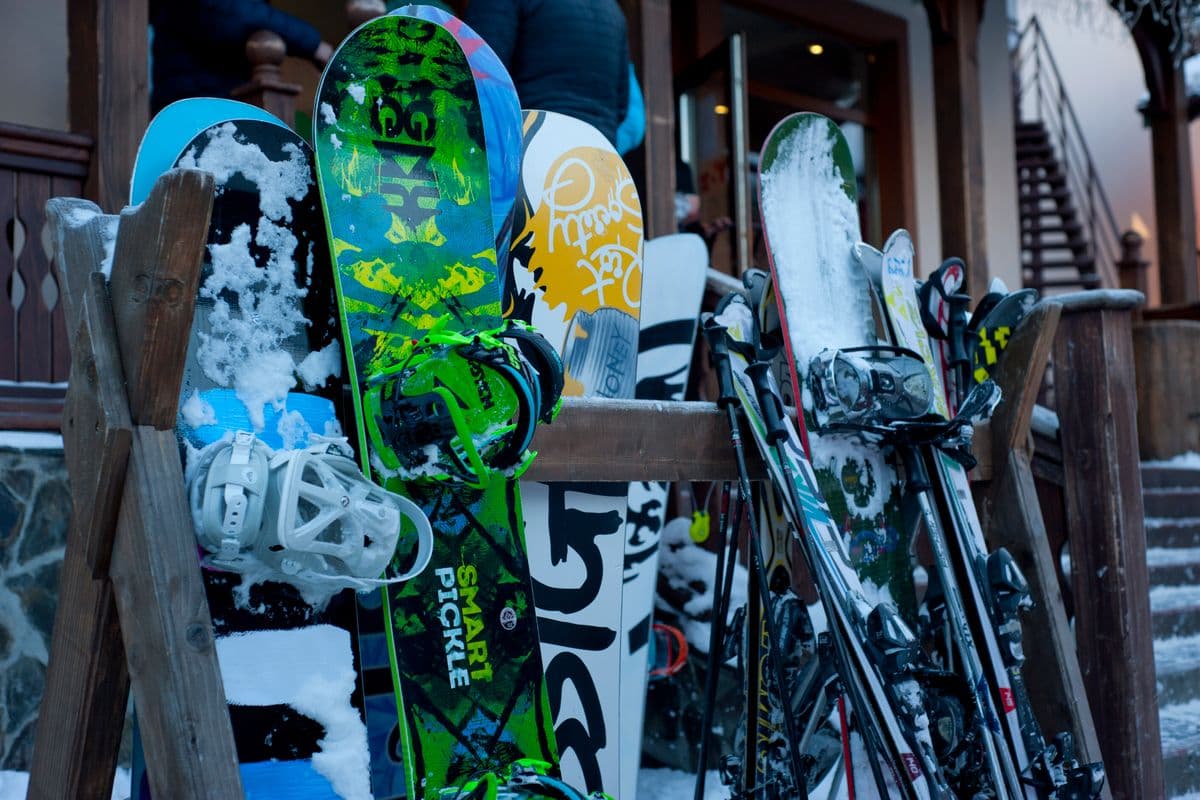
Guide
Break-even arithmetic on a snowboard setup against rental, worked from published prices, and why boots break even first.
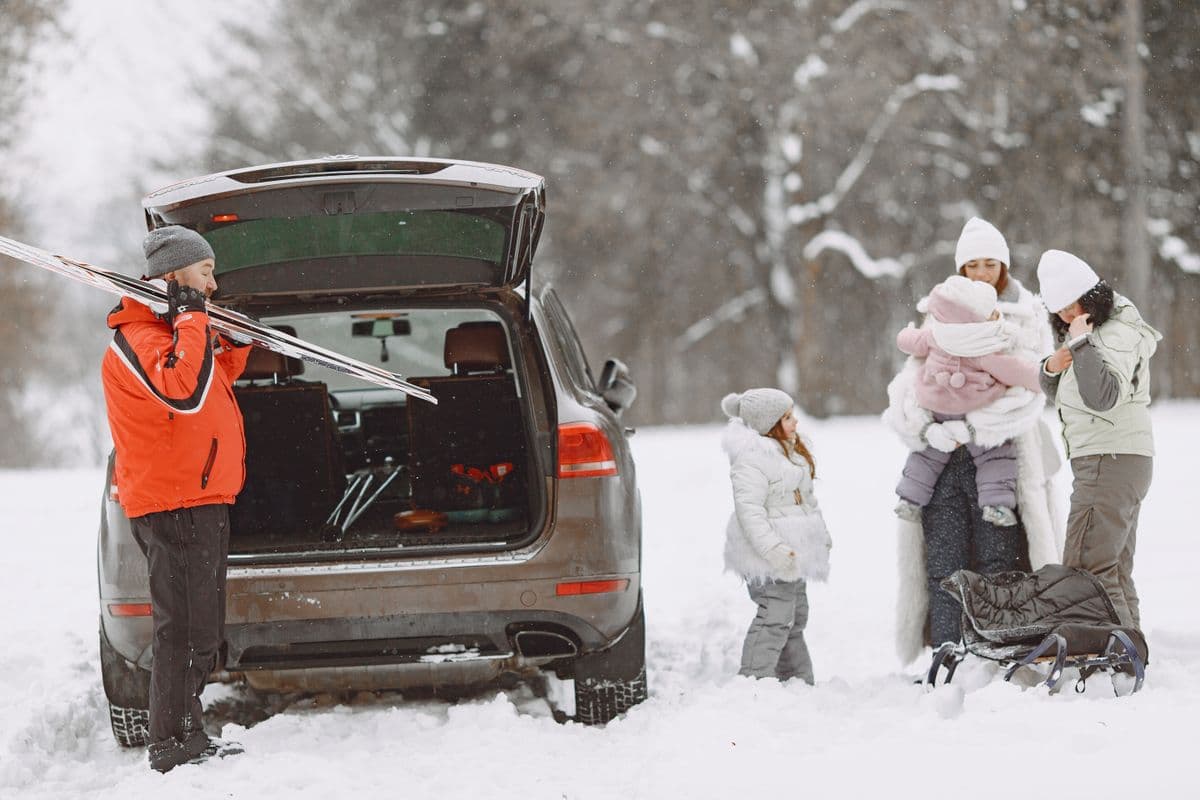
Guide
What ski gear costs for two adults and two children, from published prices, split by buy now, buy later and rent.

Guide
An item-by-item guide to what is safe to order online, how to size without trying on, and the compatibility traps.
Guide
The second-season upgrade order, what to keep from year one, and the three upgrades that are not worth it yet.
Guide
Which ski gear holds resale value and which does not, where to sell each item, and the one thing never to sell.
Prices last verified October 19, 2026. Prices move constantly; the figure on Amazon at the moment you click is the real one.
For a family that skis about five days a year, the arithmetic says: rent the skis, boots and poles; buy the helmet, goggles, socks, base layers and gloves; and treat jackets and pants as a judgment call that turns on whether a younger sibling will inherit them.
That recommendation costs us money. The items we tell you to rent are the expensive ones, and there is no commission in a rental. We publish it anyway, because a site that recommends buying everything is not worth reading, and because it is what the numbers say.
The calculation is one line. Divide the purchase price by the daily rental rate, and you get the number of days after which owning is cheaper than renting:
Break-even days = purchase price / rental price per day
Then compare that to how many days you will actually ski before the item stops being usable. For an adult, that is a durability question. For a child, it is a growth question and the horizon is far shorter, which is why the same item can be a clear buy for a parent and a clear rent for their eight-year-old. The cost page lists every price input we use, date-stamped, so you can substitute your local rates.
There is a third answer between renting a week at a time and buying: the seasonal lease. Many shops and resorts rent a child a full setup for the whole season at a fixed price, and the good ones swap sizes mid-season for free when a foot grows. For a child who will ski more than about five days but is still growing, it usually beats both alternatives, and almost nobody writing about this category mentions it. The boots page covers how those programs typically work.
Used gear is a fourth answer, with one absolute exception: never buy a used helmet. A helmet protects by crushing, and you cannot see whether it has already done that once.
Timing moves prices in this category more than in most. Broadly, the deepest discounts on last season’s models land in early spring as shops clear inventory, and selection is best but discounts are thinnest in the fall. The timing page covers what to buy when, and which items are worth waiting for.
Where you buy matters as much as when, and for a reason that has nothing to do with price: return windows in this category run from about a month to over a year, and boots and bindings need a person rather than a chart. The where-to-buy page compares the six channels on published return policies, used-gear programs and whether anyone there can fit you.
If you have a set amount to spend, spend it in this order: socks, base layers, gloves, goggles, helmet, pants, jacket. That order is not about which item is most expensive, it is about which item ruins a day fastest when it is wrong. The budget setups page builds actual kits against real published prices and enforces the constraint honestly rather than quietly going over it.
Two later questions, both with a cheaper answer than people expect. Intermediate skis starts with an honest test for whether you have actually outgrown a beginner ski - and with the two upgrades that change more for less money. Packages against separates covers what a system binding commits you to, why it suits families specifically, and the one component that must never be bought as part of a bundle.
The pages above work item by item. Two newer ones work by situation, which is how the question usually arrives.
Both reach the same conclusion this section has reached since it was written: buy the things that protect you and keep you dry, rent the things that have to fit and will be outgrown.
Buying ski gear online goes item by item on what is safe to order without trying on, why boots are the exception, and the return window and seller details that decide what happens when something does not fit.
For a family skiing about five days a year, renting skis, boots and poles is clearly cheaper, and buying the helmet, goggles, socks, base layers and gloves is clearly cheaper. Divide a purchase price by the daily rental rate to get the break-even day count and compare it to the days you will really ski.
Buying skis, bindings, boots and poles new runs well into four figures for an adult; a package with bindings included starts around the mid hundreds. Renting the same package is a small fraction of that per day. Every input we use is listed on what ski gear costs.
Used skis, poles and clothing are often good value. Used boots are a gamble because the liner has already molded to someone else’s foot. Used helmets are the one absolute no: a helmet protects by crushing and you cannot see whether it already has.
Socks, then a base layer, then gloves, then goggles, then a helmet. That is ordered by how badly each one ruins the day when it is wrong, not by price.