Storing skis at home without ruining them
A garage is the default and it is the worst option for two of the four things you own. Boots especially do not belong where you have been putting them.
By Sawyer V. · Published
We have not tested this gear. Everything below is compiled from published specifications and published safety standards, and the arithmetic is public so you can check it. This page carries affiliate links: if you buy through one we earn a commission at no extra cost to you, and it does not change the order of the picks. Full disclosure.
The short answer
Store skis and boards vertically or on horizontal wall hooks, somewhere dry and temperature-stable - never leaning against a wall long-term, and never in a bag. Store boots buckled loosely with the liners in, indoors rather than in a garage that swings from freezing to hot. The two mistakes that cost money are storing anything damp and storing skis unwaxed over summer.
| # | Pick | Best for | Score | Price |
|---|---|---|---|---|
| 1 | Dakine Boot Locker 69L Boot Bag Carrying boots, helmet and layers as one checked or trunk item | Not publishedon snow | 0.0/10 | $68.99 - View on Amazon |
| 2 | Dakine Heli Pro 20L Backpack A resort day pack that also has to carry skis or a board on foot | Not publishedon snow | 0.0/10 | $129.56 - View on Amazon |
Prices last verified October 19, 2026. Prices move constantly; the figure on Amazon at the moment you click is the real one.
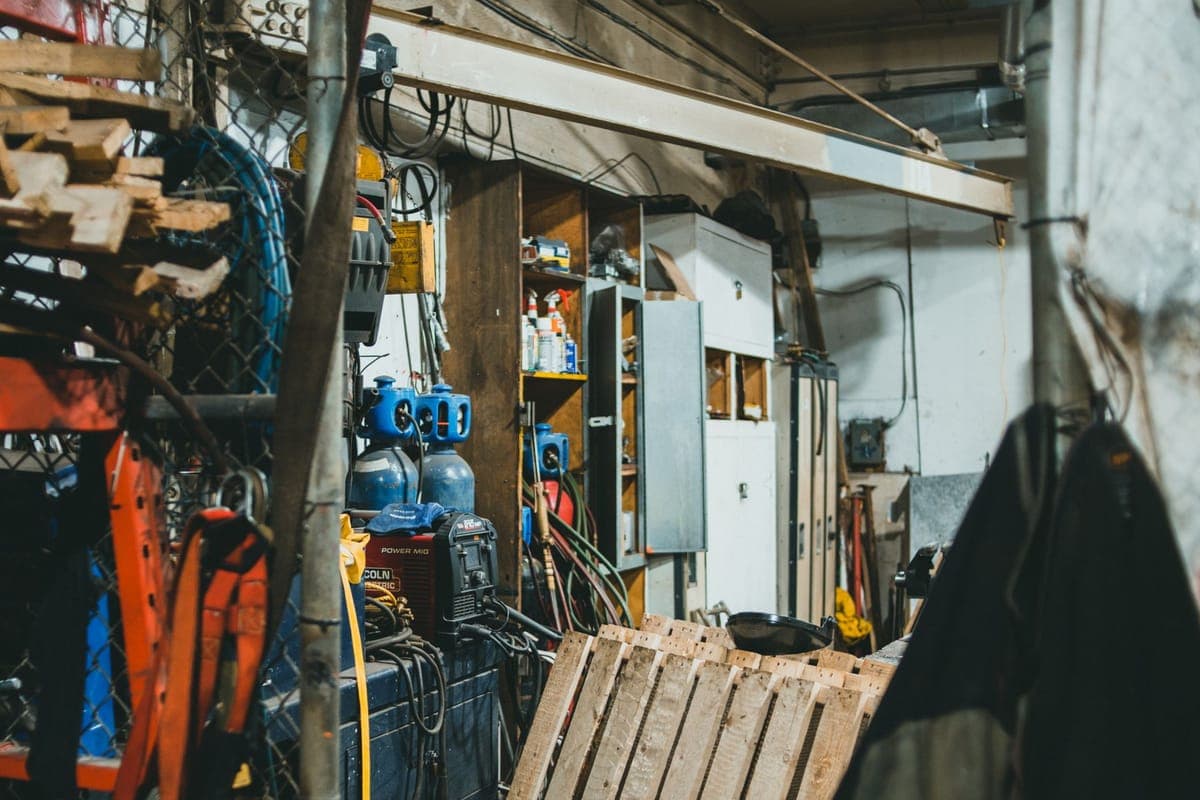
Where each item should actually live
| Item | Store | Avoid | Why |
|---|---|---|---|
| Skis and boards | Vertical or on wall hooks, dry, stable temperature | Leaning on a wall for months; inside a bag | Leaning warps over time; a bag traps moisture against edges |
| Boots | Indoors, buckled loosely, liners in, footbeds out | Unheated garage; buckled tight; in a bag | Foam hates temperature swings; tight buckles deform the shell |
| Outerwear | Hung, loosely, somewhere dry | Compressed in a vacuum bag or stuffed in a bin | Long compression damages insulation loft |
| Goggles | In a soft bag or case, indoors | Loose in a bin with hard objects | A scratched inner lens is permanent and unrepairable |
| Helmets | On a shelf, indoors, nothing stacked on top | Bottom of a bin under boots | The liner is the protective part and it can be crushed |
| Poles | Anywhere dry, upright | Nothing much to get wrong | Baskets are the only losable part |
The row people are most surprised by is boots. A garage that freezes in January and reaches high temperatures in July is genuinely hard on liner foam, and it is where almost everybody puts them. The liner care page covers what heat does to that foam, and it is the same argument as never drying boots on a radiator.
Rack types
Vertical wall racks
Skis stand on their tails in a slotted rail, boards sit upright. The most space-efficient option for a garage or mudroom, and it keeps everything off the floor where it gets knocked and where damp collects.
Two things to check: that the slots are wide enough for your ski including the bindings, and that the rack is fixed to studs rather than to drywall alone. A family set of skis is a meaningful weight.
Horizontal hooks and cradles
Padded arms that hold a ski or board flat against the wall. Uses more wall and less floor, keeps the bases untouched, and it is the least likely to scuff anything. It is also the option that looks deliberate rather than like storage, which is why it ends up in hallways.
Ceiling hoists and overhead racks
Good for a garage with height and for gear you are genuinely putting away for the season. Less good for anything you use often, because the friction of getting it down means it stops getting used.
Freestanding racks
No drilling, movable, and they take floor space. The right answer in a rental where you cannot fix anything to a wall.
The two mistakes that cost money
Storing anything damp
This is the big one, and it applies to every item on this page. Damp gloves grow mildew in the insulation. A damp boot liner comes out of storage smelling in a way washing does not entirely fix. Damp outerwear in a sealed bin does the same. And water sitting against a steel ski edge over a summer produces rust, which pits the steel and takes an edge with it.
The rule is one line: nothing goes away wet, ever. The drying method costs nothing and is the entire fix.
Storing skis unwaxed over summer
A ski base is porous plastic, and left dry for months it oxidizes - going chalky and white, especially along the edges. That is real damage rather than cosmetic, and the fix is a thick storage wax left unscraped until autumn, which seals the base and protects the edges at the same time.
The end-of-season page has the full routine and the waxing page has the method. It is twenty minutes in April that saves a base grind in October.
Between trips is different from over summer
Two storage problems, and people apply the summer answer to both.
- Between trips, mid-season. Dry everything, then store it where you can actually get at it. Skis on a rack, boots indoors with buckles loose, everything else in the bag it travels in - because you are going again in three weeks and a system you have to dismantle is a system you will abandon.
- Over summer. The full routine: wax the skis, pull boot liners out to dry then put them back in loosely buckled shells, wash and reproof outerwear, clean and dry every zip, and empty every bag completely.
A boot bag is the right tool for the first and the wrong tool for the second. The one in this ledger publishes a separate tarp-lined lower compartment, which is exactly what you want for transport between trips - and it is still a bag, so nothing lives in it over a summer. The bags page covers the choice.
Storing in an apartment
Most advice assumes a garage. If you do not have one:
- Skis go behind a door or along a wall on horizontal hooks. A pair of skis is narrower than a bookshelf and takes almost no depth.
- Boots go in a closet, not on a balcony. Temperature stability beats convenience for the one item that genuinely suffers.
- Outerwear hangs with the rest of your coats. It is a winter coat for eleven months of the year anyway.
- Goggles live in their soft bag, in a drawer. Not loose anywhere near anything hard. A scratched inner lens is permanent.
- Skip the vacuum bag. It is the obvious apartment answer for bulky outerwear and it crushes insulation loft over months.
The autumn check
Whatever you did in April, look at everything in October before the first trip rather than the night before it: edges for rust, bases for dryness, boot buckles and power straps, zips, and whether anybody has outgrown anything. The mid-season checklist works equally well as a pre-season one, and finding a problem in a garage is a lot cheaper than finding it in a rental queue.
Every pick, with the working
Each entry shows the published inputs, the axis scores they produce, and what you give up. The order is the computed order, not a commercial one, and the arithmetic is open underneath each score.
1 · Carrying boots, helmet and layers as one checked or trunk item
Dakine Boot Locker 69L Boot Bag
A published 69 L with a tarp-lined lower compartment for boots and a separate upper one for everything else. The separation is the product: wet boots and a dry fleece sharing one undivided bag is how a car smells for a week.
- Published price
- Not published
- Cost per day on snow
- Not published
- Amortized over
- 3 seasons (15 days)
- Certified to
- Not published
- Published sizes
- One size, 69 L, published at 51 x 38 x 36 cm
- Weight
- 1100 g
- Warranty
- No term published on the product page
Dakine publishes no single MSRP across colorways for this bag, so the cost-per-day axis is not scored.
What it gets right
- Published 69 L, or 4,200 cubic inches, at 51 x 38 x 36 cm, inside a normal airline checked allowance
- Tarp-lined lower boot compartment published as separate from the upper one
- 600D polyester published, a heavier fabric than most soft luggage
- 1.1 kg empty, so almost all of an airline weight allowance is left for gear
What you give up
- No published warranty term
- No single published price across colorways
- Big enough that it invites packing straight past an airline weight limit
The working behind the 0.0
- Cost per day on snow: not scored
- No manufacturer-published price, so this axis is not scored.
- Published protection: not scored
- This category carries no protective standard.
- Size availability: not scored
- Sold in one size, so size availability does not apply.
- Warranty and support: 0.0
- no published term (0 of 6); no published crash replacement (+0); no published repair route (+0)
Axes with unpublished inputs are dropped and the remaining weights re-normalized, so a product is not punished for a manufacturer’s silence. Specifications compiled September 7, 2026 from Dakine published specifications.
2 · A resort day pack that also has to carry skis or a board on foot
Dakine Heli Pro 20L Backpack
The only pack here that publishes its dimensions, its weight and both ski and snowboard carry systems, which is the whole specification that matters on a day pack. 20 L holds a layer, lunch and water without becoming a thing you take off on every lift.
- Published price
- Not published
- Cost per day on snow
- Not published
- Amortized over
- 3 seasons (15 days)
- Certified to
- Not published
- Published sizes
- One size, 20 L, published at 55 x 32 x 20 cm
- Weight
- 860 g
- Warranty
- No term published on the product page
Dakine publishes no single MSRP for this pack across colorways, so the cost-per-day axis is not scored.
What it gets right
- Published 20 L at 55 x 32 x 20 cm, so it can be checked against a locker or an overhead bin before buying
- Publishes diagonal and A-frame ski carry plus vertical and horizontal snowboard carry
- Large fleece-lined goggle pocket published, which is what stops an inner lens getting scratched
- 860 g published, light enough to forget you are wearing it
- 100% recycled polyester body and lining published
What you give up
- No published warranty term
- No single published price, so cost per day cannot be computed in advance
- 20 L is generous for a lift-served day and small for a full day away from a resort
The working behind the 0.0
- Cost per day on snow: not scored
- No manufacturer-published price, so this axis is not scored.
- Published protection: not scored
- This category carries no protective standard.
- Size availability: not scored
- Sold in one size, so size availability does not apply.
- Warranty and support: 0.0
- no published term (0 of 6); no published crash replacement (+0); no published repair route (+0)
Axes with unpublished inputs are dropped and the remaining weights re-normalized, so a product is not punished for a manufacturer’s silence. Specifications compiled September 7, 2026 from Dakine published specifications.
Prices last verified October 19, 2026. Prices move constantly; the figure on Amazon at the moment you click is the real one.
Questions people actually ask
How should I store skis at home?
Vertically in a slotted rack or flat on padded wall hooks, somewhere dry with a stable temperature, and never in a bag long-term. Do not leave them leaning against a wall for months, and never store them damp - water against a steel edge over a summer produces rust that pits the steel.
Where should I store ski boots?
Indoors, buckled loosely with the liners in and the footbeds out, not in an unheated garage. Liner foam suffers from the swing between freezing winters and hot summers, and buckling tight for months deforms the shell. A bag is for transport, not storage.
Do I need to wax skis before summer storage?
Yes, and it is the most important wax of the year. A ski base is porous plastic and left dry for months it oxidizes, going chalky and white along the edges. A thick storage wax left unscraped until autumn seals the base and protects the edges at the same time.
What kind of ski rack should I buy?
Vertical slotted racks are the most space-efficient for a garage; horizontal padded hooks use more wall and less floor and are gentlest on bases; ceiling hoists suit genuine off-season storage; freestanding racks suit rentals where you cannot drill. Check slot width against your bindings before buying.
Can I store ski gear in a vacuum bag?
Not outerwear. Long compression damages insulation loft, and loft is what does the insulating. Hang jackets and pants loosely somewhere dry instead. It is worth remembering that ski outerwear is a winter coat for most of the year anyway, so it rarely needs deep storage.