Water and food on the mountain: what freezes and what does not
Cold air is dry air, altitude makes it worse, and nobody feels thirsty at 20F. Dehydration is the most common reason a good ski day ends badly at two in the afternoon.
By Sawyer V. · Published
We have not tested this gear. Everything below is compiled from published specifications and published safety standards, and the arithmetic is public so you can check it. This page carries affiliate links: if you buy through one we earn a commission at no extra cost to you, and it does not change the order of the picks. Full disclosure.
The short answer
Carry water in an insulated bottle inside a pack, not in a hydration bladder and not in an outside mesh pocket. Bladder tubes freeze from the mouthpiece backward and are useless within an hour below freezing. Plan on one to two liters across a ski day and drink at every lift queue rather than when thirsty, because cold air suppresses thirst while it dries you out. Food should be something that survives being sat on and does not freeze solid.
| # | Pick | Best for | Score | Price |
|---|---|---|---|---|
| 1 | Dakine Heli Pro 20L Backpack A resort day pack that also has to carry skis or a board on foot | Not publishedon snow | 0.0/10 | $129.56 - View on Amazon |
Prices last verified October 22, 2026. Prices move constantly; the figure on Amazon at the moment you click is the real one.
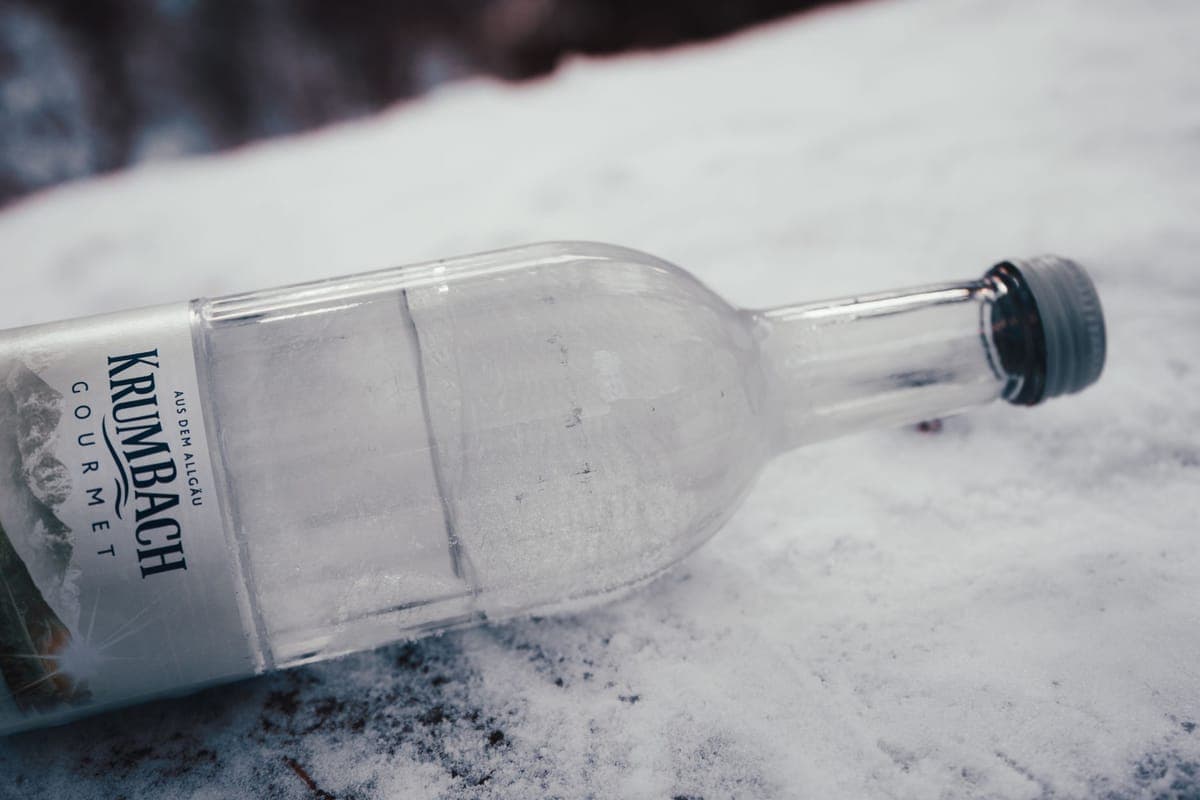
Why dehydration is the sneaky one
Three things stack up on a ski day and none of them feels like heat exhaustion. Cold air holds very little moisture, so every breath you take out is wetter than the air you took in, and you lose water simply by breathing. Altitude increases your breathing rate, which multiplies that loss. And cold suppresses the thirst signal, so the feedback loop that normally tells you to drink is switched off.
The result is a person who has lost a lot of water without noticing, and the symptoms look like something else entirely: a headache blamed on altitude, cold hands blamed on gloves, tiredness blamed on the pace, and a child who has become unreasonable at two in the afternoon. The altitude page covers the whole picture, and this page is the equipment half of it.
Why hydration bladders do not work in winter
A bladder is a reservoir in your pack with a tube running over your shoulder to a bite valve. In summer it is the best system there is. In winter it fails in a specific and predictable way: the water in the tube is a thin column with a large surface area exposed to freezing air, so it freezes long before the reservoir does, starting at the mouthpiece and working backward. Once the tube is blocked, the full reservoir on your back is inaccessible.
There are insulated tube covers and there is the habit of blowing water back into the reservoir after every drink, and both help. Neither is reliable enough on a genuinely cold day to be worth the complexity for a family, especially since the alternative is simpler and cheaper.
What to carry instead
| Option | Behavior below freezing | Verdict |
|---|---|---|
| Insulated bottle inside a pack | Stays liquid all day; the pack adds a second layer of insulation | The right answer for a resort day |
| Plain bottle inside a pack | Usually fine for a lift-served day, slushy on a very cold one | Works, and cheaper |
| Any bottle in an outside mesh pocket | Freezes at the neck, then entirely | Do not |
| Hydration bladder | Tube freezes from the mouthpiece backward within about an hour | Summer equipment |
| Nothing, and buy a drink at lunch | Fine on a short day, dehydrating on a full one | Common, and the reason for the two o'clock headache |
Two details make a bottle work. Fill it with warm water in the morning rather than cold, which buys hours before it approaches freezing. And store it upside down if it is not insulated, because water freezes from the top and an inverted bottle keeps the neck clear.
The pack in this ledger publishes an internal sleeve described as compatible with an insulated reservoir or a two-way radio handset, which is the shape of thing to look for: a place for the bottle inside the pack rather than strapped to the outside. The backpack page covers whether you need one at all.
How much, and when
One to two liters across a full ski day is a reasonable target for an adult, more at high altitude and more on a warm spring day when you are also sweating. The useful part is not the total, it is the schedule: drink at every lift queue rather than waiting to feel thirsty, because the thirst signal is unreliable in the cold.
For children, make it a rule rather than an offer. A child on a ski day will say no to water every single time and will then melt down at two. A mouthful at every lift, enforced, prevents most of the afternoon problems that families blame on tiredness. The skiing-with-kids page covers the rest of the timing.
What not to drink
Alcohol at lunch is the classic mistake, because it dehydrates you further and impairs judgment at exactly the point in the day when tired legs are already making the decisions worse. Caffeine is fine in normal amounts and is not the villain it is sometimes made out to be. And hot chocolate is not water, however much a seven-year-old argues the point.
Food that survives a jacket pocket
Skiing burns a lot of energy, cold burns more, and the gap between breakfast and a one o'clock lunch is longer than most people plan for. What you want is something that does not freeze into a brick, does not shatter, and can be eaten in gloves on a chairlift.
- Works: nuts, dried fruit, jerky, chewy cereal bars, soft cookies, sandwiches with dense fillings, sweets.
- Does not work: anything with a high water content, which freezes hard. That includes most fruit, most gel-type energy products, and gummy sweets, which become genuinely difficult to chew.
- Carry it in an inside pocket for the last hour before you eat it. Body heat softens a frozen bar in about twenty minutes.
- For children, sugar on the mountain and protein at lunch. A small sweet at a lift is a legitimate management tool and every ski instructor uses it.
The lunch decision
Mountain restaurant food is expensive enough that it is a genuine line in the cost of a ski day, and packing lunch is one of the few levers a family has. The middle path most people land on: pack the food, buy the hot drinks. It keeps the cost down, keeps the break short, and still gets everyone inside and warm for twenty minutes.
Whatever you choose, eat before anyone is hungry and drink before anyone is thirsty. On a cold mountain, both signals arrive late.
Every pick, with the working
Each entry shows the published inputs, the axis scores they produce, and what you give up. The order is the computed order, not a commercial one, and the arithmetic is open underneath each score.
1 · A resort day pack that also has to carry skis or a board on foot
Dakine Heli Pro 20L Backpack
The only pack here that publishes its dimensions, its weight and both ski and snowboard carry systems, which is the whole specification that matters on a day pack. 20 L holds a layer, lunch and water without becoming a thing you take off on every lift.
- Published price
- Not published
- Cost per day on snow
- Not published
- Amortized over
- 3 seasons (15 days)
- Certified to
- Not published
- Published sizes
- One size, 20 L, published at 55 x 32 x 20 cm
- Weight
- 860 g
- Warranty
- No term published on the product page
Dakine publishes no single MSRP for this pack across colorways, so the cost-per-day axis is not scored.
What it gets right
- Published 20 L at 55 x 32 x 20 cm, so it can be checked against a locker or an overhead bin before buying
- Publishes diagonal and A-frame ski carry plus vertical and horizontal snowboard carry
- Large fleece-lined goggle pocket published, which is what stops an inner lens getting scratched
- 860 g published, light enough to forget you are wearing it
- 100% recycled polyester body and lining published
What you give up
- No published warranty term
- No single published price, so cost per day cannot be computed in advance
- 20 L is generous for a lift-served day and small for a full day away from a resort
The working behind the 0.0
- Cost per day on snow: not scored
- No manufacturer-published price, so this axis is not scored.
- Published protection: not scored
- This category carries no protective standard.
- Size availability: not scored
- Sold in one size, so size availability does not apply.
- Warranty and support: 0.0
- no published term (0 of 6); no published crash replacement (+0); no published repair route (+0)
Axes with unpublished inputs are dropped and the remaining weights re-normalized, so a product is not punished for a manufacturer’s silence. Specifications compiled September 7, 2026 from Dakine published specifications.
Prices last verified October 22, 2026. Prices move constantly; the figure on Amazon at the moment you click is the real one.
Questions people actually ask
Do hydration bladders freeze while skiing?
Yes, and predictably. The thin column of water in the tube has a large surface area exposed to cold air, so it freezes from the mouthpiece backward long before the reservoir does, which locks you out of the water on your back. An insulated bottle inside the pack is the reliable alternative.
How much water should you drink while skiing?
One to two liters across a full day for an adult, more at high altitude or on a warm spring day. The schedule matters more than the total: drink at every lift queue rather than waiting to feel thirsty, because cold air suppresses the thirst signal while it dries you out.
What snacks are best for a ski day?
Anything low in water content: nuts, dried fruit, jerky, chewy bars, dense sandwiches. Avoid high-water foods, most gels and gummy sweets, all of which freeze hard. Move whatever you plan to eat into an inside pocket about twenty minutes beforehand so body heat softens it.
Can dehydration make your hands cold?
It contributes. Blood carries heat to your extremities and dehydration reduces blood volume, so a person who has not drunk anything since breakfast will have colder fingers than the same person who has. It is the one cause of cold hands you can fix mid-morning for free.
Should I stop my water bottle from freezing?
Fill it with warm rather than cold water in the morning, carry it inside the pack rather than in an outside mesh pocket, and if the bottle is not insulated, store it upside down so the ice that forms first is at the base rather than blocking the neck.