Step-on or strap-in bindings: what you actually give up
Step-on systems remove the part of snowboarding beginners hate most. They also lock you into one brand's boots and take away an adjustment you will want.
By Sawyer V. · Published
We have not tested this gear. Everything below is compiled from published specifications and published safety standards, and the arithmetic is public so you can check it. This page carries affiliate links: if you buy through one we earn a commission at no extra cost to you, and it does not change the order of the picks. Full disclosure.
The short answer
Strap-in is the default and the right answer for most people: universal boot compatibility, fine adjustment, and the lowest cost. Step-on systems clip a matched boot into the binding without straps - faster, easier on the knees and back, and they require that brand’s boots and offer less adjustment. Rear-entry sits between the two. If you have knee or back trouble, or you are a parent doing this for two people, step-on earns its money.
| # | Pick | Best for | Score | Price |
|---|---|---|---|---|
| 1 | System MTN CRCX snowboard package A household buying more than one board | Not publishedon snow | 4.3/10 | $489.95 - View on Amazon |
| 2 | Camp Seven Redwood snowboard with APX bindings A first snowboard for an adult who has had a couple of lessons | $11.60 a dayon snow | 3.0/10 | $409.95 - View on Amazon |
Prices last verified October 19, 2026. Prices move constantly; the figure on Amazon at the moment you click is the real one.
The problem all of these are solving
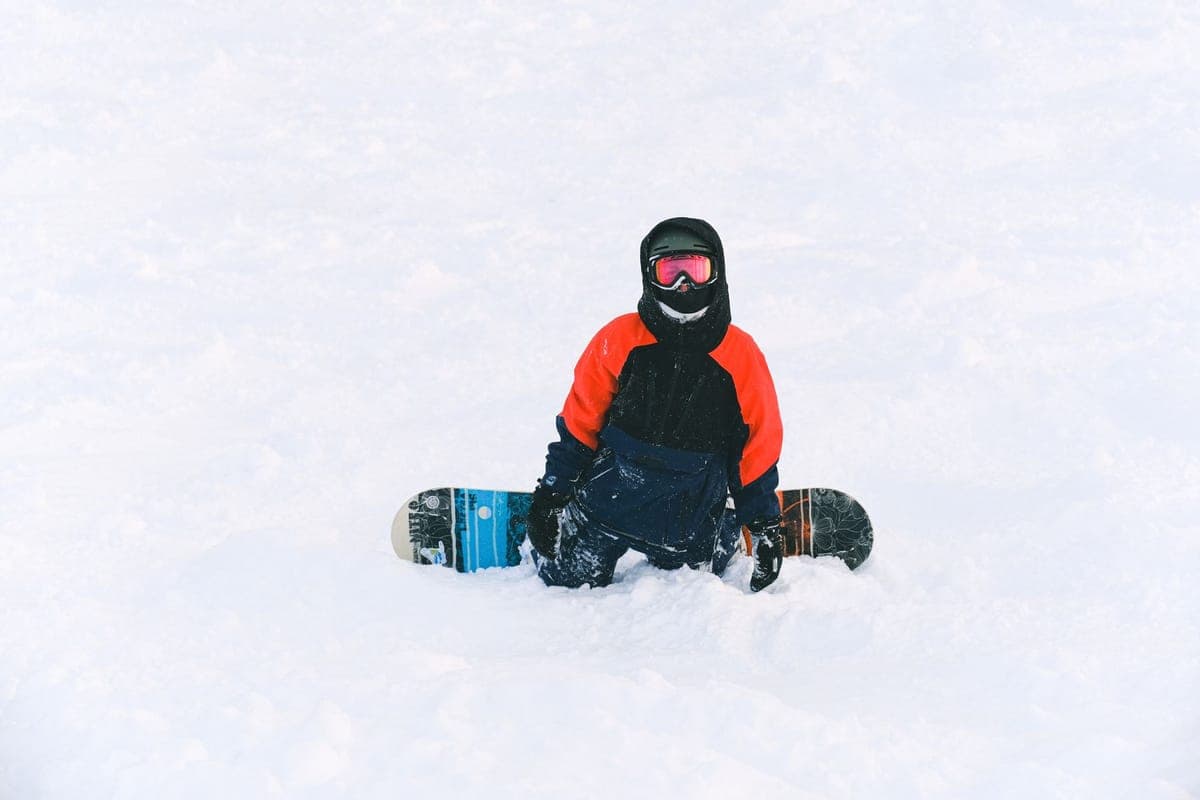
Getting into a snowboard is the part beginners genuinely dislike. You sit down in the snow at the top of every run, ratchet two straps per foot, and stand back up. Over a day that is a lot of sitting down in cold wet snow, and it is the single biggest ergonomic complaint in the sport.
It is also worse for some people than others. Anyone with a bad knee, a bad back, or a hip that objects to getting up off the ground repeatedly finds it genuinely limiting rather than merely annoying. And a parent strapping in a child and then themselves, at the top of every run, is doing it twice as often as anyone else.
The three systems
| Strap-in | Rear-entry | Step-on | |
|---|---|---|---|
| How you get in | Sit down, ratchet two straps per foot | Standing or seated; highback folds down, slide in, flip up | Standing; align and clip the boot into the binding |
| Boot compatibility | Any snowboard boot | Any snowboard boot | Only that brand's matched boots |
| Adjustment | Finest - each strap independent | Preset the straps, then leave them | Least - the interface is fixed |
| Setup time per run | Slowest | Fast | Fastest |
| On a slope or in a queue | Awkward; you are sitting down | Manageable standing | Easy standing |
| Cost | Lowest | Middle | Highest, and you buy the boots too |
| Rental availability | Universal | Occasional | Rare |
Strap-in: why it is still the default
Two ratchet straps per foot - one over the toe cap and one across the ankle. It is the oldest design and it remains the most common for good reasons.
- It works with any boot. That matters more than it sounds: your boots are the piece you should buy first and keep longest, and strap-in bindings never make that decision for you. Boot fit is the whole game.
- Each strap adjusts independently. A wide foot, a high instep, a pressure point - all fixable by moving one strap. The toe strap should sit over the toe cap rather than on top of your toes, and the ankle strap across the flex point.
- It is what rentals and lessons use. If you are learning, you will learn on these, and buying something different means learning twice.
- Cheapest, and cheapest to replace. Both packages in this ledger ship with strap-in bindings included.
The cost is the sitting down, and for most people it is a nuisance rather than a problem.
Step-on: what it gives and what it takes
A step-on system replaces straps with a mechanical interface: cleats on the boot engage fixed points on the binding, and you clip in standing up. Getting out is a lever release.
What it gives is real. No sitting in the snow, no ratcheting with cold hands, and you can get in at the top of a lift ramp while standing - which removes the most awkward twenty seconds of a beginner day. The lifts page covers why that moment is hard.
What it takes is the part to think hardest about:
- You are buying into one brand’s boots. The boot and binding are a matched system, so your future boot choice is constrained to whatever that brand offers in your size and flex. For a foot that is hard to fit, this is a genuine problem rather than a theoretical one.
- Less adjustment. The interface is fixed, so you cannot ease a pressure point by moving a strap.
- Higher total cost. You are replacing bindings and boots together, not bindings alone.
- Snow in the mechanism. The cleats have to be clear to engage, so there is a small stamping-your-boot ritual that strap-in riders do not have.
- Hard to rent or borrow. If you forget your boots, you cannot simply hire replacements that fit your bindings.
Rear-entry: the middle option
The highback hinges backward, you slide your foot in from behind, and flip it up. The straps stay pre-adjusted and become a fixed cradle rather than something you fasten each time.
It keeps universal boot compatibility, which is the big advantage over step-on, and removes most of the sitting down. The trade is that you preset the straps once and live with them, so the fine adjustment of a strap-in is gone, and the hinge is one more mechanism that can pack with snow.
Who should buy which
- A first-season rider. Strap-in. It is what you will learn on, it works with any boot, and you should not be locking in a boot brand before you know what fits you.
- Anyone with knee, hip or back trouble. Step-on or rear-entry. This is the case where the money is clearly well spent, and it is not a convenience purchase.
- A parent riding with a small child. Step-on for you, strap-in for them. You are strapping in twice as often as anybody else.
- A park rider. Strap-in, for the adjustability and because everything in that world assumes it.
- Someone with hard-to-fit feet. Strap-in, without hesitation. Never constrain your boot options.
- Anyone still renting. Strap-in by default - it is what rental fleets carry.
Whichever you buy, set it up
The binding type matters less than the three adjustments almost nobody touches: stance width, binding angles and stance position. A rental board set for the previous rider will feel wrong regardless of how you get into it, and a lot of people conclude they are bad at snowboarding when their bindings are set for somebody else.
The stance page has a starting point - shoulder width, about +15 and -9 degrees, centered - and the regular-or-goofy page settles which foot goes in front, which comes before all of it.
And check the screws. Binding screws back out with vibration, and a loose baseplate is the most common equipment failure in the sport - which is on the mid-season checklist.
Every pick, with the working
Each entry shows the published inputs, the axis scores they produce, and what you give up. The order is the computed order, not a commercial one, and the arithmetic is open underneath each score.
1 · A household buying more than one board
System MTN CRCX snowboard package
Eight published lengths from 138 to 163 cm is the widest size range in this category, which for a family means one brand can fit a twelve-year-old and a six-foot adult. The camber-rocker-camber profile is aimed squarely at not catching an edge.
- Published price
- Not published
- Cost per day on snow
- Not published
- Amortized over
- 5 seasons (25 days)
- Certified to
- Not published
- Published sizes
- 138 to 163 cm including two wide sizes
- Warranty
- No term published on the product page
System sells the MTN in several package configurations at different published prices, so no single list price applies to the item you will land on.
What it gets right
- Eight published lengths, two of them wide, which is unusually broad
- Camber-rocker-camber profile with the contact points lifted, designed to resist edge catches
- Sold as a complete package with bindings
What you give up
- No single published price: the same board appears in several package configurations
- Boots again separate
The working behind the 4.3
- Cost per day on snow: not scored
- No manufacturer-published price, so this axis is not scored.
- Published protection: not scored
- Snowboards carry no protective standard of their own.
- Size availability: 8.5
- 8 published sizes (8.5 of 8.5); no continuous adjuster published (+0); range: 138 to 163 cm including two wide sizes
- Warranty and support: 0.0
- no published term (0 of 6); no published crash replacement (+0); no published repair route (+0)
Axes with unpublished inputs are dropped and the remaining weights re-normalized, so a product is not punished for a manufacturer’s silence. Specifications compiled September 3, 2026 from System published specifications.
2 · A first snowboard for an adult who has had a couple of lessons
Camp Seven Redwood snowboard with APX bindings
Rocker in the tip and tail, which is the profile that stops a beginner catching an edge, sold with bindings for $289.95. That is roughly three days of snowboard rental for two people.
- Published price
- $289.95
- Cost per day on snow
- $11.60 a day
- Amortized over
- 5 seasons (25 days)
- Certified to
- Not published
- Published sizes
- 149, 153, 156, 158 wide and 160 cm
- Warranty
- No term published on the product page
What it gets right
- Rocker zones at tip and tail, the construction that forgives a beginner's mistakes
- Bindings included, so the board arrives ready apart from boots
- Five published lengths including a wide option
What you give up
- Boots are a separate purchase and are the part that actually needs trying on
- A twin shape is a compromise for someone who will only ever ride one direction
The working behind the 3.0
- Cost per day on snow: 2.5
- $289.95 over 5 seasons at 5 days each = 25 days = $11.60 a day
- Published protection: not scored
- Snowboards carry no protective standard of their own.
- Size availability: 6.8
- 5 published sizes (6.8 of 8.5); no continuous adjuster published (+0); range: 149, 153, 156, 158 wide and 160 cm
- Warranty and support: 0.0
- no published term (0 of 6); no published crash replacement (+0); no published repair route (+0)
Axes with unpublished inputs are dropped and the remaining weights re-normalized, so a product is not punished for a manufacturer’s silence. Specifications compiled September 3, 2026 from Camp Seven published specifications.
Prices last verified October 19, 2026. Prices move constantly; the figure on Amazon at the moment you click is the real one.
Questions people actually ask
Are step-on snowboard bindings worth it?
For anyone with knee, hip or back trouble, and for a parent strapping in twice every run, yes - they remove the sitting down entirely. For a first-season rider, no: they lock you into one brand’s boots before you know what fits you, and boots are the piece you should keep longest.
Do step-on bindings work with any boots?
No. The boot and binding are a matched mechanical system, so you must use that brand’s compatible boots. That is the main trade-off: your future boot choice is constrained to whatever they offer in your size and flex, which matters if your feet are hard to fit.
What is the difference between rear-entry and step-on bindings?
Rear-entry hinges the highback down so you slide your foot in from behind with the straps left pre-adjusted, and it works with any boot. Step-on clips a matched boot into fixed points with no straps at all, and only works with that brand’s boots.
Do snowboard bindings release in a fall?
No, and no type of standard alpine snowboard binding does - step-on included. Step-on describes how you get in, not safety release. There is no release value to calculate and no shop appointment, which is a real difference from skiing.
What bindings should a beginner snowboarder use?
Strap-in, soft to medium flex. It is what rentals and lessons use, it works with any boot, each strap adjusts independently to ease a pressure point, and it is the cheapest. Match it to a soft board and soft boots - a beginner wants all three soft.