How to maintain ski gear, and when each job is actually due
Nine jobs, five time slots, and about forty minutes a season. Most of what ruins ski gear happens in the week after a trip rather than during it.
By Sawyer V. · Published
We have not tested this gear. Everything below is compiled from published specifications and published safety standards, and the arithmetic is public so you can check it. This page carries affiliate links: if you buy through one we earn a commission at no extra cost to you, and it does not change the order of the picks. Full disclosure.
The short answer
Five slots, nine jobs. Every night: dry boots, gloves and liners at room temperature - never on a radiator. Every three to five ski days: wax the bases. Mid-season: a twenty-minute check of edges, screws, zips and helmet fit. End of season: wash the outerwear, hot-wax the bases and leave the wax on, store boots buckled loosely somewhere dry. Before the first trip: scrape the storage wax, re-check boot fit and re-proof the shell. Total time is about forty minutes a season, and skipping the end-of-season slot is what rusts edges and kills a jacket’s waterproofing. Leave base welds and binding adjustment to a shop.
| # | Pick | Best for | Score | Price |
|---|---|---|---|---|
| 1 | The Original PEET Shoe & Boot Dryer Drying boots overnight, silently | $4.00 a dayon snow | 6.6/10 | $49.99 - View on Amazon |
| 2 | Demon Complete Basic Tune Kit A first home tune, everything in one box | $6.67 a dayon snow | 3.9/10 | $89.99 - View on Amazon |
| 3 | Swix F4 Glidewax 180 g Block A family iron-on wax that covers every condition without a wax chart | Not publishedon snow | 0.0/10 | $21.88 - View on Amazon |
Prices last verified October 19, 2026. Prices move constantly; the figure on Amazon at the moment you click is the real one.
The schedule
This is our guidance rather than any maker’s published interval - cadence depends on how abrasive the snow is and how much you ski. Each row links to the page that covers the job in full.
| When | Job | Time | Cost | DIY or shop |
|---|---|---|---|---|
| Every night on a trip | Dry boots, liners, gloves at room temperature | 5 min | Free, or a dryer | DIY |
| Every night on a trip | Hang outerwear to dry, pockets open | 2 min | Free | DIY |
| Every 3-5 ski days | Wax the bases | 15 min | About $1 a wax | DIY |
| Every few days in spring | Wipe and dry goggle lenses, inside last | 2 min | Free | DIY |
| Mid-season | Check edges, screws, zips, helmet fit, boot buckles | 20 min | Free | DIY, flag anything found |
| Mid-season, if needed | Edge tune or base repair | - | Shop tune price | Shop for deep damage |
| End of season | Wash the outerwear and re-proof | 1 wash cycle | Cost of a tech wash | DIY |
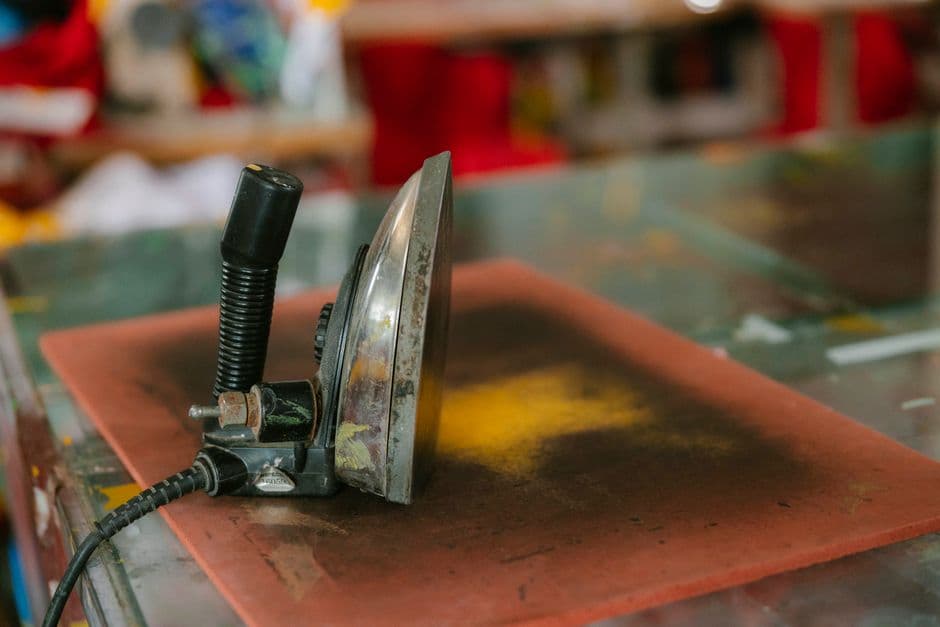
| End of season | Hot-wax the bases and leave it on | 15 min | About $1 | DIY |
| End of season | Store boots buckled loosely, liners in, somewhere dry | 5 min | Free | DIY |
| Before the first trip | Scrape the storage wax, re-check boot fit | 10 min | Free | DIY |
Every night: drying, and only drying
This is the whole of in-trip maintenance, and it is the one that actually changes tomorrow. Everything on a skier gets damp - from snow on the outside and sweat on the inside - and a damp boot liner at 8 a.m. is a cold foot by 10.
- Pull the liners out if the boot has removable liners, and stand both halves open at room temperature. Looking after ski boot liners is most of looking after boots.
- Never on a radiator, a hot vent or in front of a fire. Heat delaminates soles, shrinks liners and hardens shells. Room temperature and moving air beats heat every time - how to dry ski gear overnight, in a rental condo, for nothing.
- Gloves inside out, or at least cuffs open. Looking after gloves mostly means drying them properly.
- Jacket and pants on hangers with the pockets open. Zipped pockets hold water for days.
- If anything smells, deal with it now rather than in April. How to stop ski boots smelling.
Every three to five days: wax
Wax is the only in-season job with a genuine cadence, and the cadence is a range rather than a number because it depends on the snow. Man-made snow is abrasive and strips wax in two or three days; soft natural snow can leave a wax intact for a week.
How to tell without guessing: look at the base in good light. A waxed base is dark and even; a dry one goes chalky white at the edges and along the center first. How often to wax skis, and how to tell without guessing is the page for that judgment, and how to wax skis at home is the six-step method - which applies unchanged to a snowboard, with more iron passes because the base is wider.
Mid-season: the twenty-minute check
One session, halfway through the season, that catches the things that fail quietly. The twenty-minute mid-season check has the full list; the short version is five things.
- Run a thumb along the edges - carefully, along rather than across. Burrs and flat spots are what make a ski slide sideways on hard snow. Sharpening edges at home, and the part to leave alone.
- Check the binding screws are not standing proud and that nothing rattles. If a screw has lifted, stop - that is a shop job, because a stripped insert in a ski is not a DIY repair. Bindings, explained without the shop jargon.
- Work every zip and buckle. Cold is hard on hardware and a failed main zip ends a day - the parts that fail in the cold.
- Re-check the helmet fit, especially on a child. Heads grow and dial adjusters drift - when to replace a ski helmet.
- Look at the base for gouges. A shallow scratch can wait; a gouge deep enough to show the black core underneath should go to a shop before the next trip - what to fix at home and what to take in.
End of season: the slot that matters most
If you only do one of these five slots, do this one. Almost all the damage that writes off ski gear happens in the eight months it spends in storage, not in the four it spends on snow.
- Hot-wax the bases and do not scrape it off. A thick coat of storage wax seals the base against oxidation and keeps the edges from rusting all summer. This is the single highest-value twenty minutes in the whole schedule.
- Wash the outerwear. Counter-intuitive and important: sunscreen, sweat and body oils in the face fabric stop water beading, so a dirty jacket wets out faster than a worn one, and a season’s grime left in over summer sets. How to wash a ski jacket, and why not washing it is worse.
- Dry the boot liners completely, then store the boots buckled loosely with the liners in, somewhere that does not freeze or bake. Not a garage roof, not a car boot.
- Store skis and boards somewhere dry and vertical if you can. Storing skis at home without ruining them and the full twenty-minute storage routine.
- Sharpen skate blades before they go away, not after. If the family also skates, blades rust faster than ski edges - drying, guards and how often to sharpen.
Before the first trip: ten minutes
- Scrape and brush the storage wax off. Leaving it on makes the skis sticky and slow on the first day.
- Put the boots on in the kitchen. Five minutes now beats discovering a fit problem in a car park - telling normal pain from a boot that is wrong. For a child, re-measure: feet move a lot between winters, and the kids’ boot chart is the two-minute version.
- Re-proof the shell if water stopped beading last season. A wash-in or spray-on treatment after washing restores most of it.
- Check the goggle lens for the scratch you forgot about. When a replacement lens is cheaper than a new goggle.
- Confirm the helmet still fits everyone it needs to. This is the item most likely to have been outgrown over the summer.
What to leave to a shop, and what a tune costs
Three jobs are genuinely not DIY, and knowing which saves both money and skis.
- Binding adjustment and DIN setting. A release setting is a safety device, it is set against your weight, height, age and boot sole length, and a shop puts it on a calibrated jig. Why you cannot use the DIN chart alone.
- Deep base damage, core shots and delamination. A base weld needs material and heat, not a P-Tex candle.
- A full base grind and bevel reset. Once a base is convex or the bevels are gone, a machine does in ten minutes what a file cannot do at all.
What a ski tune actually costs, and when doing it yourself pays has the arithmetic: the break-even is roughly two or three shop tunes against the price of a home kit, which for a family with four pairs of skis arrives in the first season.
The three purchases this schedule needs
You can run the whole table above with three items, and one of them is optional.
Swix F4 Glidewax, 180 g block
The rub-on wax that covers both the three-to-five-day cadence and the end-of-season coat. Swix publishes a universal temperature range for F4, which is what makes it the one wax a family can own rather than a box of them - the best ski wax, and the temperature number on the box covers when a temperature-specific wax is worth the trouble.
Demon Complete Basic Tune Kit
What turns the mid-season check from a look into a fix. Demon publishes the contents, and the contents are the point: an iron, a scraper, brushes, a file guide and wax in one box rather than six purchases. Home tuning kits, and the number that decides if you need one has the break-even, and the vise is the other half - two numbers decide that purchase.
The Original PEET Shoe & Boot Dryer
Optional, and the one item here that replaces a job rather than enabling one. The argument for it is the nightly slot: a boot dried properly overnight, without heat, is the difference between warm feet and a cold morning, and a convection dryer does it unattended. Boot dryers ranked on published dry time and warranty compares it against the forced-air options. A hotel room and a bit of planning does the same job for nothing, which is why this is third on the list rather than first.
If you are maintaining four sets instead of one
The schedule does not change but the arithmetic does, and two things are worth planning for.
- Night-time drying is the bottleneck, not waxing. Four pairs of boots, four pairs of gloves and four sets of outerwear will not fit on one radiator - which is the actual reason families end up drying things on heat and ruining them. Plan the space before the trip.
- Children’s gear needs the pre-season slot most and the wax slot least. Short skis on a learning slope barely use wax, and a child outgrowing boots between seasons is the single likeliest thing to go wrong - what to buy big, and what never to.
- One home kit covers everyone. Which is the whole argument for buying one: outfitting a family of four, with every number shown.
Every pick, with the working
Each entry shows the published inputs, the axis scores they produce, and what you give up. The order is the computed order, not a commercial one, and the arithmetic is open underneath each score.
1 · Drying boots overnight, silently
The Original PEET Shoe & Boot Dryer
A two-boot convection dryer with no fan and no moving parts, drawing a published 36 watts and carrying a published 25-year warranty. PEET does not publish a drying time and says to leave footwear on overnight, which is the honest answer for convection: it is slow, silent and almost impossible to break.
- Published price
- $59.99
- Cost per day on snow
- $4.00 a day
- Amortized over
- 3 seasons (15 days)
- Certified to
- Not published
- Published sizes
- One size
- Warranty
- 25 years, published
What it gets right
- 25-year published warranty, by a distance the longest term in this category
- 36 published watts and no fan, so it can run all night in a hallway
- Made in the USA, published on the product page
What you give up
- No published drying time; PEET's own guidance is to leave gear on it overnight
- Two ports only, so a family of four dries in shifts
- Convection alone struggles with a soaked liner in a cold garage
The working behind the 6.6
- Cost per day on snow: 8.1
- $59.99 over 3 seasons at 5 days each = 15 days = $4.00 a day
- Published protection: not scored
- This category carries no protective standard.
- Size availability: not scored
- Sold in one size, so size availability does not apply.
- Warranty and support: 4.0
- 25 yr (4 of 6); no published crash replacement (+0); no published repair route (+0)
Axes with unpublished inputs are dropped and the remaining weights re-normalized, so a product is not punished for a manufacturer’s silence. Specifications compiled September 4, 2026 from PEET published specifications.
2 · A first home tune, everything in one box
Demon Complete Basic Tune Kit
The published contents are an edge tuner, tuning stone, flat file, wire brush, mini wax iron, two scrapers, polish pad, P-tex, all-season wax, instructions and a case. That is everything a first home tune needs in one box, and the mini iron is the compromise: it works, and it is slower than a full-size one.
- Published price
- $99.99
- Cost per day on snow
- $6.67 a day
- Amortized over
- 3 seasons (15 days)
- Certified to
- Not published
- Published sizes
- One size
- Warranty
- No term published on the product page
What it gets right
- Twelve published items including the iron, so nothing else has to be bought
- Includes P-tex and a tuning stone, which the cheapest kits leave out
- Carry case published, which is what stops a kit becoming a drawer of loose files
What you give up
- A mini iron rather than a full-size one, so waxing a pair takes longer
- No warranty term published for the kit
- $99.99 published buys roughly four or five shop waxes instead
The working behind the 3.9
- Cost per day on snow: 6.2
- $99.99 over 3 seasons at 5 days each = 15 days = $6.67 a day
- Published protection: not scored
- This category carries no protective standard.
- Size availability: not scored
- Sold in one size, so size availability does not apply.
- Warranty and support: 0.0
- no published term (0 of 6); no published crash replacement (+0); no published repair route (+0)
Axes with unpublished inputs are dropped and the remaining weights re-normalized, so a product is not punished for a manufacturer’s silence. Specifications compiled September 4, 2026 from Demon United published contents list.
3 · A family iron-on wax that covers every condition without a wax chart
Swix F4 Glidewax 180 g Block
The default answer for a household that waxes its own skis: a published all-temperature universal glide wax, developed for alpine skiing, ironed on at a published 130C then scraped and brushed. One 180 g block covers a family's skis for a season or more.
- Published price
- Not published
- Cost per day on snow
- Not published
- Amortized over
- 3 seasons (15 days)
- Certified to
- Not published
- Published sizes
- 180 g block; a 900 g block is also published
- Weight
- 180 g
- Warranty
- Not applicable; consumable
What it gets right
- Published as a universal wax for all temperature ranges, so there is one block rather than a wax box
- Published iron temperature of 130C, which is the figure people most often get wrong
- 180 g and 900 g sizes both published, so a household can buy the size that matches its fleet
- Suitable for skis and snowboards alike, which matters in a mixed family
What you give up
- Swix publishes no temperature band for the universal block, only for the cold and warm variants
- Needs an iron, a scraper and a brush; the wax alone is not a tune
- No published fluorocarbon statement on the block's own page
The working behind the 0.0
- Cost per day on snow: not scored
- No manufacturer-published price, so this axis is not scored.
- Published protection: not scored
- This category carries no protective standard.
- Size availability: not scored
- Sold in one size, so size availability does not apply.
- Warranty and support: 0.0
- no published term (0 of 6); no published crash replacement (+0); no published repair route (+0)
Axes with unpublished inputs are dropped and the remaining weights re-normalized, so a product is not punished for a manufacturer’s silence. Specifications compiled September 12, 2026 from Swix published F4 Glidewax specifications.
Prices last verified October 19, 2026. Prices move constantly; the figure on Amazon at the moment you click is the real one.
Questions people actually ask
How do you maintain ski gear?
Five slots. Every night on a trip, dry boots, liners and gloves at room temperature - never on a radiator. Every three to five ski days, wax the bases. Mid-season, spend twenty minutes checking edges, binding screws, zips and helmet fit. At the end of the season, wash the outerwear, hot-wax the bases and leave the wax on, and store boots buckled loosely somewhere dry. Before the first trip, scrape the storage wax and re-check boot fit. About forty minutes a season in total.
How often should skis be waxed?
Every three to five ski days as a working rule, but check rather than count: man-made snow is abrasive and can strip a wax in two days, while soft natural snow can leave one intact for a week. A waxed base looks dark and even; a dry one goes chalky white along the edges and the center first.
What should I do to my skis at the end of the season?
Hot-wax them and leave the wax on. A thick unscraped coat seals the base against oxidation and stops the edges rusting over the summer, and it is the single highest-value twenty minutes in the whole maintenance year. Scrape it off before the first trip of the next season. Wash the outerwear at the same time, and store boots buckled loosely with the liners in.
Can I dry ski boots on a radiator?
No. Heat delaminates soles, shrinks liners and hardens plastic shells, and a boot dried on a radiator over several nights can be permanently damaged. Pull the liners out, stand both halves open at room temperature with air moving, and start the night before you need them - moving air at room temperature dries faster than still hot air anyway.
What ski maintenance should I leave to a shop?
Three jobs: binding adjustment and DIN setting, because a release setting is a safety device set on a calibrated jig; deep base damage, core shots and delamination, which need a real base weld rather than a P-Tex candle; and a full base grind or bevel reset, which a machine does properly and a hand file cannot do at all.
Does a snowboard need the same maintenance as skis?
Yes, on the same cadence. The only practical difference is that a board base is wider, so hot-waxing takes more iron passes and the wax goes further per board than per pair of skis. The home tuning kits on this site are sold for both, which is why one kit covers a mixed family.