Zippers, buckles and clips: the parts that fail in the cold
A zipper that opens behind the slider is not broken, it is worn, and it has a two-minute fix. Most ski hardware failures are like that.
By Sawyer V. · Published
We have not tested this gear. Everything below is compiled from published specifications and published safety standards, and the arithmetic is public so you can check it. This page carries affiliate links: if you buy through one we earn a commission at no extra cost to you, and it does not change the order of the picks. Full disclosure.
The short answer
A zipper that closes and then splits open behind the slider almost always has a worn slider rather than damaged teeth, and replacing or gently crimping the slider fixes it. Clean and lubricate zips at the end of every season, because grit is what wears them. Ski boot buckles and ladders are replaceable parts and cheap - a snapped buckle does not mean a new boot.
| # | Pick | Best for | Score | Price |
|---|---|---|---|---|
| 1 | Burton Profile Gloves An adult beginner who will spend the day with wet hands otherwise | $3.53 a dayon snow | 5.8/10 | $52.95 - View on Amazon |
| 2 | Arctix Men's Icecap Insulated Jacket A cold dry week where price matters more than a spec sheet | $4.20 a dayon snow | 4.7/10 | $92.12 - View on Amazon |
| 3 | Columbia Whirlibird V Interchange Jacket One jacket that has to work on the mountain and at home | $10 a dayon snow | 3.2/10 | $250.00 - View on Amazon |
Prices last verified October 22, 2026. Prices move constantly; the figure on Amazon at the moment you click is the real one.
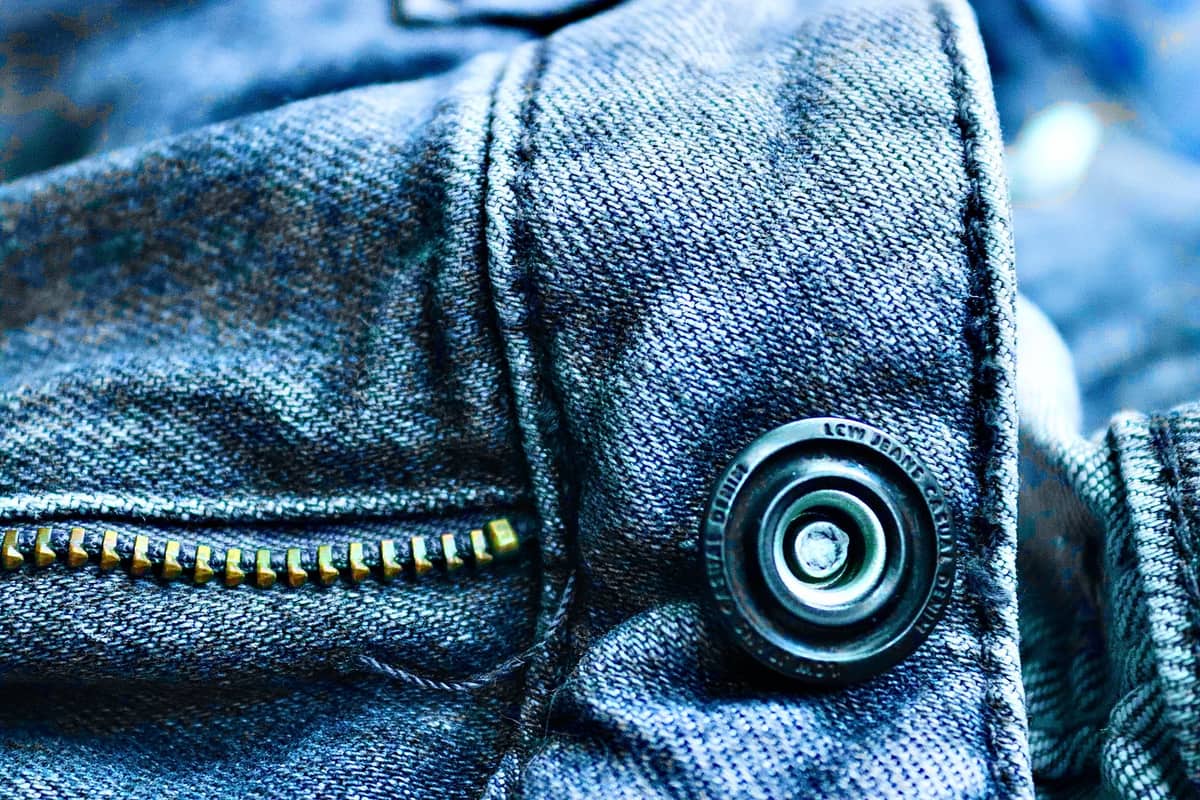
The zipper that splits behind the slider
This is the single most common hardware failure in ski clothing and it is misdiagnosed almost every time. You do the zip up, it looks closed, and then it opens again from the bottom as you move.
The teeth are usually fine. What has happened is that the slider - the moving part you pull - has worn slightly wider inside, so it no longer squeezes the two rows of teeth close enough to lock them together. It is a wear part, and it is the part that gets replaced.
- Check the teeth first. Run a finger along both sides. A missing or bent tooth is a different problem and needs a specialist.
- Try crimping the slider. With the zip closed, take pliers and squeeze the sides of the slider very gently - a fraction of a millimeter at a time, testing after each squeeze. Too much and the zip will not move at all.
- If crimping does not hold, replace the slider. Replacement sliders are sold by size and type, and swapping one is a ten-minute job that does not require removing the zip from the garment.
Keeping zips alive
Zips fail from grit, salt and neglect rather than from use. Three habits, all of them cheap.
- Rinse and brush the teeth at the end of the season. An old toothbrush and warm water. Salt from a car park and grit from a chairlift are what grind a zip.
- Lubricate once a year. A zip lubricant stick, or paraffin wax, or a graphite pencil rubbed along the closed teeth. Not oil, which attracts dirt and stains fabric.
- Do not force a stuck zip. Forcing is what bends teeth, and bent teeth are a specialist repair. Free the fabric caught in it first, then work the slider gently back.
The main jacket zip is worth this attention because it is the one failure that makes a garment unwearable rather than merely worse. A broken pocket zip is an inconvenience; a broken front zip is a jacket you cannot use.
Pulls, tabs and the small stuff
The cord loop on a zip is the most-broken part of any jacket and the easiest thing on this site to fix. Thread a loop of cord or a cable tie through the hole in the slider and you have a pull that is better than the original, because it is bigger and works in gloves.
That is worth doing preventively on the pockets you use with gloves on, which is the detail that makes a jacket usable on a cold day rather than a thing you take a glove off for.
Ski boot buckles: replaceable and cheap
A ski boot buckle snapping is alarming and it is not the end of the boot. Buckles, the toothed ladders they clip into, and the rivets that hold them are all standard replaceable parts, and shops keep them.
| Failure | Fix | Cost relative to the boot |
|---|---|---|
| Buckle snapped or bent | Replacement buckle, riveted on by a shop | A small fraction |
| Ladder (the toothed strip) broken | Replacement ladder | A small fraction |
| Power strap frayed or velcro dead | Replacement strap | Minimal, and worth doing for the flex it restores |
| Sole blocks worn at toe and heel | Replaceable on many boots; check yours | Moderate, and it affects binding release |
| Shell cracked | None | The boot is finished |
The fourth row is the one to notice, because it is a safety item rather than a convenience. The toe and heel of a ski boot are what the binding grips, so a badly worn sole changes release behavior. The bindings page explains why sole length and shape matter, and a shop will check it as part of a binding test.
And a frayed power strap is worth replacing for a reason people do not expect: tightening the power strap firmly effectively stiffens the boot, so a strap that no longer holds tension has quietly softened your boot. The flex page covers that.
The rest of the hardware
- Snap fasteners on a jacket. Replaceable with a cheap tool kit, and worth doing on a storm flap, which is the seal over the main zip.
- Elastic drawcords that have gone slack. Replaceable by threading new cord through with a safety pin. Ten minutes and it restores the hem seal.
- Velcro that no longer sticks. Usually clogged rather than worn - pick the lint out of the hook side with a stiff brush or a seam ripper and it comes back.
- Goggle strap clips. Rarely replaceable and rarely repairable; this is usually a goggle-life issue rather than a fix. The goggle care page.
- Snowboard binding screws. Not a failure, a maintenance item: they back out with vibration and should be checked. That is on the stance page.
Why this all happens in the cold
Plastic gets brittle at low temperature, which is why a buckle that survived a hundred days snaps on a January morning at the car. Metal contracts slightly, making a worn slider fit worse. And lubricant thickens, so a zip that was stiff at home is genuinely stuck at the top of a lift.
Two practical consequences. Do the annual clean and lubricate in autumn rather than discovering the problem on the first cold day. And be gentler with everything at low temperatures than you would be indoors: the force that would have freed a stuck zip in a warm room is the force that breaks it at 10F.
When to take it in
Bent or missing zip teeth, a zip that has to come out of the garment, and anything involving seam tape are all specialist work. So is a boot shell that needs punching out for a pressure point, which is routine for a bootfitter and impossible at home.
Everything else on this page is a two to ten-minute job with a pair of pliers and a replacement part, which is worth knowing because hardware failure is one of the more common reasons people replace gear that had years left in it. The lifespan page puts that in context, and the fabric repair page covers the other half of keeping a jacket alive.
Every pick, with the working
Each entry shows the published inputs, the axis scores they produce, and what you give up. The order is the computed order, not a commercial one, and the arithmetic is open underneath each score.
1 · An adult beginner who will spend the day with wet hands otherwise
Burton Profile Gloves
A membrane glove at fifty-three dollars, which is roughly the floor for waterproofing that survives a full day of a beginner putting their hands in the snow. Burton publishes the membrane by name but no hydrostatic figure.
- Published price
- $52.95
- Cost per day on snow
- $3.53 a day
- Amortized over
- 3 seasons (15 days)
- Certified to
- Not published
- Waterproof rating
- Not published
- Published sizes
- XS through XL
- Warranty
- No term published on the product page
What it gets right
- Named waterproof membrane rather than an unspecified coating
- Five published sizes
- $52.95 over a three-season convention is $3.53 a day on snow
What you give up
- No published waterproof rating in millimeters, so it cannot be compared numerically
- No published insulation weight
The working behind the 5.8
- Cost per day on snow: 8.5
- $52.95 over 3 seasons at 5 days each = 15 days = $3.53 a day
- Published protection: not scored
- No waterproof rating or seam construction published.
- Size availability: 6.8
- 5 published sizes (6.8 of 8.5); no continuous adjuster published (+0); range: XS through XL
- Warranty and support: 0.0
- no published term (0 of 6); no published crash replacement (+0); no published repair route (+0)
Axes with unpublished inputs are dropped and the remaining weights re-normalized, so a product is not punished for a manufacturer’s silence. Specifications compiled September 3, 2026 from Burton published specifications.
2 · A cold dry week where price matters more than a spec sheet
Arctix Men's Icecap Insulated Jacket
Arctix publishes a 3,000 mm rating on its insulated snow pants and no rating at all on this jacket, which is worth saying out loud rather than quietly borrowing the pants figure. What it does publish is insulation and critical seam sealing at $105.
- Published price
- $105
- Cost per day on snow
- $4.20 a day
- Amortized over
- 5 seasons (25 days)
- Certified to
- Not published
- Waterproof rating
- Not published
- Published sizes
- S through XXL
- Warranty
- No term published on the product page
What it gets right
- $105 published, which over five seasons is $4.20 a day on snow
- Critical seams sealed, which is what most family-price outerwear does
- Five published sizes
What you give up
- No waterproof rating published for this jacket, so it cannot be compared numerically
- Critical seams rather than fully sealed
The working behind the 4.7
- Cost per day on snow: 8.0
- $105 over 5 seasons at 5 days each = 25 days = $4.20 a day
- Published protection: 2.0
- no published waterproof rating (0 of 6); critically taped or untaped seams (+0); insulation or shell construction published (+2)
- Size availability: 6.8
- 5 published sizes (6.8 of 8.5); no continuous adjuster published (+0); range: S through XXL
- Warranty and support: 0.0
- no published term (0 of 6); no published crash replacement (+0); no published repair route (+0)
Axes with unpublished inputs are dropped and the remaining weights re-normalized, so a product is not punished for a manufacturer’s silence. Specifications compiled September 3, 2026 from Arctix published specifications.
3 · One jacket that has to work on the mountain and at home
Columbia Whirlibird V Interchange Jacket
Two jackets in one: a waterproof shell and a zip-out insulated liner that each work alone. For a family that skis one week a year and spends the other fifty-one weeks in a cold parking lot, that is genuinely two purchases avoided.
- Published price
- $250
- Cost per day on snow
- $10 a day
- Amortized over
- 5 seasons (25 days)
- Certified to
- Not published
- Waterproof rating
- Not published
- Published sizes
- S through XXL
- Warranty
- No term published on the product page
What it gets right
- Three-in-one construction, so the shell and the liner are each usable on their own
- Omni-Tech waterproof-breathable fabric with critical seams sealed
- Sold in five sizes with regular, big and tall variants
What you give up
- Columbia publishes no hydrostatic-head figure, so its waterproofing cannot be compared numerically against a rated jacket
- Critical seams are sealed rather than every seam
- $250 is the most expensive item in this ledger apart from the skis
The working behind the 3.2
- Cost per day on snow: 3.7
- $250 over 5 seasons at 5 days each = 25 days = $10 a day
- Published protection: 2.0
- no published waterproof rating (0 of 6); critically taped or untaped seams (+0); insulation or shell construction published (+2)
- Size availability: 6.8
- 5 published sizes (6.8 of 8.5); no continuous adjuster published (+0); range: S through XXL
- Warranty and support: 0.0
- no published term (0 of 6); no published crash replacement (+0); no published repair route (+0)
Axes with unpublished inputs are dropped and the remaining weights re-normalized, so a product is not punished for a manufacturer’s silence. Specifications compiled September 3, 2026 from Columbia published specifications.
Prices last verified October 22, 2026. Prices move constantly; the figure on Amazon at the moment you click is the real one.
Questions people actually ask
Why does my jacket zip keep splitting open?
Almost always a worn slider rather than damaged teeth. The slider has widened slightly inside, so it no longer squeezes the two rows of teeth together tightly enough to lock them. Gently crimping it with pliers often fixes it, and replacing the slider is a ten-minute job.
How do you fix a zipper on a ski jacket?
Check the teeth first: a missing or bent tooth needs a specialist. If the teeth are fine, crimp the slider very gently with pliers, a fraction of a millimeter at a time, testing after each squeeze. If that does not hold, buy a replacement slider matching the number stamped on the old one.
Can ski boot buckles be replaced?
Yes. Buckles, the toothed ladders they clip into, and the rivets holding them are standard replaceable parts that shops keep, and they cost a small fraction of a new boot. Worn sole blocks are often replaceable too, and they matter more because the sole is what the binding grips.
How do you look after zippers on ski gear?
Rinse and brush the teeth at the end of the season to remove grit and road salt, lubricate once a year with a zip stick, paraffin wax or a graphite pencil rather than oil, and never force a stuck zip - forcing is what bends teeth, and bent teeth are a specialist repair.
Why does gear break in the cold?
Plastic becomes brittle at low temperature, metal contracts so a worn slider fits worse, and lubricant thickens. That is why a buckle that survived a hundred days snaps on a January morning. Be gentler with everything in the cold than you would be indoors.