Replacing a goggle lens, and when it is cheaper to replace the goggle
A scratched lens is not repairable, and a spare lens is only a bargain if the frame it fits is still being made. Here is how to work out which side of that line you are on.
By Sawyer V. · Published
We have not tested this gear. Everything below is compiled from published specifications and published safety standards, and the arithmetic is public so you can check it. This page carries affiliate links: if you buy through one we earn a commission at no extra cost to you, and it does not change the order of the picks. Full disclosure.
The short answer
A scratched lens cannot be polished out - the anti-fog coating lives on the inner surface and any abrasive removes it. Replacement makes sense when the frame is a current model with lenses still sold and the lens costs meaningfully less than a whole goggle. It does not when the frame is discontinued, the foam is compressed, or the goggle was cheap to begin with. Before buying any goggle, check that spare lenses exist for it - that one check decides whether this question is ever answerable.
| # | Pick | Best for | Score | Price |
|---|---|---|---|---|
| 1 | OutdoorMaster PRO Magnetic A skier who wants to change lenses without taking gloves off | $2.00 a dayon snow | 6.1/10 | $39.99 - View on Amazon |
| 2 | Smith Squad ChromaPop Anyone who skis in more than one kind of light | $6.20 a dayon snow | 5.3/10 | $119.95 - View on Amazon |
Prices last verified October 19, 2026. Prices move constantly; the figure on Amazon at the moment you click is the real one.
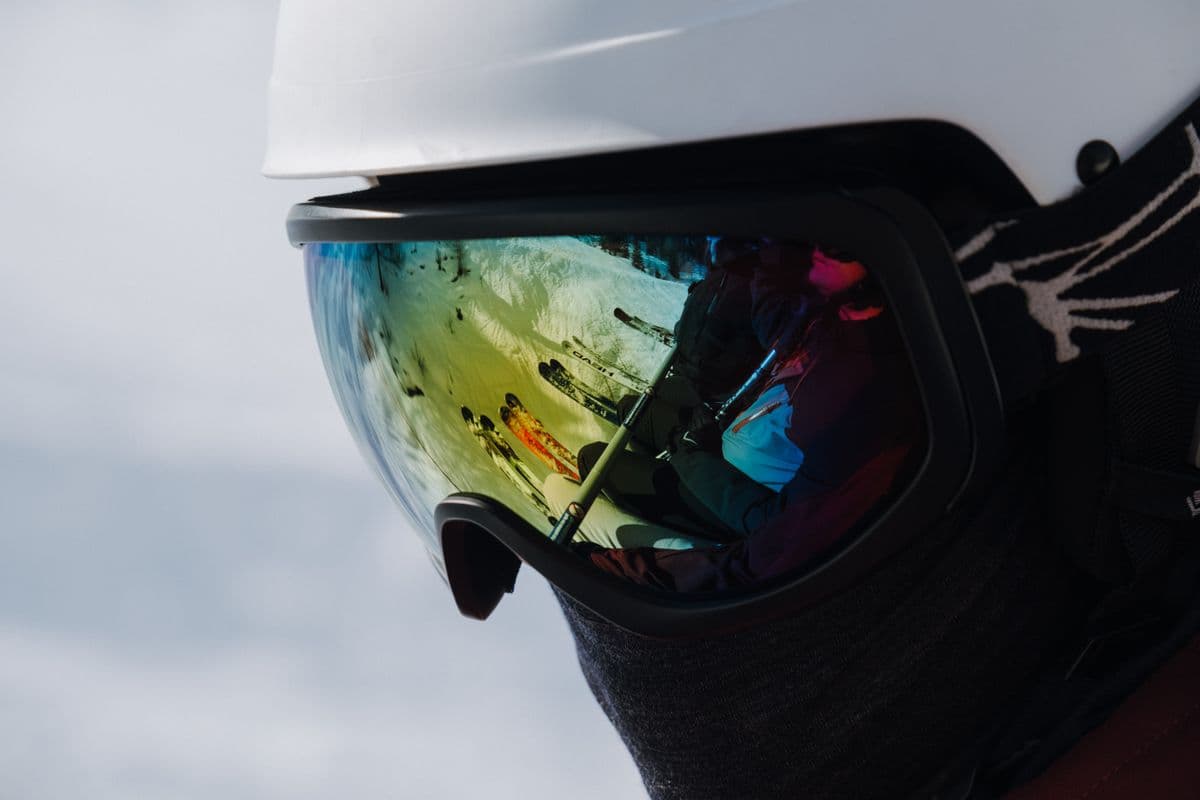
What actually goes wrong with a lens
| Problem | Cause | Does a new lens fix it? |
|---|---|---|
| Scratched outer surface | Wiped with a glove, dropped, or stored loose in a bag | Yes - this is the main reason to replace |
| Ruined inner coating | Wiped while wet; the anti-fog layer comes off with it | Yes, and nothing else will |
| Permanent fogging or cloudiness between layers | Moisture inside a double lens, usually after a soaking | Yes, if the frame is sound |
| Compressed or torn face foam | Age and use | No - that is a frame problem, and a new lens will not seal any better |
That last row is the one that catches people out. A goggle that leaks or fogs because the foam is flattened is not improved by a fresh lens; you have spent money and still have a goggle that does not seal. The care page covers what shortens foam life.
Why you cannot fix a scratch
Worth stating plainly because the internet is full of suggestions involving toothpaste and polishing compound. A goggle lens is not glass - it is a coated polymer, and the coatings do the work. The outer face carries a hard coat; the inner face carries the anti-fog treatment.
Any abrasive that removes a scratch also removes the coating around it, which leaves a hazy patch that fogs preferentially forever after. You have traded a scratch you could see past for a permanent fog source directly in your field of view. The same logic is why the anti-fog page is emphatic about never wiping a wet inner lens: that treatment is a surface layer, and it comes off on the cloth.
The arithmetic
Four questions, in order, before you spend anything.
- 1. Is the frame still current? Lens availability follows the model. A frame from three seasons ago may have no lenses in stock anywhere, which ends the conversation.
- 2. What does the lens cost against a whole new goggle? On premium goggles a lens is typically a fraction of the goggle. At the budget end, a replacement lens can approach the price of a complete new pair - at which point you are buying an old frame with a new lens.
- 3. Is the foam still good? Press it. If it does not spring back, the goggle is done regardless.
- 4. Do you actually want a different tint? If the answer is yes, this stops being a repair and becomes an upgrade - and it is the best reason on the list to buy a lens.
Frames built for swapping
Two on this site illustrate the two approaches.
OutdoorMaster PRO Magnetic
Published as a magnetic interchangeable-lens design with an anti-fog coating, UV protection and an over-the-glasses cut. The point of a magnetic system is that it takes seconds with gloves on, in a lift line, which is the difference between owning a second lens and actually using it.
Smith Squad ChromaPop
Publishes two lenses included in the box along with a Fog-X anti-fog inner lens and UV protection. That is the other way to solve the problem: rather than buying a spare later at an uncertain price, the second lens arrives with the goggle and the availability question never comes up.
The interchangeable lens roundup compares the field on published lens counts and systems, and the VLT guide covers which second tint is worth owning.
Before you buy a lens: check the warranty
A lens that failed rather than got scratched may not be your cost at all. The two cases worth claiming:
- Delamination. The two layers of a double lens separating, or moisture appearing between them without a soaking, is a manufacturing failure rather than wear.
- Coating failure. An anti-fog layer that clouds or peels in normal use, when you have not wiped the inside wet, is a defect.
Premium brands publish multi-year or limited lifetime warranties on goggles and honor them more often than people expect. Budget brands frequently publish no term at all, which is part of what you are trading away at that price - the cheap-versus-expensive page covers the rest of that trade.
Doing the comparison honestly
Prices move, so rather than printing figures that go stale, here is the comparison to run at the moment you need it.
| Find | Where | What it tells you |
|---|---|---|
| Price of the replacement lens | Maker's own site for your exact model | The real cost, including whether it is even stocked |
| Price of the same goggle today | Any retailer | Frames discount heavily; lenses rarely do |
| Price of a comparable goggle with two lenses included | Any retailer | Often the better buy than one replacement lens |
| Condition of your face foam | Press it with a thumb | If it does not spring back, none of the above matters |
The third row is the one that surprises people: a new goggle that includes a second lens frequently costs less than a single replacement lens for a premium frame, and you end up with a spare frame as well.
If you are buying a spare tint
Most people own a mid-range lens and need something for the days it does not suit. The useful second lens is almost always the brighter-conditions one or the flat-light one, depending on where you ski.
- If you ski in the trees, in storms or at dusk, the second lens is a high-VLT one that lets more light in. The flat light page covers which are published for it.
- If you ski spring and bluebird days, the second lens is low-VLT for glare.
- If you ski at night, a clear or near-clear lens is the answer, and it is the one tint that genuinely cannot be substituted. Night skiing lenses.
Swapping a lens without ruining it
If you do buy a spare, the swap itself is where people put a thumbprint or a crease into a lens they just paid for.
- Do it indoors, warm, on a clean surface. Cold frames are stiffer and cold hands are clumsier. A hotel bed is a better place than a lift line, whatever the marketing implies.
- Handle the lens by the edges only. Fingerprints on the inner face are on the anti-fog coating, and cleaning them off takes some of it with them.
- Do not flex a cylindrical lens more than the frame asks for. Press-in lenses need a gentle bow; forcing it creases the polymer permanently.
- Check the seal all the way round afterward. A lens seated proudly on one side lets air in and fogs on that side only, which is a confusing symptom to diagnose later.
- Store the spare in its sleeve, in a hard part of the bag. A loose lens in a pack is a scratched lens.
Making the first lens last
- Never wipe the inside when it is wet. Shake the water out and let it air dry. This is the single biggest cause of a prematurely dead lens.
- Use the bag it came in, every time, in the pack. Lenses scratch against zippers and buckles, not on the mountain.
- Do not put them on your forehead - it fogs them and it is how they get dropped.
- Dry them at room temperature with the foam exposed, away from radiators. The drying page.
- Do not share them. Foam compresses to one face, and a second person is a second set of chances to scratch it.
Children, where replacement rarely makes sense
On a child's goggle the frame is usually outgrown before the lens is worn out, and junior frames rarely have spares stocked. Budget accordingly: buy a cheap, well-vented youth goggle, expect to replace the whole thing when the face grows, and keep the old one as the spare that lives in the car.
The short version
Replace the lens when the frame is current, the foam is sound and the lens costs materially less than a new goggle - or when you actually want a different tint. Replace the goggle when the frame is discontinued or the foam is flat. And when you next buy, choose a frame with a published lens system, because that is the decision that makes this question answerable at all.
Every pick, with the working
Each entry shows the published inputs, the axis scores they produce, and what you give up. The order is the computed order, not a commercial one, and the arithmetic is open underneath each score.
1 · A skier who wants to change lenses without taking gloves off
OutdoorMaster PRO Magnetic
A magnetic lens swap at a published $49.99, with 100% UV400 and an over-the-glasses frame. Spare lenses are a separate purchase, so the real cost of a two-lens setup lands closer to the Smith than the sticker suggests.
- Published price
- $49.99
- Cost per day on snow
- $2.00 a day
- Amortized over
- 5 seasons (25 days)
- Certified to
- Not published
- UV protection
- 100% published
- Anti-fog
- Anti-fog coating
- Lenses included
- 1
- Published sizes
- One size
- Warranty
- No term published for goggles
What it gets right
- Magnetic lens change, workable in gloves on a lift
- 100% UV400 protection and an anti-fog coating
- Over-the-glasses frame at a published $49.99
What you give up
- One lens included; the interchangeable system only pays off after you buy another
- No published impact standard
The working behind the 6.1
- Cost per day on snow: 9.6
- $49.99 over 5 seasons at 5 days each = 25 days = $2.00 a day
- Published protection: 6.0
- 100% UV protection published (+4); no published impact standard (+0); anti-fog treatment published (+2); single lens (+0)
- Size availability: not scored
- Sold in one size, so size availability does not apply.
- Warranty and support: 0.0
- no published term (0 of 6); no published crash replacement (+0); no published repair route (+0)
Axes with unpublished inputs are dropped and the remaining weights re-normalized, so a product is not punished for a manufacturer’s silence. Specifications compiled September 3, 2026 from OutdoorMaster published specifications.
2 · Anyone who skis in more than one kind of light
Smith Squad ChromaPop
The only goggle here that ships with a second lens in the box, which is the single change that makes a goggle usable in both bright sun and flat light. That, plus 100% UV and a treated inner lens, is the whole specification worth paying for.
- Published price
- $155
- Cost per day on snow
- $6.20 a day
- Amortized over
- 5 seasons (25 days)
- Certified to
- Not published
- UV protection
- 100% published
- Anti-fog
- Fog-X anti-fog inner lens
- Lenses included
- 2
- Published sizes
- One size
- Warranty
- No term published for goggles
What it gets right
- Two lenses in the box, so a flat-light day does not need a second purchase
- 100% UV protection and a Fog-X treated inner lens
- Cylindrical frame that sits flat against most helmet brows
What you give up
- $155 is more than three of the helmets on this site
- Smith publishes no impact standard for this goggle, so we cannot score it on one
- Sold in one frame size; the smaller and larger faces need a different model entirely
The working behind the 5.3
- Cost per day on snow: 6.5
- $155 over 5 seasons at 5 days each = 25 days = $6.20 a day
- Published protection: 8.0
- 100% UV protection published (+4); no published impact standard (+0); anti-fog treatment published (+2); 2 lenses included (+2)
- Size availability: not scored
- Sold in one size, so size availability does not apply.
- Warranty and support: 0.0
- no published term (0 of 6); no published crash replacement (+0); no published repair route (+0)
Axes with unpublished inputs are dropped and the remaining weights re-normalized, so a product is not punished for a manufacturer’s silence. Specifications compiled September 3, 2026 from Smith published specifications.
Prices last verified October 19, 2026. Prices move constantly; the figure on Amazon at the moment you click is the real one.
Questions people actually ask
Can you fix a scratched ski goggle lens?
No. The lens is a coated polymer, and any abrasive that removes a scratch also removes the coating around it - leaving a hazy patch that fogs preferentially from then on. Polishing compounds and toothpaste make it worse, not better.
Is it worth buying a replacement goggle lens?
It is if the frame is a current model with lenses in stock, the face foam still springs back, and the lens costs meaningfully less than a whole new goggle. It is not if the frame is discontinued or the foam is flat - a new lens will not make an old frame seal.
How do I know if replacement lenses are available for my goggles?
Check before you buy the goggle, not after you scratch it. Look for the model on the maker's own site and see whether spare lenses are listed for it. Frames built around published magnetic or clip systems are the ones where spares are reliably stocked.
Why did my goggles fog permanently between the lenses?
Moisture got inside the double lens, usually after a soaking or from being dried with heat. Once it is in there it does not reliably come out, and the cloudiness is permanent. That is a lens replacement, and the frame is usually fine.
What second lens tint should I buy?
The one covering the conditions your main lens handles worst. If you ski trees, storms or dusk, buy a high-VLT lens that lets more light in. If you ski bright spring days, buy a low-VLT one for glare. For night skiing, a clear lens is the only real answer.