Ski gear for teenagers, and the sizes nobody makes
A fourteen-year-old is too big for youth equipment and too small, too thin or too fast-growing for the adult version. Here is where the ranges actually overlap.
By Sawyer V. · Published
We have not tested this gear. Everything below is compiled from published specifications and published safety standards, and the arithmetic is public so you can check it. This page carries affiliate links: if you buy through one we earn a commission at no extra cost to you, and it does not change the order of the picks. Full disclosure.
The short answer
The gap is real: youth sizes stop and adult sizes start higher up than a teenager reaches. Two things bridge it. Head circumference is the honest measure for a helmet, and the smallest adult shells start around 51 to 55 cm, which many teenagers already are. And short adult skis - published from 136 cm - fit a teenager long before a youth ski does. Buy the helmet and goggles; keep leasing the hardware while they grow.
| # | Pick | Best for | Score | Price |
|---|---|---|---|---|
| 1 | OutdoorMaster Kelvin 2 Mips Families buying several helmets at once | $2.80 a dayon snow | 6.9/10 | $59.99 - View on Amazon |
| 2 | OutdoorMaster PRO Magnetic A skier who wants to change lenses without taking gloves off | $2.00 a dayon snow | 6.1/10 | $39.99 - View on Amazon |
| 3 | Retrospec Comstock A spare helmet, or a second one for a visiting relative | $1.92 a dayon snow | 5.5/10 | $47.99 - View on Amazon |
| 4 | Demon Zero RF D3O Padded Shorts A first snowboard season, and the tailbone specifically | $6.67 a dayon snow | 5.2/10 | Check price on Amazon |
| 5 | Rossignol Experience 76 skis with Xpress 10 bindings A smaller adult or a tall teenager on groomed runs | $18.00 a dayon snow | 2.3/10 | $479.95 - View on Amazon |
Prices last verified October 22, 2026. Prices move constantly; the figure on Amazon at the moment you click is the real one.
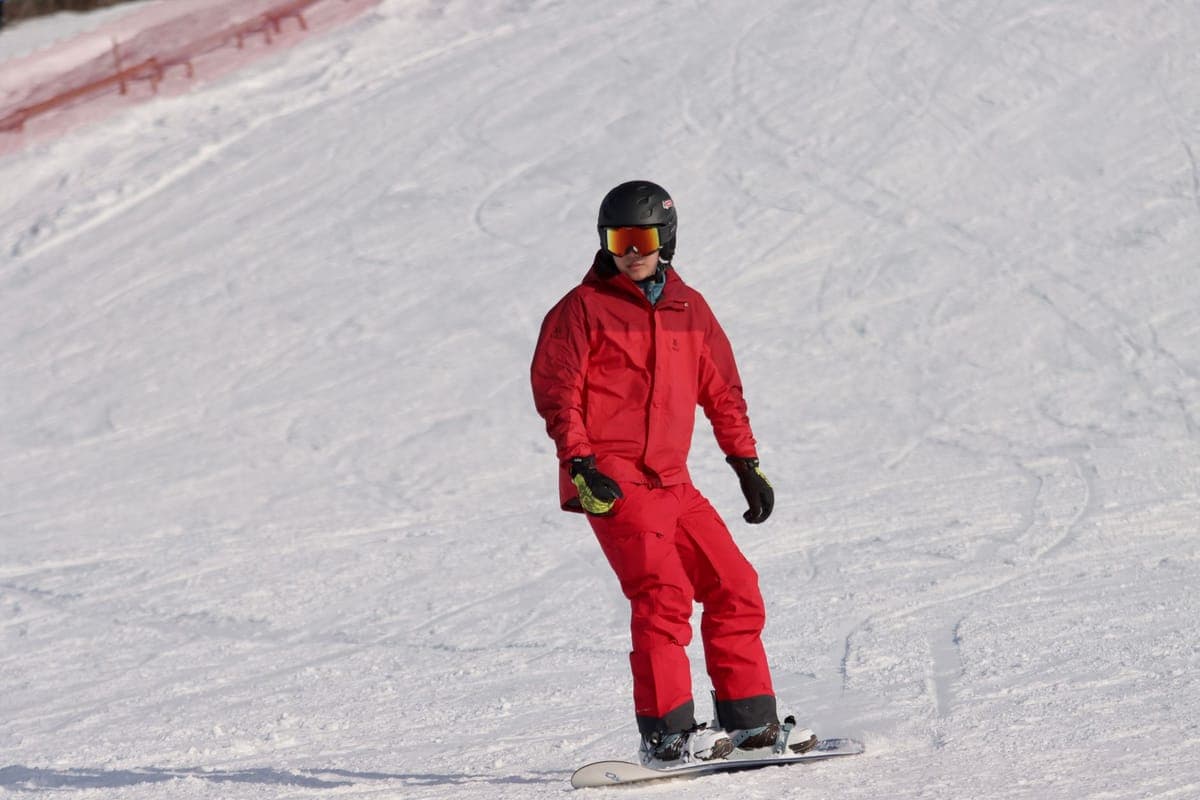
The gap, described honestly
Manufacturers build for the middle of a market. Youth ranges are built around children of primary school age, and adult ranges are built around adults. A thirteen to sixteen-year-old sits in between and, worse, moves through it fast enough that anything bought in October may not fit in March.
There is no trick that makes this cheap. What there is, is a set of specific places where the two ranges overlap more than people realize, and a clear split between what is worth owning and what is not.
Helmets: the overlap is bigger than you think
Measure the head with a soft tape a centimeter above the eyebrows. Most teenagers land somewhere between 52 and 58 cm, and that is squarely inside the smallest adult sizes: the Retrospec in this ledger publishes adult sizes from 55 cm, the OutdoorMaster publishes three sizes from small, and the Smith publishes a range starting at 51 cm.
So for a teenager, an adult helmet is usually the right purchase rather than a youth one. That matters because the adult range is where the certifications, the rotational liners and the longer warranties live, and because a helmet bought at fourteen with a dial adjuster can genuinely last several years.
- Buy a dial adjuster. A teenager’s head is still changing, and a dial takes up about a centimeter inside one shell. What a dial does and does not do.
- Buy an adult shell if the measurement reaches it. The kids chart has the bands, and the adult roundup is where the field is.
- Re-check the fit each season. A helmet that fit last winter may not now, and a teenager will not mention it.
Goggles: buy adult, buy a lens system
Face width catches up to adult proportions earlier than most other measurements, so by the early teens a standard adult frame usually fits, and a small-fit adult frame fits a narrower face. A junior frame at this age generally gaps at the temples.
This is also the age where a lens system starts to be worth it, because a teenager skis more days and in more varied light than a small child does. A goggle with a magnetic or quick-change lens is a purchase that lasts; the lens-swap roundup compares the systems and the fit guide has the three checks.
Hardware: keep leasing, with one exception
| Item | Verdict | Why |
|---|---|---|
| Helmet | Own | Fit is safety, adult sizes fit, and a dial buys several seasons |
| Goggles | Own | Adult frames fit by the early teens and last |
| Outerwear | Own, adult sizes | Worn all winter; adult smalls usually fit by 14 or 15 |
| Boots | Own if they ski more than a handful of days | Fit is personal, and a rental boot with a lifting heel is a real handicap |
| Skis or board | Lease | Length is set by height and weight, both of which are moving |
| Protective gear for snowboarding | Own | The published size runs go down to XXS, so a teenager can be fitted |
The exception in that table is boots. A teenager who skis more than a handful of days a season is the point at which owning boots starts to pay, because fit is the thing that limits progress and rental boots are a compromise chosen for the average foot. The rent-or-buy page on boots has the arithmetic, and the flex page covers the number that matters for a lighter, growing skier.
For skis, the useful fact is that adult ranges start shorter than people expect. The Rossignol in this ledger publishes six lengths from 136 cm, which suits a tall teenager or a smaller adult, and it comes with bindings mounted. The size chart settles length, and a seasonal lease is still usually the right call while they are growing.
The boot flex problem specific to teenagers
Ski boots publish a flex index, and a lighter or shorter skier cannot bend a stiff boot at all. A teenager who is tall but light is the classic case: their foot fits an adult boot but their weight does not match the flex that boot is built around.
The answer is to shop on flex as well as size, and to accept a softer boot than the one that looks appropriate for their ability. A boot they can flex is a boot they can ski; the flex page explains the numbers and why buying stiff to grow into does not work.
Clothing: the one place to size up
Outerwear is the exception to every rule on this site about not buying big. A teenager will get two seasons out of a jacket bought slightly large, especially one with adjustable cuffs, and outerwear is worn all winter regardless of whether anyone skis - which changes the arithmetic entirely.
Adult small usually fits by fourteen or fifteen. Below that, a youth XL often works. What matters more than the size is the same thing that always matters: seam sealing, a helmet-compatible hood and pit zips, and for a snowboarder, bibs over pants.
One size of growing room, not two. The growing-room page draws that line and it holds here: sleeves that swallow the hands are a genuine nuisance on a lift.
If they switch to snowboarding
Many do, around this age. The good news is that the expensive shared items - helmet, goggles, outerwear, gloves, socks - transfer directly, so the switch costs the hardware and nothing else. The comparison page covers the decision itself.
The item worth adding is protection. Beginner snowboard falls land on wrists and tailbones, and the published protective sizing genuinely reaches teenagers: the impact shorts in this ledger publish seven sizes from XXS, which is unusually wide and is the reason a teenager can be fitted from an adult line. The protection page compares what is published.
Secondhand is unusually good at this age
Teenage ski gear turns over fast, which means the used market is full of outerwear and boots worn for a handful of days by someone who then grew. Everything except the helmet is fair game, and the savings at this size are the largest of any age group.
The used-gear page has the item-by-item verdict, including why a helmet is the one absolute no and what to check on used boots. And for skis specifically, check the binding make and model before buying, because a shop that cannot service the binding cannot set it for a growing skier.
Every pick, with the working
Each entry shows the published inputs, the axis scores they produce, and what you give up. The order is the computed order, not a commercial one, and the arithmetic is open underneath each score.
1 · Families buying several helmets at once
OutdoorMaster Kelvin 2 Mips
The cheapest helmet here that carries both certifications and a rotational liner, at a published $69.99. For a family buying four helmets at once that difference is most of a lift ticket, and nothing in the published safety spec is missing.
- Published price
- $69.99
- Cost per day on snow
- $2.80 a day
- Amortized over
- 5 seasons (25 days)
- Certified to
- ASTM F2040-18, CE EN 1077:2007 Class B
- Rotational system
- Mips
- Published sizes
- Three published sizes, S through L
- Warranty
- OutdoorMaster 2-year warranty
What it gets right
- ASTM F2040-18 and CE EN 1077:2007 Class B, with Mips, for a published $69.99
- Two-year warranty, double Giro's published term
- Fourteen vents and a dial adjuster
What you give up
- Three published sizes rather than four, so the extremes of the range are less well covered
- No published weight, so you cannot compare it on the scale before you buy
The working behind the 6.9
- Cost per day on snow: 9.0
- $69.99 over 5 seasons at 5 days each = 25 days = $2.80 a day
- Published protection: 9.0
- ASTM F2040 (+4); CE EN 1077 (+2); Mips rotational system (+3)
- Size availability: 4.9
- 3 published sizes (3.4 of 8.5); continuous in-size adjuster published (+1.5); range: Three published sizes, S through L
- Warranty and support: 2.5
- 2 yr (2.5 of 6); no published crash replacement (+0); no published repair route (+0)
Axes with unpublished inputs are dropped and the remaining weights re-normalized, so a product is not punished for a manufacturer’s silence. Specifications compiled September 3, 2026 from OutdoorMaster published specifications.
2 · A skier who wants to change lenses without taking gloves off
OutdoorMaster PRO Magnetic
A magnetic lens swap at a published $49.99, with 100% UV400 and an over-the-glasses frame. Spare lenses are a separate purchase, so the real cost of a two-lens setup lands closer to the Smith than the sticker suggests.
- Published price
- $49.99
- Cost per day on snow
- $2.00 a day
- Amortized over
- 5 seasons (25 days)
- Certified to
- Not published
- UV protection
- 100% published
- Anti-fog
- Anti-fog coating
- Lenses included
- 1
- Published sizes
- One size
- Warranty
- No term published for goggles
What it gets right
- Magnetic lens change, workable in gloves on a lift
- 100% UV400 protection and an anti-fog coating
- Over-the-glasses frame at a published $49.99
What you give up
- One lens included; the interchangeable system only pays off after you buy another
- No published impact standard
The working behind the 6.1
- Cost per day on snow: 9.6
- $49.99 over 5 seasons at 5 days each = 25 days = $2.00 a day
- Published protection: 6.0
- 100% UV protection published (+4); no published impact standard (+0); anti-fog treatment published (+2); single lens (+0)
- Size availability: not scored
- Sold in one size, so size availability does not apply.
- Warranty and support: 0.0
- no published term (0 of 6); no published crash replacement (+0); no published repair route (+0)
Axes with unpublished inputs are dropped and the remaining weights re-normalized, so a product is not punished for a manufacturer’s silence. Specifications compiled September 3, 2026 from OutdoorMaster published specifications.
3 · A spare helmet, or a second one for a visiting relative
Retrospec Comstock
Skip this one. It is a legitimately certified helmet and it is cheap, but every other adult pick here includes a rotational-impact liner and the cheapest of those is $69.99. Twenty-two dollars is not the place to economize on the one feature that addresses the kind of impact skiers actually have.
Certified to both standards at under fifty dollars, with a dial adjuster and ten vents. What it does not have, at any price or size, is a rotational-impact liner, and that is the one thing on this page worth paying for.
- Published price
- $47.99
- Cost per day on snow
- $1.92 a day
- Amortized over
- 5 seasons (25 days)
- Certified to
- ASTM F2040, CE EN 1077 Class B
- Rotational system
- None published
- Published sizes
- 55-58 cm and 59-62 cm
- Warranty
- Limited warranty; no term published
What it gets right
- ASTM F2040 and CE EN 1077 Class B certified at a published $47.99
- ErgoKnob dial adjuster, which several helmets costing three times as much do not publish
- ABS shell over an EPS liner, the tougher construction
What you give up
- No rotational-impact system in any version
- Only two adult sizes, covering 55-62 cm, so anything outside that is not served
- Retrospec publishes a limited warranty but no term we could find
The working behind the 5.5
- Cost per day on snow: 9.7
- $47.99 over 5 seasons at 5 days each = 25 days = $1.92 a day
- Published protection: 6.0
- ASTM F2040 (+4); CE EN 1077 (+2); no rotational-impact system (+0)
- Size availability: 3.2
- 2 published sizes (1.7 of 8.5); continuous in-size adjuster published (+1.5); range: 55-58 cm and 59-62 cm
- Warranty and support: 0.0
- no published term (0 of 6); no published crash replacement (+0); no published repair route (+0)
Axes with unpublished inputs are dropped and the remaining weights re-normalized, so a product is not punished for a manufacturer’s silence. Specifications compiled September 3, 2026 from Retrospec published specifications.
4 · A first snowboard season, and the tailbone specifically
Demon Zero RF D3O Padded Shorts
A hard polymer tailbone shell with D3O recycled foam layered underneath, in seven published sizes from XXS, which is the only reason a teenager can be fitted from this line at all. Demon publishes no certification for it and we are not going to imply one.
- Published price
- $99.99
- Cost per day on snow
- $6.67 a day
- Amortized over
- 3 seasons (15 days)
- Certified to
- Not published
- Published sizes
- XXS through XXL, unisex
- Warranty
- No term published on the product page
What it gets right
- Seven published sizes from XXS to XXL, the widest published run of any protective item on this site
- Named ESPRO tailbone shell with D3O RF layered beneath it, rather than unspecified padding
- $99.99 published, forty dollars under the same brand's premium short
What you give up
- No published impact certification, so there is nothing to score it against
- No published warranty term
- Hip and seat padding is published as plush cushioning rather than as impact protection
The working behind the 5.2
- Cost per day on snow: 6.2
- $99.99 over 3 seasons at 5 days each = 15 days = $6.67 a day
- Published protection: not scored
- This category carries no protective standard.
- Size availability: 8.5
- 7 published sizes (8.5 of 8.5); no continuous adjuster published (+0); range: XXS through XXL, unisex
- Warranty and support: 0.0
- no published term (0 of 6); no published crash replacement (+0); no published repair route (+0)
Axes with unpublished inputs are dropped and the remaining weights re-normalized, so a product is not punished for a manufacturer’s silence. Specifications compiled September 7, 2026 from Demon United published specifications.
5 · A smaller adult or a tall teenager on groomed runs
Rossignol Experience 76 skis with Xpress 10 bindings
The narrower, cheaper sibling of the 78, at $449.95 with bindings, and the shortest published length here at 136 cm. Six lengths starting that short is what makes it work for a smaller adult or a tall teenager.
- Published price
- $449.95
- Cost per day on snow
- $18.00 a day
- Amortized over
- 5 seasons (25 days)
- Certified to
- Not published
- Published sizes
- 136, 144, 152, 160, 168 and 176 cm
- Warranty
- No term published on the product page
What it gets right
- $449.95 with Xpress 10 bindings included, $130 under the 78
- Six lengths from 136 cm, the shortest adult ski here
- A 76 mm waist is narrow, which makes edge-to-edge turns quicker to learn
What you give up
- A narrow ski is less forgiving in soft snow than a wider one
- The binding release setting still needs a shop, as with any ski
The working behind the 2.3
- Cost per day on snow: 0.0
- $449.95 over 5 seasons at 5 days each = 25 days = $18.00 a day
- Published protection: not scored
- Skis carry no protective standard of their own. The binding release setting does, and a shop sets it.
- Size availability: 8.5
- 6 published sizes (8.5 of 8.5); no continuous adjuster published (+0); range: 136, 144, 152, 160, 168 and 176 cm
- Warranty and support: 0.0
- no published term (0 of 6); no published crash replacement (+0); no published repair route (+0)
Axes with unpublished inputs are dropped and the remaining weights re-normalized, so a product is not punished for a manufacturer’s silence. Specifications compiled September 3, 2026 from Rossignol published specifications.
Prices last verified October 22, 2026. Prices move constantly; the figure on Amazon at the moment you click is the real one.
Questions people actually ask
Should a teenager wear a youth or adult ski helmet?
Measure the head. Most teenagers land between about 52 and 58 cm, which is inside the smallest adult sizes, and the adult range is where the certifications, rotational liners and longer warranties are. Buy one with a dial adjuster so it survives another season of growth.
What size skis does a teenager need?
Adult ranges start shorter than people expect - one model here publishes six lengths from 136 cm - so a tall teenager often fits an adult ski before a youth one. Size from height and weight using the chart, and lease rather than buy while they are still growing.
Should I buy ski boots for my teenager?
If they ski more than a handful of days a season, yes, and it is the item where owning helps most because fit is what limits progress. Shop on flex as well as size: a tall, light teenager cannot bend a stiff boot, and a boot they cannot flex is a boot they cannot ski.
Can teenagers wear adult ski goggles?
Usually yes by the early teens, because face width reaches adult proportions earlier than other measurements. A junior frame at that age tends to gap at the temples. A small-fit adult frame suits a narrower face, and a quick-change lens system starts being worth it at this age.
Is it worth buying ski clothing a size up for a teenager?
One size, yes. Outerwear is the exception to the rule about not buying big, because it is worn all winter regardless of skiing and a jacket with adjustable cuffs will do two seasons. Two sizes up is too far: sleeves that swallow the hands are a real nuisance on a lift.