Toddler snowsuits, and the zip that saves the afternoon
A one-piece has no waist gap, which is the whole point at this age. Three compared on what the makers publish, and the feature nobody thinks about until day one.
By Sawyer V. · Published
We have not tested this gear. Everything below is compiled from published specifications and published safety standards, and the arithmetic is public so you can check it. This page carries affiliate links: if you buy through one we earn a commission at no extra cost to you, and it does not change the order of the picks. Full disclosure.
The short answer
For a child under about five, buy a one-piece: there is no waist gap for snow to get past when they sit down, which at this age is most of the day. Look for a rear zip so a bathroom trip does not mean removing everything over the boots, sealed seams at the seat, and fold-over or reinforced cuffs. Size up one, never two.
| # | Pick | Best for | Score | Price |
|---|---|---|---|---|
| 1 | Arctix Kids Dancing Bear Insulated Snowsuit Coveralls A snow day rather than a ski day, at a price a family can repeat | $7.50 a dayon snow | 3.6/10 | $79.99 - View on Amazon |
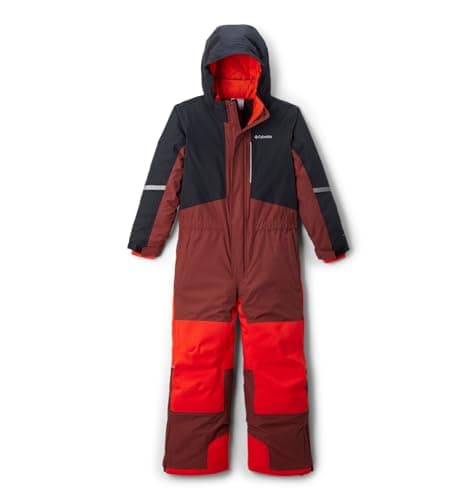
| 2 | Columbia Toddler Buga III Suit A toddler who will still be in this suit next winter | Not publishedon snow | 1.1/10 | $124.63 - View on Amazon |
| 3 | Arctix Toddler Nitro Insulated Snowsuit Coveralls A toddler who is more often sitting in the snow than standing on it | Not publishedon snow | 0.0/10 | $79.99 - View on Amazon |
Prices last verified October 19, 2026. Prices move constantly; the figure on Amazon at the moment you click is the real one.
Why one piece at this age
A toddler in the snow is, functionally, a toddler sitting in the snow. They sit to rest, they sit because they fell over, and they sit because sitting is more interesting than walking. Every one of those is an opportunity for snow to get in at the waist, and once a small child is wet they are cold within minutes.
A one-piece removes the gap entirely. That is the whole argument and it is enough - a bib closes the back but still has a gap at the shoulders in a hard fall, and separate pants and jacket have the worst of it. The pants-against-bibs comparison covers the older child.
The age this stops being right is roughly five, when a child can manage their own clothing and starts wanting to take a jacket off indoors without undressing completely. The toddler ski gear page covers the rest of the kit.
The three, compared
| Columbia Buga III | Arctix Nitro | Arctix Dancing Bear | |
|---|---|---|---|
| Insulation | 150 gsm published | ThermaTech, weight not published | Not published |
| Temperature range | Not published | -20F to +35F | Not published |
| Seams | Critically sealed | Not published | Not published |
| Reinforcement | Seat, knees, cuffs | Not published | Not published |
| Hood | Removable, adjustable | Not published | Attached |
| Rear zip | Not published | Published | Not published |
| Published price | Not published | Not published | $75.00 |
That table is unusually full of blanks, and that is the honest state of this category. Toddler snowsuits are sold on photographs of children in snow rather than on specifications, and the three here were chosen because between them they publish more than most.
The picks
Columbia Toddler Buga III Suit
The pick, on three published facts that nothing else here states.
An insulation weight. 150 gsm, which is a genuinely warm figure for a child who is mostly stationary. Nobody else on this page publishes a number at all.
Reinforcement where it wears out. Abrasion-resistant Hammerhead fabric at the seat, the knees and the cuffs - which are, in order, the three places a toddler destroys a snowsuit.
A removable, adjustable hood. Removable matters more than it sounds. A sewn-on hood cannot be worn under a ski helmet, so a suit with a removable one lasts into the year the child starts lessons. The kids helmet roundup covers the small sizes.
Its published weakness is stated plainly by Columbia: the Omni-Tech shell is critically seam sealed, not fully sealed. On a garment whose seat spends the day in snow, that is the seam you would most want taped, and Columbia deserves credit for saying so rather than writing “seam sealed” and leaving it.
Arctix Toddler Nitro Snowsuit Coveralls
The pick if the rear zip matters to you more than the published numbers - and with a two- or three-year-old, it might.
Arctix publishes a ThermaLock shell with ThermaTech insulation rated to -20F, and a rear zip. What it does not publish for this model is an insulation weight in grams, a waterproof rating in millimeters or a seam construction, which is why it sits second rather than first.
The -20F figure is worth reading carefully. It is a claim about the insulation’s range rather than a measurement of how long a stationary toddler stays warm, and a small child standing still at a lift base gets cold well above that. The how-cold-is-too-cold page covers the thresholds that actually matter.
Arctix Kids Dancing Bear Snowsuit Coveralls
Marked as the skip above, and it is a skip with an obvious exception. It is the only garment on this page with a published price, $75.00, and for a snow day rather than a ski day it is entirely sufficient.
The attached hood is the trade. For sledding it is a feature - nothing to lose, no gap at the neck. The snow-day gear page is written for exactly that child. Under a helmet it does not work, so it does not follow the child into lessons.
Sizing a snowsuit
One size up, never two. One size leaves room for a base layer and usually buys a second winter. Two sizes leaves cuffs hanging over the boots where they fill with snow, and sleeves that swallow mittens.
The growing-room page is explicit about what can be sized up and what never can, and the short version is that anything that works by fitting - boots, helmet, goggles - must fit now.
What goes with it
- A thin base layer, and only one. Too much underneath makes a child sweat, and damp is what makes them cold. The kids base layer roundup covers merino and synthetic.
- Waterproof mittens, not gloves, and two pairs. Fingers share heat in a mitten, and a small child’s first pair is soaked by mid-morning. The kids glove roundup is here.
- Proper snow boots with a published temperature rating. The kids snow boot roundup covers the two that publish one.
- A neck gaiter rather than a scarf. A scarf on a small child is a hazard around any moving equipment. The gaiter roundup covers the youth sizes.
And sunscreen, which is the thing everybody forgets in winter. The altitude and sun page explains why snow at elevation burns faster than a beach.
Every pick, with the working
Each entry shows the published inputs, the axis scores they produce, and what you give up. The order is the computed order, not a commercial one, and the arithmetic is open underneath each score.
1 · A snow day rather than a ski day, at a price a family can repeat
Arctix Kids Dancing Bear Insulated Snowsuit Coveralls
Skip this one. A snow-day suit rather than a ski-day one, and its hood is the reason. The hood is attached, which is genuinely useful for sledding because there is nothing to lose from a chairlift and no gap at the neck - and it means the suit cannot be worn under a helmet. It is also sized for kids rather than toddlers, so the youngest children fall outside it, and Arctix publishes no insulation weight or temperature rating for this model at all.
The only snowsuit in this ledger with a published price, $75, and it publishes less about its construction than the Nitro does. An attached hood is worth naming: a separate hat leaves the neck gap that soaks a child, and a hood sewn on cannot be dropped from a chairlift.
- Published price
- $75
- Cost per day on snow
- $7.50 a day
- Amortized over
- 2 seasons (10 days)
- Certified to
- Not published
- Waterproof rating
- Not published
- Published sizes
- Published in kids sizes; no numeric list published on the product page
- Warranty
- No term published; Arctix states a satisfaction guarantee
What it gets right
- A published price, which nothing else in this category here offers
- Attached hood published, so there is no gap at the neck and nothing to lose
- Insulated and moisture-repelling with pockets published
What you give up
- No published insulation weight, temperature rating or waterproof number
- A hood that will not come off is a hood that will not fit over a helmet
- Sized for kids rather than toddlers, so the smallest children are not covered
The working behind the 3.6
- Cost per day on snow: 5.6
- $75 over 2 seasons at 5 days each = 10 days = $7.50 a day
- Published protection: not scored
- No waterproof rating or seam construction published.
- Size availability: not scored
- Sold in one size, so size availability does not apply.
- Warranty and support: 0.0
- no published term (0 of 6); no published crash replacement (+0); no published repair route (+0)
Axes with unpublished inputs are dropped and the remaining weights re-normalized, so a product is not punished for a manufacturer’s silence. Specifications compiled September 12, 2026 from Arctix published specifications.
2 · A toddler who will still be in this suit next winter
Columbia Toddler Buga III Suit
The only toddler suit here that publishes an insulation weight, 150 gsm, and reinforcement at the three places a toddler wears a snowsuit out: seat, knees and cuffs. The removable hood is the detail for a family that will eventually put a helmet on this child.
- Published price
- Not published
- Cost per day on snow
- Not published
- Amortized over
- 2 seasons (10 days)
- Certified to
- Not published
- Waterproof rating
- Not published
- Published sizes
- Published in toddler sizes; no numeric list published on the product page
- Warranty
- No term published on the product page
Columbia lists this across sizes and colorways without publishing a single MSRP we could read, so the cost-per-day axis is not scored. Amazon sells it as a separate listing per size and colorway; the linked one is the 18/24 month size, checked live on September 26, 2026.
What it gets right
- 150 gsm insulation published, the only stated weight in this group
- Hammerhead abrasion-resistant reinforcement published at seat, knees and cuffs
- Removable adjustable hood, so it works under a helmet later
- Omni-Tech waterproof-breathable fabric with critically sealed seams
What you give up
- Critically seam sealed rather than fully sealed, on a garment whose seat sits in snow
- No published waterproof rating in millimeters and no published price
- No published warranty term
The working behind the 1.1
- Cost per day on snow: not scored
- No manufacturer-published price, so this axis is not scored.
- Published protection: 2.0
- no published waterproof rating (0 of 6); critically taped or untaped seams (+0); insulation or shell construction published (+2)
- Size availability: not scored
- Sold in one size, so size availability does not apply.
- Warranty and support: 0.0
- no published term (0 of 6); no published crash replacement (+0); no published repair route (+0)
Axes with unpublished inputs are dropped and the remaining weights re-normalized, so a product is not punished for a manufacturer’s silence. Specifications compiled September 12, 2026 from Columbia published specifications.
3 · A toddler who is more often sitting in the snow than standing on it
Arctix Toddler Nitro Insulated Snowsuit Coveralls
A one-piece with a published rear zip, which sounds trivial and is the single most useful feature on any toddler snowsuit. A one-piece has no waist gap for snow to get into, and the rear zip is what stops a bathroom trip requiring the whole garment to come off over the boots.
- Published price
- Not published
- Cost per day on snow
- Not published
- Amortized over
- 2 seasons (10 days)
- Certified to
- Not published
- Waterproof rating
- Not published
- Published sizes
- Published in toddler sizes; no numeric list published on the product page
- Warranty
- No term published; Arctix states a satisfaction guarantee
Arctix lists this across sizes and colorways rather than publishing one MSRP, so the cost-per-day axis is not scored.
What it gets right
- One piece, so there is no waistband for snow to get past when a child sits down
- ThermaTech insulation behind a ThermaLock shell, published to -20F
- Published rear zip, which is the difference between a fast bathroom stop and a slow one
What you give up
- No published numeric sizes, waterproof rating or insulation weight for this model
- A one-piece cannot be part-removed when a child overheats indoors
- No single published price
The working behind the 0.0
- Cost per day on snow: not scored
- No manufacturer-published price, so this axis is not scored.
- Published protection: not scored
- No waterproof rating or seam construction published.
- Size availability: not scored
- Sold in one size, so size availability does not apply.
- Warranty and support: 0.0
- no published term (0 of 6); no published crash replacement (+0); no published repair route (+0)
Axes with unpublished inputs are dropped and the remaining weights re-normalized, so a product is not punished for a manufacturer’s silence. Specifications compiled September 12, 2026 from Arctix published specifications.
Prices last verified October 19, 2026. Prices move constantly; the figure on Amazon at the moment you click is the real one.
Questions people actually ask
Are one-piece snowsuits better for toddlers?
Yes, under about five. A toddler spends most of a snow day sitting down, and a one-piece has no waist gap for snow to get past. The trade is that it cannot be part-removed indoors and it is slower at a bathroom stop unless it has a rear zip.
How warm should a toddler snowsuit be?
Warmer than you would choose for an adult doing the same activity, because a small child in snow is mostly stationary. Around 150 gsm of insulation, which the Columbia here publishes, is a reasonable figure. Add warmth with a base layer rather than a thicker suit, because a base layer can come off.
Can a toddler wear a snowsuit with a ski helmet?
Only if the hood is removable. A sewn-on hood cannot sit under a helmet, and a helmet worn over a hood does not fit correctly, which means it does not protect correctly. If the child will start lessons, buy a suit with a removable hood.
What size snowsuit should I buy for a toddler?
One size up from their current size, never two. One size leaves room to layer and often buys a second winter. Two sizes leaves cuffs hanging over boots where they fill with snow and sleeves that swallow mittens.
What goes under a toddler snowsuit?
A single thin base layer in merino or synthetic, never cotton. More layers than that make a child sweat, the damp cools them, and a damp child in snow gets cold far faster than a dry one in less clothing.