Fitting a helmet and goggles together, before the tags come off
The gap between the goggle frame and the helmet brow is a strip of bare forehead in the wind, and it is also why goggles fog. Here is the ten-second check.
By Sawyer V. · Published
We have not tested this gear. Everything below is compiled from published specifications and published safety standards, and the arithmetic is public so you can check it. This page carries affiliate links: if you buy through one we earn a commission at no extra cost to you, and it does not change the order of the picks. Full disclosure.
The short answer
Put the goggles on, then the helmet, and look in a mirror. The top of the goggle frame should sit flush against the helmet brow with no gap between them, the goggle strap should run flat around the outside of the helmet, and the goggle foam should still seal all the way round your face. If there is a strip of forehead showing, the two do not match, and that gap is both cold and the most common cause of fogging.
| # | Pick | Best for | Score | Price |
|---|---|---|---|---|
| 1 | Smith Cache Mips A head at the edges of the size range, or one between two sizes | $5 a dayon snow | 6.7/10 | $160.00 - View on Amazon |
| 2 | OutdoorMaster PRO Magnetic A skier who wants to change lenses without taking gloves off | $2.00 a dayon snow | 6.1/10 | $39.99 - View on Amazon |
| 3 | Smith Squad ChromaPop Anyone who skis in more than one kind of light | $6.20 a dayon snow | 5.3/10 | $119.95 - View on Amazon |
Prices last verified October 19, 2026. Prices move constantly; the figure on Amazon at the moment you click is the real one.
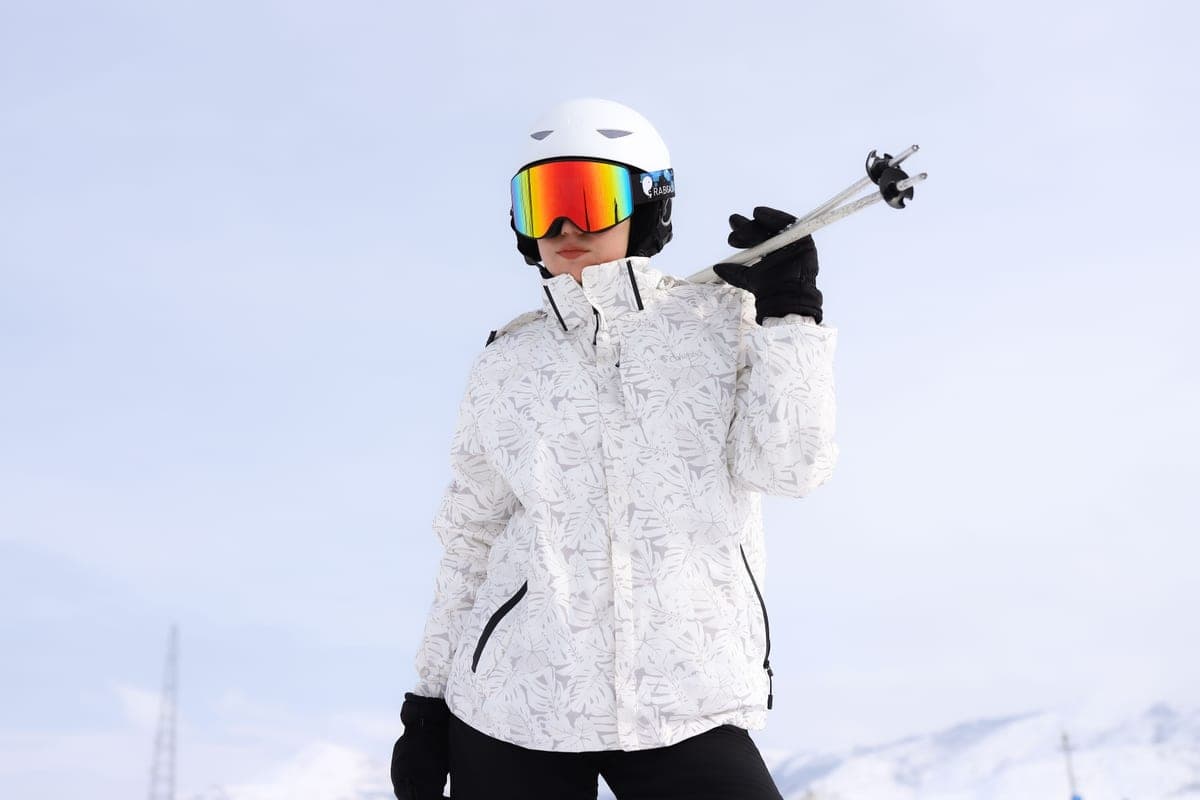
Why the gap matters beyond how it looks
Skiers call it a gaper gap and treat it as a styling problem. It is two real problems wearing one name.
- It is cold. A strip of bare forehead at the front of a moving body is the coldest place on you, and the forehead is not somewhere you notice getting cold until it aches.
- It causes fogging. Warm air rising off your forehead goes straight over the top vents of the goggle, which is precisely where the goggle needs to be pulling cold dry air in. Close the gap and a surprising number of fogging complaints go away. More on fogging here.
The check, in order
- Goggles on first, then the helmet over them. This is also how to put them on at the resort. Pulling a helmet on and then forcing goggles underneath is how goggle foam gets torn.
- Look at the brow line. The goggle frame should touch the helmet. Any visible skin between the two is a mismatch.
- Check the strap. It should sit flat around the outside of the helmet and clip into the retainer at the back. A twisted strap or one that rides up will pull the goggles off your face on a chairlift.
- Check the foam seal. Press gently on the goggle frame: the foam should be in contact all the way around your face, especially at the bridge of the nose. A gap at the nose lets warm breath up into the lens, which is the second most common cause of fogging.
- Look down and shake your head. Nothing should move independently. If the goggles slide down your face while the helmet stays put, the strap is too loose or the goggle is too large for your face.
What to do when the two do not match
You have three options and only one of them is any good.
- Change the goggle, not the helmet. Goggle frames vary far more in height and curvature than helmet brows do, and goggles are the cheaper of the two. A slightly larger frame usually closes the gap.
- Adjust how the helmet sits. Some helmets tip back on the head when the dial is loose, opening a gap that closes as soon as the fit is corrected. Worth checking before you buy anything.
- Do not fill the gap with a hat. This is the common workaround and it is a bad one: it lifts the helmet off your head, which undoes the fit you measured for, and blocks the goggle vents.
On buying the matching brand
Helmet makers who also make goggles design them to sit together, and where a brand publishes that integration it is a real advantage rather than marketing. It is not required, though. A goggle from one brand and a helmet from another can fit perfectly, and the way to find out is to hold them together rather than to trust either logo.
Two habits for the mountain
- Never push goggles up onto the front of your helmet. The warmest, dampest air on your body rises past your forehead, and parking a cold lens directly in it is the fastest way to fog a goggle for the rest of the day. Take them off entirely, or leave them on.
- Never wipe the inside of the lens. The anti-fog treatment is a coating on the inner pane and a glove removes it permanently. Shake the water out and let it air dry.
Children, where it happens most
Youth goggles and youth helmets are sized independently, and a child at the top of one range and the bottom of another very often ends up with a gap. Check the pair the same way, and the children’s goggle picks list frame sizes so you can match them against the helmet size you measured.
If your child wears glasses, that adds a third thing to fit and the answer is an over-the-glasses goggle rather than a bigger helmet. The over-the-glasses guide.
Every pick, with the working
Each entry shows the published inputs, the axis scores they produce, and what you give up. The order is the computed order, not a commercial one, and the arithmetic is open underneath each score.
1 · A head at the edges of the size range, or one between two sizes
Smith Cache Mips
The widest published head range of any helmet on this page and the only one certified to both the US and European standards while carrying a rotational-impact liner, a dial adjuster and a three-year warranty. It is also the second most expensive, and 550 g is not light.
- Published price
- $125
- Cost per day on snow
- $5 a day
- Amortized over
- 5 seasons (25 days)
- Certified to
- ASTM F2040, CE EN 1077:2007 Class B
- Rotational system
- Mips
- Published sizes
- 51-67 cm across S, M, L and XL
- Weight
- 550 g
- Warranty
- Smith 3-year limited warranty
What it gets right
- Certified to ASTM F2040 and CE EN 1077:2007 Class B
- Four published sizes covering 51-67 cm, so odd-sized heads are actually catered for
- Three-year warranty, the longest published term in this group
- Eleven vents, five of them adjustable, which matters more than it sounds on a warm spring afternoon
What you give up
- 550 g in size medium is the heaviest here, and a child or a light adult will notice it
- No published crash-replacement program
The working behind the 6.7
- Cost per day on snow: 7.4
- $125 over 5 seasons at 5 days each = 25 days = $5 a day
- Published protection: 9.0
- ASTM F2040 (+4); CE EN 1077 (+2); Mips rotational system (+3)
- Size availability: 6.6
- 4 published sizes (5.1 of 8.5); continuous in-size adjuster published (+1.5); range: 51-67 cm across S, M, L and XL
- Warranty and support: 2.5
- 3 yr (2.5 of 6); no published crash replacement (+0); no published repair route (+0)
Axes with unpublished inputs are dropped and the remaining weights re-normalized, so a product is not punished for a manufacturer’s silence. Specifications compiled September 3, 2026 from Smith published specifications.
2 · A skier who wants to change lenses without taking gloves off
OutdoorMaster PRO Magnetic
A magnetic lens swap at a published $49.99, with 100% UV400 and an over-the-glasses frame. Spare lenses are a separate purchase, so the real cost of a two-lens setup lands closer to the Smith than the sticker suggests.
- Published price
- $49.99
- Cost per day on snow
- $2.00 a day
- Amortized over
- 5 seasons (25 days)
- Certified to
- Not published
- UV protection
- 100% published
- Anti-fog
- Anti-fog coating
- Lenses included
- 1
- Published sizes
- One size
- Warranty
- No term published for goggles
What it gets right
- Magnetic lens change, workable in gloves on a lift
- 100% UV400 protection and an anti-fog coating
- Over-the-glasses frame at a published $49.99
What you give up
- One lens included; the interchangeable system only pays off after you buy another
- No published impact standard
The working behind the 6.1
- Cost per day on snow: 9.6
- $49.99 over 5 seasons at 5 days each = 25 days = $2.00 a day
- Published protection: 6.0
- 100% UV protection published (+4); no published impact standard (+0); anti-fog treatment published (+2); single lens (+0)
- Size availability: not scored
- Sold in one size, so size availability does not apply.
- Warranty and support: 0.0
- no published term (0 of 6); no published crash replacement (+0); no published repair route (+0)
Axes with unpublished inputs are dropped and the remaining weights re-normalized, so a product is not punished for a manufacturer’s silence. Specifications compiled September 3, 2026 from OutdoorMaster published specifications.
3 · Anyone who skis in more than one kind of light
Smith Squad ChromaPop
The only goggle here that ships with a second lens in the box, which is the single change that makes a goggle usable in both bright sun and flat light. That, plus 100% UV and a treated inner lens, is the whole specification worth paying for.
- Published price
- $155
- Cost per day on snow
- $6.20 a day
- Amortized over
- 5 seasons (25 days)
- Certified to
- Not published
- UV protection
- 100% published
- Anti-fog
- Fog-X anti-fog inner lens
- Lenses included
- 2
- Published sizes
- One size
- Warranty
- No term published for goggles
What it gets right
- Two lenses in the box, so a flat-light day does not need a second purchase
- 100% UV protection and a Fog-X treated inner lens
- Cylindrical frame that sits flat against most helmet brows
What you give up
- $155 is more than three of the helmets on this site
- Smith publishes no impact standard for this goggle, so we cannot score it on one
- Sold in one frame size; the smaller and larger faces need a different model entirely
The working behind the 5.3
- Cost per day on snow: 6.5
- $155 over 5 seasons at 5 days each = 25 days = $6.20 a day
- Published protection: 8.0
- 100% UV protection published (+4); no published impact standard (+0); anti-fog treatment published (+2); 2 lenses included (+2)
- Size availability: not scored
- Sold in one size, so size availability does not apply.
- Warranty and support: 0.0
- no published term (0 of 6); no published crash replacement (+0); no published repair route (+0)
Axes with unpublished inputs are dropped and the remaining weights re-normalized, so a product is not punished for a manufacturer’s silence. Specifications compiled September 3, 2026 from Smith published specifications.
Prices last verified October 19, 2026. Prices move constantly; the figure on Amazon at the moment you click is the real one.
Questions people actually ask
What is a gaper gap?
The strip of bare forehead visible between the top of a goggle frame and the brow of a helmet. It is cold, and it disrupts the airflow the goggle vents rely on, so it also makes goggles fog.
Do I need the same brand of goggle and helmet?
No. Some brands design the pair to sit together and publish that, which is a real benefit, but a goggle and helmet from different brands can fit perfectly. Hold them together rather than trusting the logo.
How do I stop my goggles slipping off my helmet?
Use the goggle retainer clip at the back of the helmet, which nearly every helmet has, and check that the strap runs flat rather than twisted. If the goggles still move, the strap is too loose or the frame is too large for your face.
Should goggles go over or under a helmet?
Over the outside of the helmet, with the strap around the shell and clipped into the retainer. Wearing the strap under the helmet leaves the goggles unsupported and is how they end up down a slope.