Ski helmets under $100, with the certifications intact
A cheap helmet is not a compromised helmet if it publishes the same standards as an expensive one. Here is what a hundred dollars actually buys.
By Sawyer V. · Published
We have not tested this gear. Everything below is compiled from published specifications and published safety standards, and the arithmetic is public so you can check it. This page carries affiliate links: if you buy through one we earn a commission at no extra cost to you, and it does not change the order of the picks. Full disclosure.
The short answer
Yes, a helmet under $100 can be fully certified and carry a rotational-impact liner - but not every cheap helmet does, and that is the thing to check. Insist on ASTM F2040, ideally with CE EN 1077 alongside it, plus Mips or equivalent. Above $100 the extra money buys weight, ventilation and warranty - not more certification.
| # | Pick | Best for | Score | Price |
|---|---|---|---|---|
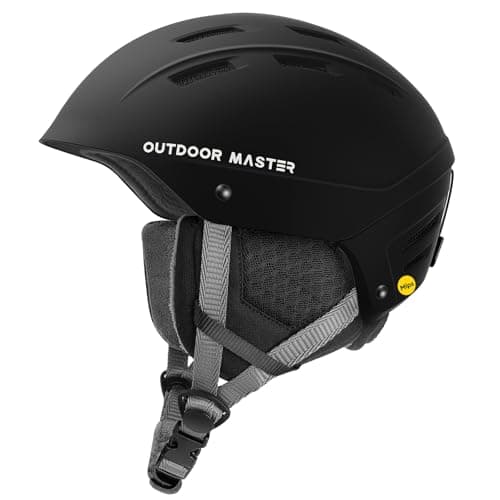
| 1 | OutdoorMaster Kelvin 2 Mips Families buying several helmets at once | $2.80 a dayon snow | 6.9/10 | $59.99 - View on Amazon |
| 2 | Retrospec Comstock A spare helmet, or a second one for a visiting relative | $1.92 a dayon snow | 5.5/10 | $47.99 - View on Amazon |
| 3 | Retrospec Comstock Kids A first helmet for a toddler who may not ski again | $4.00 a dayon snow | 5.0/10 | $39.99 - View on Amazon |
Prices last verified October 19, 2026. Prices move constantly; the figure on Amazon at the moment you click is the real one.
What price actually changes
This is the question the category is built to obscure. A $250 helmet and a $70 helmet frequently carry exactly the same published certifications, and the standard is a pass-or-fail test rather than a score - there is no such thing as passing ASTM F2040 by a wider margin.
The cheap-against-expensive page works through this in full. The short version of what more money reliably buys:
- Less weight. Real, and it matters over a full day, especially for a child or a light adult.
- Better ventilation. Adjustable vents rather than fixed holes. Noticeable on a warm spring afternoon and irrelevant in January.
- A longer warranty. Published terms range from one year to three across this category, and price does not predict which.
- More published sizes. Which matters if your head is at either end of the range.
What it does not buy is a higher standard of protection, because there is not one above the standard to buy.
Who this page is for
Families buying more than one helmet at once, mostly. The difference between a $70 helmet and a $150 one is a rounding error for one person and most of a lift ticket across four.
It is also for anyone replacing a helmet after an impact, which you must do - a helmet that has taken a real hit is finished whether or not you can see damage. The care and replacement page covers when to retire one.
The three, compared
| OutdoorMaster Kelvin 2 | Retrospec Comstock | Comstock Kids | |
|---|---|---|---|
| Published price | $69.99 | $47.99 | $39.99 |
| ASTM F2040 | F2040-18 | Published | Published |
| CE EN 1077 | Class B | Class B | Class B |
| Rotational system | Mips | None published | None published |
| Published sizes | 3 (S to L) | 2 (55-58, 59-62 cm) | 2 (48-51, 52-55 cm) |
| Dial adjuster | Published | Not published | Not published |
| Warranty term | 2 years | None published | None published |
The row that decides this page is the fourth one. Both Retrospec helmets publish the two certifications that matter and neither publishes a rotational-impact system, which is the single feature most worth paying for at this end of the market. The MIPS page covers what that system is and what it costs.
The picks
OutdoorMaster Kelvin 2 Mips
The pick, and the one to buy four of. A published $69.99 gets ASTM F2040-18 and CE EN 1077:2007 Class B certification with a Mips rotational liner, fourteen vents, a dial adjuster and a two-year published warranty.
Read that sentence against a helmet costing three times as much and the only lines that change are weight, vent adjustability and warranty length - and the warranty here is already double what one major brand publishes on its snow helmets.
Two honest limitations. Three published sizes rather than four, so the extremes of the head-size range are less well covered - if you are at either end, the big heads roundup and the small heads roundup exist for exactly that reason. And no published weight, which means you cannot compare it on the scale before buying.
Retrospec Comstock
Marked as the skip above, and it is the most useful skip on this site because it is the trap the whole category sets. At $47.99 it publishes ASTM F2040 and CE EN 1077 Class B - the same two standards as the Kelvin - and it looks like the obvious saving.
It publishes no rotational-impact system. It publishes no dial adjuster. It publishes no warranty term. Two published sizes cover 55 to 62 cm, which is a narrower band than it sounds and leaves both ends of the range out.
Twenty-two dollars buys all three of those back. That is the cheapest meaningful upgrade anywhere on this site, and it is why this page has one pick rather than two.
Retrospec Comstock Kids
Here because $39.99 with both certifications published is a real option for a family buying three at once, and because it is the cheapest certified helmet in this ledger. It carries the same gap as the adult Comstock: no published rotational system, no published dial, no published warranty term.
Two published sizes, kids XS at 48-51 cm and youth at 52-55 cm, so measure before ordering - the kids helmet size chart shows how, with a tape measure at the kitchen table. Head circumference does not track age closely enough to guess. The kids helmet roundup covers the certified picks with rotational liners.
Before buying any children’s helmet, measure. The kids helmet size chart shows how to do it with a tape measure at the kitchen table, and head circumference does not track age closely enough to guess.
Fit, which matters more than any of this
A correctly certified helmet in the wrong size protects worse than a cheaper one in the right size. Four checks:
- It sits level, with the front edge just above your eyebrows - not tipped back like a hat.
- It does not move. Shake your head; the skin of your forehead should move with the helmet rather than under it.
- No gap above the goggles. That strip of forehead is both cold and a sign the helmet is sitting wrong. The helmet and goggle fit page covers it.
- The chin strap is snug. Two fingers between strap and chin, no more.
The sizing page has the measuring instructions and the fit systems page compares dial adjusters against removable pads.
Why not rent one?
Because you cannot know its history. A rental helmet has been on other heads and may have been dropped hard in a way nobody recorded, and a helmet that has taken an impact is done - the foam crushes once, by design.
At $70, the case for owning is overwhelming: a few days of rental costs more, and you know where yours has been. The full rent-or-buy case for helmets and goggles is here, and the family-of-four page shows where it sits in a first-year budget.
Every pick, with the working
Each entry shows the published inputs, the axis scores they produce, and what you give up. The order is the computed order, not a commercial one, and the arithmetic is open underneath each score.
1 · Families buying several helmets at once
OutdoorMaster Kelvin 2 Mips
The cheapest helmet here that carries both certifications and a rotational liner, at a published $69.99. For a family buying four helmets at once that difference is most of a lift ticket, and nothing in the published safety spec is missing.
- Published price
- $69.99
- Cost per day on snow
- $2.80 a day
- Amortized over
- 5 seasons (25 days)
- Certified to
- ASTM F2040-18, CE EN 1077:2007 Class B
- Rotational system
- Mips
- Published sizes
- Three published sizes, S through L
- Warranty
- OutdoorMaster 2-year warranty
What it gets right
- ASTM F2040-18 and CE EN 1077:2007 Class B, with Mips, for a published $69.99
- Two-year warranty, double Giro's published term
- Fourteen vents and a dial adjuster
What you give up
- Three published sizes rather than four, so the extremes of the range are less well covered
- No published weight, so you cannot compare it on the scale before you buy
The working behind the 6.9
- Cost per day on snow: 9.0
- $69.99 over 5 seasons at 5 days each = 25 days = $2.80 a day
- Published protection: 9.0
- ASTM F2040 (+4); CE EN 1077 (+2); Mips rotational system (+3)
- Size availability: 4.9
- 3 published sizes (3.4 of 8.5); continuous in-size adjuster published (+1.5); range: Three published sizes, S through L
- Warranty and support: 2.5
- 2 yr (2.5 of 6); no published crash replacement (+0); no published repair route (+0)
Axes with unpublished inputs are dropped and the remaining weights re-normalized, so a product is not punished for a manufacturer’s silence. Specifications compiled September 3, 2026 from OutdoorMaster published specifications.
2 · A spare helmet, or a second one for a visiting relative
Retrospec Comstock
Skip this one. Certified, and missing the one thing this page tells you to insist on. Retrospec publishes ASTM F2040 and CE EN 1077 Class B on the Comstock and publishes no rotational-impact system at all. Twenty-two dollars more buys the OutdoorMaster, which publishes the same two certifications plus a Mips liner, a dial adjuster and a two-year warranty. At this end of the market that twenty-two dollars is the best-value money in skiing.
Certified to both standards at under fifty dollars, with a dial adjuster and ten vents. What it does not have, at any price or size, is a rotational-impact liner, and that is the one thing on this page worth paying for.
- Published price
- $47.99
- Cost per day on snow
- $1.92 a day
- Amortized over
- 5 seasons (25 days)
- Certified to
- ASTM F2040, CE EN 1077 Class B
- Rotational system
- None published
- Published sizes
- 55-58 cm and 59-62 cm
- Warranty
- Limited warranty; no term published
What it gets right
- ASTM F2040 and CE EN 1077 Class B certified at a published $47.99
- ErgoKnob dial adjuster, which several helmets costing three times as much do not publish
- ABS shell over an EPS liner, the tougher construction
What you give up
- No rotational-impact system in any version
- Only two adult sizes, covering 55-62 cm, so anything outside that is not served
- Retrospec publishes a limited warranty but no term we could find
The working behind the 5.5
- Cost per day on snow: 9.7
- $47.99 over 5 seasons at 5 days each = 25 days = $1.92 a day
- Published protection: 6.0
- ASTM F2040 (+4); CE EN 1077 (+2); no rotational-impact system (+0)
- Size availability: 3.2
- 2 published sizes (1.7 of 8.5); continuous in-size adjuster published (+1.5); range: 55-58 cm and 59-62 cm
- Warranty and support: 0.0
- no published term (0 of 6); no published crash replacement (+0); no published repair route (+0)
Axes with unpublished inputs are dropped and the remaining weights re-normalized, so a product is not punished for a manufacturer’s silence. Specifications compiled September 3, 2026 from Retrospec published specifications.
3 · A first helmet for a toddler who may not ski again
Retrospec Comstock Kids
Skip this one. If the child is going to ski more than one weekend, the extra $70 for a Mips youth helmet works out at about $3.50 per day on snow on our two-season convention. That is a small number for the one feature this helmet lacks.
Properly certified, dial-adjusted and $39.99, which makes it the cheapest legitimate route to getting a small child into a helmet. It has no rotational-impact liner, and on a two-season horizon the Mips helmets are only about three dollars a day more.
- Published price
- $39.99
- Cost per day on snow
- $4.00 a day
- Amortized over
- 2 seasons (10 days)
- Certified to
- ASTM F2040, CE EN 1077 Class B
- Rotational system
- None published
- Published sizes
- Kids XS 48-51 cm and Youth 52-55 cm
- Warranty
- Limited warranty; no term published
What it gets right
- ASTM F2040 and CE EN 1077 Class B at $39.99
- ErgoKnob dial adjuster
- Covers 48-55 cm, which reaches younger than most youth helmets
What you give up
- No rotational-impact system
- No published warranty term
The working behind the 5.0
- Cost per day on snow: 8.1
- $39.99 over 2 seasons at 5 days each = 10 days = $4.00 a day
- Published protection: 6.0
- ASTM F2040 (+4); CE EN 1077 (+2); no rotational-impact system (+0)
- Size availability: 3.2
- 2 published sizes (1.7 of 8.5); continuous in-size adjuster published (+1.5); range: Kids XS 48-51 cm and Youth 52-55 cm
- Warranty and support: 0.0
- no published term (0 of 6); no published crash replacement (+0); no published repair route (+0)
Axes with unpublished inputs are dropped and the remaining weights re-normalized, so a product is not punished for a manufacturer’s silence. Specifications compiled September 3, 2026 from Retrospec published specifications.
Prices last verified October 19, 2026. Prices move constantly; the figure on Amazon at the moment you click is the real one.
Questions people actually ask
Are cheap ski helmets safe?
A certified one is. ASTM F2040 is a pass-or-fail test, not a score, so a $70 helmet that publishes it has met the same requirement as a $250 one. What price reliably buys is less weight, better ventilation and a longer warranty - not a higher standard of protection.
What certification should a ski helmet have?
ASTM F2040 for the US market, ideally with CE EN 1077 alongside it, plus a rotational-impact system such as Mips. All three are published by the helmets on this page. A helmet that publishes none of them is not a bargain at any price.
Is MIPS worth it on a budget helmet?
It is available on budget helmets, which is the more useful answer - the cheapest helmet here publishes a Mips liner at $69.99, so you are not choosing between price and rotational protection. Whether the system justifies a premium on an expensive helmet is a separate question.
Should I buy or rent a ski helmet?
Buy. You cannot know a rental helmet’s history, and a helmet that has taken a hard impact is finished whether or not the damage shows - the foam is designed to crush once. At $70, a few days of rental costs more than owning one.
How do I know a ski helmet fits?
It should sit level with the front edge just above your eyebrows, not move when you shake your head, leave no gap above your goggles, and take two fingers between the chin strap and your chin. Measure head circumference with a tape before ordering rather than guessing from a hat size.