The family ski trip packing list, organized by bag
Organized by where each thing needs to be rather than by category, because the problem on a ski trip is never owning the item, it is having it in the wrong bag.
By Sawyer V. · Published
We have not tested this gear. Everything below is compiled from published specifications and published safety standards, and the arithmetic is public so you can check it. This page carries affiliate links: if you buy through one we earn a commission at no extra cost to you, and it does not change the order of the picks. Full disclosure.
The short answer
Pack in three groups: what goes to the mountain each day (gear, spare gloves, snacks, sunscreen), what stays in the room (evening clothes, laundry supplies, chargers), and what lives in the car (towels, dry shoes, a bag for wet clothing). Sorting by destination rather than by category is what stops the spare gloves being in the wrong bag on the day you need them.
| # | Pick | Best for | Score | Price |
|---|---|---|---|---|
| 1 | Darn Tough Alpine Over-the-Calf Lightweight Ski Socks The one piece of ski gear worth buying before anything else | $2 a dayon snow | 6.4/10 | $30.64 - View on Amazon |
| 2 | MERIWOOL Merino 250 Base Layer Top The layer that decides whether a beginner is cold all day | $3.25 a dayon snow | 5.9/10 | $65.00 - View on Amazon |
| 3 | N'Ice Caps Kids Thinsulate Waterproof Gloves A child who will put both hands in the snow within ten minutes | Not publishedon snow | 3.4/10 | $19.99 - View on Amazon |
Prices last verified October 19, 2026. Prices move constantly; the figure on Amazon at the moment you click is the real one.
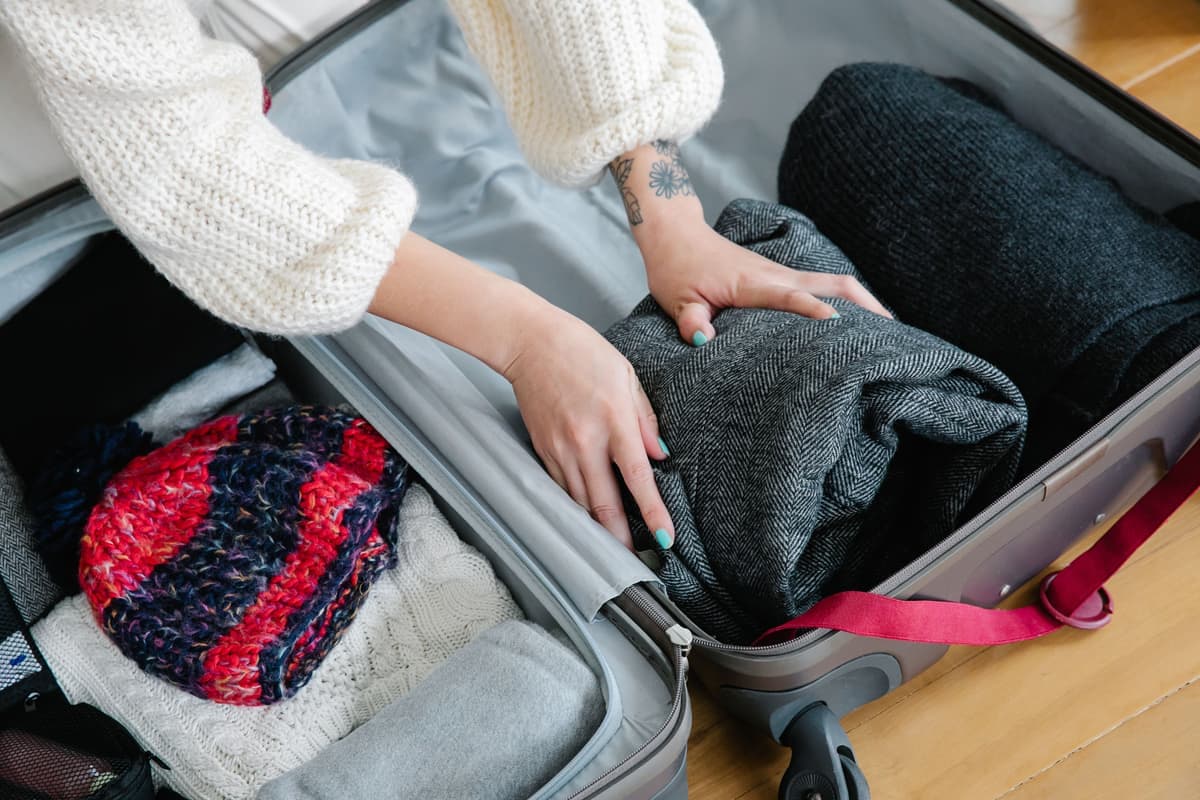
The mountain bag, per person
This is what leaves the room every morning. Everything worn is on the gear checklist; this is what travels alongside it.
- Base layer top and bottom, one per ski day if you can, or merino for two
- Ski socks, one thin pair per day plus one spare
- Mid layer fleece or light puffy
- Waterproof jacket and snow pants
- Gloves or mittens, plus a spare pair per child
- Neck gaiter
- Goggles, in their soft bag
- Helmet
- Sunscreen and lip balm with sun protection
- Pocket snacks
- Lift passes and a card
The room bag
| Group | Items |
|---|---|
| Evening clothes | Warm layers, comfortable pants, one warm sweater per person, pajamas |
| Footwear | Warm waterproof boots with grip for walking to dinner on packed snow, indoor shoes or slippers |
| Drying and laundry | Travel detergent, a folding hanger or two, a line if the room has no drying rack |
| Health | Any regular medication, pain relievers, blister bandages, a small first aid kit |
| Power | Chargers, a multi-way adapter, a power bank for cold phones |
| Documents | Passports if traveling, insurance details, booking confirmations, lesson bookings |
The car bag, which is the one people skip
This bag never goes into the accommodation and never goes up the mountain. It lives in the trunk and it is what turns a wet, cold end of the day into a comfortable drive.
- Towels. One per person. Snow gets everywhere.
- Dry shoes and dry socks. Taking ski boots off and putting warm dry shoes on is the best moment of a ski day.
- A large plastic bag or two for wet clothing, so the rest of the car does not get wet.
- Water and more snacks. Everyone is dehydrated after a day at altitude and nobody notices until they are in the car.
- An ice scraper and a snow brush if you are driving your own car.
Most commonly forgotten
- Sunscreen. Nearly everyone forgets it, and snow reflects a great deal of sunlight. Overcast days catch people out worst.
- Lip balm with sun protection. Wind and reflected sun together are hard on lips.
- Base layer bottoms. People pack the top and forget the bottoms, then feel every bit of wind on the chairlift.
- A power bank. Cold flattens phone batteries fast, and the phone is the lift map, the camera and the way you find each other.
- Something to do indoors. One afternoon of a family ski trip usually happens inside, whether because of weather or because a child has had enough.
Packing tips that actually help
- Wear the bulkiest items to travel if you are flying. A ski jacket takes up an absurd share of a suitcase and none of a seat.
- Put helmets in the middle of a case and pack soft items inside them. A helmet is a rigid box of empty space otherwise.
- Goggles go inside a helmet, in their bag, which protects the lens from everything else in the case.
- Pack one full outfit per child in a separate bag so the first morning does not involve unpacking everything.
Before you buy anything on this list
Most of it you will already own or will buy once and keep for years. The buy-versus-rent arithmetic covers what is worth buying and what to rent, and the cost page lists published prices for everything with a purchase decision attached.
This list prints cleanly. Print it, tick it, and put it with the tickets.
Every pick, with the working
Each entry shows the published inputs, the axis scores they produce, and what you give up. The order is the computed order, not a commercial one, and the arithmetic is open underneath each score.
1 · The one piece of ski gear worth buying before anything else
Darn Tough Alpine Over-the-Calf Lightweight Ski Socks
The only item in this entire ledger with an unconditional lifetime guarantee. It is a $30 sock that the maker will replace forever, which over any realistic number of ski days is the cheapest thing on the site.
- Published price
- $30
- Cost per day on snow
- $2 a day
- Amortized over
- 3 seasons (15 days)
- Certified to
- Not published
- Published sizes
- S through XL
- Warranty
- Unconditional lifetime guarantee
What it gets right
- Unconditional lifetime guarantee, published without qualifying conditions
- Lightweight merino, which is correct for a modern ski boot: a thick sock makes boots colder, not warmer
- Over-the-calf length, so the boot cuff never touches bare skin
What you give up
- $30 for one pair of socks reads as absurd until the replacement policy is read
- Lightweight is the right choice but feels wrong to anyone expecting a thick ski sock
The working behind the 6.4
- Cost per day on snow: 9.6
- $30 over 3 seasons at 5 days each = 15 days = $2 a day
- Published protection: not scored
- Socks carry no protective standard, so this axis does not apply.
- Size availability: 5.1
- 4 published sizes (5.1 of 8.5); no continuous adjuster published (+0); range: S through XL
- Warranty and support: 2.0
- no published term (0 of 6); no published crash replacement (+0); repair or replacement parts published (+2)
Axes with unpublished inputs are dropped and the remaining weights re-normalized, so a product is not punished for a manufacturer’s silence. Specifications compiled September 3, 2026 from Darn Tough published specifications.
2 · The layer that decides whether a beginner is cold all day
MERIWOOL Merino 250 Base Layer Top
250 g per square meter of merino is the midweight number, and midweight is the right answer for a beginner who alternates between standing still in a lesson and sweating on a magic carpet. Wool keeps working when it is damp; cotton does the opposite.
- Published price
- $65
- Cost per day on snow
- $3.25 a day
- Amortized over
- 4 seasons (20 days)
- Certified to
- Not published
- Published sizes
- S through XXL
- Warranty
- No term published on the product page
What it gets right
- 250 gsm published, so the weight can be compared against any other merino layer
- Wool retains warmth when damp, which is the entire argument against a cotton shirt
- Wearable for several days, which matters on a trip with one suitcase
What you give up
- $65 for a single top is more than a pair of snow pants here
- Merino needs cool washing and takes a long time to dry
The working behind the 5.9
- Cost per day on snow: 8.7
- $65 over 4 seasons at 5 days each = 20 days = $3.25 a day
- Published protection: not scored
- Base layers carry no protective standard, so this axis does not apply.
- Size availability: 6.8
- 5 published sizes (6.8 of 8.5); no continuous adjuster published (+0); range: S through XXL
- Warranty and support: 0.0
- no published term (0 of 6); no published crash replacement (+0); no published repair route (+0)
Axes with unpublished inputs are dropped and the remaining weights re-normalized, so a product is not punished for a manufacturer’s silence. Specifications compiled September 3, 2026 from MERIWOOL published specifications.
3 · A child who will put both hands in the snow within ten minutes
N'Ice Caps Kids Thinsulate Waterproof Gloves
Named Thinsulate insulation and a long knitted cuff, which is the detail that keeps snow out of a child's sleeve. Buy two pairs: a child's gloves get wet by lunch and there is no drying them on a mountain.
- Published price
- Not published
- Cost per day on snow
- Not published
- Amortized over
- 1 season (5 days)
- Certified to
- Not published
- Waterproof rating
- Not published
- Published sizes
- Toddler through youth
- Warranty
- No term published
N'Ice Caps publishes no MSRP of its own; retail prices vary by size and colorway, so the cost-per-day axis is not scored.
What it gets right
- 3M Thinsulate insulation named on the specification rather than unspecified fill
- Long knitted cuff, which is what actually stops snow going up a sleeve
- Sold across toddler and youth sizes
What you give up
- No published waterproof rating and no published MSRP
- A second pair is effectively part of the purchase
The working behind the 3.4
- Cost per day on snow: not scored
- No manufacturer-published price, so this axis is not scored.
- Published protection: not scored
- No waterproof rating or seam construction published.
- Size availability: 6.8
- 5 published sizes (6.8 of 8.5); no continuous adjuster published (+0); range: Toddler through youth
- Warranty and support: 0.0
- no published term (0 of 6); no published crash replacement (+0); no published repair route (+0)
Axes with unpublished inputs are dropped and the remaining weights re-normalized, so a product is not punished for a manufacturer’s silence. Specifications compiled September 3, 2026 from N'Ice Caps published product specification.
Prices last verified October 19, 2026. Prices move constantly; the figure on Amazon at the moment you click is the real one.
Questions people actually ask
What do I need to pack for a family ski trip?
Group it by destination rather than category: a mountain bag with gear, spare gloves and snacks, a room bag with evening clothes and chargers, and a car bag with towels, dry shoes and a bag for wet clothing.
How many base layers should I pack for a week of skiing?
One per ski day if you are packing synthetics, or two or three merino sets for a week, since merino can be worn several days without smelling. Ski socks are the item to bring more of.
What do people forget most on a ski trip?
Sunscreen, lip balm, base layer bottoms and a power bank. Cold flattens phone batteries, and the phone is the lift map and the way a family finds each other.
How do I pack ski gear for a flight?
Wear the bulkiest jacket rather than packing it, put helmets in the middle of a case and fill them with soft items, and keep goggles inside a helmet in their soft bag so the lens is protected.
Should I take a backpack up the mountain?
Usually not on a family day. It is awkward on a chairlift and most resorts have lockers. Keep the spare gloves and snacks in pockets and the rest in the car.