Altitude, sun and water: the three things that ruin day two
Nobody expects to get sunburned in a snowstorm or to have a headache at a resort they drove to. Both are normal, both are preventable, and both are about altitude.
By Sawyer V. · Published
We have not tested this gear. Everything below is compiled from published specifications and published safety standards, and the arithmetic is public so you can check it. This page carries affiliate links: if you buy through one we earn a commission at no extra cost to you, and it does not change the order of the picks. Full disclosure.
The short answer
Snow reflects a large share of the sunlight hitting it, so you get sun from above and below at the same time - which is why people burn under the chin and inside the nose. Use high-SPF sunscreen and lip balm, reapply at lunch, and wear goggles with published UV protection whatever the weather. For altitude: drink far more water than feels necessary, take day one easy, and go easy on alcohol for the first 48 hours.
| # | Pick | Best for | Score | Price |
|---|---|---|---|---|
| 1 | MERIWOOL Merino 250 Base Layer Top The layer that decides whether a beginner is cold all day | $3.25 a dayon snow | 5.9/10 | $65.00 - View on Amazon |
| 2 | OutdoorMaster Falcon Kids A first goggle, or a spare in the car for the one that gets lost | $3.00 a dayon snow | 5.8/10 | $24.99 - View on Amazon |
| 3 | Smith Squad ChromaPop Anyone who skis in more than one kind of light | $6.20 a dayon snow | 5.3/10 | $119.95 - View on Amazon |
Prices last verified October 22, 2026. Prices move constantly; the figure on Amazon at the moment you click is the real one.
What altitude actually does
Many US resorts sit high enough that a family arriving from sea level is at an elevation their body has never worked at. There is less oxygen per breath, so you breathe faster and deeper, which is where most of the downstream effects come from.
In the first 24 to 48 hours the common experience is: a headache, poor sleep, breathlessness on the walk from the car, and being unexpectedly tired by mid afternoon. None of that is dramatic and most of it fades as you acclimatize. What makes it worse is dehydration, alcohol and a hard first day, which is exactly what a family excited about a trip tends to do.
| Symptom | Why | What helps |
|---|---|---|
| Headache | The most common altitude effect, worsened by dehydration | Water, rest, and easing off; it usually settles within a day |
| Poor sleep on night one | Breathing pattern changes at altitude | Expect it; do not plan a 7am start on day one |
| Breathless on a short walk | Less oxygen per breath | Slow down; it is not a fitness verdict |
| Tired by early afternoon | Everything above, plus skiing is hard work | Half days at the start of a trip |
| Alcohol hitting harder | The same drink at altitude, with less water in you | Go easy for the first two nights |
Why you burn in a snowstorm
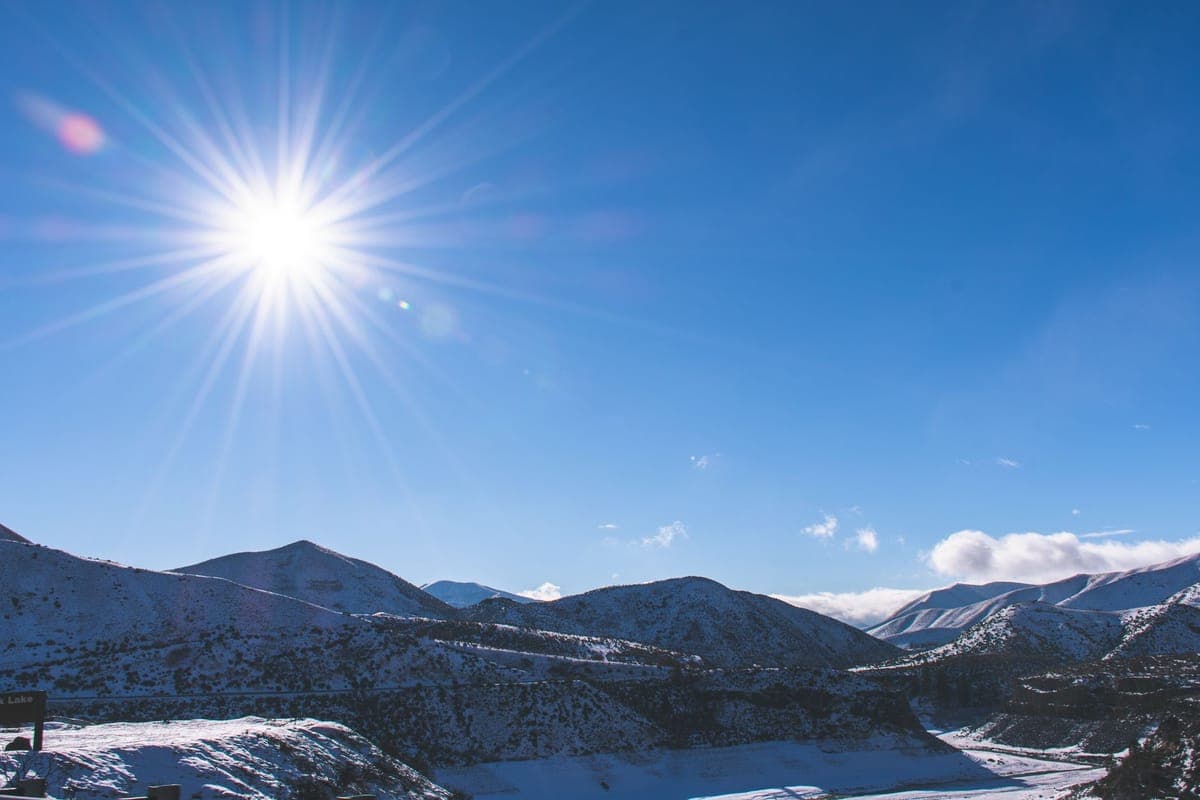
Two effects stack. Snow is highly reflective, so ultraviolet light arrives from below as well as above - which is why people come home burned under the chin, under the nose and on the underside of the ears, places the sun does not normally reach. And UV intensity increases with altitude, because there is less atmosphere above you to absorb it.
Cloud is not protection. A significant amount of UV passes through cloud, and a flat-light day on a snowfield is one of the classic ways people get badly burned without noticing, because there is no heat to warn them.
- Sunscreen on before you leave the room, on every exposed surface, including under the chin and the underside of the nose.
- Reapply at lunch. Sweat, wind and a face gaiter all remove it.
- Lip balm with sun protection. Lips have no melanin and burn badly. This is the item people forget and the one that ruins the last two days.
- Children first, and children more often. A child in a lesson spends three hours in the open with no shade at all.
For the products themselves, four ski sunscreens are compared here on published SPF, active ingredients and water-resistance minutes - including the lip balm that matters more on snow than any lotion does.
Eyes: the part that is not just comfort
Reflected UV affects your eyes as much as your skin. Extended exposure to bright snow without protection causes photokeratitis, sometimes called snow blindness - a painful, temporary but genuinely disabling condition that shows up hours after the exposure, typically that evening.
The fix is trivial: goggles with published UV protection, worn all day, whatever the weather. Every goggle in this site’s ledger publishes 100 percent UV protection, including the cheapest kids model, which is exactly the point - UV protection is not the expensive part of a goggle.
On an overcast day the temptation is to push the goggles onto the helmet. That is the day the burn happens. A higher-VLT lens is the right answer rather than no lens at all, and the VLT guide covers which figure to look for. Sunglasses are not equivalent: they do not seal, do not stop reflected light from below, and fall off. The comparison is here.
Hydration, and why nobody drinks enough
Three things conspire. Cold air holds very little moisture, so you lose water simply by breathing. Altitude makes you breathe faster, which multiplies that loss. And cold suppresses thirst, so the signal that would normally tell you to drink is switched off.
The result is a person who is significantly dehydrated by early afternoon without having felt thirsty once, and the symptoms look like other things entirely: a headache blamed on altitude, cold hands blamed on gloves, tiredness blamed on the pace, and a child who becomes unreasonable at two.
- Drink at every lift queue. A schedule beats a thirst signal that is not working.
- Carry water in an insulated bottle inside a pack. Bladder tubes freeze; the reason is on the hydration page.
- Make it a rule for children, not an offer. They will say no every time and then melt down.
- Alcohol at lunch is the classic mistake. It dehydrates further and impairs judgment at the point in the day when tired legs are already making decisions worse.
A sensible first 48 hours
Arrival day
Arrive, drink water, eat properly, and do not plan anything strenuous. If you have driven up from sea level, this is the evening the headache appears, and going to bed early is a genuinely useful strategy rather than a wasted evening.
Day one
Half a day. A lesson in the morning, lunch inside, then stop or do an easy hour. This is the same recommendation as the lessons page makes for completely different reasons, which is a good sign it is right.
Day two
The day people feel worst and the day they plan hardest, because day one went fine. Keep it moderate, keep drinking, and expect the second lesson to be the one where things actually click.
The short list
- High-SPF sunscreen, applied before leaving and again at lunch.
- Lip balm with sun protection. The most forgotten item on this site.
- Goggles with published UV protection, worn all day, cloudy or not.
- Water at every lift, enforced for children.
- Half days on days one and two, and an early night on arrival.
- Go easy on alcohol for the first two nights.
- A base layer that moves sweat rather than holding it, because being damp is what turns tiredness into cold. Wool or synthetic, never cotton.
None of that costs anything except the sunscreen, and together they prevent most of what makes a first ski trip harder than it needs to be.
Every pick, with the working
Each entry shows the published inputs, the axis scores they produce, and what you give up. The order is the computed order, not a commercial one, and the arithmetic is open underneath each score.
1 · The layer that decides whether a beginner is cold all day
MERIWOOL Merino 250 Base Layer Top
250 g per square meter of merino is the midweight number, and midweight is the right answer for a beginner who alternates between standing still in a lesson and sweating on a magic carpet. Wool keeps working when it is damp; cotton does the opposite.
- Published price
- $65
- Cost per day on snow
- $3.25 a day
- Amortized over
- 4 seasons (20 days)
- Certified to
- Not published
- Published sizes
- S through XXL
- Warranty
- No term published on the product page
What it gets right
- 250 gsm published, so the weight can be compared against any other merino layer
- Wool retains warmth when damp, which is the entire argument against a cotton shirt
- Wearable for several days, which matters on a trip with one suitcase
What you give up
- $65 for a single top is more than a pair of snow pants here
- Merino needs cool washing and takes a long time to dry
The working behind the 5.9
- Cost per day on snow: 8.7
- $65 over 4 seasons at 5 days each = 20 days = $3.25 a day
- Published protection: not scored
- Base layers carry no protective standard, so this axis does not apply.
- Size availability: 6.8
- 5 published sizes (6.8 of 8.5); no continuous adjuster published (+0); range: S through XXL
- Warranty and support: 0.0
- no published term (0 of 6); no published crash replacement (+0); no published repair route (+0)
Axes with unpublished inputs are dropped and the remaining weights re-normalized, so a product is not punished for a manufacturer’s silence. Specifications compiled September 3, 2026 from MERIWOOL published specifications.
2 · A first goggle, or a spare in the car for the one that gets lost
OutdoorMaster Falcon Kids
The cheapest published price here that still carries 100% UV protection and an anti-fog coating, which are the only two specs that matter on a child's first goggle. Everything above this price is buying optics, not safety.
- Published price
- $29.99
- Cost per day on snow
- $3.00 a day
- Amortized over
- 2 seasons (10 days)
- Certified to
- Not published
- UV protection
- 100% published
- Anti-fog
- Anti-fog coating
- Lenses included
- 1
- Published sizes
- Kids
- Warranty
- No term published for goggles
What it gets right
- 100% UV protection and an anti-fog coating at a published $29.99
- Cheap enough that losing it on a chairlift is annoying rather than expensive
What you give up
- No published VLT figure
- Single lens, no interchange system
The working behind the 5.8
- Cost per day on snow: 8.9
- $29.99 over 2 seasons at 5 days each = 10 days = $3.00 a day
- Published protection: 6.0
- 100% UV protection published (+4); no published impact standard (+0); anti-fog treatment published (+2); single lens (+0)
- Size availability: not scored
- Sold in one size, so size availability does not apply.
- Warranty and support: 0.0
- no published term (0 of 6); no published crash replacement (+0); no published repair route (+0)
Axes with unpublished inputs are dropped and the remaining weights re-normalized, so a product is not punished for a manufacturer’s silence. Specifications compiled September 3, 2026 from OutdoorMaster published specifications.
3 · Anyone who skis in more than one kind of light
Smith Squad ChromaPop
The only goggle here that ships with a second lens in the box, which is the single change that makes a goggle usable in both bright sun and flat light. That, plus 100% UV and a treated inner lens, is the whole specification worth paying for.
- Published price
- $155
- Cost per day on snow
- $6.20 a day
- Amortized over
- 5 seasons (25 days)
- Certified to
- Not published
- UV protection
- 100% published
- Anti-fog
- Fog-X anti-fog inner lens
- Lenses included
- 2
- Published sizes
- One size
- Warranty
- No term published for goggles
What it gets right
- Two lenses in the box, so a flat-light day does not need a second purchase
- 100% UV protection and a Fog-X treated inner lens
- Cylindrical frame that sits flat against most helmet brows
What you give up
- $155 is more than three of the helmets on this site
- Smith publishes no impact standard for this goggle, so we cannot score it on one
- Sold in one frame size; the smaller and larger faces need a different model entirely
The working behind the 5.3
- Cost per day on snow: 6.5
- $155 over 5 seasons at 5 days each = 25 days = $6.20 a day
- Published protection: 8.0
- 100% UV protection published (+4); no published impact standard (+0); anti-fog treatment published (+2); 2 lenses included (+2)
- Size availability: not scored
- Sold in one size, so size availability does not apply.
- Warranty and support: 0.0
- no published term (0 of 6); no published crash replacement (+0); no published repair route (+0)
Axes with unpublished inputs are dropped and the remaining weights re-normalized, so a product is not punished for a manufacturer’s silence. Specifications compiled September 3, 2026 from Smith published specifications.
Prices last verified October 22, 2026. Prices move constantly; the figure on Amazon at the moment you click is the real one.
Questions people actually ask
Do you need sunscreen when skiing?
Yes, and more than at sea level. Snow reflects a large share of the UV hitting it, so you get sun from below as well as above, which is why people burn under the chin and nose. UV also intensifies with altitude, and cloud is not protection. Reapply at lunch.
Why do I get a headache at a ski resort?
Usually mild altitude effects made worse by dehydration and alcohol. There is less oxygen per breath at elevation, so you breathe faster, lose more water, and sleep badly on the first night. It generally settles within a day or two. Severe or worsening symptoms are a reason to descend and seek advice.
What is snow blindness?
Photokeratitis: sunburn of the surface of the eye from reflected ultraviolet light. It is painful, temporary and typically appears hours after the exposure, often that evening. Goggles with published UV protection, worn all day whatever the weather, prevent it entirely.
How much water should I drink at altitude?
More than feels necessary, on a schedule rather than by thirst. Cold air dries you out through breathing, altitude increases your breathing rate, and cold suppresses the thirst signal. Drinking at every lift queue is the habit that works; waiting until you feel thirsty does not.
Should I ski on the day I arrive at altitude?
Take it easy. If you have come up from low elevation, the first evening is when a headache and poor sleep tend to appear. A half day on day one, plenty of water, and an early night make day two much better - which is the day most people overplan because day one went fine.