Where to buy ski gear, compared on the thing that actually matters
Every retailer sells the same jacket. What separates them is the return window, the used-gear program and whether anyone in the building can fit a boot.
By Sawyer V. · Published
We have not tested this gear. Everything below is compiled from published specifications and published safety standards, and the arithmetic is public so you can check it. This page carries affiliate links: if you buy through one we earn a commission at no extra cost to you, and it does not change the order of the picks. Full disclosure.
The short answer
Buy boots at a local shop, because fitting is the service you are paying for. Buy skis and boards from a specialist, because the binding has to be set by someone qualified. Buy clothing, socks, goggles and helmets wherever the return policy is best - and those policies differ enormously: Amazon publishes 30 days on most items, REI publishes 90 days for non-members and a year for Co-op Members, and evo publishes a 366-day window on new, unused gear.
| # | Pick | Best for | Score | Price |
|---|---|---|---|---|
| 1 | Smith Cache Mips A head at the edges of the size range, or one between two sizes | $5 a dayon snow | 6.7/10 | $160.00 - View on Amazon |
| 2 | Darn Tough Alpine Over-the-Calf Lightweight Ski Socks The one piece of ski gear worth buying before anything else | $2 a dayon snow | 6.4/10 | $30.95 - View on Amazon |
| 3 | Retrospec Comstock A spare helmet, or a second one for a visiting relative | $1.92 a dayon snow | 5.5/10 | $47.99 - View on Amazon |
| 4 | Rossignol Experience 76 skis with Xpress 10 bindings A smaller adult or a tall teenager on groomed runs | $18.00 a dayon snow | 2.3/10 | $479.95 - View on Amazon |
Prices last verified October 22, 2026. Prices move constantly; the figure on Amazon at the moment you click is the real one.
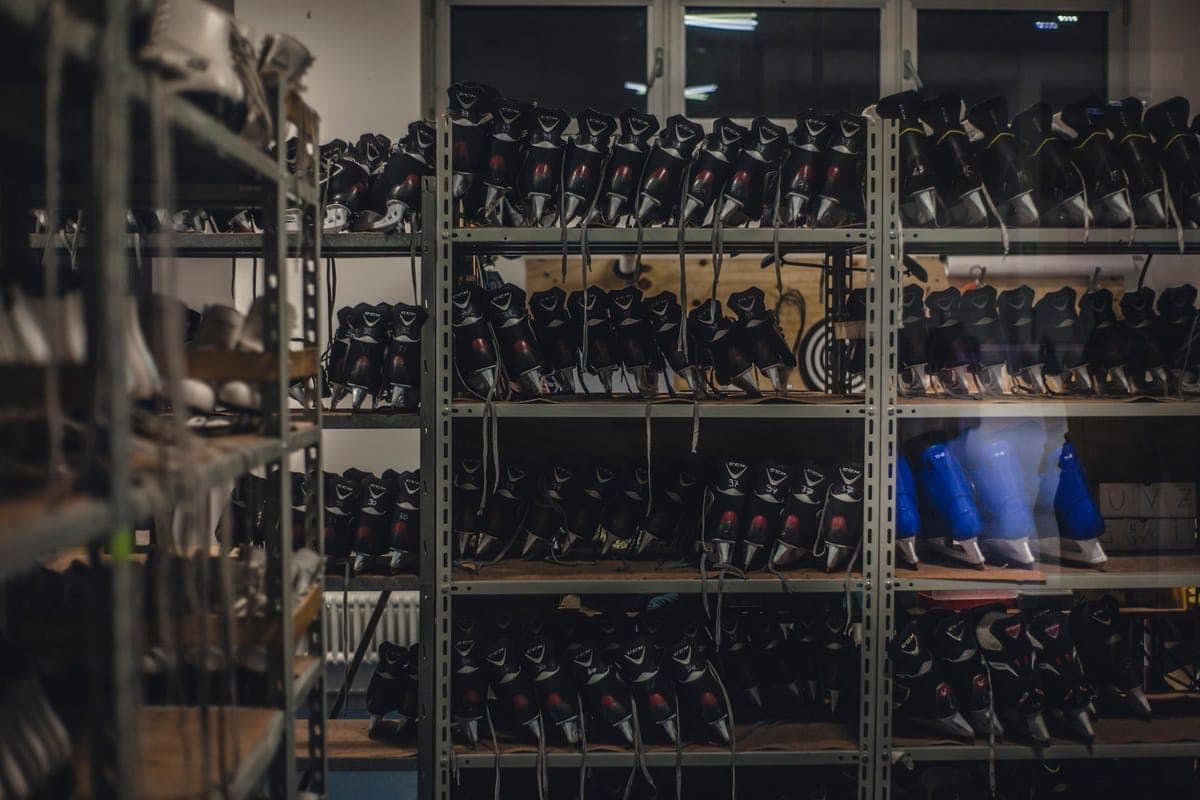
The four things that separate one retailer from another
The gear is the same. A Smith helmet bought from Amazon, from a specialist site, or from Smith is the same helmet in the same box with the same warranty. So price aside, only four things actually differ between the places you can buy it, and three of them never appear on a product page.
- The published return window. The single biggest difference, and the one that matters most when you are buying something fitted without trying it on. Windows in this category range from about a month to over a year.
- Whether anyone there can fit you. A boot fitting, a binding mount, a shell-fit check on a helmet. This is a service, it is worth money, and only some channels sell it.
- Whether there is a used or trade-in program. Several retailers now run a graded secondhand channel, which changes the arithmetic on outgrown children’s gear completely.
- What happens when something breaks. Warranty claims usually go to the brand rather than the retailer, and the ease of that varies more than people expect.
Everything below is organized around those four, with each retailer’s published policy quoted rather than remembered. Prices move constantly and are not the point of this page; the timing page covers when things get cheap and the cost page covers what the whole thing adds up to.
The six channels, side by side
| Channel | Published returns | Fitting service | Used or trade-in |
|---|---|---|---|
| Amazon | Most items 30 days from delivery; varies by category and by seller | None | No |
| Specialist online (evo and similar) | evo publishes 366 days on new, unused gear, less shipping; 60 days if it arrives not as described | Limited; some have physical stores | Yes, graded |
| REI Co-op | 90 days, or a year for Co-op Members; 30 days on used gear; 90 days on electronics | Yes, in store | Yes, Re/Supply, members |
| Brand-direct | Varies by brand; Patagonia publishes its Ironclad Guarantee | No | Some, e.g. Patagonia Worn Wear |
| Local ski shop | Varies; ask before you buy | Yes, and this is the reason to be there | Often, plus ski swaps |
| Warehouse club and general retail | Varies by chain; generally generous | None | No |
Amazon: convenience, breadth, and a short window
Amazon publishes that most items can be returned within 30 days of delivery in original or unused condition, with the exact window varying by product category and by seller. For anything you can size confidently from a chart - socks, base layers, gloves, goggles, a helmet you have measured for - that is plenty, and the breadth is unmatched.
What Amazon is genuinely best at is the long tail of small items. Ski socks. A second pair of children’s mittens. A tuning stone. Replacement zip sliders. A boot bag. These are things a local shop may not stock and a specialist site charges shipping on, and they are exactly the items on the front of the buying order.
Three cautions. Check whether the seller is Amazon or a third party, because that decides where a return goes and sometimes how long you have. Check that the listing is the model you think it is, since accessories and older model years share titles. And do not buy a first pair of ski boots this way - see below.
Specialist online retailers: the long return window
Ski-and-snowboard-specific online retailers are where the hardgoods live: skis, boards, bindings, boots, and the technical outerwear that general retail does not carry. They also publish the most generous return policies in the category.
evo publishes a 366-day return window on new, unused items, less any shipping charges, and a separate 60-day window for gear that arrives in worse condition than described. For a category where you might buy in September and not ski until February, a window that outlasts the season is worth real money.
Graded used gear is the underrated part
The specialist channel now runs proper secondhand sections with published condition grades rather than a photo and a hope. evo publishes grades where Premium means almost no cosmetic wear and is practically new, and Standard - its most common grade - means the item shows the cosmetic wear you would expect from normal use.
That grading is what makes buying used online workable, and it matters most for exactly the gear that is expensive and outgrown fast. Our item-by-item verdict on buying secondhand applies unchanged here, including the one absolute: never a used helmet.
The co-op: membership, returns and Re/Supply
REI publishes a 90-day return window for everyone and a full year for Co-op Members, with narrower windows on some categories - it publishes 90 days on electronics and 30 days on used gear. A one-time membership fee that unlocks a year-long return window is, for a family kitting out four people at once, straightforwardly good value.
It also runs Re/Supply, where members can both buy and trade in used gear, with items coming from returns and member trade-ins. For growing children that is the interesting half: the gear comes back in as credit rather than sitting in a garage.
And it has physical stores with staff who will fit a boot. That combination - try it on, buy it, and still have months to change your mind - is the strongest overall proposition on this page for someone buying a lot at once.
Brand-direct: warranties, and the things nobody else stocks
Buying from the manufacturer is usually neither the cheapest nor the fastest, and there are three times it is the right answer.
- Odd sizes and current colorways. The size at the edge of a published range is the one a retailer sells out of first. Which matters most at the top of a size run.
- Warranty and spare parts. A warranty claim goes to the brand regardless of who sold it, and buying direct removes a step. It is also where you get replacement buckles, ladders and straps - all of which are replaceable parts rather than reasons to buy a new boot.
- A brand-run used channel. Patagonia publishes Worn Wear, where used items are graded excellent, great or good, are backed by its Ironclad Guarantee, and can be traded in for credit. It is the cleanest secondhand experience in outdoor clothing.
The published warranty term is worth checking before you buy anywhere, because the spread is enormous. Across the products on this site it runs from an unconditional lifetime guarantee on a pair of socks to no published term at all on most outerwear, and the lifespan page treats that as a signal rather than a footnote.
The local shop: you are buying the fitting, not the box
A local ski shop is usually not the cheapest place to buy anything, and for two items it is the correct place anyway.
Boots
Boot fit is personal, boots are sized in mondopoint rather than shoe size, last width in millimeters matters as much as length, and volume through the instep is not published at all. None of that can be resolved from a chart. A shop can shell fit you, punch out a pressure point, and fit a footbed, and those services are worth more than the discount you gave up. The boot guide covers the fitting itself, and the flex page covers the number most people get wrong.
Anything with a binding on it
A ski binding has to be adjusted for your height, weight, age, boot sole length and declared skier type, and then tested on a machine, under the published ISO 11088 procedure. That is a shop job, it is not optional, and it is the reason a cheap pair of used skis with an unsupported binding can turn out to be unusable. The bindings page explains the whole thing.
The practical rule: if a purchase needs a person, buy it from the person. If it needs a chart, buy it wherever the return window is longest.
Warehouse clubs and general retail
Big-box and warehouse retailers carry ski clothing seasonally, usually from mid-autumn until it sells out, and the value on basic insulated outerwear is often genuinely good. What you give up is choice, published specifications and any expertise.
It is a reasonable place to buy a child’s snow pants and jacket, which get outgrown rather than worn out, and a poor place to buy anything where the published specification matters. If the label does not state seam sealing or a waterproof rating, treat it as unstated rather than assumed - the ratings page explains what those numbers mean, and the features page ranks seam sealing above everything else.
The resort shop: the channel you meet by accident
There is a seventh channel nobody plans for and most families end up using: the shop at the base of the mountain, at nine in the morning, because something has gone wrong. A forgotten pair of goggles. Gloves that turned out not to be waterproof. A child whose helmet does not fit after all.
Base-area retail is the most expensive place to buy anything in this sport, and that is not gouging so much as economics: a short season, a captive customer and rent on a mountain. What it sells that nobody else does is immediacy, and on the one morning you need it that is worth paying for.
The way to use it is to decide in advance what you would buy there. Goggles, a neck gaiter, gloves, sunscreen and hand warmers are all things a resort shop will have and a ruined morning will otherwise cost you. Boots, skis, jackets and anything with a published specification are not: those are decisions made at home with a tape measure and a return window. The gear checklist exists to stop this happening, and it is cheaper than the shop.
Shipping, tax and the number that is not the price
One more thing that separates channels and never appears in a comparison: what the purchase actually costs to complete and to undo. Several published return policies refund the item price less shipping, so a returned jacket costs you the postage both ways. Specialist retailers frequently set a free-shipping threshold, which is why buying the socks and the goggles together is cheaper than buying them a week apart.
And bulky hardgoods are the exception to buying online at all. Skis and boards ship as oversized freight, which is expensive to send and more expensive to send back - another reason the hardgoods decision belongs with a shop that will also set the binding.
Ski swaps and the secondhand market
Autumn ski swaps run by clubs and schools are the cheapest way to kit out a family, and they frequently have a shop technician on site who will tell you whether a binding is serviceable before you hand over money. That single service makes a swap better than a classified ad.
The rules are the same as everywhere else secondhand: buy clothing and poles freely, buy boots and skis with care, never buy a helmet. And check the binding make, model and year before you drive anywhere, because manufacturers publish annual indemnification lists and a shop will not service a binding that has fallen off one.
What to buy where, item by item
| Item | Buy from | Why |
|---|---|---|
| Ski socks, base layers | Anywhere; Amazon is easiest | Sized from a chart, cheap, and the return window rarely matters |
| Gloves and goggles | Anywhere with a decent return window | Fit is checkable at home in five minutes |
| Helmet | Anywhere, once you have measured | Head circumference is the whole decision; a long window helps if you are between sizes |
| Jacket and pants | Retailer with the longest return window | Sizing runs differ by brand and you want to try it over real layers |
| Boots | Local shop, or a co-op store with fitters | Fitting is the product; the discount elsewhere is not worth it |
| Skis, boards, bindings | Specialist or local shop | The binding must be set and tested by a qualified technician |
| Children's outerwear | Used, or warehouse retail | Outgrown rather than worn out, so condition matters more than specification |
| Tuning tools, bags, small accessories | Amazon | The long tail nobody else stocks |
Five things to check before you click buy
- The return window for that specific item. Not the headline policy. Used gear, electronics and marketplace sellers are frequently narrower.
- Who you are actually buying from. On a marketplace, the seller sets terms inside the platform’s framework and takes the return.
- Whether the size you need is the one in stock. Buying the adjacent size because it is available is how gear ends up unused.
- Whether shipping is deducted from a refund. Several published policies return the item price less shipping.
- Whether the window outlasts the wait. Buying in September for a February trip is how people discover a bad fit two months after the window closed.
One more time, on the money
This page names retailers we earn nothing from, and recommends them for the two most expensive purchases in the sport. That is deliberate. Amazon is the only affiliate relationship this site has; the specialist retailers, the co-op, the brands and your local shop pay us nothing, and a buy button never appears next to them.
The products below are on this page as illustrations of the argument rather than as a ranking: a sock that carries a lifetime guarantee from its maker, a helmet sold both direct and through retail, a budget helmet that exists almost entirely as an online product, and a ski package that needs a shop appointment whoever sells it to you. Every one of them is available from more than one of the channels above, and the right channel depends on which row of the table you are in.
Every pick, with the working
Each entry shows the published inputs, the axis scores they produce, and what you give up. The order is the computed order, not a commercial one, and the arithmetic is open underneath each score.
1 · A head at the edges of the size range, or one between two sizes
Smith Cache Mips
The widest published head range of any helmet on this page and the only one certified to both the US and European standards while carrying a rotational-impact liner, a dial adjuster and a three-year warranty. It is also the second most expensive, and 550 g is not light.
- Published price
- $125
- Cost per day on snow
- $5 a day
- Amortized over
- 5 seasons (25 days)
- Certified to
- ASTM F2040, CE EN 1077:2007 Class B
- Rotational system
- Mips
- Published sizes
- 51-67 cm across S, M, L and XL
- Weight
- 550 g
- Warranty
- Smith 3-year limited warranty
What it gets right
- Certified to ASTM F2040 and CE EN 1077:2007 Class B
- Four published sizes covering 51-67 cm, so odd-sized heads are actually catered for
- Three-year warranty, the longest published term in this group
- Eleven vents, five of them adjustable, which matters more than it sounds on a warm spring afternoon
What you give up
- 550 g in size medium is the heaviest here, and a child or a light adult will notice it
- No published crash-replacement program
The working behind the 6.7
- Cost per day on snow: 7.4
- $125 over 5 seasons at 5 days each = 25 days = $5 a day
- Published protection: 9.0
- ASTM F2040 (+4); CE EN 1077 (+2); Mips rotational system (+3)
- Size availability: 6.6
- 4 published sizes (5.1 of 8.5); continuous in-size adjuster published (+1.5); range: 51-67 cm across S, M, L and XL
- Warranty and support: 2.5
- 3 yr (2.5 of 6); no published crash replacement (+0); no published repair route (+0)
Axes with unpublished inputs are dropped and the remaining weights re-normalized, so a product is not punished for a manufacturer’s silence. Specifications compiled September 3, 2026 from Smith published specifications.
2 · The one piece of ski gear worth buying before anything else
Darn Tough Alpine Over-the-Calf Lightweight Ski Socks
The only item in this entire ledger with an unconditional lifetime guarantee. It is a $30 sock that the maker will replace forever, which over any realistic number of ski days is the cheapest thing on the site.
- Published price
- $30
- Cost per day on snow
- $2 a day
- Amortized over
- 3 seasons (15 days)
- Certified to
- Not published
- Published sizes
- S through XL
- Warranty
- Unconditional lifetime guarantee
What it gets right
- Unconditional lifetime guarantee, published without qualifying conditions
- Lightweight merino, which is correct for a modern ski boot: a thick sock makes boots colder, not warmer
- Over-the-calf length, so the boot cuff never touches bare skin
What you give up
- $30 for one pair of socks reads as absurd until the replacement policy is read
- Lightweight is the right choice but feels wrong to anyone expecting a thick ski sock
The working behind the 6.4
- Cost per day on snow: 9.6
- $30 over 3 seasons at 5 days each = 15 days = $2 a day
- Published protection: not scored
- Socks carry no protective standard, so this axis does not apply.
- Size availability: 5.1
- 4 published sizes (5.1 of 8.5); no continuous adjuster published (+0); range: S through XL
- Warranty and support: 2.0
- no published term (0 of 6); no published crash replacement (+0); repair or replacement parts published (+2)
Axes with unpublished inputs are dropped and the remaining weights re-normalized, so a product is not punished for a manufacturer’s silence. Specifications compiled September 3, 2026 from Darn Tough published specifications.
3 · A spare helmet, or a second one for a visiting relative
Retrospec Comstock
Skip this one. It is a legitimately certified helmet and it is cheap, but every other adult pick here includes a rotational-impact liner and the cheapest of those is $69.99. Twenty-two dollars is not the place to economize on the one feature that addresses the kind of impact skiers actually have.
Certified to both standards at under fifty dollars, with a dial adjuster and ten vents. What it does not have, at any price or size, is a rotational-impact liner, and that is the one thing on this page worth paying for.
- Published price
- $47.99
- Cost per day on snow
- $1.92 a day
- Amortized over
- 5 seasons (25 days)
- Certified to
- ASTM F2040, CE EN 1077 Class B
- Rotational system
- None published
- Published sizes
- 55-58 cm and 59-62 cm
- Warranty
- Limited warranty; no term published
What it gets right
- ASTM F2040 and CE EN 1077 Class B certified at a published $47.99
- ErgoKnob dial adjuster, which several helmets costing three times as much do not publish
- ABS shell over an EPS liner, the tougher construction
What you give up
- No rotational-impact system in any version
- Only two adult sizes, covering 55-62 cm, so anything outside that is not served
- Retrospec publishes a limited warranty but no term we could find
The working behind the 5.5
- Cost per day on snow: 9.7
- $47.99 over 5 seasons at 5 days each = 25 days = $1.92 a day
- Published protection: 6.0
- ASTM F2040 (+4); CE EN 1077 (+2); no rotational-impact system (+0)
- Size availability: 3.2
- 2 published sizes (1.7 of 8.5); continuous in-size adjuster published (+1.5); range: 55-58 cm and 59-62 cm
- Warranty and support: 0.0
- no published term (0 of 6); no published crash replacement (+0); no published repair route (+0)
Axes with unpublished inputs are dropped and the remaining weights re-normalized, so a product is not punished for a manufacturer’s silence. Specifications compiled September 3, 2026 from Retrospec published specifications.
4 · A smaller adult or a tall teenager on groomed runs
Rossignol Experience 76 skis with Xpress 10 bindings
The narrower, cheaper sibling of the 78, at $449.95 with bindings, and the shortest published length here at 136 cm. Six lengths starting that short is what makes it work for a smaller adult or a tall teenager.
- Published price
- $449.95
- Cost per day on snow
- $18.00 a day
- Amortized over
- 5 seasons (25 days)
- Certified to
- Not published
- Published sizes
- 136, 144, 152, 160, 168 and 176 cm
- Warranty
- No term published on the product page
What it gets right
- $449.95 with Xpress 10 bindings included, $130 under the 78
- Six lengths from 136 cm, the shortest adult ski here
- A 76 mm waist is narrow, which makes edge-to-edge turns quicker to learn
What you give up
- A narrow ski is less forgiving in soft snow than a wider one
- The binding release setting still needs a shop, as with any ski
The working behind the 2.3
- Cost per day on snow: 0.0
- $449.95 over 5 seasons at 5 days each = 25 days = $18.00 a day
- Published protection: not scored
- Skis carry no protective standard of their own. The binding release setting does, and a shop sets it.
- Size availability: 8.5
- 6 published sizes (8.5 of 8.5); no continuous adjuster published (+0); range: 136, 144, 152, 160, 168 and 176 cm
- Warranty and support: 0.0
- no published term (0 of 6); no published crash replacement (+0); no published repair route (+0)
Axes with unpublished inputs are dropped and the remaining weights re-normalized, so a product is not punished for a manufacturer’s silence. Specifications compiled September 3, 2026 from Rossignol published specifications.
Prices last verified October 22, 2026. Prices move constantly; the figure on Amazon at the moment you click is the real one.
Questions people actually ask
Where is the cheapest place to buy ski gear?
Secondhand, at an autumn ski swap or through a retailer’s graded used channel, and after that warehouse retail for basic outerwear. But cheapest is the wrong question for boots and anything with a binding, where you are buying a fitting service rather than a box, and the discount elsewhere costs more than it saves.
Is it safe to buy ski boots online?
For a replacement pair in a model and size you already know, yes. For a first pair, no. Boots are sized in mondopoint rather than shoe size, last width matters as much as length, and instep volume is not published at all. A shop can shell fit you, punch a pressure point and fit a footbed.
Which ski retailer has the best return policy?
Among the policies we read, evo publishes the longest at 366 days on new, unused gear, less shipping. REI publishes 90 days for everyone and a year for Co-op Members, with 30 days on used gear. Amazon publishes 30 days on most items, varying by category and seller. Check the item, not the headline.
Can you buy used ski gear from a retailer?
Increasingly yes, and with published condition grades rather than guesswork. evo grades its used gear from Premium, meaning almost no cosmetic wear, down through Standard. REI members can buy and trade in through Re/Supply. Patagonia grades Worn Wear items excellent, great or good under its Ironclad Guarantee.
Should I buy ski gear from a local shop or online?
Split it. Buy boots and anything with a binding from a shop, because a person has to fit and set them. Buy socks, base layers, gloves, goggles, helmets and outerwear wherever the return window is longest, because those are sized from a chart and checked at home.
Sources
- REI published return policy, member window and Re/Supply used-gear terms
- REI published Re/Supply used gear program and trade-in
- evo published 365+1 return policy and used-gear condition grades
- evo published gear condition grading for used equipment
- Amazon published returns policy and window
- Patagonia published Worn Wear used, trade-in and repair program
- ISO 11088:2023, alpine ski/binding/boot system, assembly, adjustment and inspection