When to buy ski gear, and in what order
Prices in this category move on a predictable annual cycle. Here is roughly when, which items are worth waiting for, and which are not.
By Sawyer V. · Published
We have not tested this gear. Everything below is compiled from published specifications and published safety standards, and the arithmetic is public so you can check it. This page carries affiliate links: if you buy through one we earn a commission at no extra cost to you, and it does not change the order of the picks. Full disclosure.
The short answer
Broadly, the deepest discounts on the outgoing season’s models land in early spring as shops clear inventory, and selection is best but discounts thinnest in the fall. If you need gear for a trip this winter, the order you buy in matters far more than the month: socks, base layer, gloves, goggles, helmet, pants, jacket.
| # | Pick | Best for | Score | Price |
|---|---|---|---|---|
| 1 | Darn Tough Alpine Over-the-Calf Lightweight Ski Socks The one piece of ski gear worth buying before anything else | $2 a dayon snow | 6.4/10 | $30.64 - View on Amazon |
| 2 | MERIWOOL Merino 250 Base Layer Top The layer that decides whether a beginner is cold all day | $3.25 a dayon snow | 5.9/10 | $65.00 - View on Amazon |
| 3 | OutdoorMaster 3M Thinsulate Waterproof Ski Gloves The default adult glove when nothing about your hands is unusual | $2.67 a dayon snow | 6.3/10 | $24.95 - View on Amazon |
| 4 | OutdoorMaster PRO Magnetic A skier who wants to change lenses without taking gloves off | $2.00 a dayon snow | 6.1/10 | $39.99 - View on Amazon |
| 5 | OutdoorMaster Kelvin 2 Mips Families buying several helmets at once | $2.80 a dayon snow | 6.9/10 | $59.99 - View on Amazon |
| 6 | Arctix Men's Insulated Snowsports Cargo Pants A cold, dry resort week where the snow does not turn to rain | $2 a dayon snow | 5.2/10 | $64.99 - View on Amazon |
| 7 | Arctix Men's Icecap Insulated Jacket A cold dry week where price matters more than a spec sheet | $4.20 a dayon snow | 4.7/10 | $92.11 - View on Amazon |
Prices last verified October 19, 2026. Prices move constantly; the figure on Amazon at the moment you click is the real one.
The annual cycle
Ski retail runs on a model year. New product arrives in late summer and fall, sells through the winter, and whatever is left gets cleared in spring so shops are not storing it through the summer. That produces a predictable shape.
| When | Selection | Discounts | Best for |
|---|---|---|---|
| Late summer to early fall | New model year arriving | Thin | Buying exactly what you want in your size |
| Early winter | Full | Occasional | Anything you need for a trip you have booked |
| Midwinter | Thinning in popular sizes | Some | Nothing in particular |
| Early spring | Whatever is left | Deepest | Last season's models, if your size survived |
| Late spring to summer | Very thin | Deep but picked over | Patient shoppers with common sizes |
What is worth waiting for
- Jackets and pants. Outerwear is where model-year clearance bites hardest, and last season’s jacket is functionally identical to this season’s. If you can wait, this is the item to wait on.
- Skis and boards. Same logic and larger sums. A one-year-old ski is a new ski that has been in a warehouse.
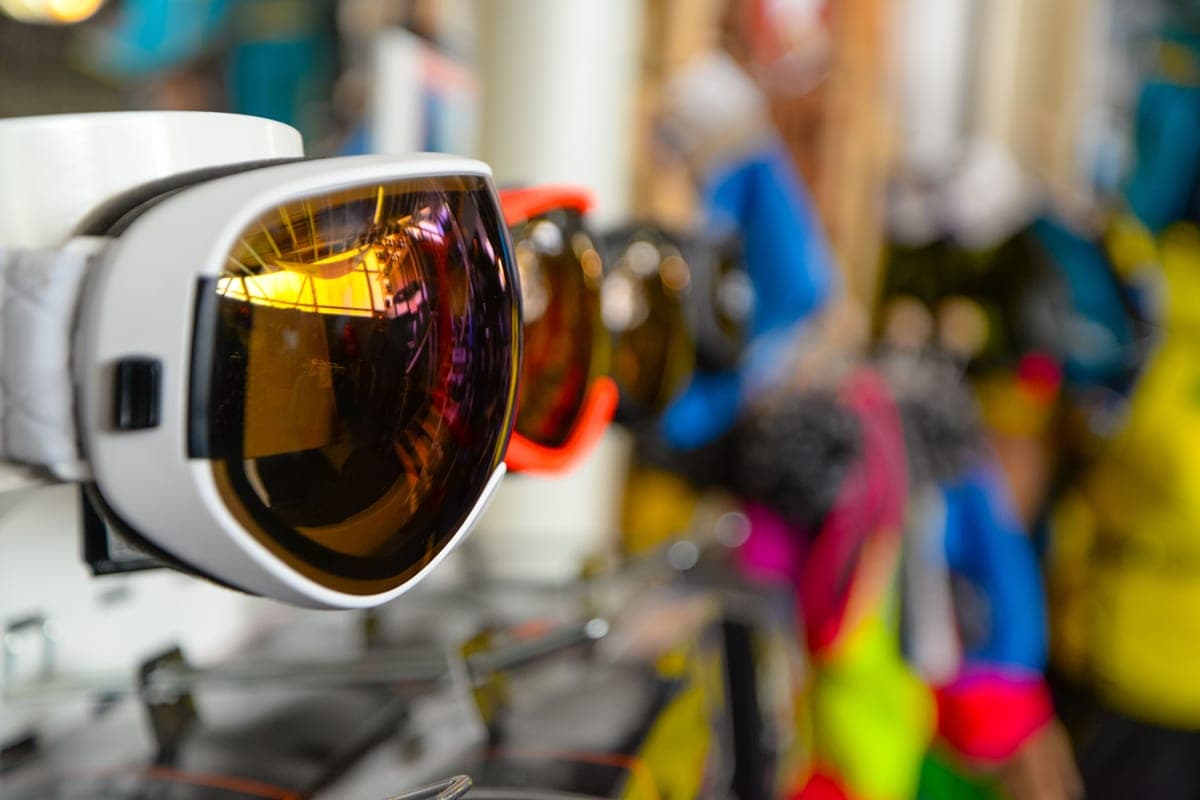
- Goggles, if you want a premium one. Lens technology does not turn over annually, so an outgoing model is a genuine saving.
What is not
- Anything you need for a trip in three weeks. The saving is not worth arriving without it, and a rushed purchase in a resort town costs more than either option.
- Helmets, if the current one has taken an impact. Replace it now. A crushed liner does not crush twice, and waiting for a sale is the wrong trade. Why that rule is absolute.
- Children’s gear, past a point. Buying a child’s jacket in spring for next winter is a gamble on how much they grow over the summer, and children do most of their growing in exactly that window.
- Boots. These need fitting rather than timing, and a boot fitter is worth more than a discount. Why boots are different.
The order, which matters more than the month
If you are kitting out from nothing, buy in this order. It is sorted by how badly each item ruins a day when it is wrong, not by price:
- 1. Ski socks. Cheap, not rentable, and a thick cheap sock makes feet colder. The reasoning.
- 2. A base layer. Not rentable, and cotton is the single most common reason people are cold. What to buy.
- 3. Gloves, plus a spare pair for a child. The picks.
- 4. Goggles. Rarely rented, and a scratched shared lens is genuinely unsafe in flat light.
- 5. A helmet. Rentable, but rental helmets fit worst of all rental items.
- 6. Snow pants. The biggest single improvement to a beginner’s day.
- 7. A jacket. Last, because a genuinely waterproof coat you already own will do for a first trip.
Skis and boots do not appear on that list
Deliberately. For a family skiing a handful of days a year they are a rental, and the break-even arithmetic says so plainly. When you are skiing enough days for that to change, you will know, because the rental queue will have started to annoy you.
The other timing question
Ski swaps and secondhand sales cluster in the fall, run by clubs, schools and shops clearing trade-ins. For children’s clothing in particular this is the cheapest route there is, because the gear is outgrown long before it wears out.
Buy anything there except a helmet. The clothing arithmetic covers the secondhand case, and the budget kits show what the same money buys new.
One thing worth checking before you buy early: how long you have to change your mind. Published return windows in this category run from about a month to over a year, so buying in September for a February trip is safe at one retailer and a gamble at another. The where-to-buy page compares them.
Every pick, with the working
Each entry shows the published inputs, the axis scores they produce, and what you give up. The order is the computed order, not a commercial one, and the arithmetic is open underneath each score.
1 · The one piece of ski gear worth buying before anything else
Darn Tough Alpine Over-the-Calf Lightweight Ski Socks
The only item in this entire ledger with an unconditional lifetime guarantee. It is a $30 sock that the maker will replace forever, which over any realistic number of ski days is the cheapest thing on the site.
- Published price
- $30
- Cost per day on snow
- $2 a day
- Amortized over
- 3 seasons (15 days)
- Certified to
- Not published
- Published sizes
- S through XL
- Warranty
- Unconditional lifetime guarantee
What it gets right
- Unconditional lifetime guarantee, published without qualifying conditions
- Lightweight merino, which is correct for a modern ski boot: a thick sock makes boots colder, not warmer
- Over-the-calf length, so the boot cuff never touches bare skin
What you give up
- $30 for one pair of socks reads as absurd until the replacement policy is read
- Lightweight is the right choice but feels wrong to anyone expecting a thick ski sock
The working behind the 6.4
- Cost per day on snow: 9.6
- $30 over 3 seasons at 5 days each = 15 days = $2 a day
- Published protection: not scored
- Socks carry no protective standard, so this axis does not apply.
- Size availability: 5.1
- 4 published sizes (5.1 of 8.5); no continuous adjuster published (+0); range: S through XL
- Warranty and support: 2.0
- no published term (0 of 6); no published crash replacement (+0); repair or replacement parts published (+2)
Axes with unpublished inputs are dropped and the remaining weights re-normalized, so a product is not punished for a manufacturer’s silence. Specifications compiled September 3, 2026 from Darn Tough published specifications.
2 · The layer that decides whether a beginner is cold all day
MERIWOOL Merino 250 Base Layer Top
250 g per square meter of merino is the midweight number, and midweight is the right answer for a beginner who alternates between standing still in a lesson and sweating on a magic carpet. Wool keeps working when it is damp; cotton does the opposite.
- Published price
- $65
- Cost per day on snow
- $3.25 a day
- Amortized over
- 4 seasons (20 days)
- Certified to
- Not published
- Published sizes
- S through XXL
- Warranty
- No term published on the product page
What it gets right
- 250 gsm published, so the weight can be compared against any other merino layer
- Wool retains warmth when damp, which is the entire argument against a cotton shirt
- Wearable for several days, which matters on a trip with one suitcase
What you give up
- $65 for a single top is more than a pair of snow pants here
- Merino needs cool washing and takes a long time to dry
The working behind the 5.9
- Cost per day on snow: 8.7
- $65 over 4 seasons at 5 days each = 20 days = $3.25 a day
- Published protection: not scored
- Base layers carry no protective standard, so this axis does not apply.
- Size availability: 6.8
- 5 published sizes (6.8 of 8.5); no continuous adjuster published (+0); range: S through XXL
- Warranty and support: 0.0
- no published term (0 of 6); no published crash replacement (+0); no published repair route (+0)
Axes with unpublished inputs are dropped and the remaining weights re-normalized, so a product is not punished for a manufacturer’s silence. Specifications compiled September 3, 2026 from MERIWOOL published specifications.
3 · The default adult glove when nothing about your hands is unusual
OutdoorMaster 3M Thinsulate Waterproof Ski Gloves
Named Thinsulate insulation and a published two-year warranty at $39.99, which is the only glove here that publishes a warranty term at all. Over three seasons that is $2.67 a day.
- Published price
- $39.99
- Cost per day on snow
- $2.67 a day
- Amortized over
- 3 seasons (15 days)
- Certified to
- Not published
- Waterproof rating
- Not published
- Published sizes
- S through XL
- Warranty
- OutdoorMaster 2-year warranty
What it gets right
- Two-year published warranty, which no other glove here states
- 3M Thinsulate insulation named rather than unspecified fill
- $39.99, which is $2.67 a day over three seasons at five days each
What you give up
- No published waterproof rating in millimeters
- Four sizes, so hands at the extremes are less well served
The working behind the 6.3
- Cost per day on snow: 9.1
- $39.99 over 3 seasons at 5 days each = 15 days = $2.67 a day
- Published protection: not scored
- No waterproof rating or seam construction published.
- Size availability: 5.1
- 4 published sizes (5.1 of 8.5); no continuous adjuster published (+0); range: S through XL
- Warranty and support: 2.5
- 2 yr (2.5 of 6); no published crash replacement (+0); no published repair route (+0)
Axes with unpublished inputs are dropped and the remaining weights re-normalized, so a product is not punished for a manufacturer’s silence. Specifications compiled September 3, 2026 from OutdoorMaster published specifications.
4 · A skier who wants to change lenses without taking gloves off
OutdoorMaster PRO Magnetic
A magnetic lens swap at a published $49.99, with 100% UV400 and an over-the-glasses frame. Spare lenses are a separate purchase, so the real cost of a two-lens setup lands closer to the Smith than the sticker suggests.
- Published price
- $49.99
- Cost per day on snow
- $2.00 a day
- Amortized over
- 5 seasons (25 days)
- Certified to
- Not published
- UV protection
- 100% published
- Anti-fog
- Anti-fog coating
- Lenses included
- 1
- Published sizes
- One size
- Warranty
- No term published for goggles
What it gets right
- Magnetic lens change, workable in gloves on a lift
- 100% UV400 protection and an anti-fog coating
- Over-the-glasses frame at a published $49.99
What you give up
- One lens included; the interchangeable system only pays off after you buy another
- No published impact standard
The working behind the 6.1
- Cost per day on snow: 9.6
- $49.99 over 5 seasons at 5 days each = 25 days = $2.00 a day
- Published protection: 6.0
- 100% UV protection published (+4); no published impact standard (+0); anti-fog treatment published (+2); single lens (+0)
- Size availability: not scored
- Sold in one size, so size availability does not apply.
- Warranty and support: 0.0
- no published term (0 of 6); no published crash replacement (+0); no published repair route (+0)
Axes with unpublished inputs are dropped and the remaining weights re-normalized, so a product is not punished for a manufacturer’s silence. Specifications compiled September 3, 2026 from OutdoorMaster published specifications.
5 · Families buying several helmets at once
OutdoorMaster Kelvin 2 Mips
The cheapest helmet here that carries both certifications and a rotational liner, at a published $69.99. For a family buying four helmets at once that difference is most of a lift ticket, and nothing in the published safety spec is missing.
- Published price
- $69.99
- Cost per day on snow
- $2.80 a day
- Amortized over
- 5 seasons (25 days)
- Certified to
- ASTM F2040-18, CE EN 1077:2007 Class B
- Rotational system
- Mips
- Published sizes
- Three published sizes, S through L
- Warranty
- OutdoorMaster 2-year warranty
What it gets right
- ASTM F2040-18 and CE EN 1077:2007 Class B, with Mips, for a published $69.99
- Two-year warranty, double Giro's published term
- Fourteen vents and a dial adjuster
What you give up
- Three published sizes rather than four, so the extremes of the range are less well covered
- No published weight, so you cannot compare it on the scale before you buy
The working behind the 6.9
- Cost per day on snow: 9.0
- $69.99 over 5 seasons at 5 days each = 25 days = $2.80 a day
- Published protection: 9.0
- ASTM F2040 (+4); CE EN 1077 (+2); Mips rotational system (+3)
- Size availability: 4.9
- 3 published sizes (3.4 of 8.5); continuous in-size adjuster published (+1.5); range: Three published sizes, S through L
- Warranty and support: 2.5
- 2 yr (2.5 of 6); no published crash replacement (+0); no published repair route (+0)
Axes with unpublished inputs are dropped and the remaining weights re-normalized, so a product is not punished for a manufacturer’s silence. Specifications compiled September 3, 2026 from OutdoorMaster published specifications.
6 · A cold, dry resort week where the snow does not turn to rain
Arctix Men's Insulated Snowsports Cargo Pants
The only garment in this ledger that publishes an actual waterproof number: a 3,000 mm ThermaLock coating with 85 g of insulation, at fifty dollars. 3,000 mm is the bottom of the useful range, and on a wet spring day you will find out where that bottom is.
- Published price
- $50
- Cost per day on snow
- $2 a day
- Amortized over
- 5 seasons (25 days)
- Certified to
- Not published
- Waterproof rating
- 3,000 mm
- Published sizes
- S through XXL, in 28, 32 and 34 inch inseams
- Warranty
- No term published on the product page
What it gets right
- Publishes a 3,000 mm waterproof rating, which most competitors at this price do not
- 85 g of ThermaTech insulation, warm enough for a beginner standing still on a learning slope
- Three published inseam lengths, which matters more in snow pants than in almost anything else
What you give up
- 3,000 mm is a coating, not a membrane, and heavy wet snow will eventually get through it
- Critical seams only, not fully sealed
The working behind the 5.2
- Cost per day on snow: 9.6
- $50 over 5 seasons at 5 days each = 25 days = $2 a day
- Published protection: 2.0
- 3,000mm waterproof rating (0.0 of 6); critically taped or untaped seams (+0); insulation or shell construction published (+2)
- Size availability: 6.8
- 5 published sizes (6.8 of 8.5); no continuous adjuster published (+0); range: S through XXL, in 28, 32 and 34 inch inseams
- Warranty and support: 0.0
- no published term (0 of 6); no published crash replacement (+0); no published repair route (+0)
Axes with unpublished inputs are dropped and the remaining weights re-normalized, so a product is not punished for a manufacturer’s silence. Specifications compiled September 3, 2026 from Arctix published specifications.
7 · A cold dry week where price matters more than a spec sheet
Arctix Men's Icecap Insulated Jacket
Arctix publishes a 3,000 mm rating on its insulated snow pants and no rating at all on this jacket, which is worth saying out loud rather than quietly borrowing the pants figure. What it does publish is insulation and critical seam sealing at $105.
- Published price
- $105
- Cost per day on snow
- $4.20 a day
- Amortized over
- 5 seasons (25 days)
- Certified to
- Not published
- Waterproof rating
- Not published
- Published sizes
- S through XXL
- Warranty
- No term published on the product page
What it gets right
- $105 published, which over five seasons is $4.20 a day on snow
- Critical seams sealed, which is what most family-price outerwear does
- Five published sizes
What you give up
- No waterproof rating published for this jacket, so it cannot be compared numerically
- Critical seams rather than fully sealed
The working behind the 4.7
- Cost per day on snow: 8.0
- $105 over 5 seasons at 5 days each = 25 days = $4.20 a day
- Published protection: 2.0
- no published waterproof rating (0 of 6); critically taped or untaped seams (+0); insulation or shell construction published (+2)
- Size availability: 6.8
- 5 published sizes (6.8 of 8.5); no continuous adjuster published (+0); range: S through XXL
- Warranty and support: 0.0
- no published term (0 of 6); no published crash replacement (+0); no published repair route (+0)
Axes with unpublished inputs are dropped and the remaining weights re-normalized, so a product is not punished for a manufacturer’s silence. Specifications compiled September 3, 2026 from Arctix published specifications.
Prices last verified October 19, 2026. Prices move constantly; the figure on Amazon at the moment you click is the real one.
Questions people actually ask
When is the best time to buy ski gear?
Early spring, when shops clear the outgoing model year, if you can wait and your size survives the clearance. Fall has the best selection and the thinnest discounts.
What ski gear should I buy first?
Socks, then a base layer, then gloves, then goggles, then a helmet, then snow pants, then a jacket. That order is by how badly each one ruins a day when it is wrong.
Is last season's ski gear worth buying?
For outerwear, skis and boards, yes: a one-year-old model is functionally identical and considerably cheaper. For a helmet, buy new, and never buy a used one at any age.
Should I buy kids ski gear in the spring sales for next winter?
Cautiously. Children do a lot of their growing over the summer, so a jacket bought in April for the following January is a gamble. Clothing you can size up is a reasonable bet; boots and helmets are not.
Are ski swaps worth going to?
For children’s clothing especially, yes. They cluster in the fall and are full of items outgrown after a handful of days. Buy anything there except a helmet.